
Is ‘A Bull Sho Carries His Own China Shop’ Real?
No, it’s not a real idiom. It’s a garbled version of ‘a bull in a china shop.’ But if you’re sourcing ceramic dinnerware from China, the real question is: how do you find a factory that lets you inspect the porcelain like a bull? We’ll show you how to navigate wholesale market stalls for product texture, glaze quality, and stitching of soft goods—no clichés, just action.
The China Shop Myth
First, let’s kill the myth. The phrase ‘a bull sho carries his own china shop’ doesn’t exist in English. It’s likely a mishearing of ‘a bull in a china shop.’ But that doesn’t mean we can’t have fun with it. In reality, Chinese ceramic factories are incredibly precise. A ‘bull’ would be the clumsy wholesaler who doesn’t check the porcelain’s hardness (at least Mohs 7 for stoneware) or the uniformity of the glaze. Smart buyers bring a flashlight and a magnet—the magnet checks for iron content in the clay, which can cause spotting.
How to Source Real Porcelain: Texture, Stitching & Bulk Buying
Texture Check: Fingerprints & Glaze
Run your finger across the rim. If it’s rough, the factory skipped polishing. A smooth finish indicates quality grinding—usually 800+ grit. Glaze should be even, no pinholes. In wholesale stalls, ask for a sample to tap: bone china rings like a bell; porcelain has a higher pitch.
Stitching and Assembly (for Soft Goods)
If your ‘china shop’ includes table linens or dish towels, look at the stitching. Wholesale market stalls often sell unbranded goods. Check if the seams are doubled—single stitching means returns. For napkins, the thread count should be at least 200 for heavy use.
Bulk Buying Tactics from Chinese Wholesale Markets
- Pallet pricing: Ask for ‘lot price’—usually 10-15% off for buying a full pallet (about 100 sets).
- Mixed containers: Combine with other items to hit minimum order quantity (MOQ). Most stalls accept MOQ of 50 sets for dinnerware.
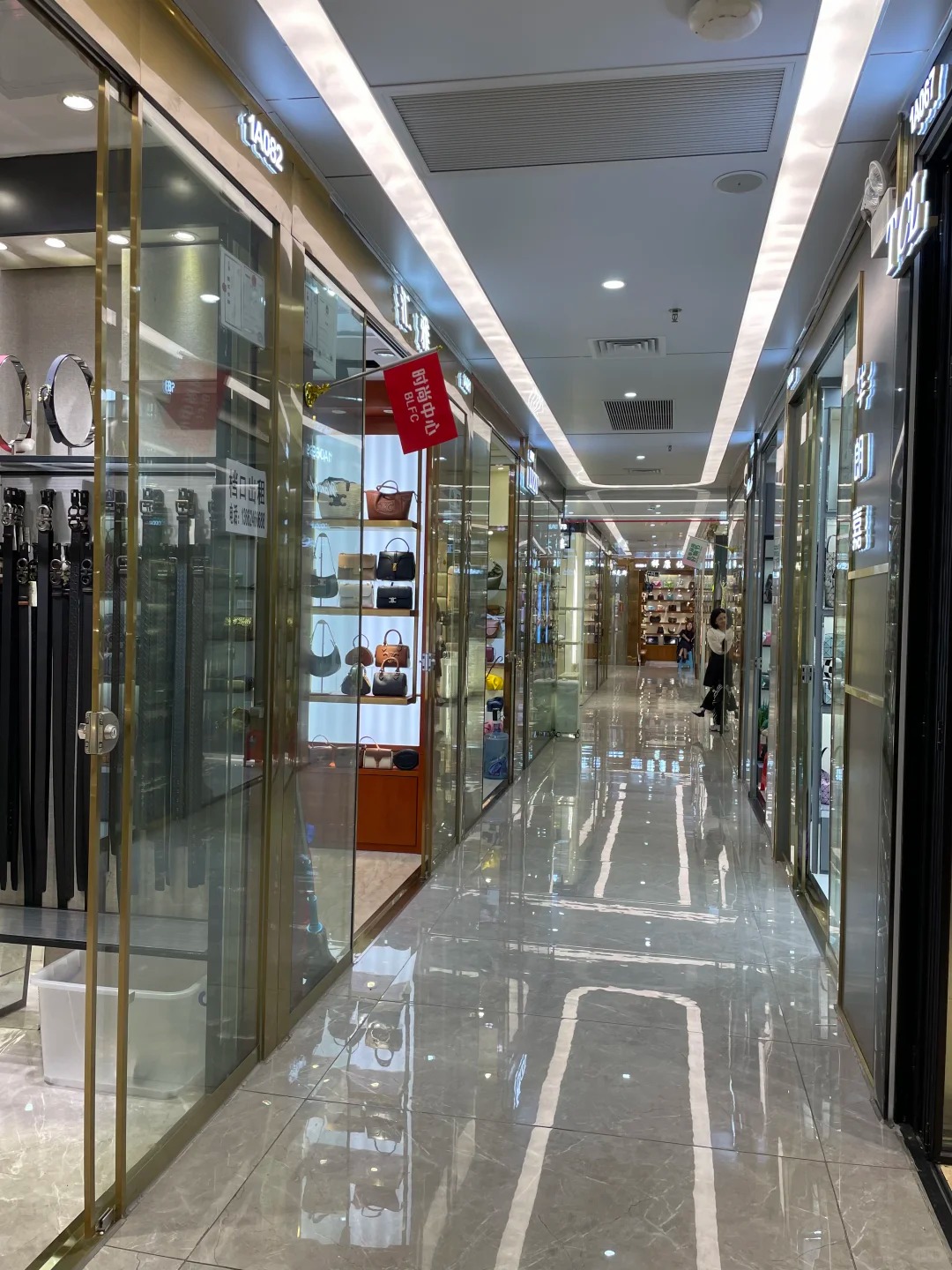
- Factory tours: Skip the middleman. Head straight to major markets like Yiwu or Jingdezhen. For fabric, go to Shaoxing.
FAQ: Quick Answers from a Wholesale Insider
| Question | Answer |
|---|---|
| What is the minimum order for ceramic cups? | Usually 100 pieces, but some stalls split if you pay in cash. |
| Can we trust the quality from market stalls? | Yes, if you test. Bring a ceramic hardness tester or hire a QC agent. |
| How do I avoid chipping? | Look for porcelain with high alumina content (over 20%) and rolled edges. |
| Is bone china more durable? | No—it’s more translucent but less chip-resistant. Stoneware is better for heavy use. |
| Can I get custom logos on stock items? | Yes, but MOQ for custom decals is 500+ pieces. For laser etching, 300 pieces. |
| What about shipping? | Use a freight forwarder who consolidates with other buyers to save 30% on sea freight. |
| How quickly can I get a sample? | Small samples are usually 2-5 days; large sets 10 days. Ask for ‘quick turn’ suppliers. |
Real Supplier Connections
The most direct path is Soudangkou, a platform connecting you to verified wholesale market stalls. They pre-check factory credentials, so you can skip the tourist traps and go straight to quality. Use it to find ‘bull’-proof porcelain—strong enough to carry your business.
广州服装档口相关入口
继续查看相关市场和品类入口,方便对比档口微信、货源范围、拿货方向和试单前需要核实的信息。