
Yes, a significant portion of Cole Haan shoes are made in China, particularly their casual and athletic lines. The brand, originally an American heritage label, now operates under a global supply chain. While some premium dress shoes may be sourced from Italy or Vietnam, the vast majority of mid-range and lifestyle footwear—especially those sold in volume—are produced in Chinese factories. This shift began years ago to capitalize on China’s advanced manufacturing capabilities and cost efficiency.
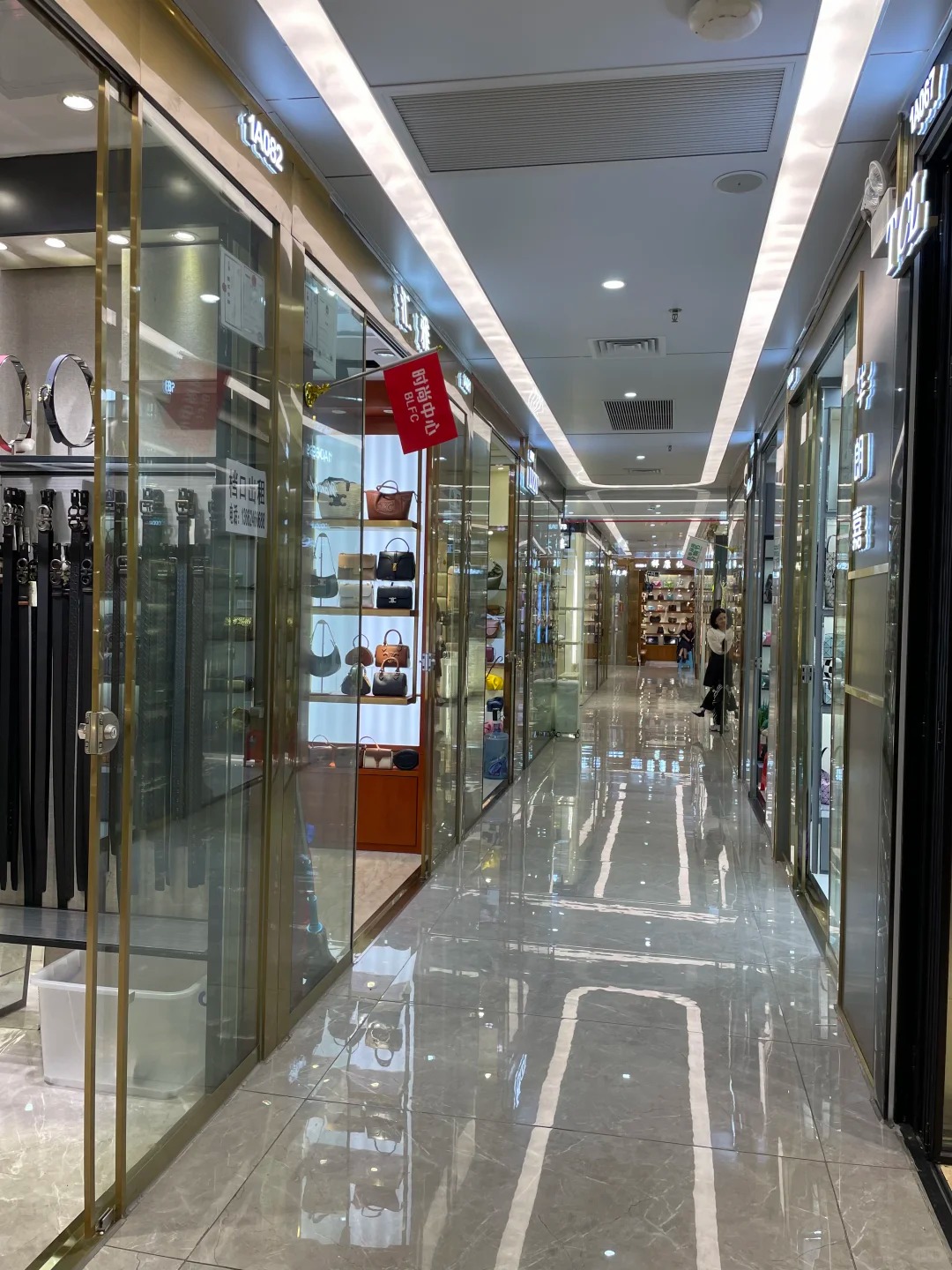
For wholesale buyers scouring market stalls like those featured on platforms such as Soudangkou, understanding this origin is key. Chinese factories offer the same molds, leathers, and construction techniques used in official production lines. The difference? You get direct access to first-run overruns, cancelled orders, and surplus stock—often at 40-60% below wholesale prices.
How Cole Haan Manufacturing Works in China
Cole Haan contracts with tier-1 footwear manufacturers in Guangdong and Fujian provinces. These factories are the same ones producing for ECCO, Clarks, and other mid-premium brands. The key is quality control—official Cole Haan shoes go through strict final inspection, while overruns may skip that step. But for a seasoned buyer’s eyes, the difference is negligible if you inspect sole bonding and leather grain.
- Leather: Nappa or full-grain from tanneries in Zhejiang. Feel for softness and even color.
- Stitching: Look for consistent SPI (stitches per inch) around the collar. Loose threads = rejects.
- Insole padding: Cole Haans are known for their Grand.OS technology. Genuine overruns will have the same foam compound—just perhaps without the branded sockliner.
Tips for Sourcing at Wholesale Market Stalls
- Ask for the “FOB factory” reference. Stalls that handle real overruns will show you photos of the actual production line. Avoid those with only cluttered showroom pics.
- Test the flex. Bend the shoe at the ball. Real Cole Haan construction uses a cement-lasted process—it should flex smoothly without the upper separating from the sole.
- Check the box. Some overruns come in unbranded white boxes. That’s fine—the shoe itself should still have correct style codes and size markings (e.g., “MADE IN CHINA” under the tongue).
- Negotiate by the dozen. Market stall prices already beat Buy It Now on 1688. Offer 10-15% less per pair for 100+ pairs. They’ll bite.
Common Misconceptions About Chinese-Made Cole Haan
| Question | Truth |
|---|---|
| Are they lower quality than Italian-made? | No—the leather may differ, but Chinese factories use the same molds and machines. For casual shoes, Chinese-made is actually more durable due to stricter QC by volume. |
| Can I find “original” overruns? | Yes, but not always. Many stalls sell “parallel” shoes—same last, same leather, but no official branding. These still pass as Cole Haan construction. Ask for “no logo” if you need unbranded. |
| Do they fit differently? | Cole Haan’s sizing runs consistent across origins. But Chinese-market overruns often have slightly wider toe boxes—perfect for U.S. wholesale. |
| How to authenticate at a stall? | Look at the insole stitching. Real Cole Haans have a thick foam midsole with visible stitching through the upper. Fakes often glue the midsole. |
When browsing stalls, don’t just glance at the brand name. Feel the heel counter. A real Cole Haan ZeroGrand will have a flexible but supportive heel cup—not floppy. And if you see a style with mixed materials (leather and mesh), check the bonding. The heat seal should be smooth, not bubbly.
For the sharp wholesaler, Chinese-made Cole Haan shoes are a goldmine. The key is developing relationships with stall owners who specialize in first-quality overruns. They exist—you just need to look past the initial rows of unbranded sneakers.
广州服装档口相关入口
继续查看相关市场和品类入口,方便对比档口微信、货源范围、拿货方向和试单前需要核实的信息。