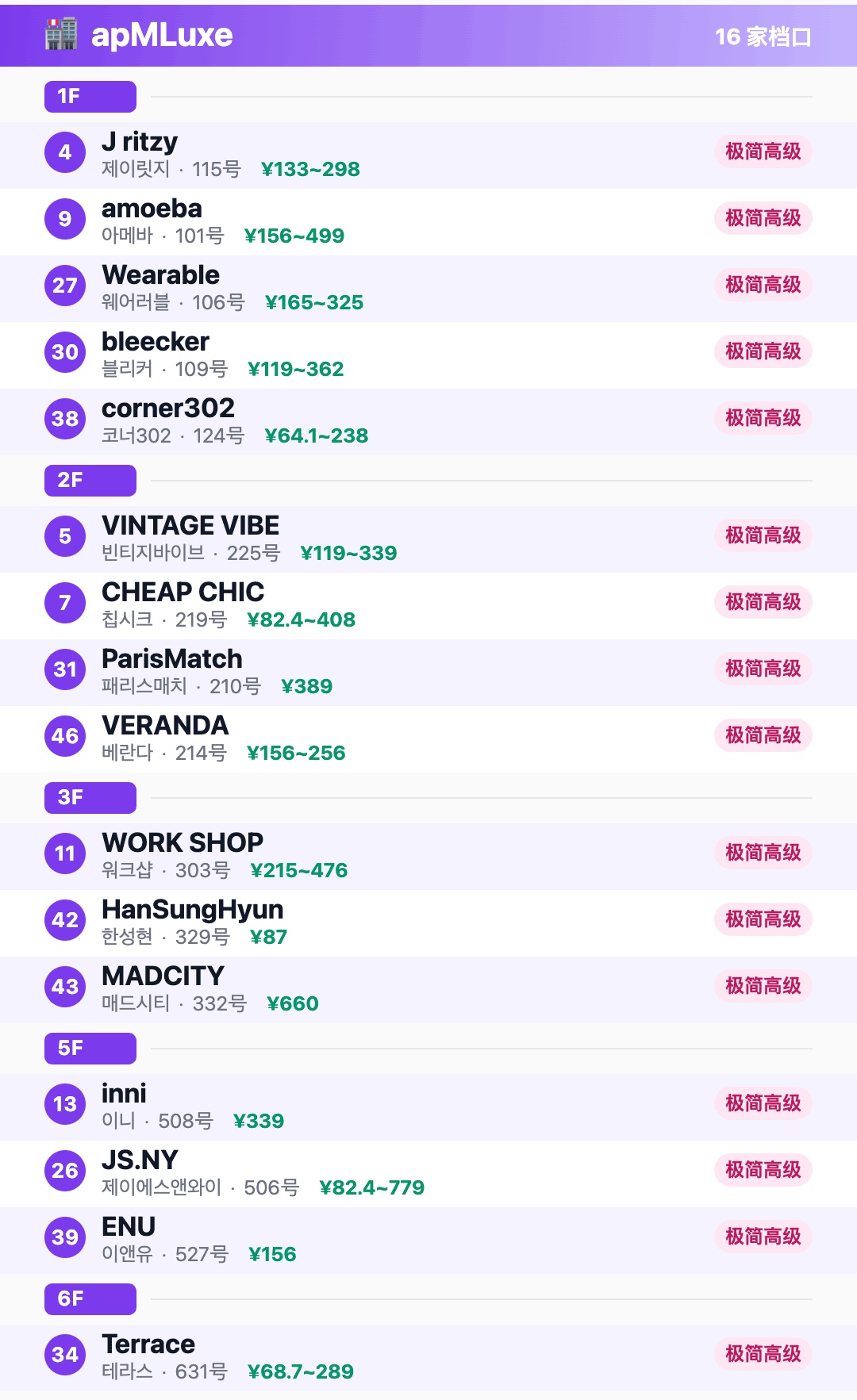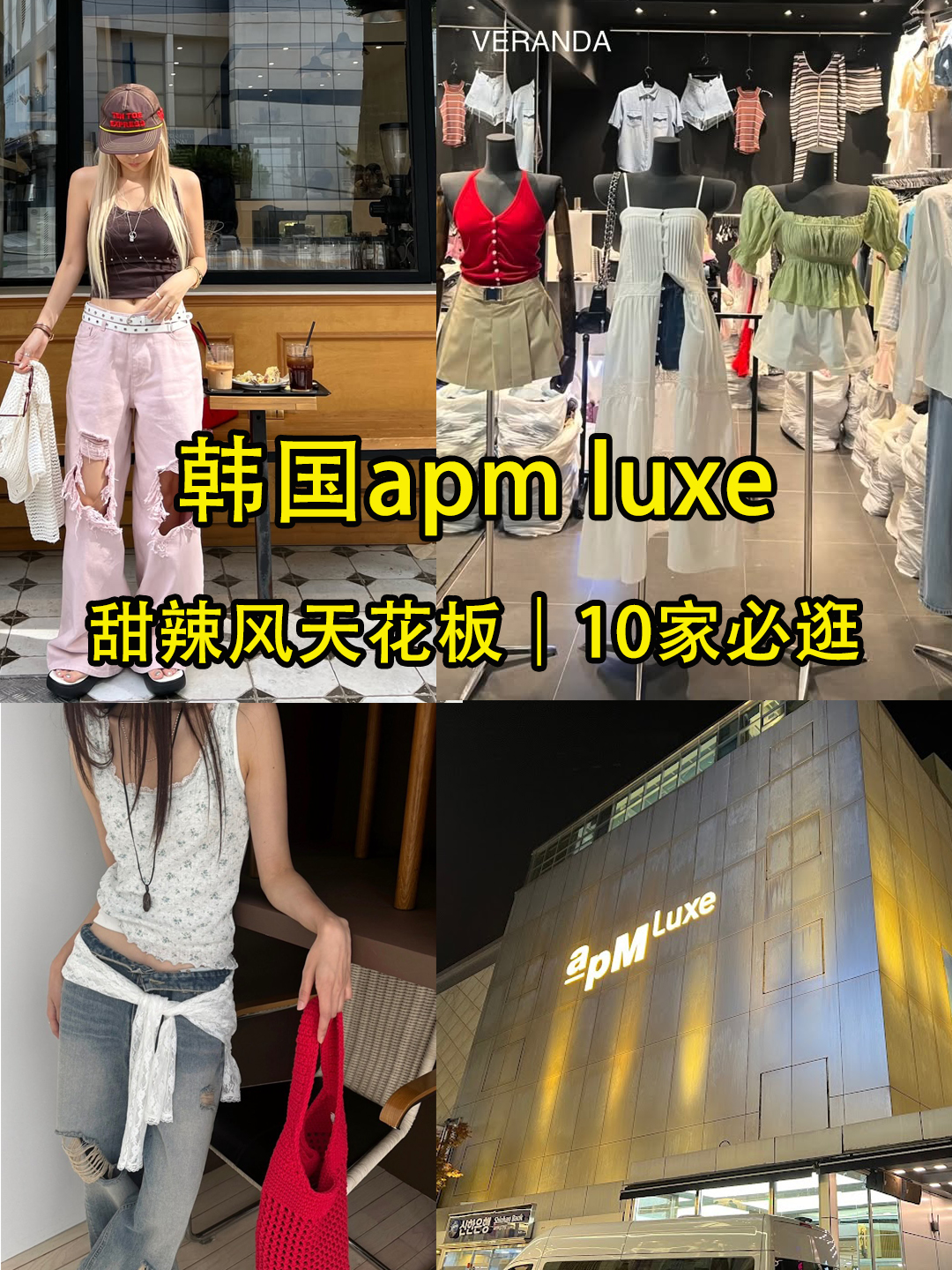

If you are an overseas boutique owner or buyer sourcing apparel through Instagram agents or Reddit middlemen, you are losing a massive chunk of your profit margins. Many of these so-called “factory-direct trusted dealers” do not own any production lines. They simply walk around Guangzhou’s clothing markets, take photos of garments, add massive markups, and sell them to you at high-end boutique prices.
Table of Contents
Mastering China Clothing Wholesale: The Real Supply Chain
To stop overpaying and secure the best margins for your business, you need to understand how the Guangzhou apparel supply chain truly operates. Here are the insider secrets the middlemen do not want you to know:
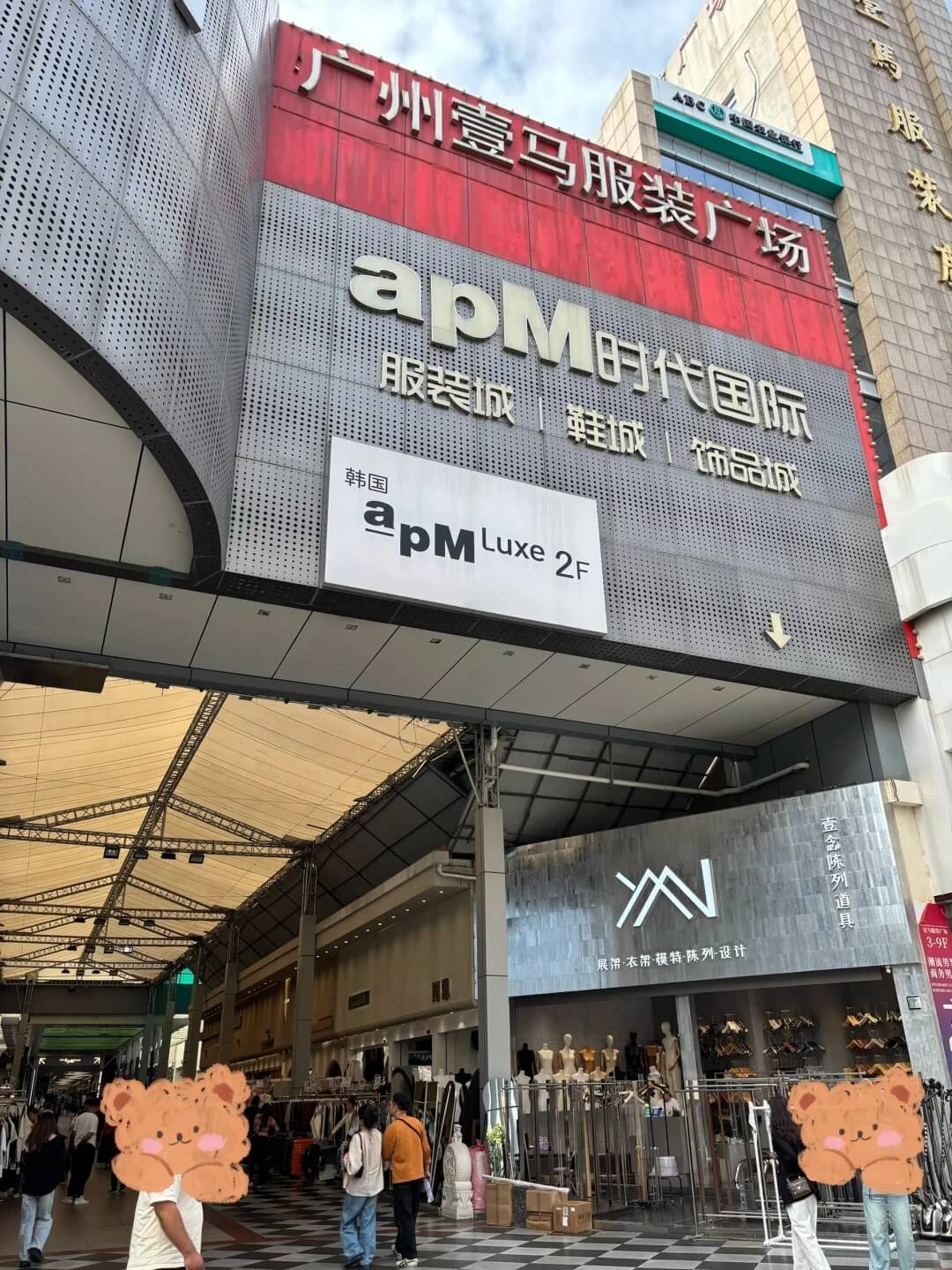
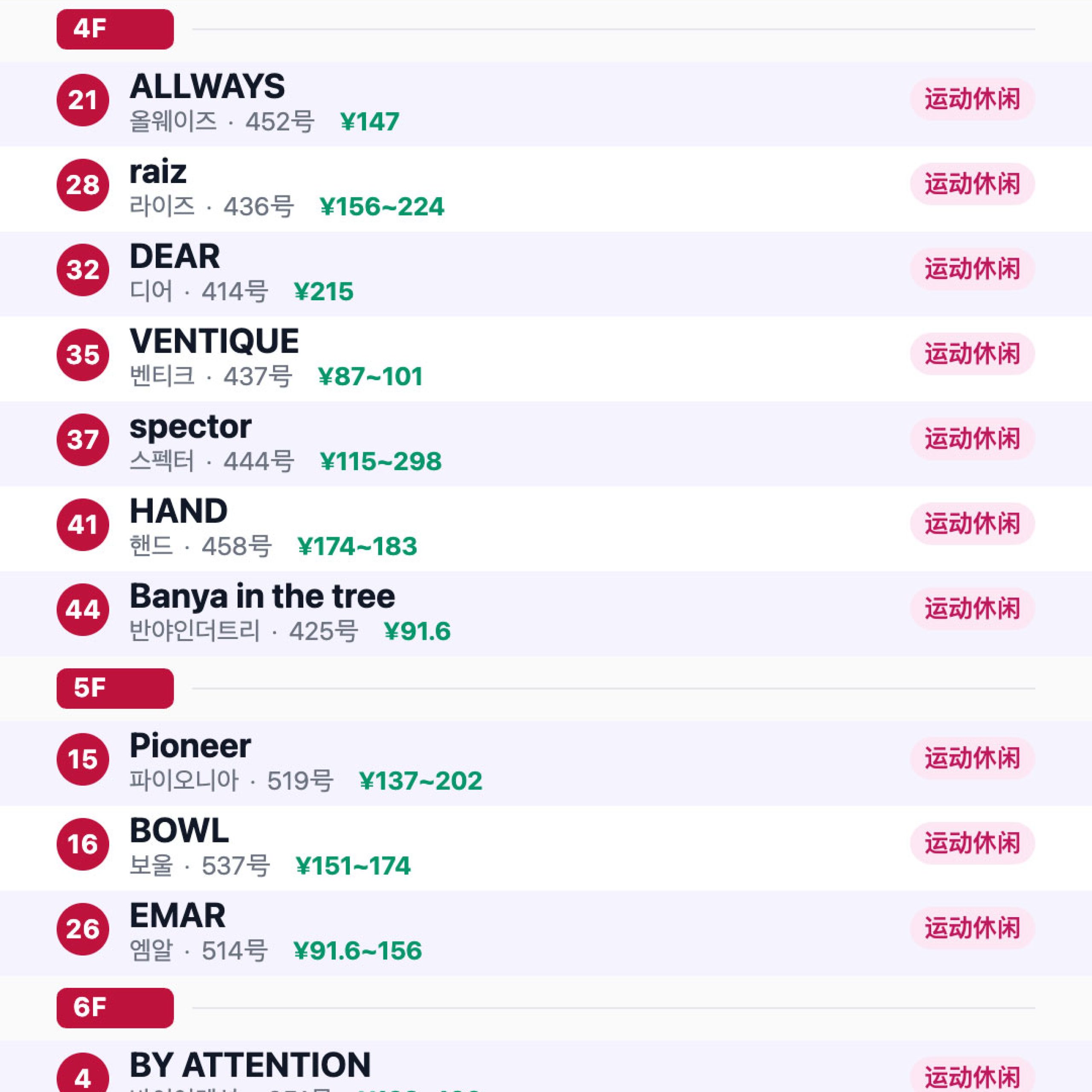
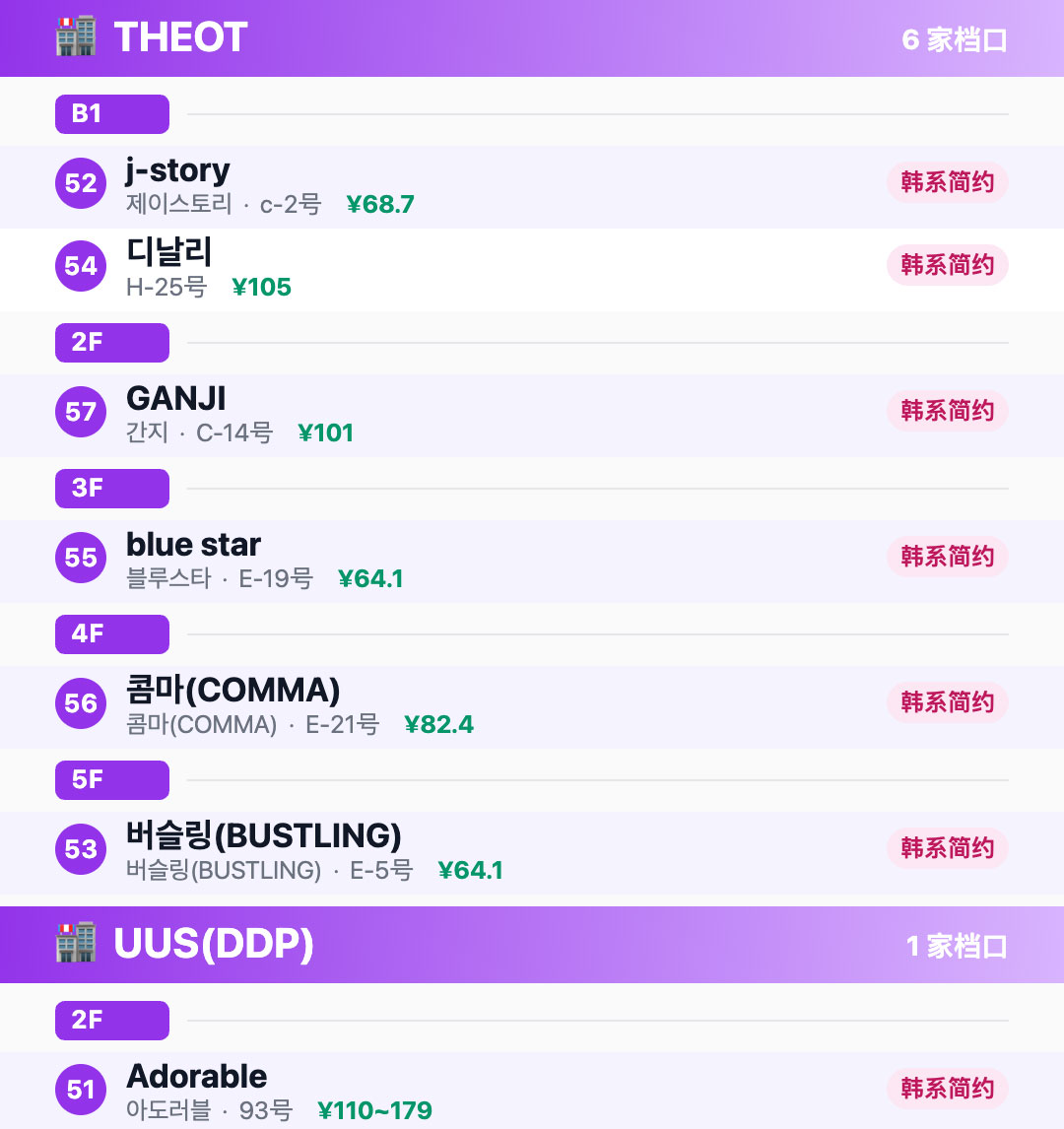
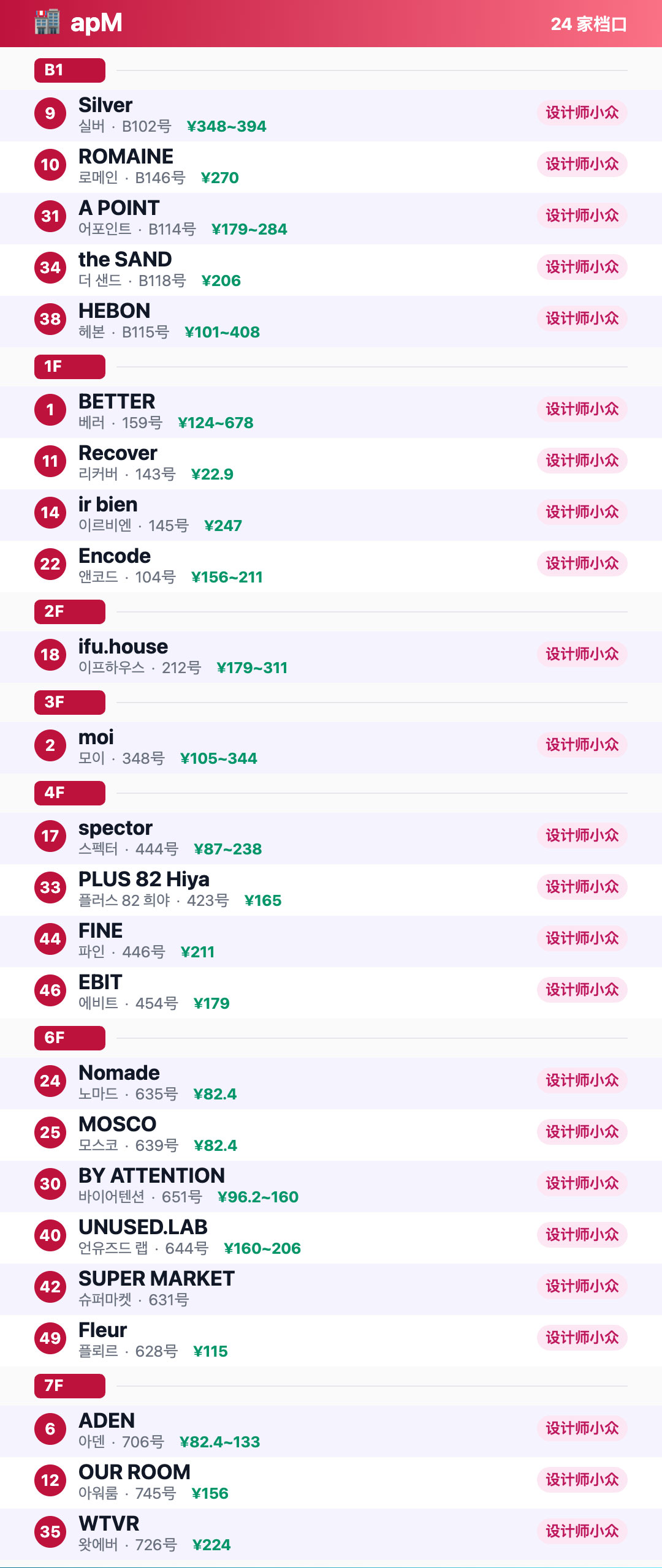
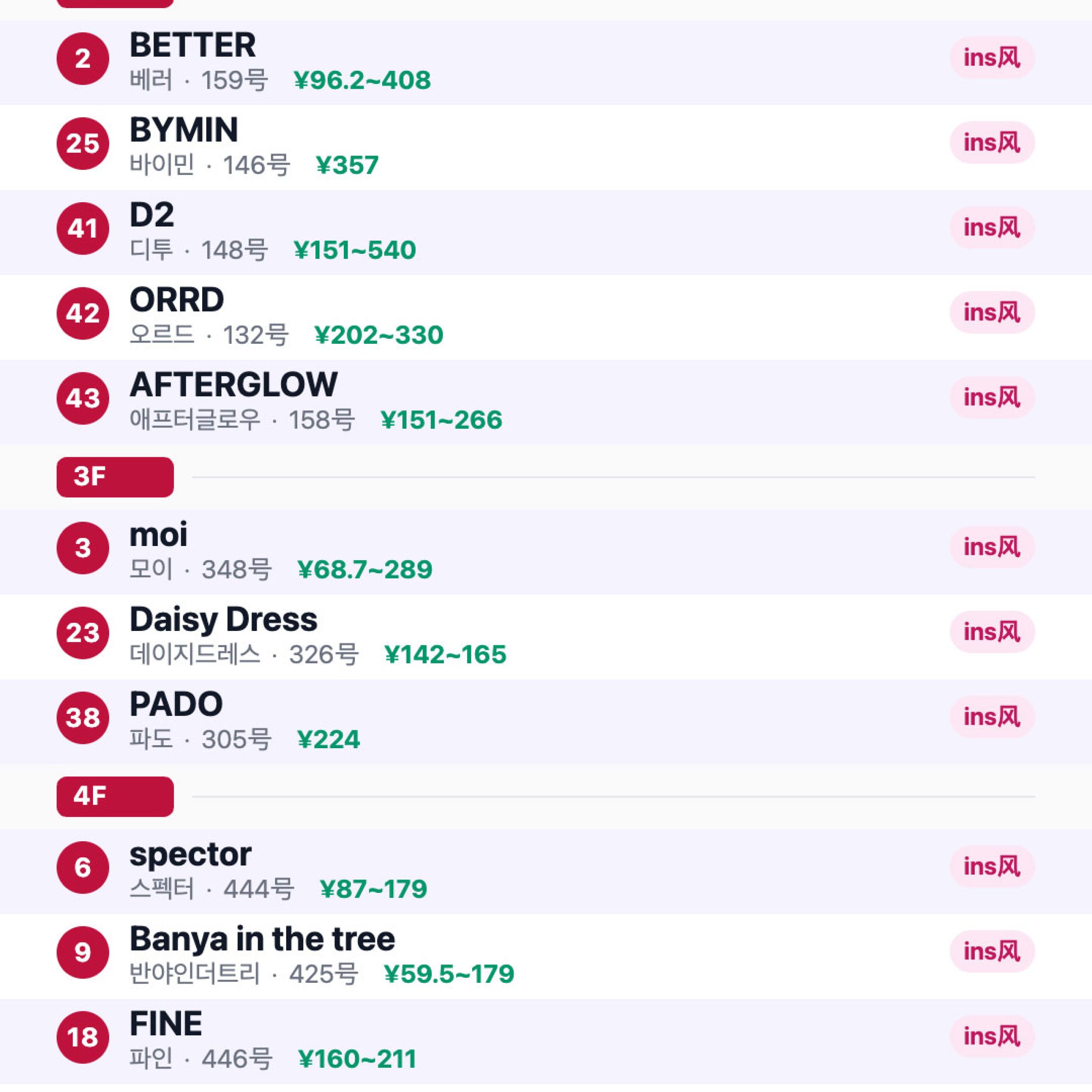
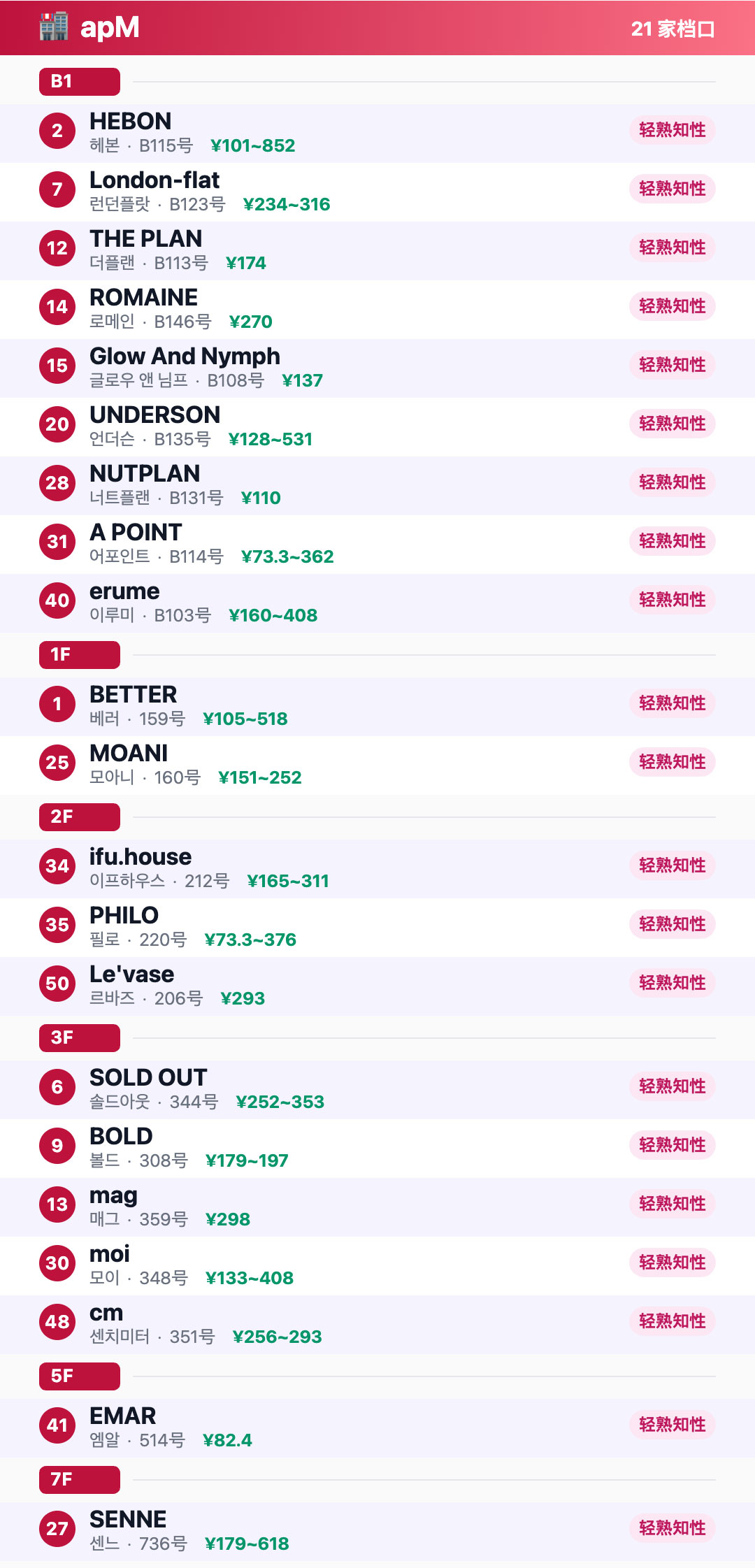
- Tier 1 vs. Tier 2 Markets: Middlemen will not tell you this, but Guangzhou’s supply chain is strictly divided into Tier 1 (一批) and Tier 2 (二批) markets. Tier 2 markets like uus, APM, and Baima allow retail and mixed batches, but their prices are already significantly marked up. For example, retail prices at UUS can be 30% to 50% higher than the actual wholesale price. The true bottom-dollar pricing is found in Tier 1 markets like Shisanhang (New China Building), where retail is prohibited and vendors require a minimum order of 5 to 10 pieces per style.
- The Floor Quality Rule: In the famous Shisanhang New China Building, floors 1 to 3 are flooded with low-end, mass-market items ranging from 30 to 80 RMB. The genuine premium boutique quality, featuring original designs and premium fabrics, is hidden away on floors 7 to 10. These upper-floor vendors are massive distributors, with monthly stall rents reaching up to 180,000 RMB. For high-end brand wholesale requiring orders of 100 to 400 pieces, you must visit floors 11 to 20.
- Niche Factory Hubs: True suppliers specialize in specific niches. If you need mature women’s wear or business attire, the primary source is Baima. For denim and plus-size clothing, the original factory source is Hongbiantian, where the B1 and B2 basements are packed with direct denim factories, and the 5th and 6th floors dominate the large-sized fashion market.
How to Spot a Fake Agent vs. A Real Wholesaler
- Test Their Pricing Terminology: Real wholesalers use specific industry terms like “packing price” (打包价) for true bulk wholesale orders versus “taking price” (拿货价) for retail or sample prices. Fake agents just give you a flat, inflated USD price.
- Check for “Stir-Fried Goods” (炒货): If a seller’s catalog has multiple different brands and drastically different styles mixed together, they are not a direct source. In the industry, this is called “stir-frying”, meaning they act as a secondary middleman sourcing from various other stalls.
The Ultimate Solution: Direct Access
Stop guessing and getting scammed. You do not need to fly to Guangzhou or pay expensive sourcing agents who hide their supplier information to access the source. On guangzhouwholesalemarket.com (GZWM), an English-language directory built specifically for overseas buyers, you can directly access verified contact information for stalls in Guangzhou, Shenzhen, Hangzhou, and Yiwu.
By utilizing our self-service membership, you unlock direct WeChat/WhatsApp contacts to these hidden factory-direct stores, allowing you to verify MOQs, pricing, and stock yourself. If you need a more guided approach, our Diamond Membership offers direct supplier matching, and our Annual Sourcing Service provides at least 5 factory options per request along with quality inspection support. Cut out the trading companies entirely and save 40%+ on every order. Stop paying for an agent’s lifestyle and start sourcing like an insider today!
广州服装档口相关入口
继续查看相关市场和品类入口,方便对比档口微信、货源范围、拿货方向和试单前需要核实的信息。