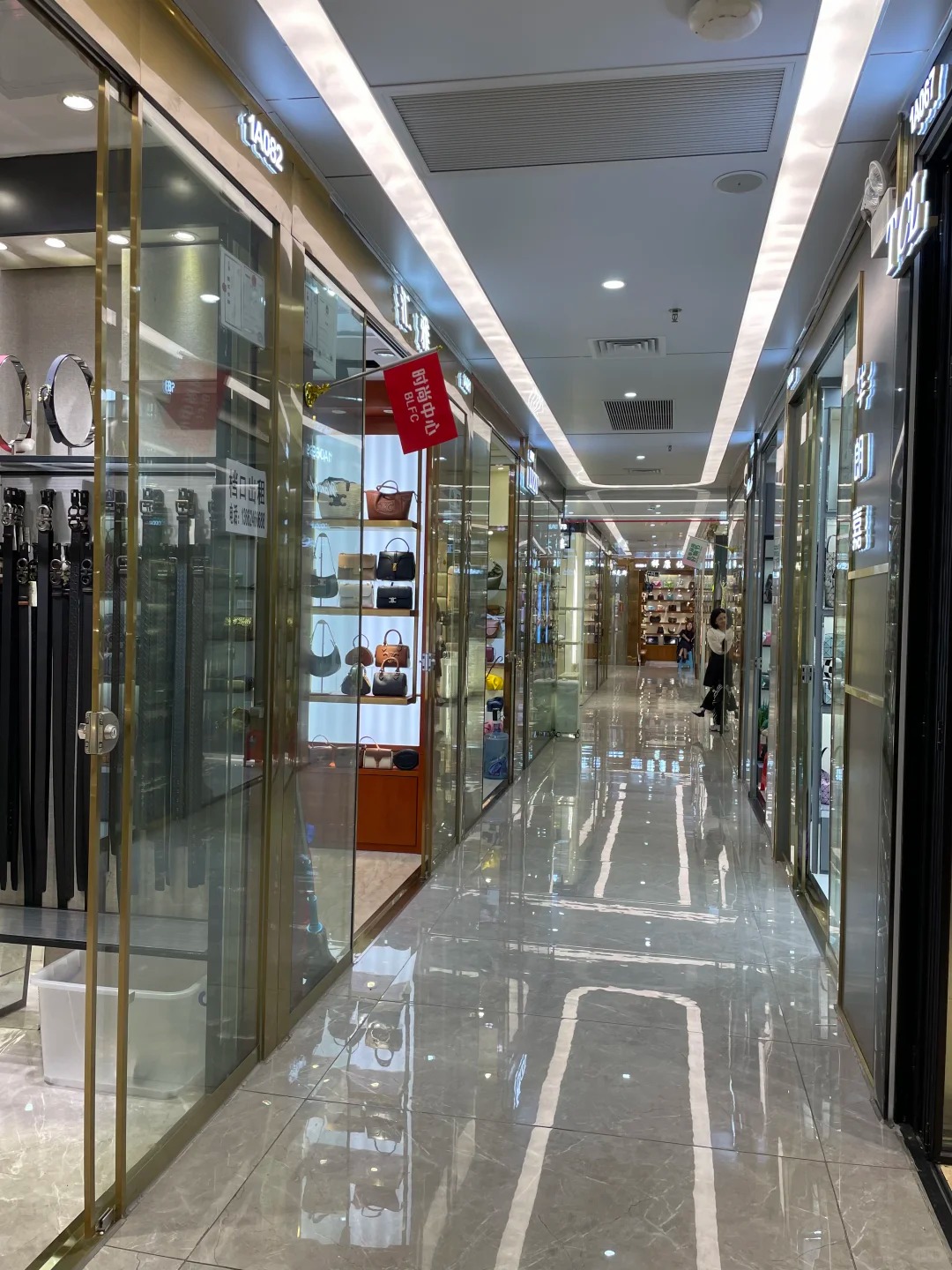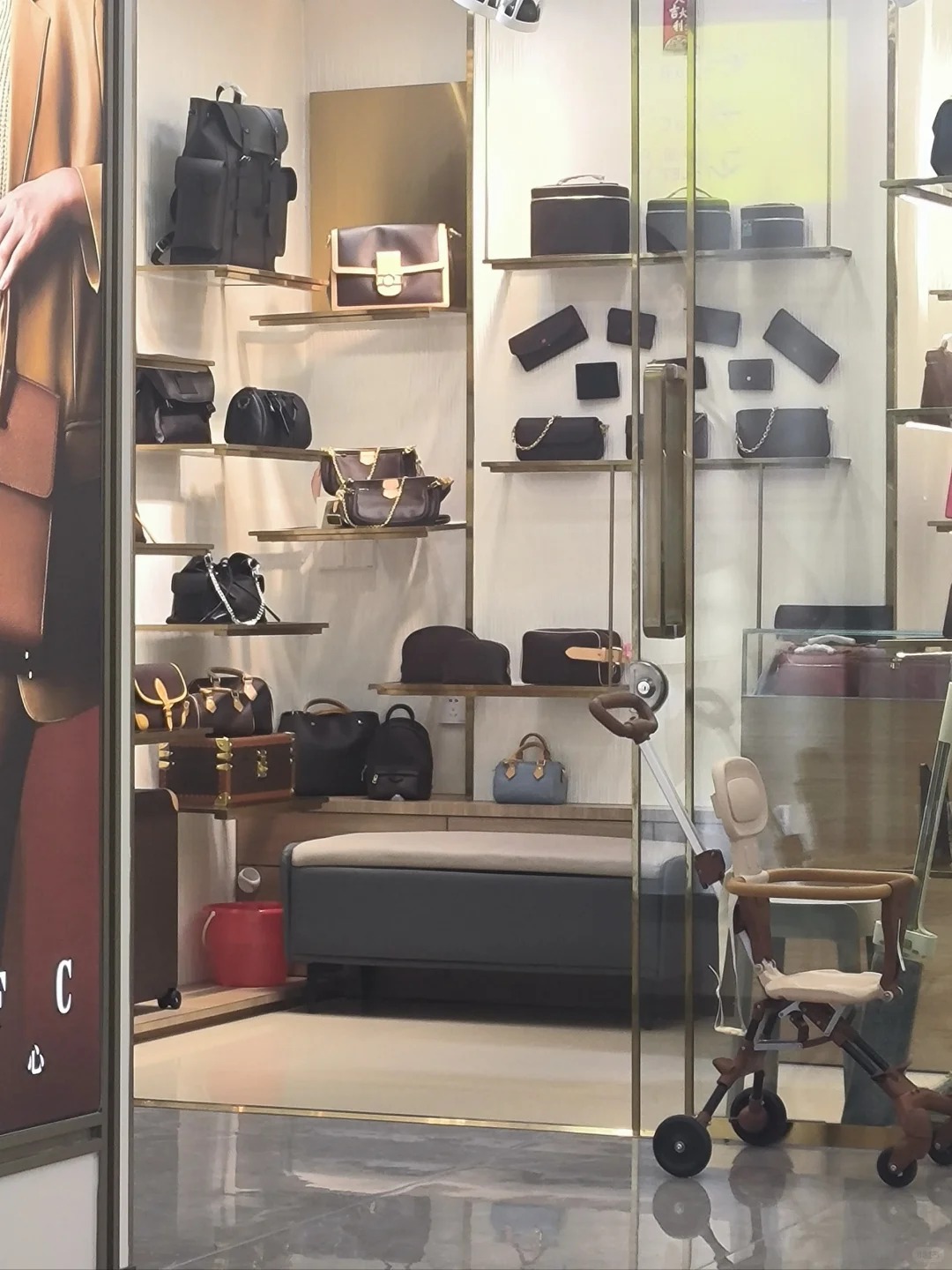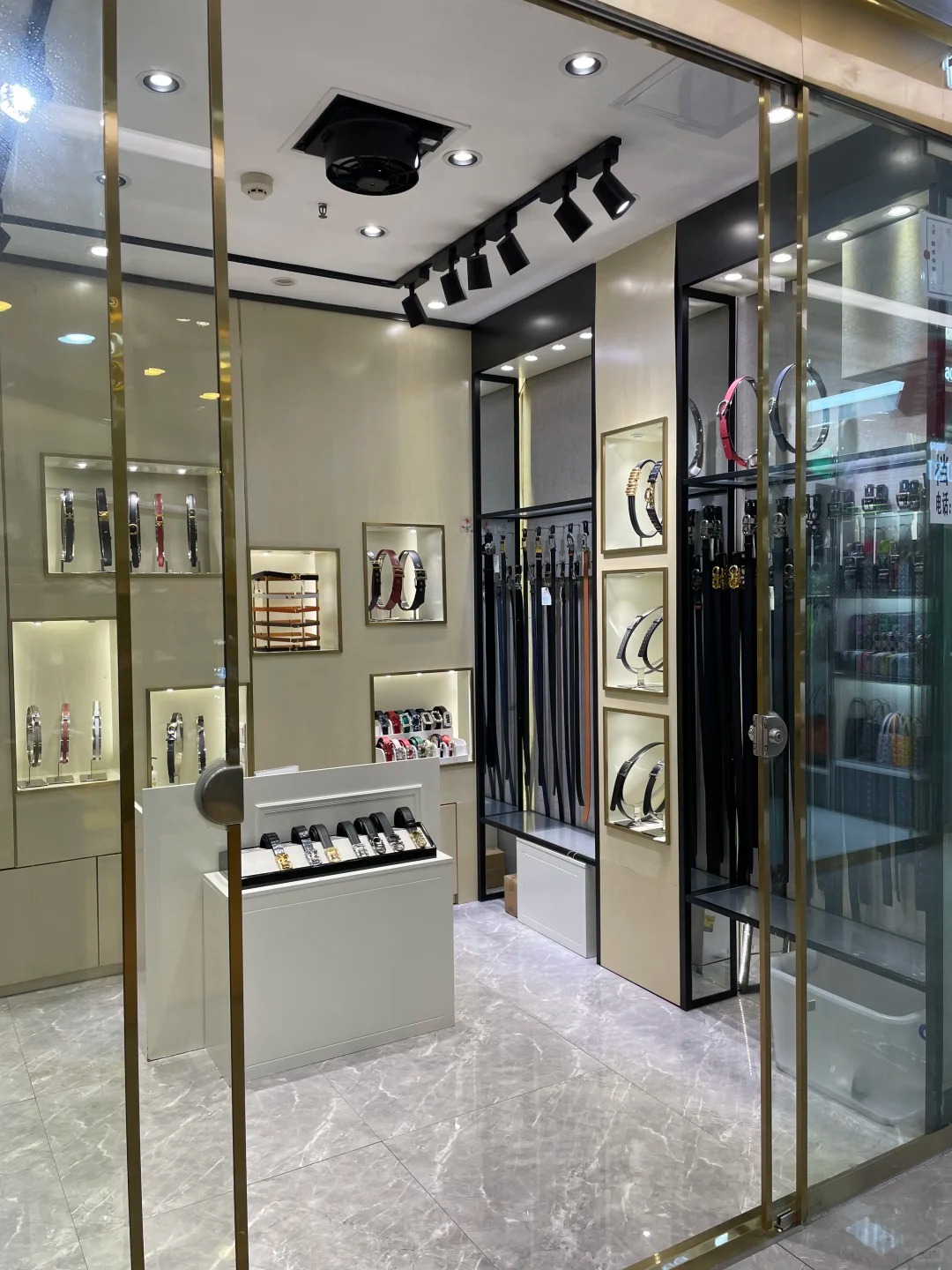
Yes, new China tariffs apply to most shoes and apparel imported into the US. The latest tariff lists (e.g., Section 301 and 232 actions) include thousands of textile and footwear categories. However, there are exclusions and grace periods for certain items, so checking the specific HTS code is critical. For wholesalers sourcing from China, especially those working with market stalls in Guangzhou or Yiwu, understanding these tariffs means rethinking pricing, shipping, and inventory strategies.
Which Shoes and Apparel Are Affected?
Most leather footwear, synthetic shoes, and textile apparel are now subject to additional tariffs—typically 7.5% to 25% on top of standard rates. But here’s the nuance: some athletic shoes and children’s sizes may qualify for exclusions. Always verify with your supplier or customs broker.
How Wholesale Market Stalls Are Adapting
In places like Soudangkou’s sourcing networks, stall owners are adjusting pricing by shifting production to non-tariff-exposed categories or using bonded warehouses. But the smart money is on stock product strategies. One trick: ask for bulk lots of last season’s overruns—these often bypass tariff triggers because they’re declared as samples or old inventory. Another: focus on garment finishing—a 100% cotton jacket with hand-sewn buttons and reinforced stitching still sells, even with tariffs. The markups are lower, but the perceived value beats tariff-hit fast fashion.
Fabric & Workmanship as Tariff Hedges
Wholesalers at Soudangkou emphasize that fabric texture and stitching quality justify higher retail prices, absorbing tariff costs without losing margins. Wool blends and high-density weaves resist tariff-induced price sensitivity. And embroidery or unique trims help differentiate from mass-produced tariff-tagged items.
FAQ: Common Questions About New China Tariffs on Shoes and Apparel
| Question | Answer |
|---|---|
| Do tariffs apply to all shoes from China? | No—some athletic footwear and children’s sizes are currently excluded. |
| Can I get tariff refunds on returned goods? | Generally no; only if goods are never entered into US commerce. |
| How can I avoid paying tariffs on apparel? | Use bonded warehousing, or source from duty-exempt categories like cashmere knitwear. |
| What about handmade or vintage styles? | Handmade declarations are scrutinized—authenticity documentation is required. |
| Do tariffs apply to samples or low-value shipments? | Under $800 de minimis shipments are still largely exempt, but that’s under review. |
| Will tariffs increase if I buy from a market stall vs. a factory? | No—tariffs are based on product origin, not supplier type. |
Your Next Move: Source Smarter
Start by physically inspecting goods at wholesale markets. Check the feel of the fabric—heavy-weight cottons and poly-linen blends hold value. Look for tight, even stitching, especially on seams and zippers. If you see a product with loose threads or irregular weaving, walk away—tariffs only amplify quality issues. Ask the stall owner for the exact HTS code before negotiating. That code determines your final cost.
Strategically, consider offering a mix of tariff-included and excluded items to balance your inventory. For example, stock up on non-tariff kids’ shoes alongside adult leather loafers. And always negotiate pricing in favor of the lower tariff category—some suppliers can adjust the declared composition to reduce duty rates.
广州服装档口相关入口
继续查看相关市场和品类入口,方便对比档口微信、货源范围、拿货方向和试单前需要核实的信息。