
Table of Contents
- The Short Answer: Which Shoe Market Should You Visit?
- 1. Gaodixi Shoes City: Wholesale Only, Trend Incubator
- 2. Dadushi (Metropolis) Shoes City: Pick Your Floor Carefully
- 3. Buyun Tiandi Shoes City: Genuine Leather for Practical Buyers
- 4. apM Times International Fashion City B1: Best for Small Buyers
- The 260-Yuan Lesson: How Not to Overpay
- Frequently Asked Questions
Guangzhou is China’s most complete footwear sourcing hub, but the four shoe markets scattered around the city serve very different buyers. We walked all of them — Gaodixi, Dadushi (Metropolis), Buyun Tiandi, and the shoe zone on level B1 of apM Times International Fashion City — and this guide tells you exactly what each one is good for, what to skip, and how to avoid the pricing traps that catch first-time buyers.
The Short Answer: Which Shoe Market Should You Visit?
| Market | Wholesale or Retail | Best For | Honest Verdict |
|---|---|---|---|
| Gaodixi Shoes City | Wholesale only (3 pairs per style minimum) | Trend-driven small wholesale | Trend incubator, but zero retail service |
| Dadushi (Metropolis) Shoes City | Both; some stalls sell single pairs | Mid-range women’s shoes | Worth it only if you shop Floor 1 |
| Buyun Tiandi Shoes City | Both; Floor 2 welcomes retail | Genuine leather, business styles | Solid quality, boring styles |
| apM Times Fashion City B1 | Both; retail and mixed batches welcome | Trendy styles, small buyers | The easiest, most pleasant option |
1. Gaodixi Shoes City: Wholesale Only, Trend Incubator
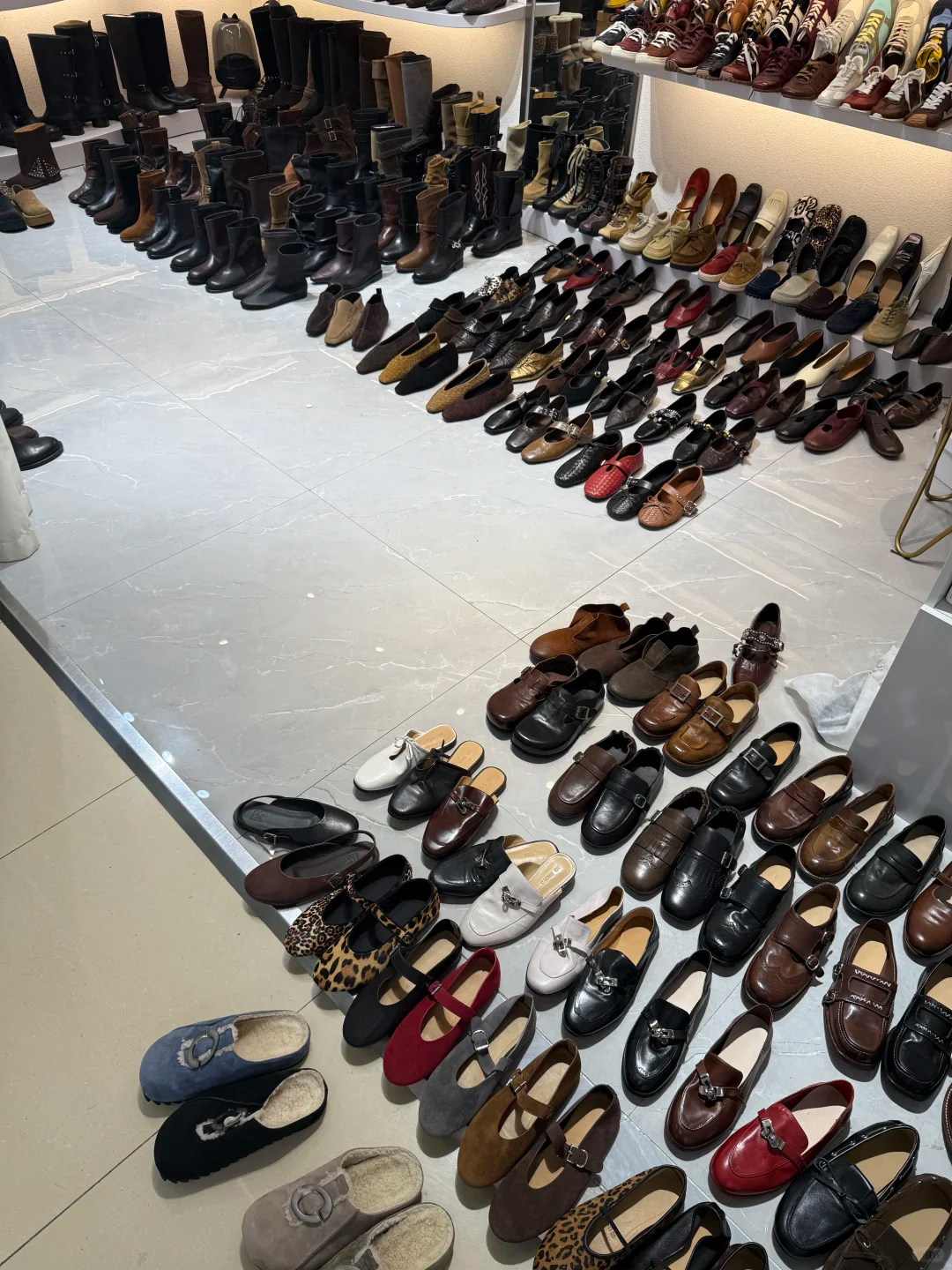
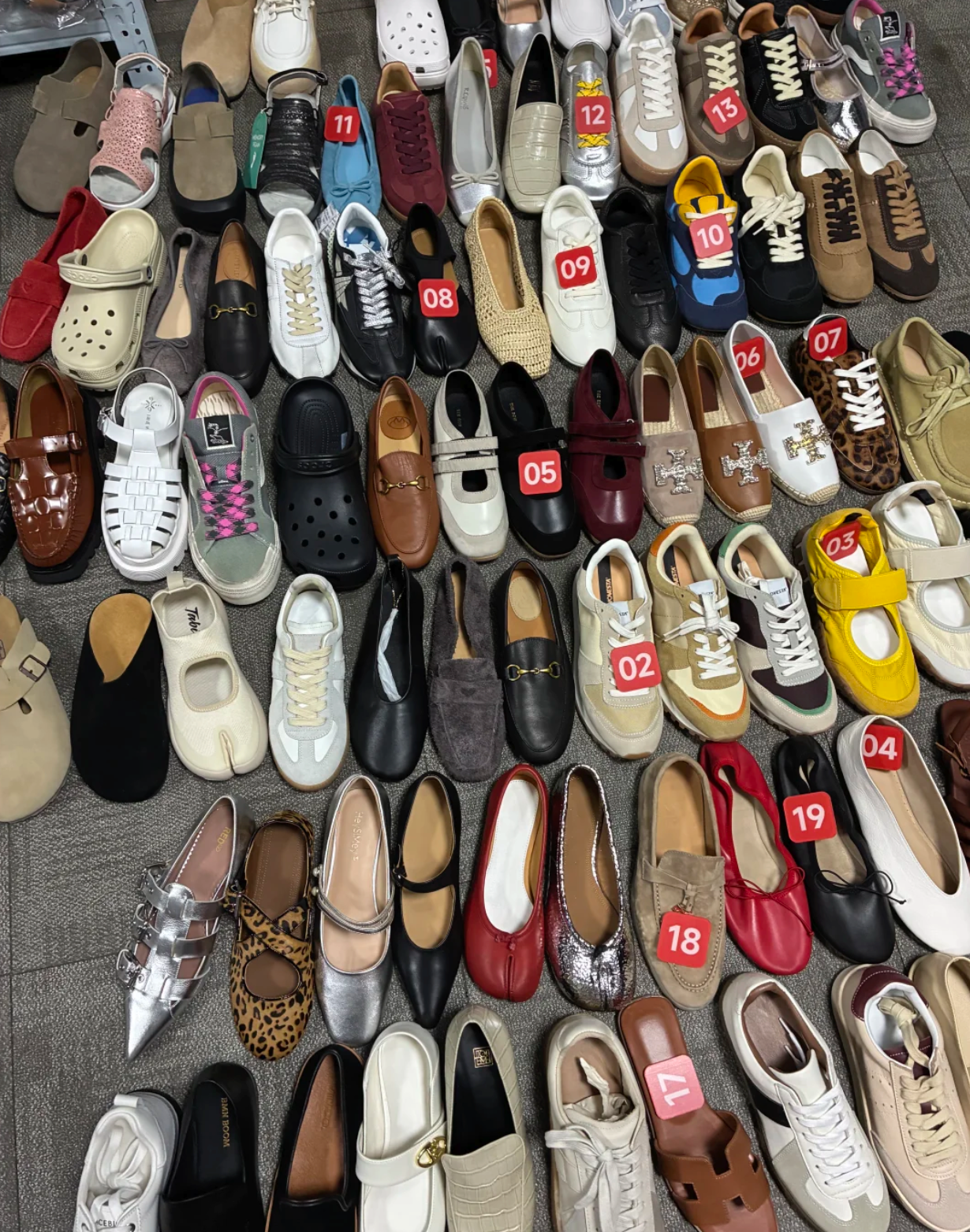
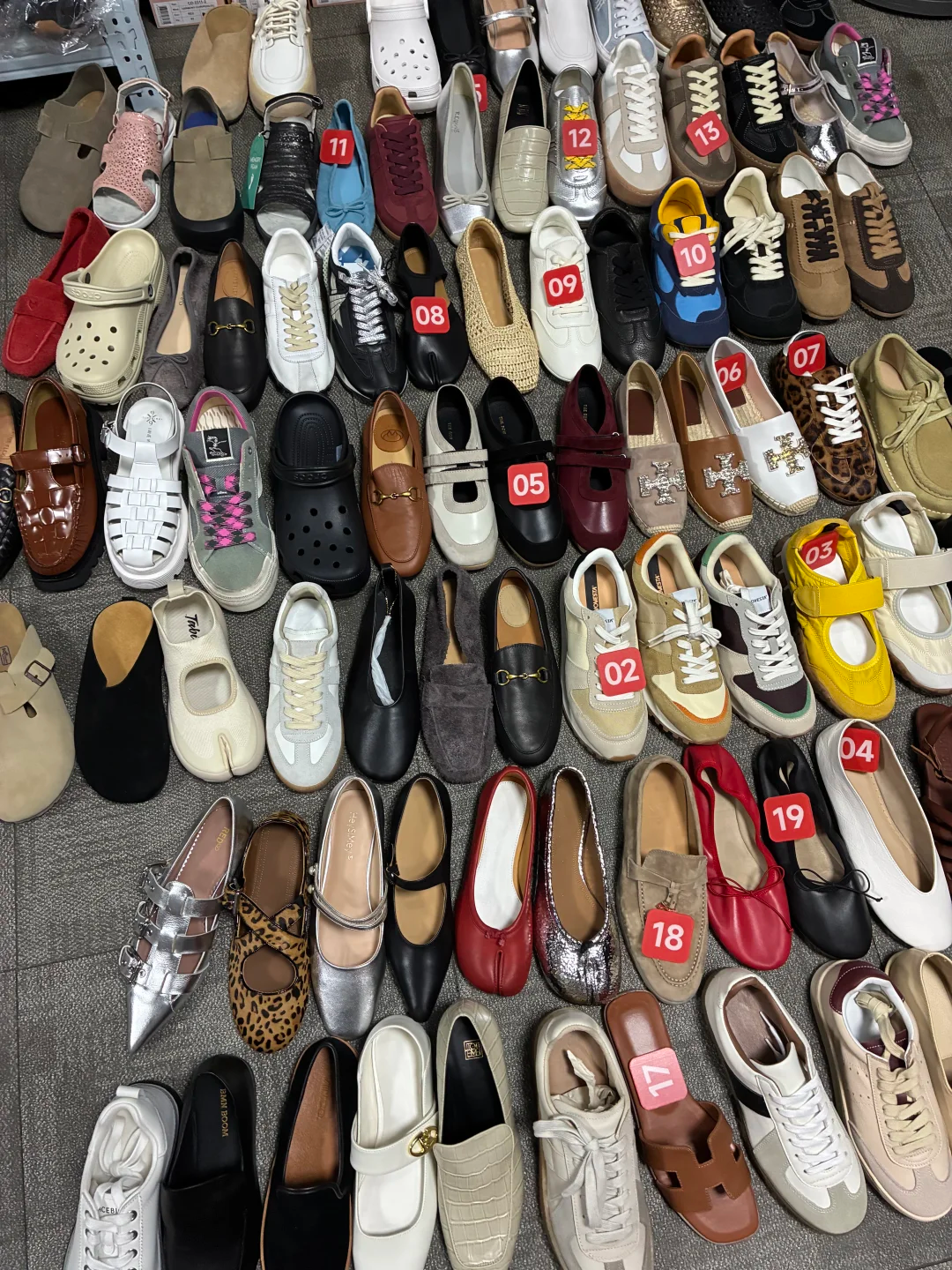
Gaodixi is where viral shoe styles are born. The stalls are packed tight, new designs rotate extremely fast, and many of the “internet-famous” styles you see on social media start here before they spread to every other market in the city.
The rules, however, are strict: this is a pure wholesale market. Stalls generally will not sell to retail shoppers, and the typical minimum is 3 pairs per style. That low minimum is actually good news for small overseas buyers — you can build a mixed assortment without committing to hundreds of pairs. If you are a solo tourist hoping to buy one pair, do not make the trip; you will leave empty-handed.
One practical detail most guides skip: stalls here do not provide shopping bags. Traders buy, stack the shoe boxes, and carry on. Plan your logistics accordingly — most serious buyers arrange direct shipping from the market rather than carrying stock around the city.
Bottom line: For sourcing trendy women’s and casual styles in small wholesale volumes, Gaodixi is the sharpest market in Guangzhou. Go with a clear buying plan, and consider teaming up with other buyers to split style minimums.
2. Dadushi (Metropolis) Shoes City: Pick Your Floor Carefully
Dadushi sits right at a metro exit, which makes it the most convenient of the four to reach. It focuses on mid-to-high-end women’s shoes, and — unusually for a wholesale building — a number of stalls here accept retail buyers and even single-pair purchases.
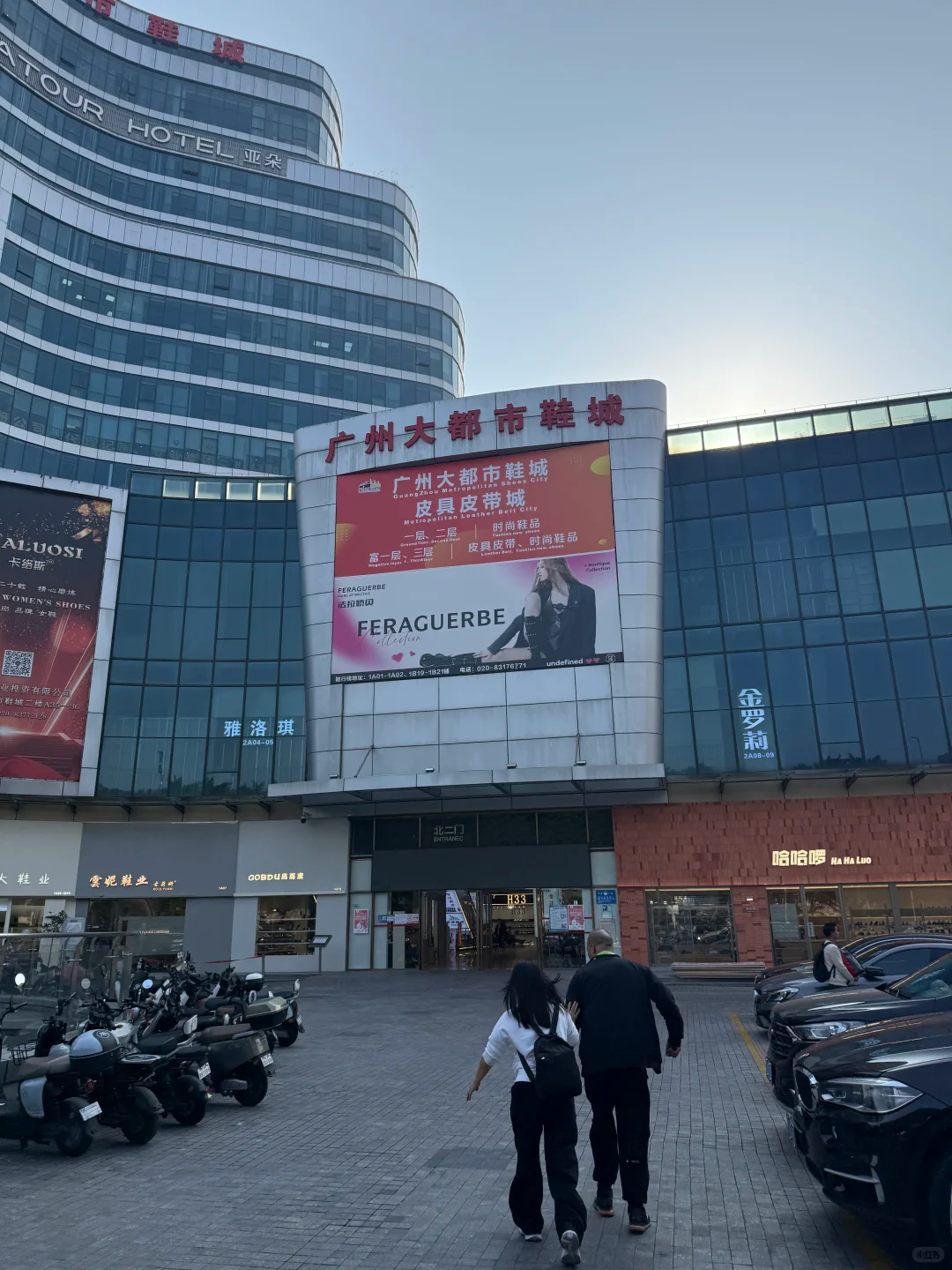
The catch is that quality varies dramatically by floor:
- Floor 1 is the value sweet spot. Small leather shoes and casual styles dominate, mostly in grid-style stalls with everyday, easy-to-sell designs. This is the only floor we recommend without reservation.
- Floor 2 drops noticeably in quality. Materials and cut feel cheaper across most stalls.
- Floor 3 is almost entirely sports series with very limited selection. Skip it unless you specifically need that niche.
The golden rule at Dadushi is to compare aggressively. During our visit we bought a pair of women’s shoes on Floor 1 for 260 RMB (about $37) — and later found the identical pair on Taobao, shipped from Guangzhou, selling anywhere between 60 and 210 RMB. That single purchase sums up this market: the first price you hear is almost never the real price.
3. Buyun Tiandi Shoes City: Genuine Leather for Practical Buyers
Buyun Tiandi feels more like a proper trade center than a traditional wholesale market: wider aisles, a calmer environment, brand flagship stores, and designer-led stalls. Its focus is genuine leather footwear with a business-casual orientation.
Floor 2 supports retail, and basic leather styles start around 100 RMB (roughly $14) — durable, well-made, and honestly priced for what they are. The trade-off is style: the designs lean conventional, even dated. If you are sourcing for buyers who value wear-resistance and classic looks over fashion, this is your market. If you need trend heat, you will find it boring.
Bottom line: A reliable source of practical leather shoes at sensible prices — just do not expect to find next season’s styles here.
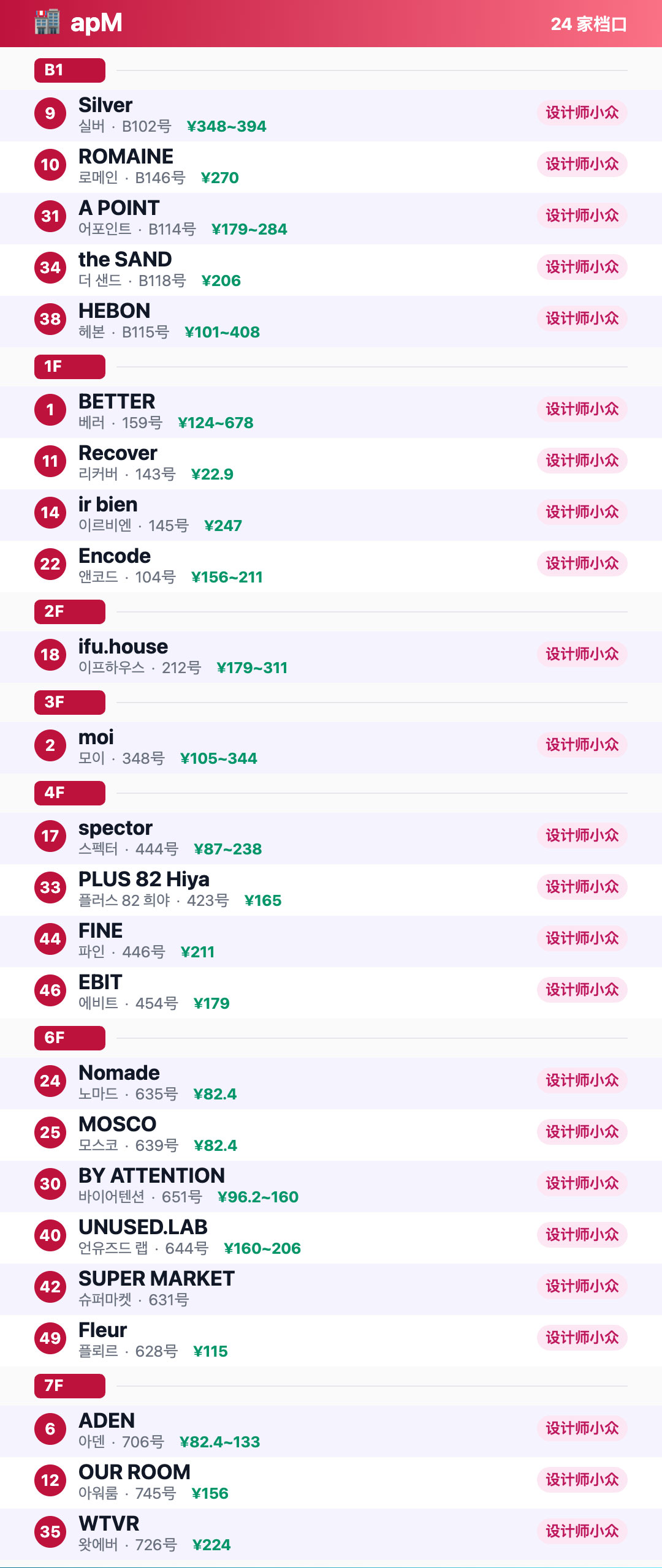
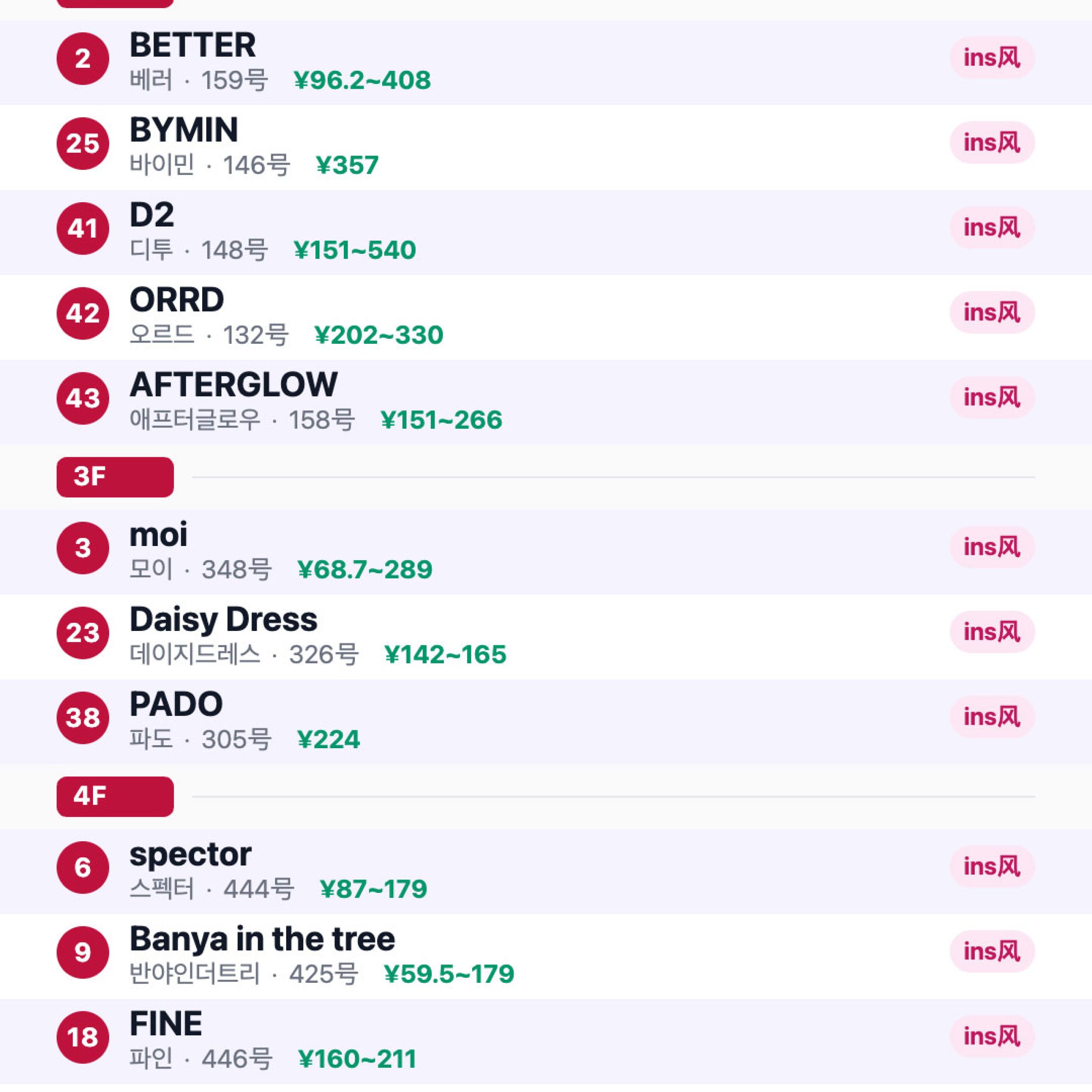
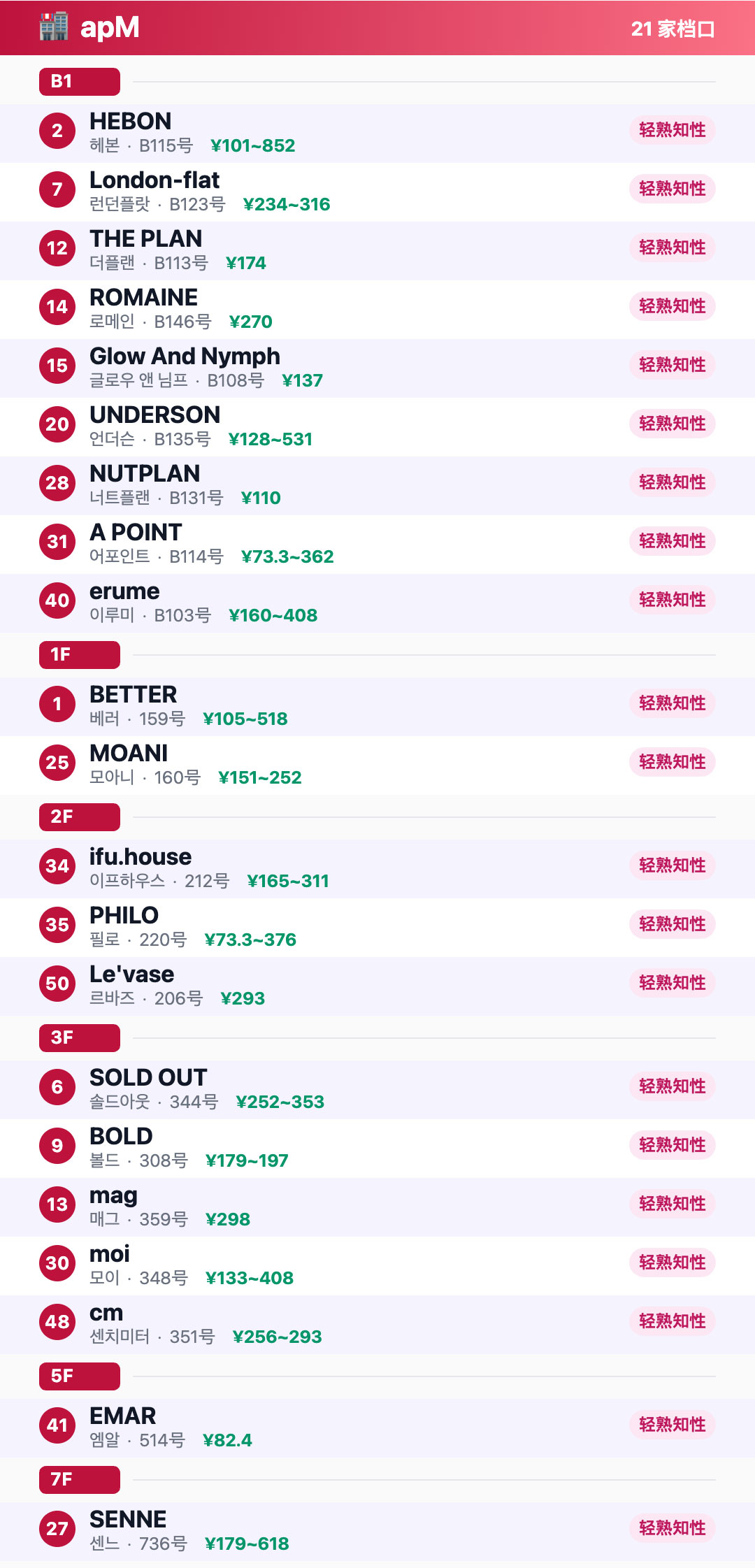
4. apM Times International Fashion City B1: Best for Small Buyers
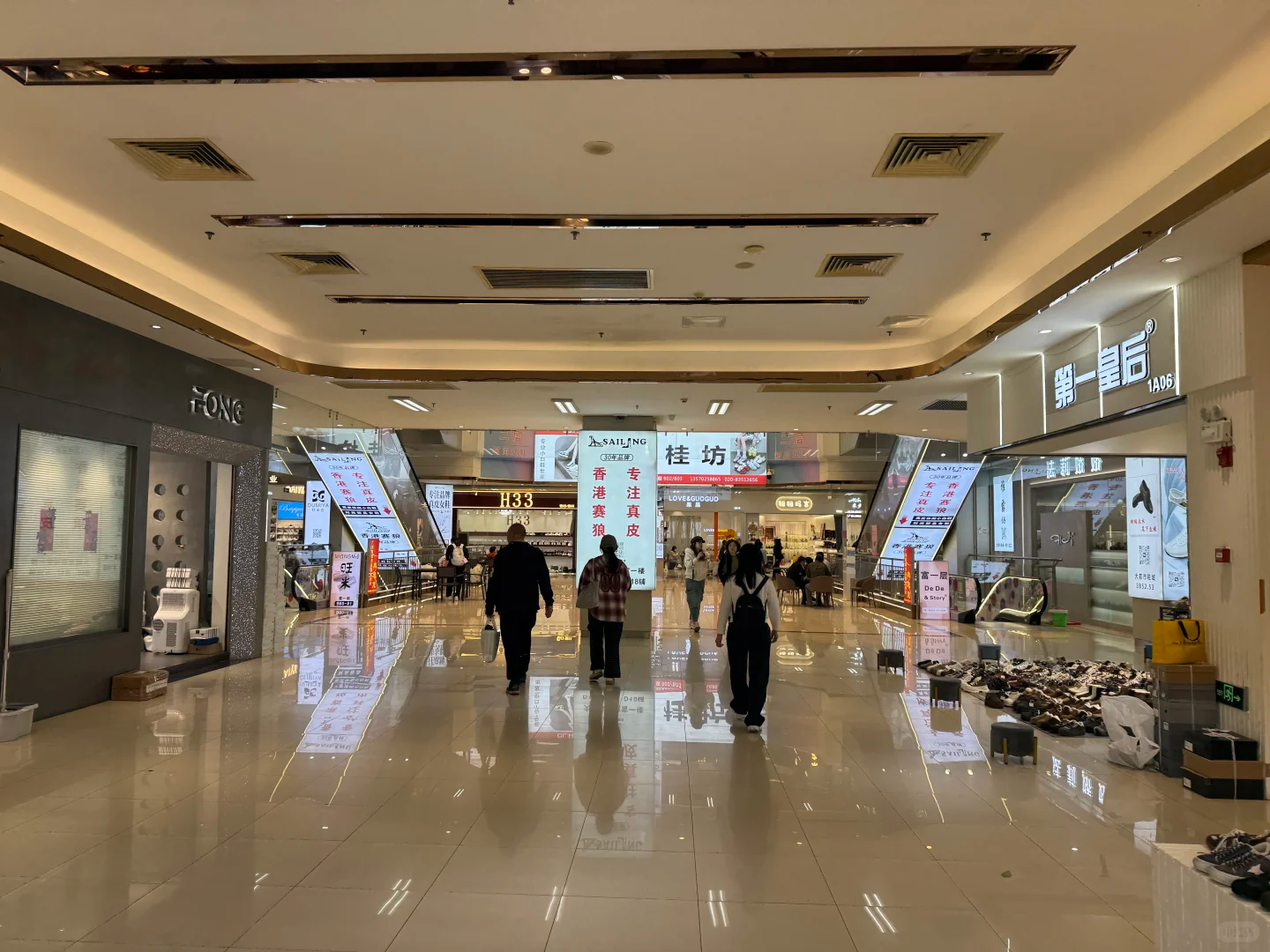
The B1 shoe zone of apM Times International Fashion City is, in our view, the best all-round shoe sourcing experience in Guangzhou right now. The styles track current trends closely: Birkenstock-style clogs, loafers, work boots, chunky dad shoes — with finishing quality that punches well above the typical market level. Most styles sell in the low hundreds of RMB (around 100 RMB and up), and stalls happily accept both retail purchases and mixed small batches.
The environment matters too. Unlike the older wholesale buildings, apM is a modern mall — air conditioning, clear stall layouts, and food and drink options when you need a break. For overseas buyers doing a first scouting trip, this is the lowest-friction introduction to Guangzhou shoe sourcing.
One warning: the signage is genuinely confusing. To find the shoe zone, use the Zhanqian Road entrance and go down one floor, or enter from the entrance opposite Baima and go down two floors. If you follow random signs, you will get lost.
The 260-Yuan Lesson: How Not to Overpay
The single biggest mistake buyers make in Guangzhou shoe markets is accepting the first price. Our own 260-RMB purchase, with the identical item online at 60–210 RMB from the same city, is a textbook case. The same pair can legally differ 3–4x between stalls, and the quoted price is calibrated to what the seller thinks you will accept — not to any fixed cost.
Three habits protect your margin:
- Survey three to five stalls carrying similar styles before discussing price. You are building a price map, not shopping.
- Negotiate calmly and be ready to walk. Walking away is the strongest tool you have; you can almost always come back.
- Check online prices for the same style on 1688 or Taobao before you commit to volume. If a Guangzhou warehouse ships it cheaper, that is your negotiation ceiling.
Frequently Asked Questions
Can I buy shoes from these Guangzhou markets without visiting in person?
Yes. Most established stalls handle remote orders through WeChat, especially at Gaodixi and apM. The challenge is verification — you cannot inspect quality, and you have no leverage on price without on-the-ground comparison. Many overseas buyers use a local contact to check goods before payment.
Which Guangzhou shoe market is best for small wholesale orders?
For trend-driven styles with low minimums, Gaodixi (3 pairs per style) and the apM B1 shoe zone (mixed batches accepted) are the two best options. Buyun Tiandi suits small orders of classic leather styles.
Are the shoes in these markets good quality?
Quality is a spectrum, not a property of the market. The same building can hold 60-RMB disposable styles and 400-RMB export-grade leather shoes. Judge individual stalls, inspect stitching and materials in hand, and always order samples before committing to volume.
How do I find reliable shoe vendor contacts in Guangzhou?
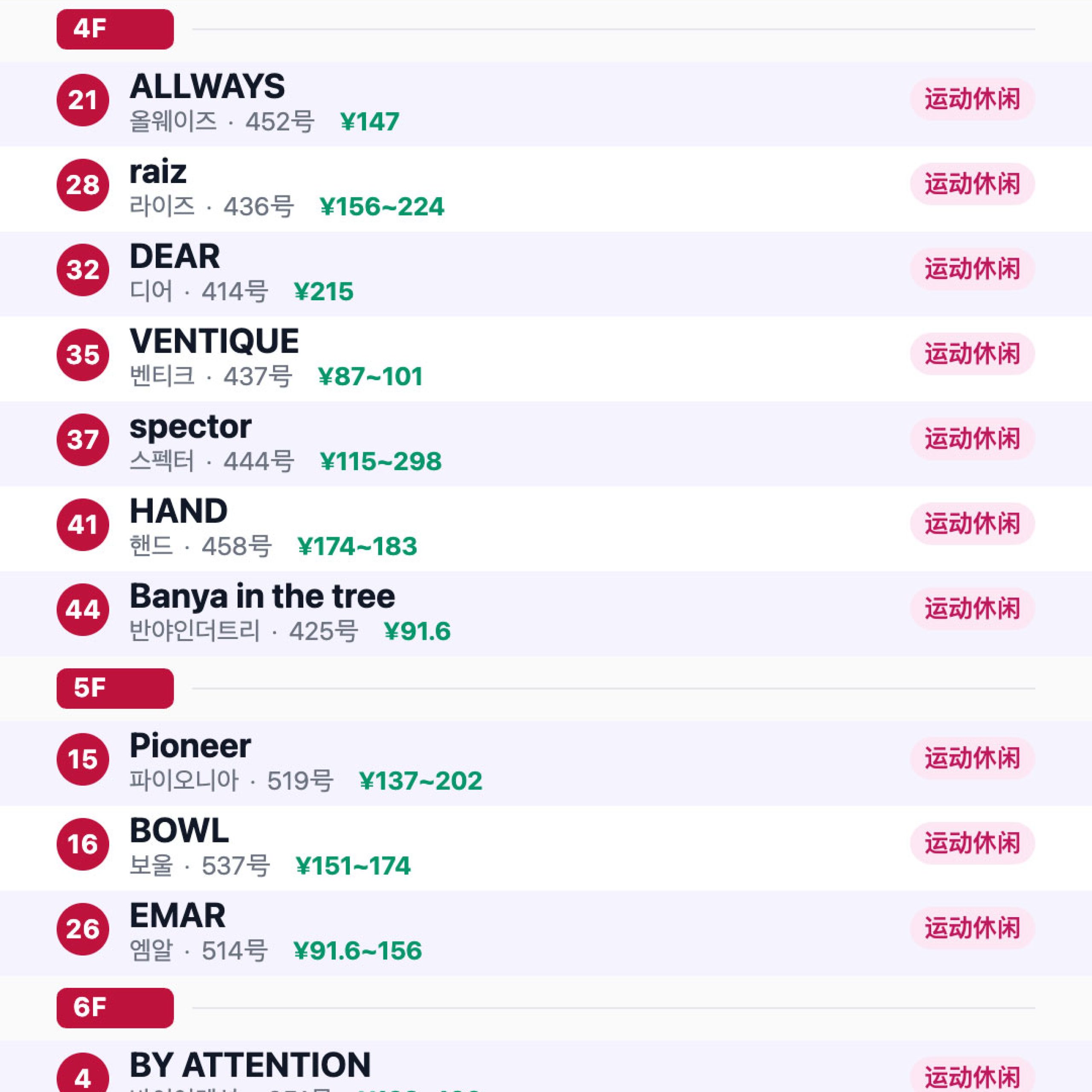
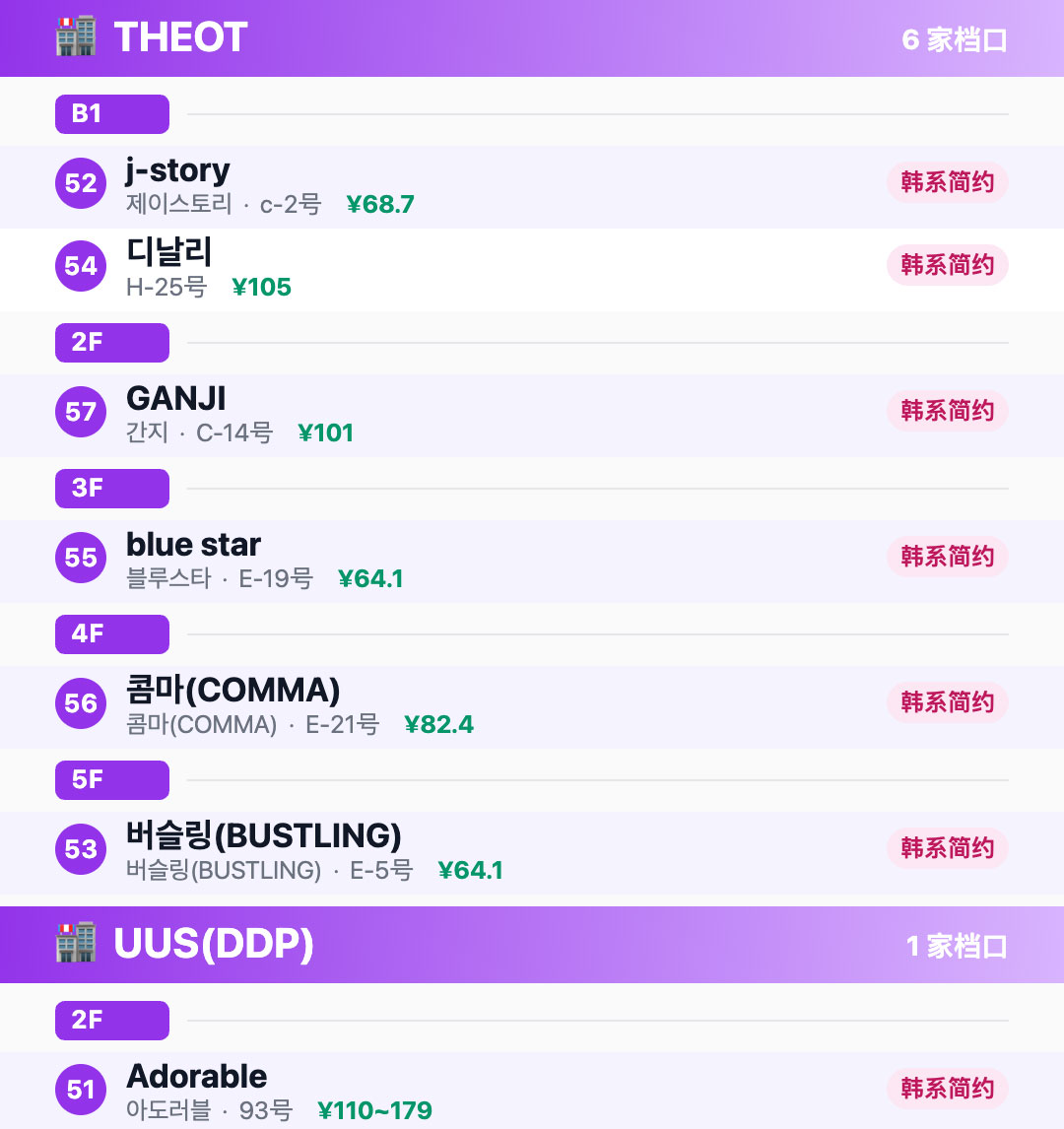
You can browse verified vendor listings and contact details for Guangzhou shoe markets on https://www.soudangkou.com/, a directory built specifically for buyers sourcing from China’s wholesale markets without flying in.
What payment methods do the stalls accept?
WeChat Pay and Alipay dominate. Cash is accepted at some traditional stalls but is increasingly uncommon. International buyers typically pay through a local agent or transfer service.
Related Reading
广州服装档口相关入口
继续查看相关市场和品类入口,方便对比档口微信、货源范围、拿货方向和试单前需要核实的信息。