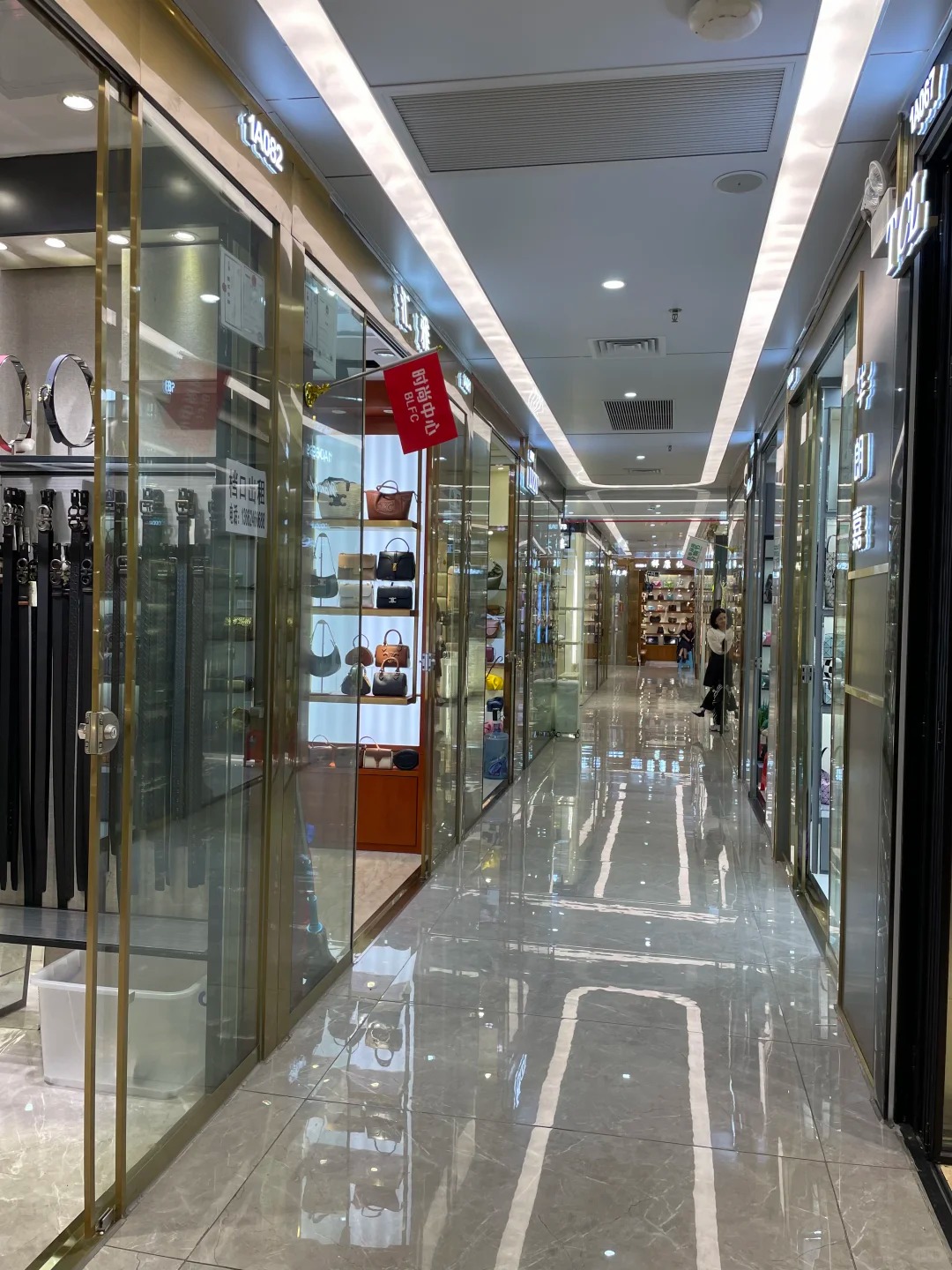

If you’re asking whether Latin shoes from China are good or bad, here’s the straight answer: they range from terrible to excellent, and the difference is 100% down to where and how you source. The worst are ultrafast fashion knockoffs that fall apart after a few practices; the best are genuine factory-direct dance shoes that match top brands in craftsmanship. The secret is knowing how to spot quality in a busy wholesale market—and that’s exactly what this guide covers.
Why Latin Shoes from China Get a Bad Rap (and Why That’s Changing)
Bad experiences usually come from cheap online listings or counterfeit-branded shoes from third-party sellers. These may look shiny but have flimsy soles, poor leather, and wrong heel placement—nightmare for dancers. But China has been the world’s largest shoe producer for decades, and its best factories—especially in Guangzhou, Wenzhou, and Chengdu—now make Latin shoes that rival Italian or Spanish brands. The trick is accessing those factories or their first-hand wholesale stalls.
Material & Craftsmanship: What to Check at the Stall
When you’re at a place like Soudangkou (a well-known wholesale market hub), you can evaluate quality in 60 seconds:
- Satin & Leather: Real satin should have a tight weave; cheap satin frays. Leather uppers should feel supple but firm—not plasticky.
- Stitching: Turn the shoe inside out. Look for even, tight stitches. Loose threads or uneven lines mean poor construction.
- Heel & Sole: Heel must be solidly attached—no wobble. The suede sole should be thick and bonded firmly; thin soles crack quickly.
- Insole Padding: Press down. Good shoes have memory foam or cushioned arch support. Bad ones are just a flat layer.
How to Source Top-Quality Latin Shoes from Wholesale Stalls
Instead of gambling online, go directly to wholesale markets where you can touch, test, and negotiate. Here’s the insider approach:
- Visit markets in Guangzhou (like Soudangkou) known for dance shoes. Walk the aisles—don’t judge by signage alone.
- Ask to see the same model in different grades. Many stalls offer A-grade (for export) and B-grade (for domestic). Always ask “Is this first-quality?”
- Check stock availability. A good stall has inventory for immediate pickup—no waiting for production.
- Negotiate by quantity, not by item. Buying 12 pairs of a style gets a better price than 2 pairs each of 6 styles.
- Demand a sample or test pair before bulk order—even if it costs a little extra.
FAQ: Common Questions About Latin Shoes from China
| Question | Answer |
|---|---|
| Are Chinese Latin shoes durable? | Yes, if sourced from reputable wholesale stalls—expect 6-12 months of regular use. |
| How do they compare to name brands? | Quality-wise, top-tier Chinese shoes match brands like Supadance or Capezio but at 30-50% lower cost. |
| What’s the best price for wholesale? | For good quality, expect $20-$35 per pair (USD) at wholesale, depending on materials and design. |
| Can I get custom sizes? | Yes, many factories offer half sizes and width options—just ask at the stall. |
| Is it safe to buy from Chinese markets? | Absolutely, if you stick to established wholesale centers like Soudangkou and physically inspect goods. |
| Do they ship internationally? | Most stalls ship worldwide, but always confirm shipping cost and timeline before paying. |
| What’s the biggest red flag? | A seller who can’t show you a stockroom or refuses to let you examine shoes closely. |
Final Verdict: Good or Bad?
Latin shoes from China are excellent when you buy from genuine wholesale stalls that produce for export. The bad reputation comes from low-end online garbage, not the country’s capacity. By focusing on material, construction, and market relationships—starting with a visit to Soudangkou—you can source dance shoes that perform brilliantly for a fraction of the brand price. Remember: inspect first, buy later, and always ask for grade A only.
广州服装档口相关入口
继续查看相关市场和品类入口,方便对比档口微信、货源范围、拿货方向和试单前需要核实的信息。