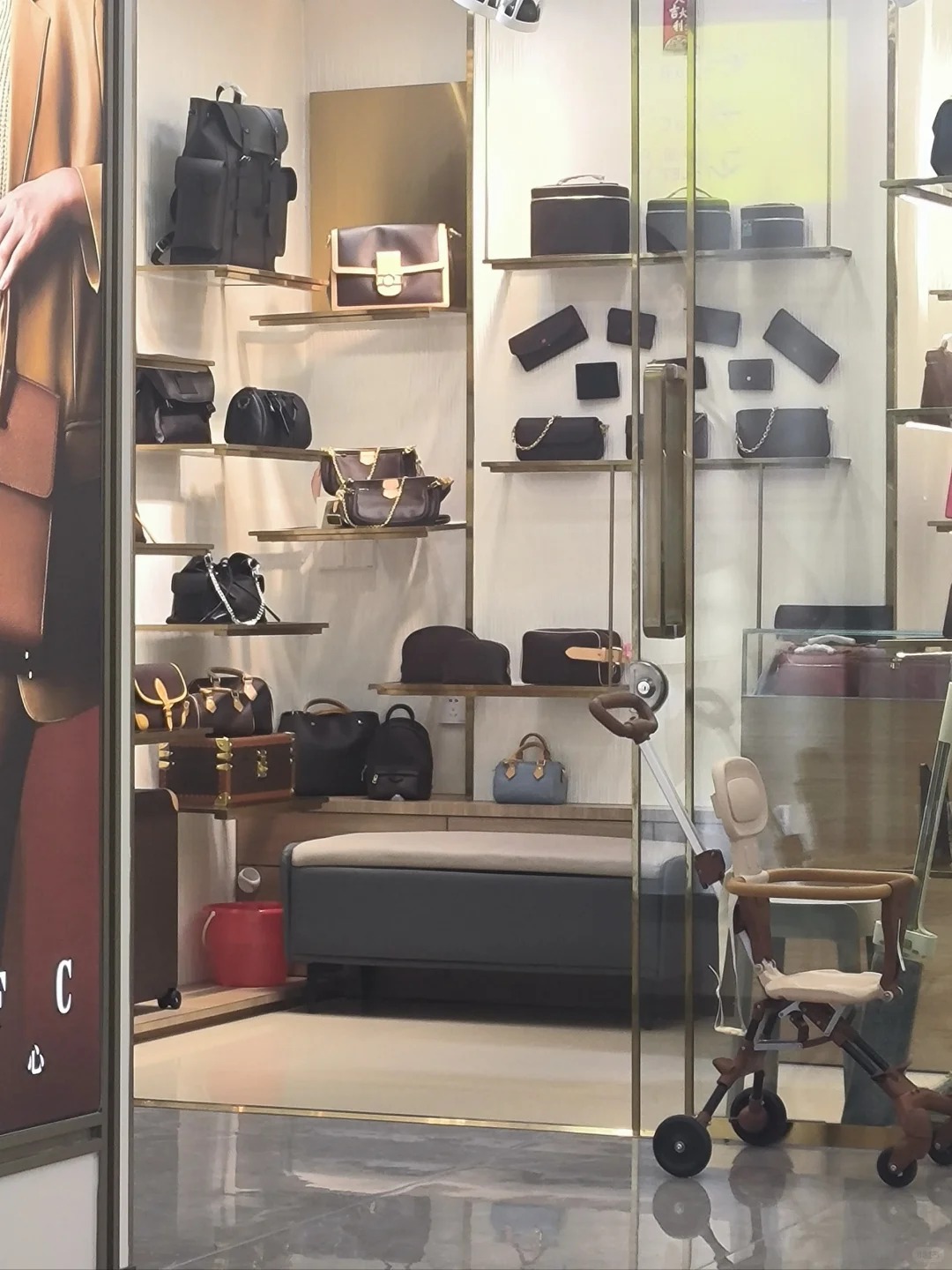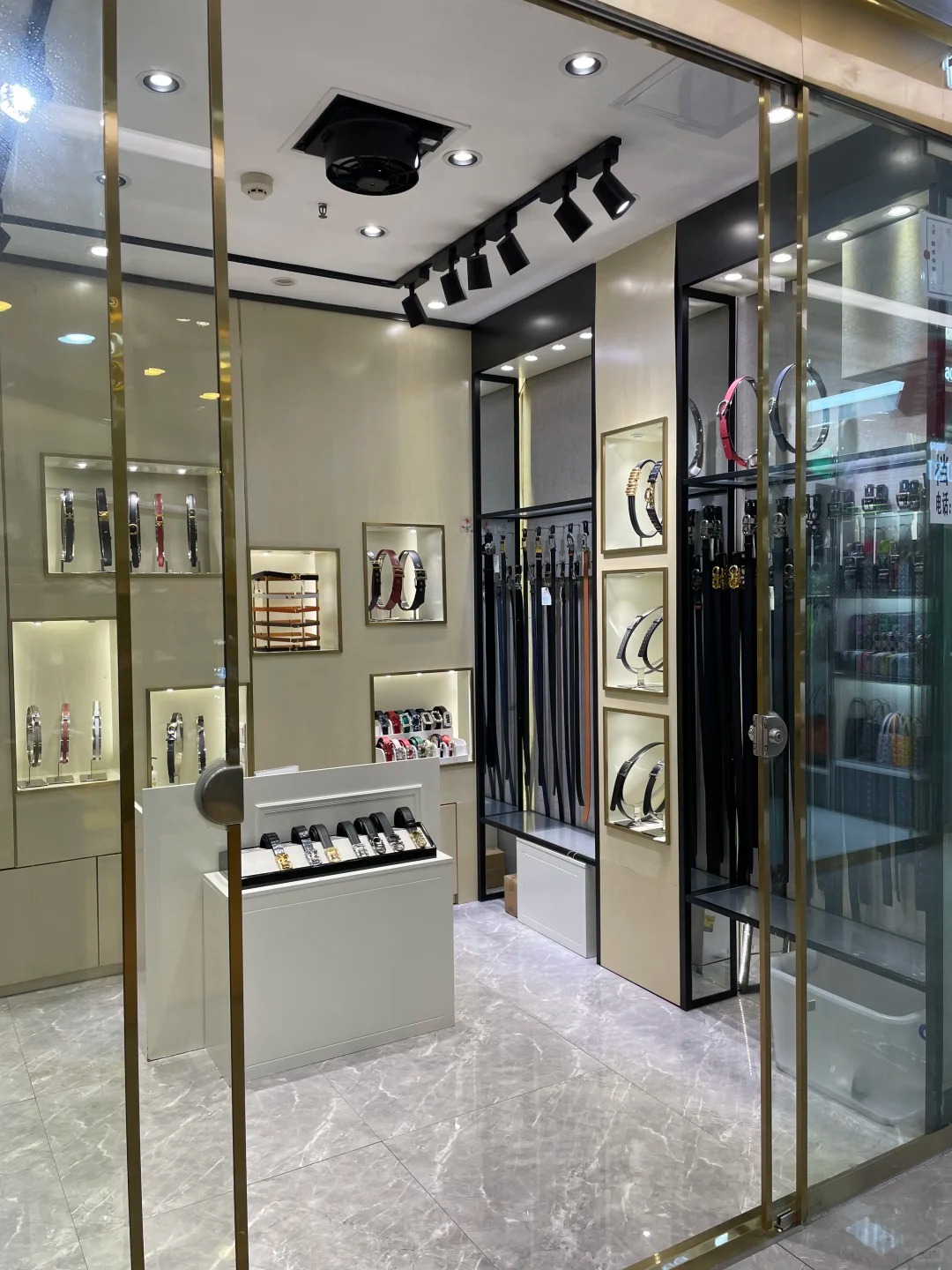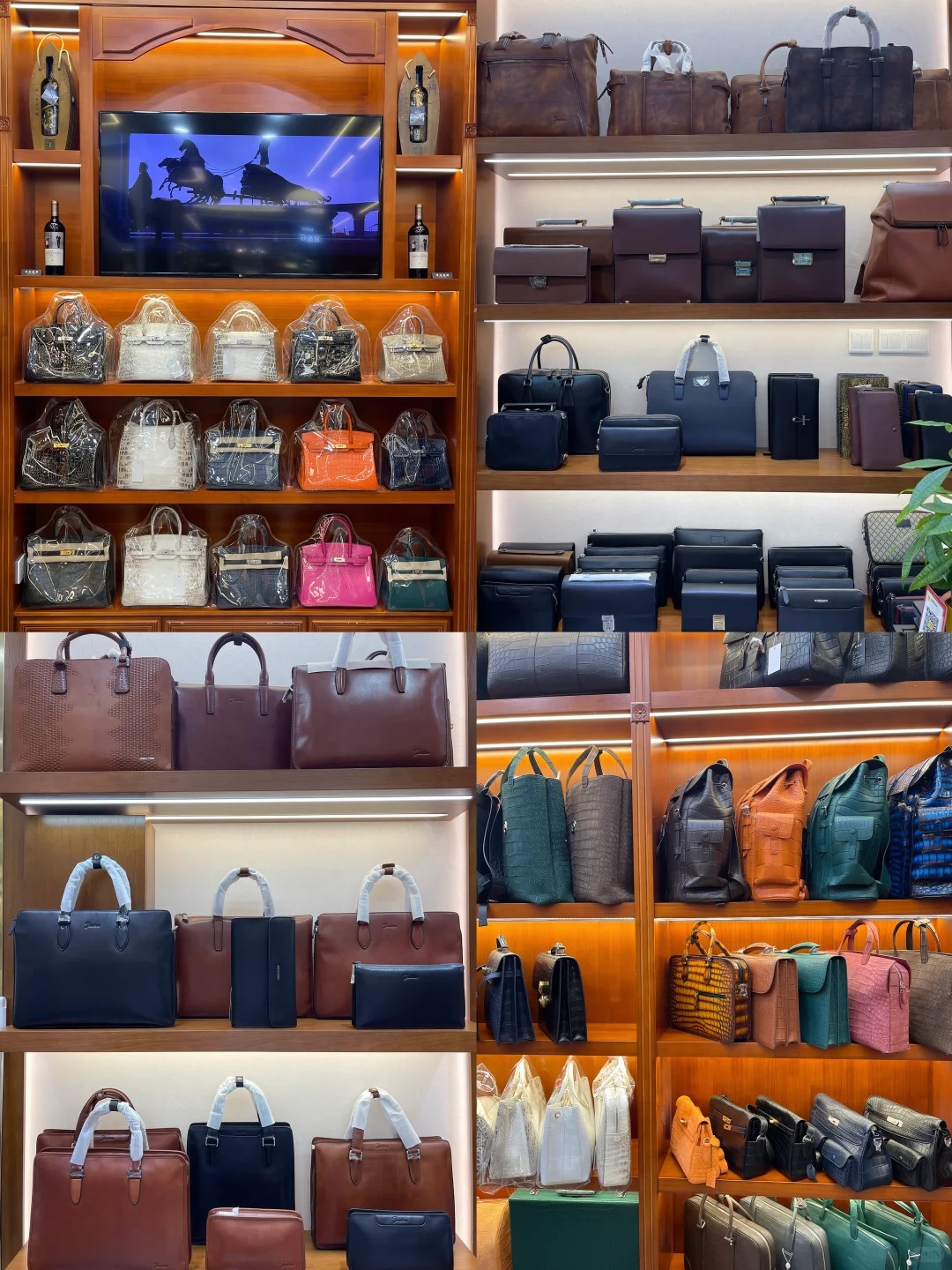

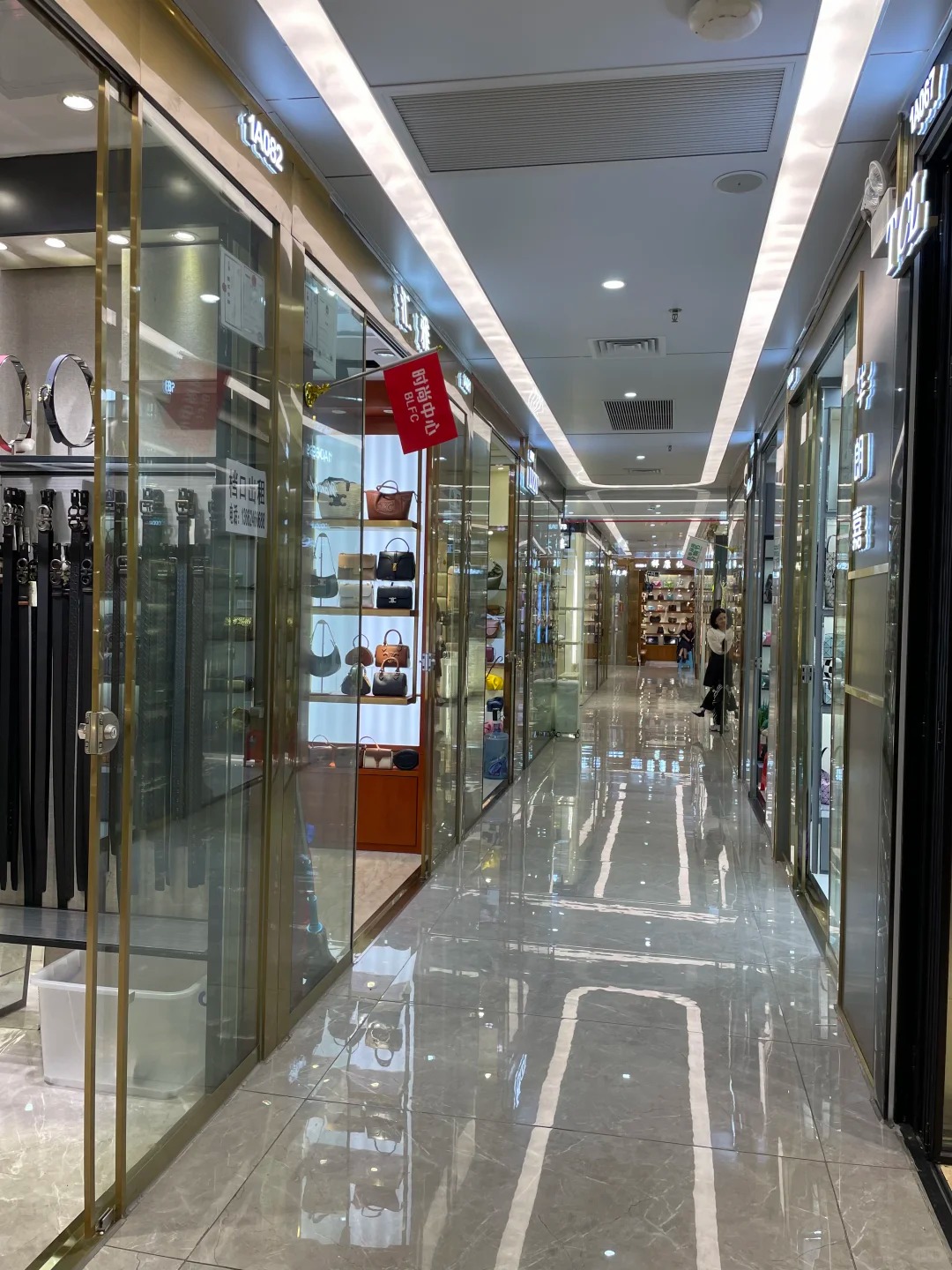
To avoid buying low-quality or overpriced goods from China, never skip sample inspection, always negotiate payment terms, and deal only with verified sellers—especially at wholesale market stalls where you can feel the fabric and see the stitching firsthand.
Why Most Buyers Get Burned
The allure of Chinese manufacturing is real: low costs, massive selection, breakneck speed. But the horror stories—late shipments, defective products, hidden fees—are just as real. The root cause is usually the same: rushing into a deal without proper due diligence. Whether you’re buying from an online listing or a physical stall, the principles are identical.
Rule #1: Never Trust a Stock Photo
Online images can be heavily edited or stolen from other sellers. Even if a supplier sends you a photo of a “warehouse,” it could be from a different factory. Demand videos or live video calls of the actual products. If you’re at a wholesale market like Yiwu or Guangzhou, touch the goods yourself. Check the fabric weave—tightness indicates durability. Turn the garment inside out to inspect seam allowances; raw edges that are not overlocked will fray quickly. A 20x magnification loupe costs 40 yuan and can reveal thread tension issues your naked eye misses.
Rule #2: Samples Are Non-Negotiable
Never place a bulk order without first receiving and inspecting samples. Even if the supplier claims “same quality,” insist on paying for samples (which should be deducted later). Test for colorfastness with a damp white cloth. For electronics, run them for 24 hours non-stop. Shipping samples via express costs $40–60, which could save you thousands on a bad batch.
Rule #3: Understand China’s B2B Customs
Chinese wholesalers often have different negotiation expectations. Never accept the first price—it’s typically inflated by 30–50%. Use market comparables to anchor. For example, at a Guangzhou apparel stall, quote based on similar items you saw at another stall. Payment terms should also be discussed: 30% deposit, 70% before shipment is standard. Avoid 50/50 splits; they give the seller too much leverage if quality issues arise.
Rule #4: Verify Supplier Credentials
Fake factory photos are rampant. On platforms like Alibaba, check for verified supplier tags, business licenses, and third-party audits. But even verified sellers can slip samples. When possible, visit the factory or market stall personally. If you can’t, hire a local inspection agent (approx. $150–$300 per day) to confirm the supplier’s existence and product quality.
Rule #5: Watch for Hidden Costs
Chinese sellers quote prices as “EXW” (Ex Works) or “FOB” (Free on Board). EXW requires you to arrange all logistics, including inland trucking (which can add 10–20%). FOB includes port customs, but you still pay shipping. Pair with a freight forwarder to get a total landed cost. Always confirm packaging costs separately; some sellers mark up polybags or cartons by 5x.
Table: Common Mistakes vs. Best Practices
| Mistake | Outcome | Best Practice |
|---|---|---|
| Skipping sample inspection | Receive defective goods | Always request and inspect samples |
| Paying 100% in advance | No leverage if quality fails | Use 30% deposit / 70% on shipment |
| Relying on stock photos | Get inferior substitutes | Demand live video or market stall visit |
| Ignoring shipping terms | Unexpected costs eat margins | Clarify EXW vs FOB and get total cost |
| Not checking fabric/stitching | Fast wear and tear | Inspect weave, seam allowance, thread count |
| Buying from unverified sellers | Risk of scams or counterfeits | Use verified platforms + third-party audits |
Real Advice from a Guangzhou Floor Wholesaler
I spoke to a denim specialist in the Zara Building. He said: “American buyers often ask for ‘heavyweight denim’ but don’t specify ounces. I show them 12oz vs 14oz. They pick the cheaper one, then complain it doesn’t hold shape. You have to define every spec in writing.” Also, most stalls will accept small initial orders if you pay 50% cash. That’s how they distinguish serious buyers from curious tourists.
The Bottom Line
China isn’t the problem—it’s the lack of preparation. Arm yourself with knowledge, verify everything, and never cut corners on sample inspection. Following these steps will not only help you avoid bad purchases but also build a reputation as a serious buyer, leading to better service and prices over time.
For further reading, check out Soudangkou’s guide on evaluating Chinese suppliers, which provides additional tips on market stall negotiation.
广州服装档口相关入口
继续查看相关市场和品类入口,方便对比档口微信、货源范围、拿货方向和试单前需要核实的信息。