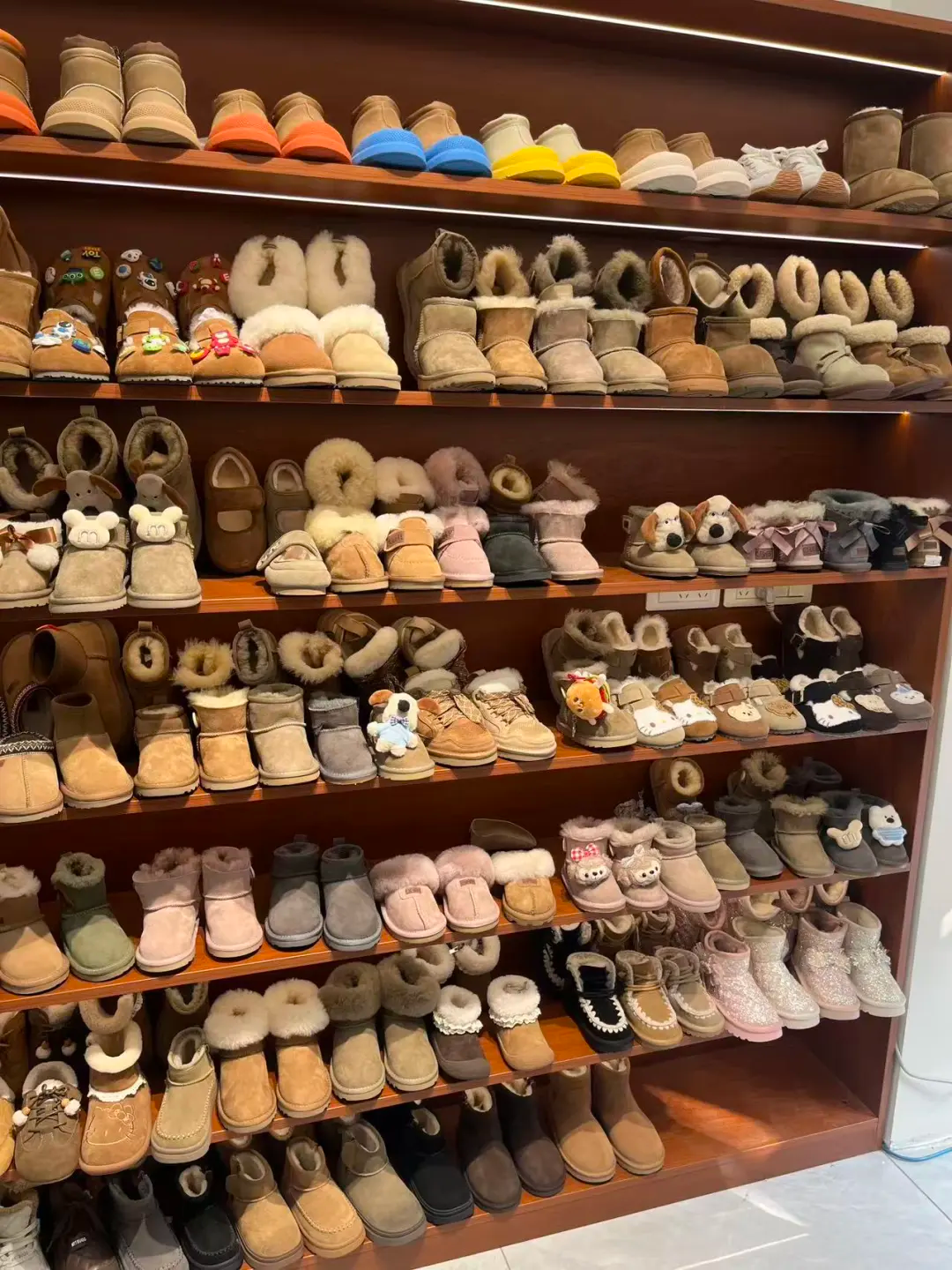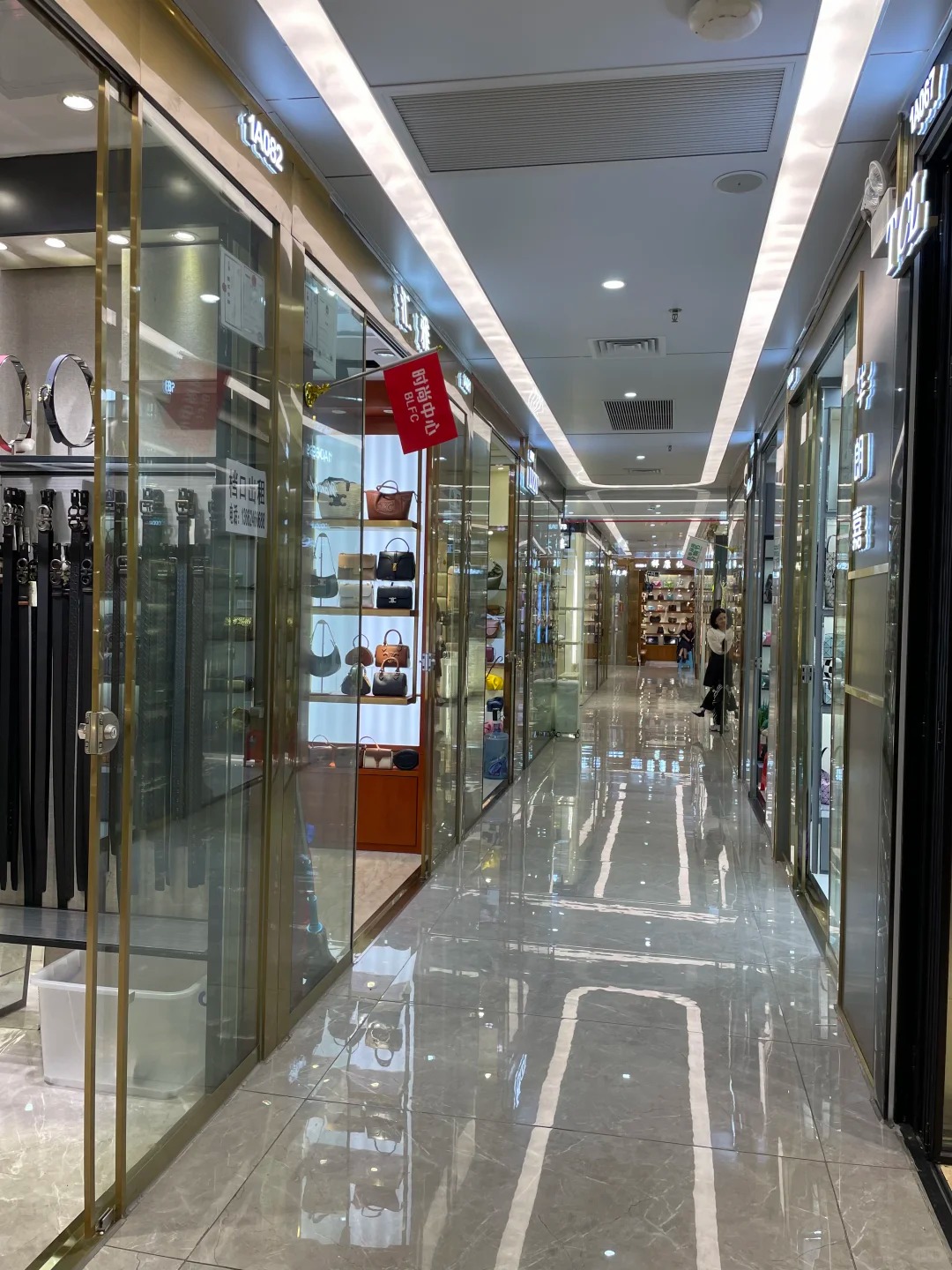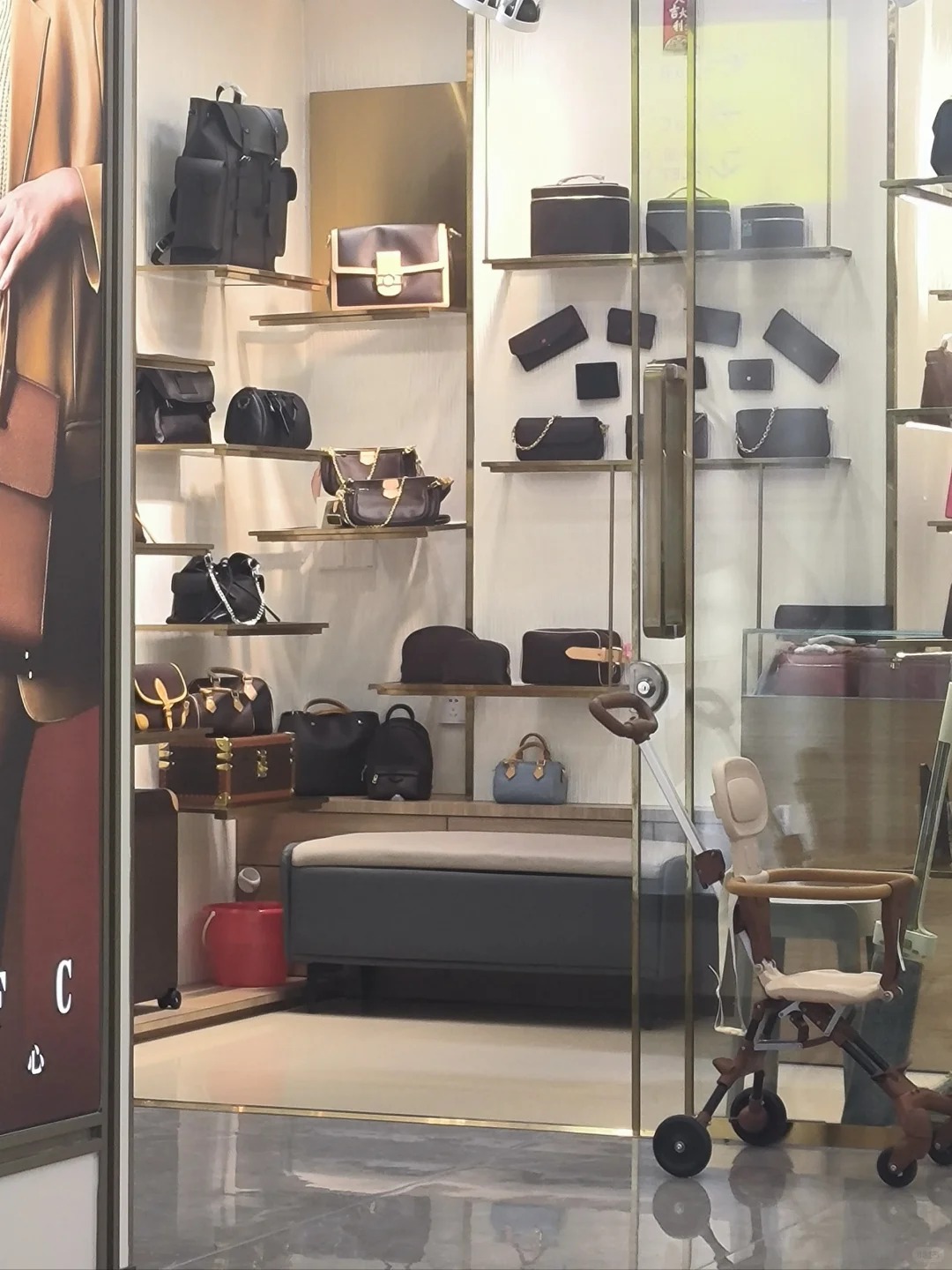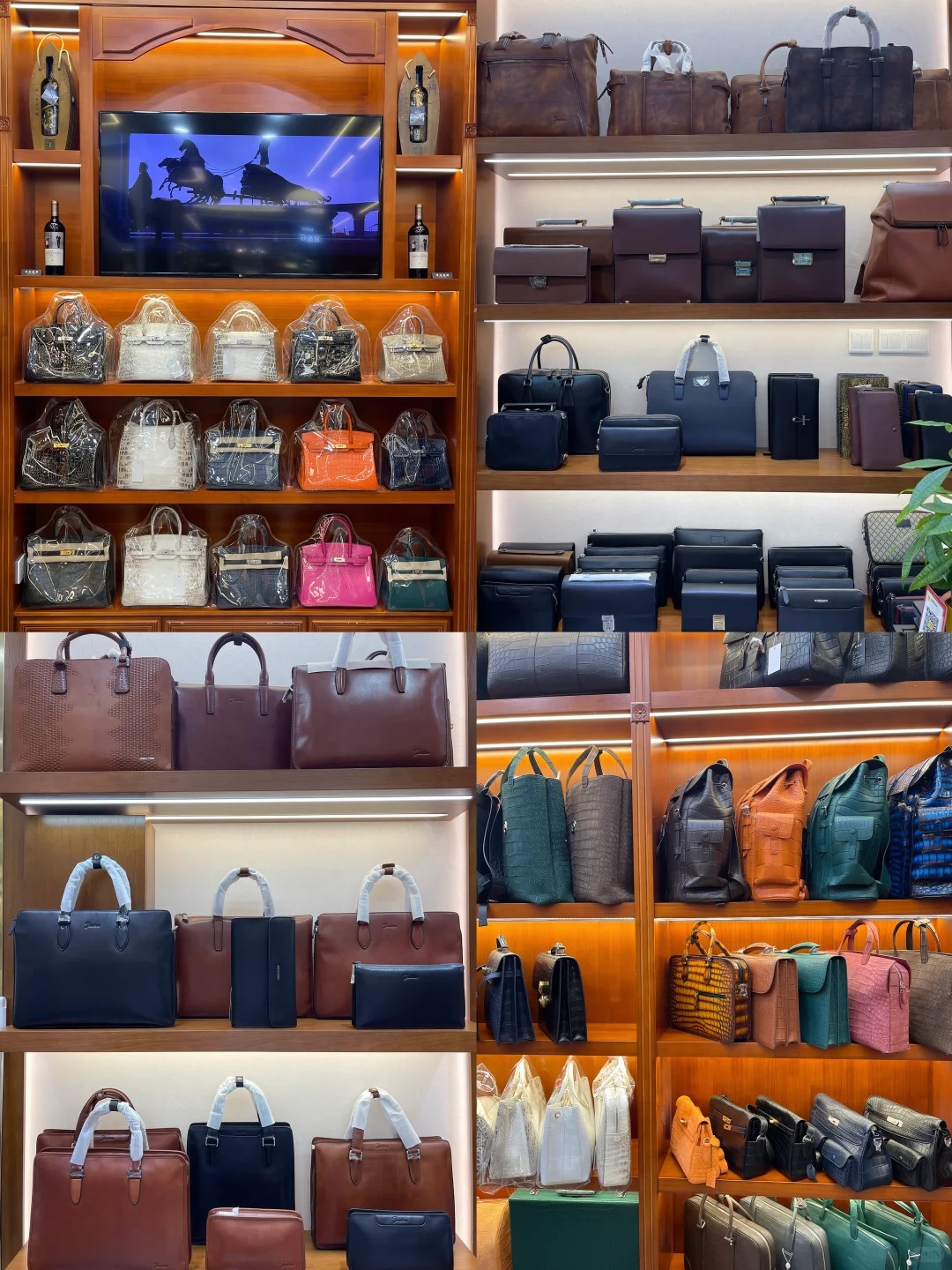

To buy from a Chinese company and sell in America, you need to find reliable wholesale market stalls, verify product quality by inspecting fabric and stitching, and manage logistics and customs. This guide cuts through the noise and gives you actionable steps from a seasoned China sourcing expert.
1. Start with Wholesale Market Stalls
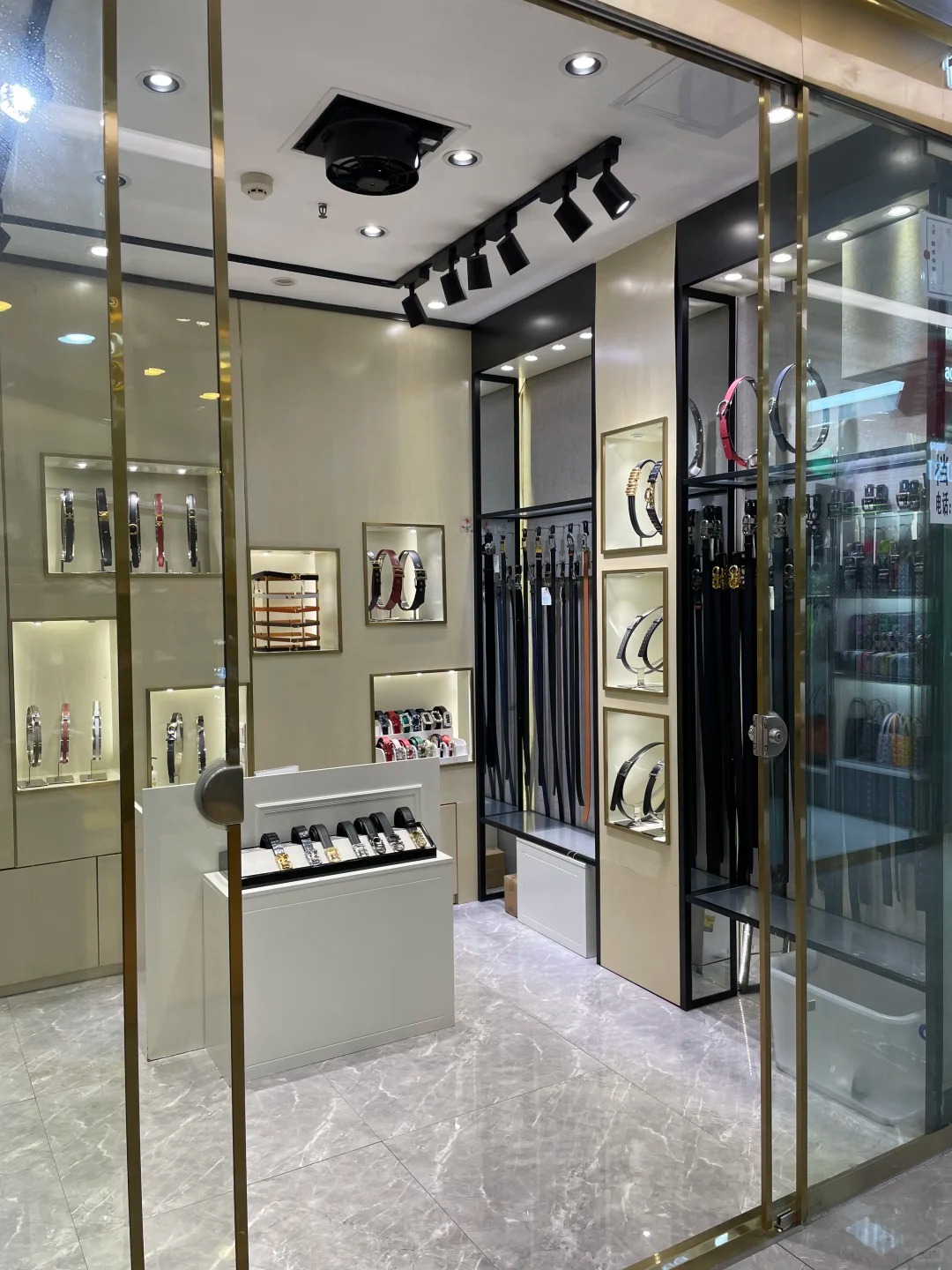
Skip generic B2B platforms. The real gems are in Chinese wholesale markets like Yiwu International Trade Market, Guangzhou’s Shaxi, or Hangzhou’s Sijiqing. Here, you can touch fabrics, feel the weight of garments, and spot poor stitching instantly. Soudangkou connects you directly to these stalls, but you can also visit in person. Look for stalls that offer 现货 (spot goods) — ready-to-ship inventory — so you avoid long production delays.
2. Master the Art of Checking Quality
Never judge a product by a photo. When you visit a stall, check three things:
Fabric Feel
Rub the fabric between your fingers. Is it soft or scratchy? For apparel, cotton jersey should have a smooth hand feel. For bags, 1200D polyester is durable but stiff. Ask for a swatch card.
Stitching Precision
Look at seams. Are they straight? Are there loose threads? Turn the garment inside out. A $10 shirt with crooked stitching will never sell for $30 in the US. Reject any stall that refuses to let you inspect.
3. Negotiate Like a Pro
Don’t accept the first price. Stall owners expect haggling. Ask for a sample order of 10–50 pieces at a 5–10% discount. Mention long-term partnership. If they increase price for small orders, walk away. There are hundreds of similar stalls.
4. Logistics and Customs
Shipping to the US typically costs $150–$500 per cubic meter (sea freight). Use a freight forwarder — many offer DDP (Delivered Duty Paid) service so you pay one fee upfront. Get quotes from 3–5 forwarders. Check recent HTS codes for your product; textiles have higher duties.
| FAQ | Answer |
|—–|——–|
| **Do I need a US business license to import?** | Not necessarily, but it helps. You can use a personal name as consignee, but a registered importer gets better duty rates. |
| **What’s the minimum order quantity (MOQ)?** | For wholesale market stalls, MOQ can be as low as 10–30 pieces per style. |
| **How do I avoid scams?** | Pay by credit card or use trade assurance services. Never wire transfer to an unknown account. |
| **Can I buy branded goods?** | Stick to generic or unbranded to avoid IP issues. Most stalls label their own. |
| **What payment methods are accepted?** | Cash, Alipay, WeChat Pay, and some accept PayPal or US wire. |
| **How long does shipping take?** | Sea: 20–35 days. Air: 7–15 days. Express (FedEx/DHL): 3–7 days. |
| **Do I need a customs broker?** | Recommended for first-time importers. Freight forwarders often include this. |
5. Test the Market
Before bulk ordering, sell samples locally at flea markets, Facebook Marketplace, or eBay. Track which items sell at what price. Use that data to order bigger quantities. Stick to 现货 for fast restocking.
6. Build Long-Term Relationships
Once you find a reliable stall, treat them well. Pay on time, communicate clearly, and visit them again. A good relationship means priority access to new styles and better prices. Platforms like Soudangkou help you discover these stalls online, but nothing beats a handshake on the market floor.
广州服装档口相关入口
继续查看相关市场和品类入口,方便对比档口微信、货源范围、拿货方向和试单前需要核实的信息。