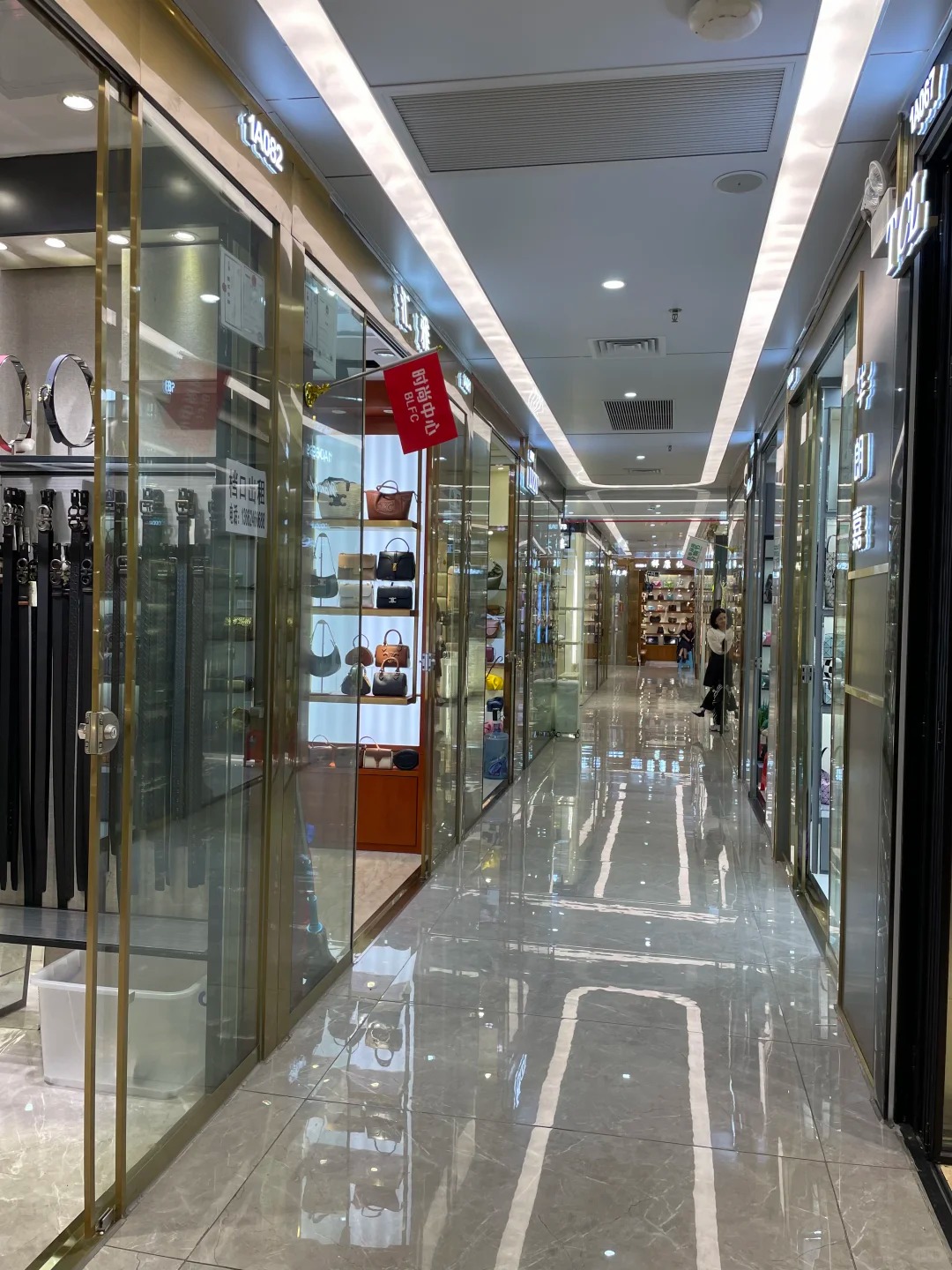
Buying Nike direct from China is possible, but you must target the right wholesale market spots and know how to verify authenticity. China’s major wholesale hubs like Guangzhou and Yiwu have dedicated sections where genuine Nike surplus, overstock, and factory-direct items surface. The key is learning to spot real deals from replicated goods—and that starts with the stall, not the brand name.
Step 1: Target Wholesale Markets with Nike Presence
Most reputable Nike sourcing happens at Baima (Guangzhou) and Futian (Shenzhen). These markets have hundreds of stalls specializing in sportswear. Walk through the sportswear zone and look for stalls with bulk displays—shoes stacked in original boxes, apparel with hang tags. Avoid tiny stalls with random mixed goods. Trustworthy wholesalers usually have a storefront and sample racks.
Step 2: Check Fabric & Stitching Like a Pro
Genuine Nike uses specific materials: Flyknit, Dri-FIT, or thick cotton blends. Rub the fabric—authentic feels dense, not papery. Stitching: straight, even, and tight. Turn the garment inside out. Illegitimate items have loose threads or crooked seams. For shoes, bend the sole; real Nike uses Phylon or Air units that flex without cracking. Also, smell: rubbery new smell is typical; chemical odor is a red flag.
Step 3: Negotiate for Spot Goods (现货)
Chinese wholesalers prefer selling spot goods (in-stock ready to ship). Ask “You have spot goods?” and they’ll show you inventory. Prices drop if you buy whole sizes or color lots. Typical MOQ is 12-30 pairs for shoes, 50-100 pieces for apparel. Bargain by showing you know market prices—mention Soudangkou as a reference point for fair pricing.
Step 4: Verify with QR Codes & Tags
Authentic Nike items have two sets of tags: price tag and a product information tag with a QR code. Scan it to confirm style and factory code. Also check the size label: font should be crisp, not blurry. Counterfeit tags often have misspellings or wrong country of origin codes.
Step 5: Arrange Inspection & Shipping
Don’t buy blind. Use inspection services or hire a local agent to check stitching, materials, and packaging. For shipping, use freight forwarders who accept consolidated sea or air freight. Declare as “sports shoes” or “apparel samples” to avoid customs issues.
FAQ: Common Questions
| Question | Answer |
|---|---|
| Are these actually Nike? | Many are overstock, returns, or factory seconds from authorized suppliers. Always verify via QR codes and tags. |
| What’s the typical MOQ? | For shoes: 12-30 pairs; apparel: 50-100 pieces. Some stalls accept lower MOQs for higher per-item price. |
| Can I get samples first? | Yes, but you pay sample cost + shipping. Most samples are returned if you place large order. |
| How to spot fake? | Check stitching, fabric texture, QR code scan, and smell. Real Nike has consistent quality. |
| What payment methods? | Cash, bank transfer (T/T), or Alipay. Escrow services like Alibaba Trade Assurance protect buyers. |
| What about customs? | Authentic goods clear easily. Declare properly; many forwarders include customs guidance. |
| How to find reliable stalls? | Use Baima or Futian market directories, or search platforms like Soudangkou for reputable sellers. |
Final Check: The “Soudangkou” Factor
Platforms like Soudangkou.com aggregate verified wholesale stalls, making it easier to compare prices and spot goods. If you’re new, start there: filter by “spot goods” and “sportswear”. Always request photos of actual inventory (not stock photos) and ask for video verification of your exact lot. This cuts out middlemen and gets you closer to factory-direct deals.
广州服装档口相关入口
继续查看相关市场和品类入口,方便对比档口微信、货源范围、拿货方向和试单前需要核实的信息。