Short Answer: Which Shoe Brands Are Actually Made in China?
Most major global shoe brands—including Nike, Adidas, New Balance, Puma, Converse, Vans, and Skechers—have a significant portion of their production in Chinese factories. But here’s the thing: many shoppers confuse “made in China” with cheap copies. In reality, Chinese factories produce some of the highest quality footwear on the planet, often using the same materials and craftsmanship as Italian or Portuguese manufacturers. The difference is pricing and supply-chain control.
For wholesale buyers, the key is not just knowing which brands are made in China, but how to access the same factories’ direct stocks—often available at a fraction of retail price from market stalls.
The Big List: Global Brands with Chinese Production
Here’s a quick snapshot of common brands and their China connection:
| Brand | % of China Production | Typical Product Types |
|---|---|---|
| Nike | ~25% | Running, lifestyle, casual sneakers |
| Adidas | ~20% | Performance, originals, slides |
| New Balance | ~30% | Classic NBs (e.g., 574, 990) |
| Puma | ~35% | Sportstyle, collabs |
| Converse | ~40% | Chuck Taylor, one star |
| Vans | ~45% | Old Skool, slip-ons |
| Skechers | ~65% | Comfort, work shoes |
| Under Armour | ~15% | Training, running |
But here’s the insider tip: many of these brands have shifted to Vietnam and Indonesia for cost reasons, yet China still holds the crown for quality and complexity. For example, premium Gore-Tex hiking boots, high-end leather sneakers, and designer collabs are often made exclusively in China.
Why Wholesale Buyers Should Focus on Chinese Markets
Access to First-Hand Stock Without Middlemen
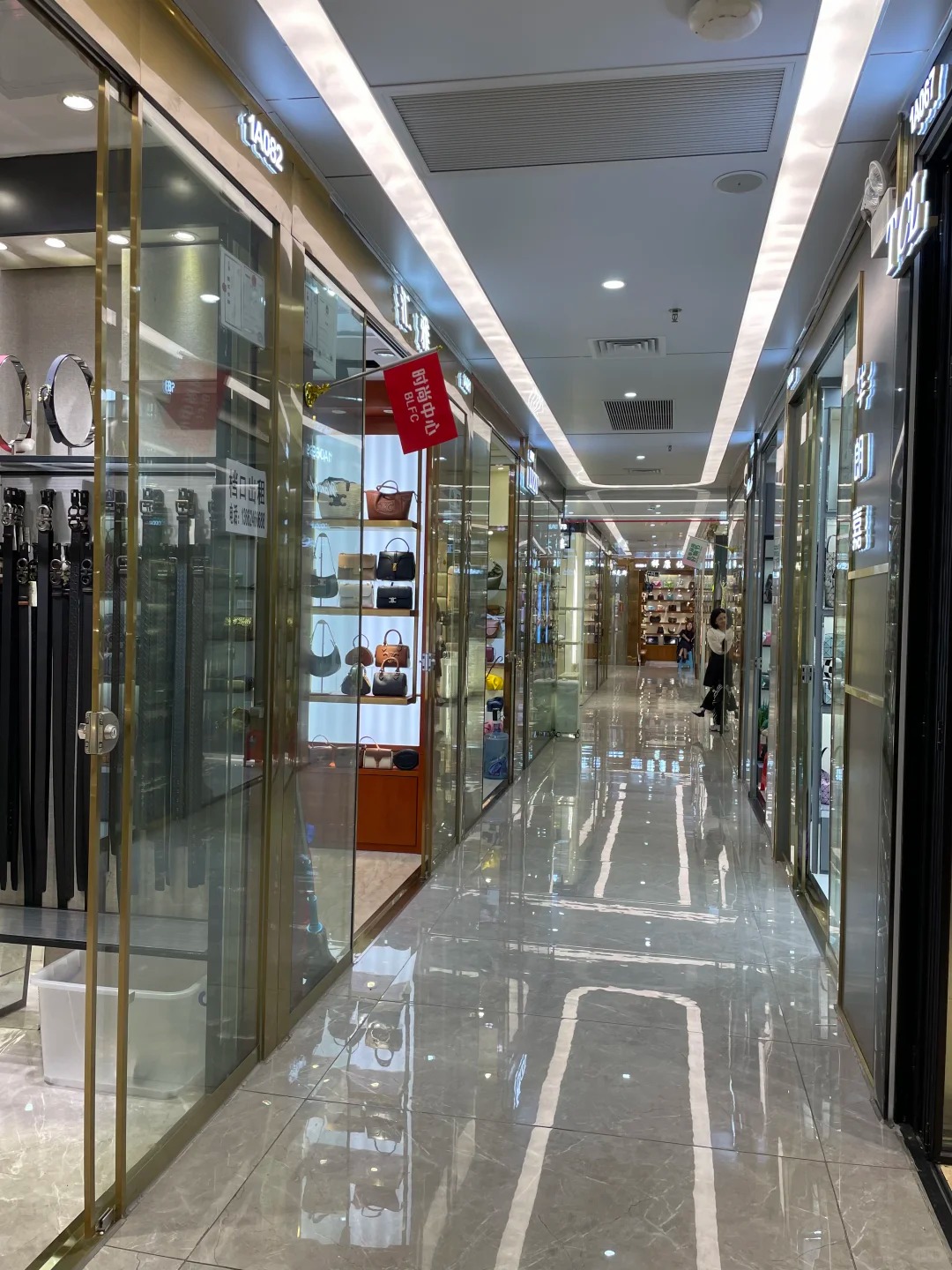
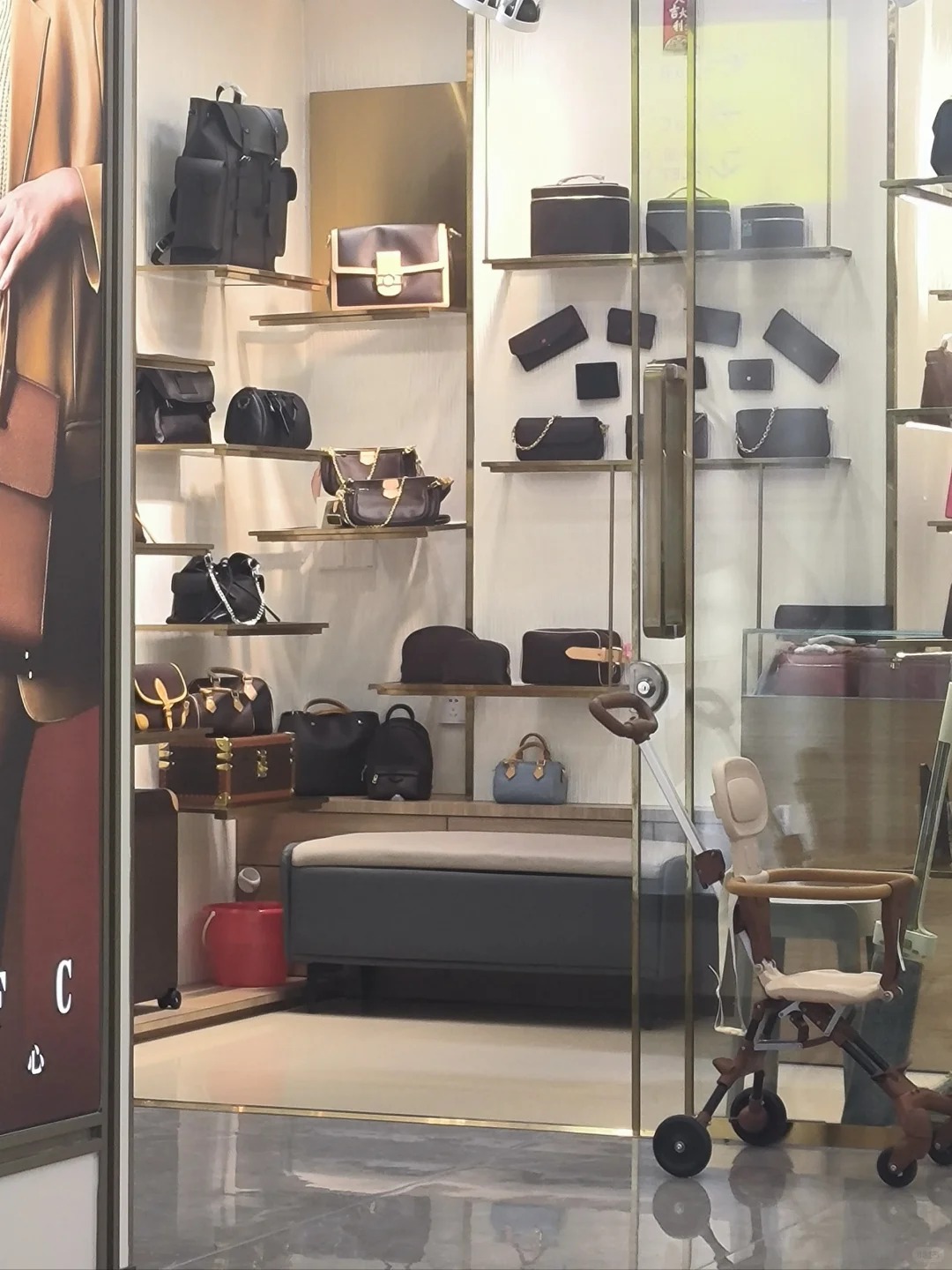
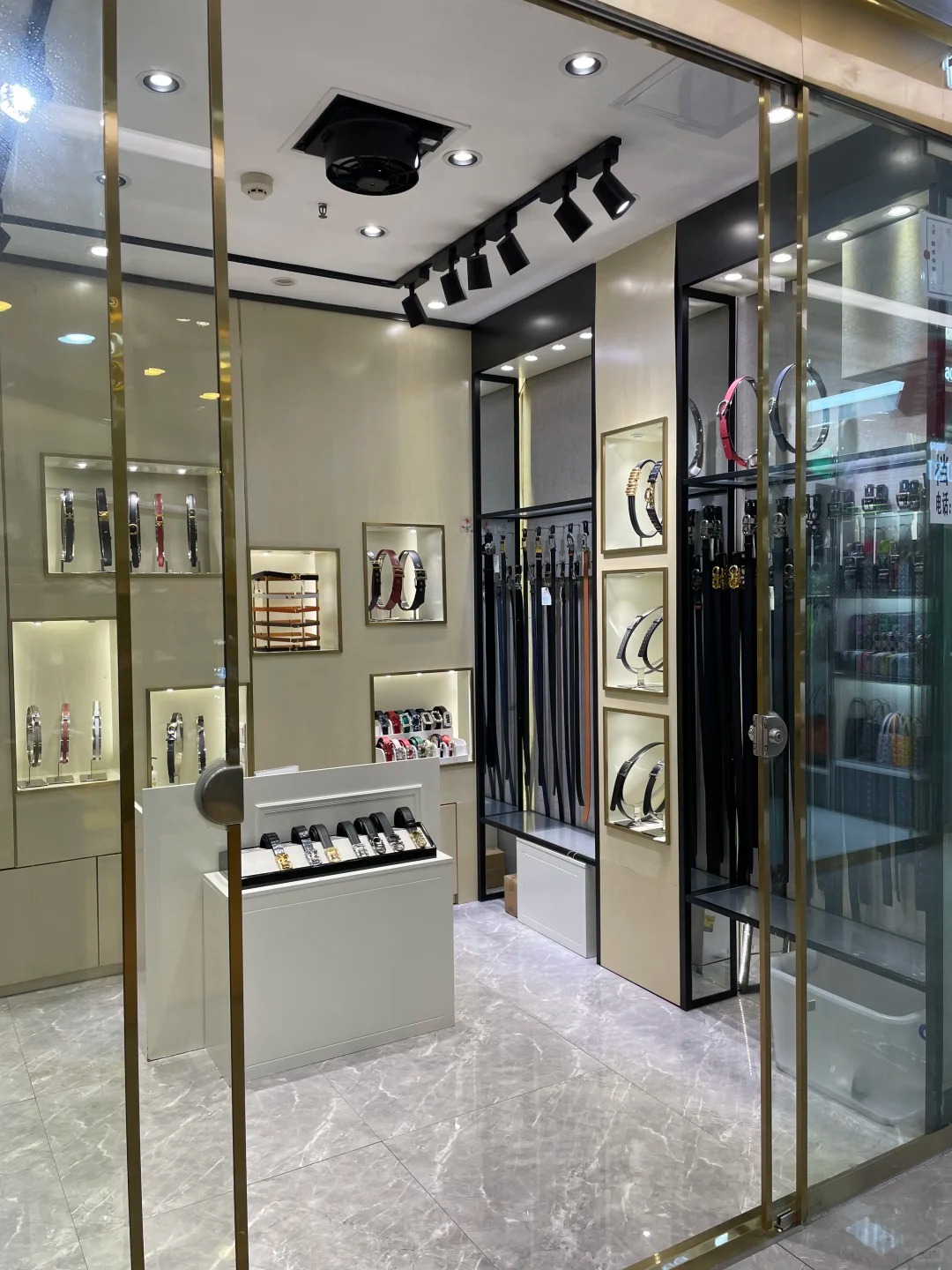
When you walk into a stall at a major wholesale market—like those found via Soudangkou—you’re often seeing the exact same shoes that end up in branded boxes. The difference? You can buy them for 30%–50% less than brand wholesale prices. The secret is in the fabric and stitching. High-quality Chinese-made shoes use dense, uniform stitching, genuine leather or premium synthetic upper, and soles that bend evenly without cracking.
How to Judge Quality at a Stall
- Stitching: Count stitches per inch. 8–10 is standard for quality. Avoid loose threads or uneven spacing.
- Upper material: Real leather should have a soft, natural grain. Synthetic should be smooth and not peel when flexed.
- Insole: Removable insoles with proper arch support indicate better construction.
- Glue marks: Minimal or no visible glue around the sole edge means machine-made precision.
If you’re new, ask the shopkeeper if the stock is from a factory direct line or leftover from a brand order. Most will tell you honestly—they want repeat buyers.
Real Talk About “Made in China” Labels
Don’t fall for the myth that Chinese-made means lower quality. Today, China produces some of the finest footwear, especially in niche categories like vegan leather sneakers, orthopedic shoes, and technical hiking boots. The real skill is finding a reliable vendor who runs a clean factory line and offers consistent stock. And that’s exactly what markets like Soudangkou help you do—they connect wholesale buyers with vetted factories and market stalls where you can see, touch, and compare real samples before investing.
FAQ: Quick Answers to Common Questions
| Question | Answer |
|---|---|
| Are any shoe brands NOT made in China? | Some high-end, low-volume brands (e.g., Red Wing, Viberg, many dress shoe makers) produce in North America or Europe. But most mass-market brands rely on Chinese factories for at least a part of their lineup. |
| Is it safe to buy unbranded shoes from Chinese markets? | Yes—as long as you check the materials and build. Many unbranded exports come from the same factories that produce for brands. Just pay attention to quality markers like stitching and sole flexibility. |
| Can I find original brand products in wholesale markets? | You’ll find both authorized leftovers and factory overruns. Always ask if the goods carry original tags or boxes. For branded items, ensure they’re not counterfeit by checking small details (e.g., logo clarity, insole markings). |
| What’s the best way to start sourcing from China? | Visit online directories like Soudangkou to verify vendors, request sample photos, and even arrange factory visits. For first-time buyers, start small: order 10–20 pairs to test the water. |
| How much can I save buying from Chinese wholesale vs. local distributors? | Typically 30–60% less, depending on the shoe type. Leather shoes and sneakers offer the biggest savings, while simple sandals have a narrower margin. |
| Do all Chinese market stalls accept returns? | No—most strictly sell on a cash basis with no return. This is why checking quality in person or through a trusted sample service is crucial. |
Final Takeaway for Wholesale Buyers
Knowing which shoe brands are made in China is just the first step. The real profit lies in accessing factory-direct or near-factory stock from wholesale markets. Platforms like Soudangkou simplify this by listing verified stalls and offering logistics support. Remember, the best shoes come from the hands of skilled Chinese workers—and now you can get them without the brand premium.
广州服装档口相关入口
继续查看相关市场和品类入口,方便对比档口微信、货源范围、拿货方向和试单前需要核实的信息。