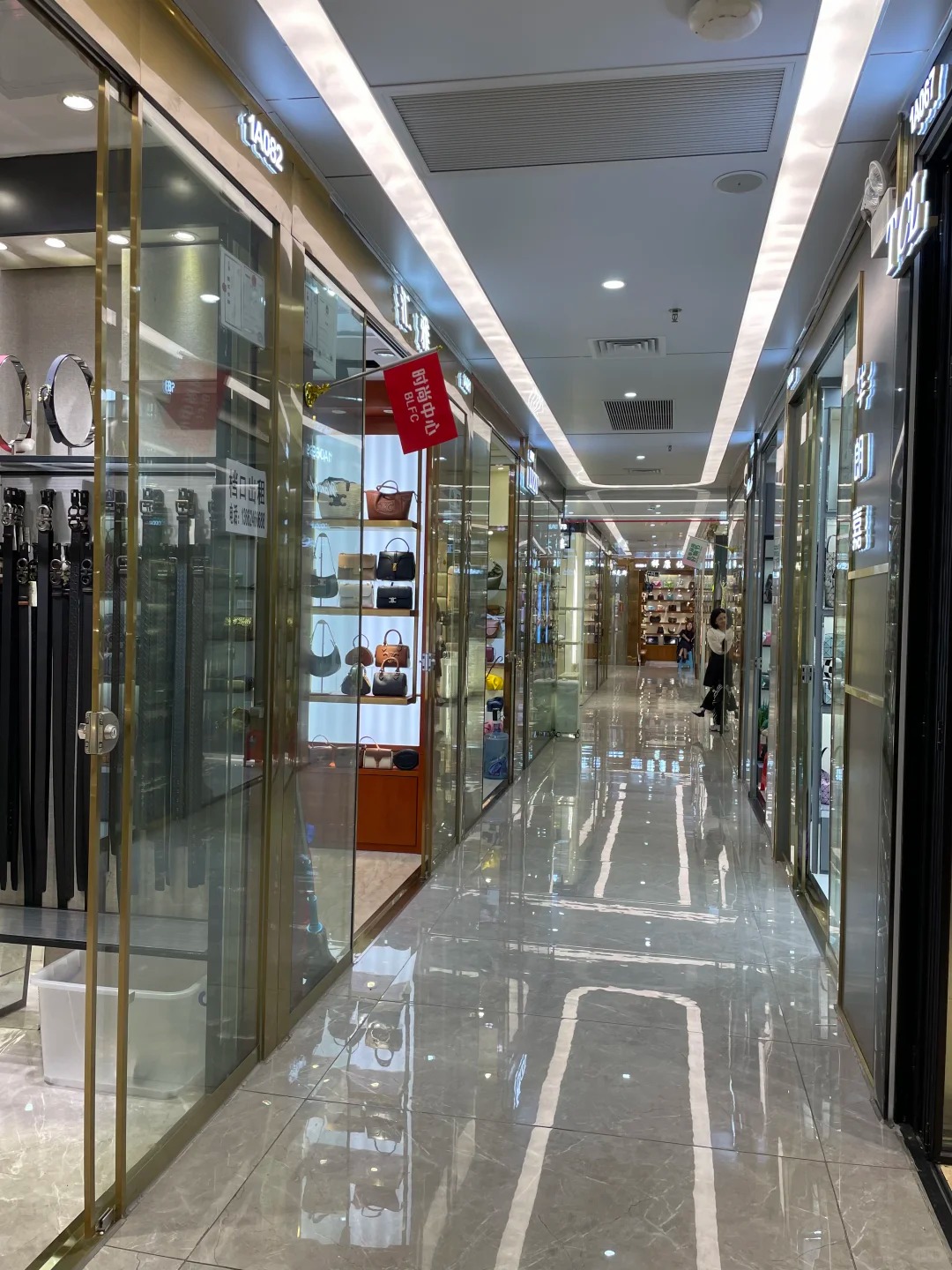

Shoes are made in China because the country has perfected the art of high-volume, low-cost manufacturing with unmatched supply chain agility. From raw materials to finished pairs, China’s footwear ecosystem delivers speed, variety, and price that no other nation matches. For wholesale buyers visiting markets in Guangzhou, Chengdu, or Wenzhou, the appeal is clear: you can walk through a single market and source thousands of styles, from trendy sneakers to leather boots, ready for immediate shipment.
Scale and Infrastructure
China produces over 12 billion pairs of shoes annually. Cities like Wenzhou, Quanzhou, and Dongguan house massive industrial clusters where tanneries, textile mills, and sole manufacturers coexist within a few kilometers. This vertical integration eliminates delays and reduces transport costs. For a wholesale buyer, this means lower minimum order quantities (MOQs) and faster turnaround times on spot goods.
Cost Efficiency Without Sacrificing Quality
Labor costs have risen, but China still offers the best price-to-quality ratio. Skilled artisans are concentrated in these manufacturing hubs, ensuring precise stitching and consistent quality control. Many market stalls in wholesale centers like Canton Fair or Soudangkou stock “first-line” goods—factory overruns or closeouts made with premium materials. These items often use full-grain leather, thick EVA soles, and reinforced stitching, comparable to major brands but at a fraction of the wholesale price.
Market-Driven Flexibility
Chinese suppliers excel at rapid prototyping. If you need a tweak—different outsole pattern, upper material change, or custom colors—they can produce samples within 24 hours. This flexibility is vital for buyers who need to test new styles without committing to large production runs. Spot goods in these markets are often the result of such fast iteration, reflecting current trends months before they hit Western shelves.
How to Get the Best Spot Goods
When you’re at a wholesale market, focus on touch and feel. Run your finger along the seam: tight, even stitches indicate good workmanship. Press the sole: it should spring back without cracking. Inspect the insole: genuine leather will have natural pores and slight flexibility. Ask the stall owner directly: “Is this first-line or second-line?” They’ll often tell you honestly because repeat business matters. Also, check the inner lining—cheap shoes use synthetic materials that cause sweating; good ones use breathable mesh or genuine leather.
Common Myths About Chinese Shoe Manufacturing
| Question | Answer |
|---|---|
| Are Chinese shoes always low quality? | No. Quality varies by tier. First-line goods often match or exceed brand standards. |
| Is it cheaper to buy directly from factories? | For small quantities, market stalls offer better prices due to bulk inventory. |
| Can I trust leather quality labels in markets? | Always verify by feel and smell. Genuine leather has a distinct scent and texture. |
| Why do many global brands make shoes in China? | To leverage consistent quality, advanced automation, and lower labor costs. |
Ultimately, China remains the world’s sneaker factory because it delivers what the market demands—variety, speed, and value. Whether you’re a small boutique owner or a large distributor, visiting platforms like Soudangkou can connect you directly with these resources, allowing you to source high-quality footwear without the middleman markup.
广州服装档口相关入口
继续查看相关市场和品类入口,方便对比档口微信、货源范围、拿货方向和试单前需要核实的信息。