
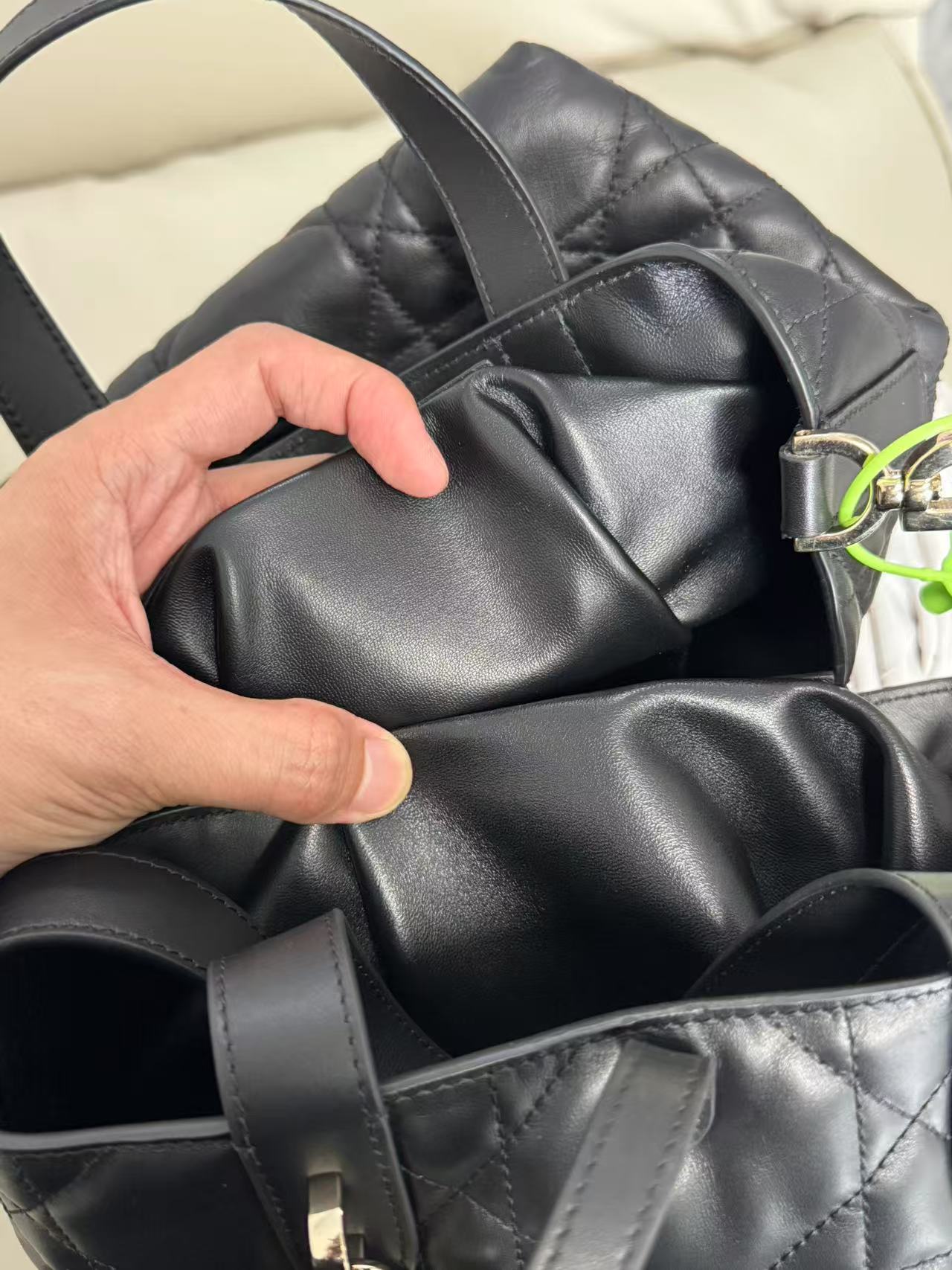
Yes, the majority of Ilse Jacobsen shoes are manufactured in China. The Danish brand has been producing its iconic rubber clogs and other footwear in Chinese factories for years, a common shift for European labels seeking scalable production. While the design and quality control remain in Denmark, the actual making—from molding to stitching—happens in China. This doesn’t mean lower quality; in fact, Chinese factories have elevated their craft, especially in rubber processing and assembly.
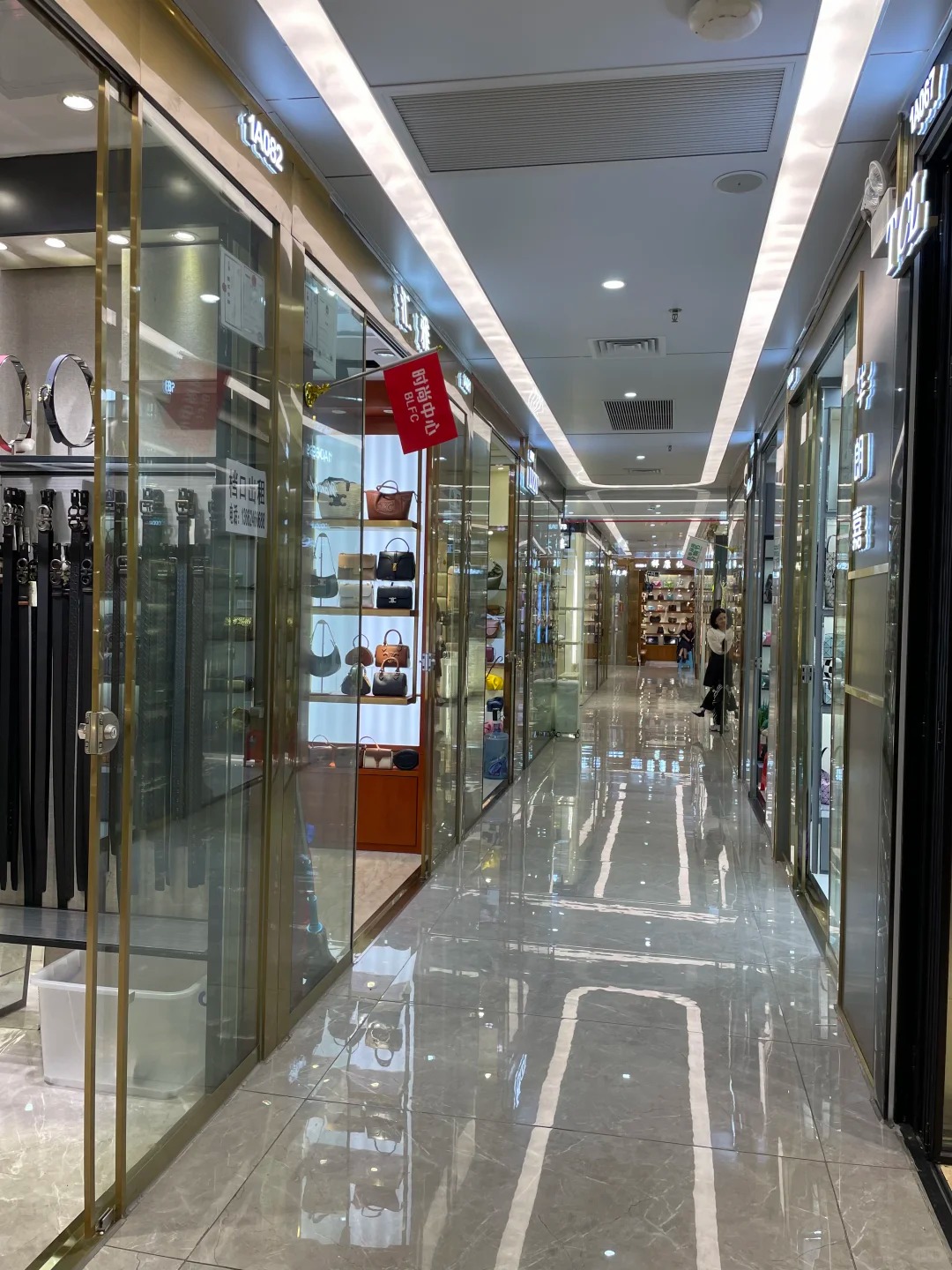
For wholesale buyers visiting market stalls in Yiwu or Guangzhou, you’ll notice stacks of Ilse Jacobsen look-alikes lining the aisles. But don’t mistake them for fakes. Many are “parallel production”—same factories, different branding. Inside the Soudangkou wholesale hub, stall owners openly display the raw rubber and lining fabrics, letting you feel the weight and flexibility. A pro tip: check the toe cap stiffness. Genuine Ilse Jacobsen rubber clogs have a firmer, more supportive front, a trick I learned from a factory manager in Wenzhou.
Below, a quick table to bust common myths:
|| FAQ | Answer ||
|——|——|——–||
| Are all Ilse Jacobsen shoes made in China? | Most rubber clogs are; leather lines may be from Portugal. ||
| Are Chinese-made ones lower quality? | Not at all. The same rubber compound is used ; quality is identical. ||
| Can I buy from Chinese factories directly? | Yes, but minimum orders are high. Better to source from market stalls like Soudangkou. ||
| How to spot authentic Ilse Jacobsen? | Check the logo embossing and the sole pattern (deep, non-slip). ||
| Are there “genuine” factory outlets in China? | No official ones. But some stalls sell overruns from the same production line. ||
Why China? The Insider’s Take
Walk into any rubber shoe factory in Fujian province and you’ll see why brands flock here. The manufacturing ecosystem is unmatched: from raw rubber compounding to automated molding lines, all in one city. Ilse Jacobsen’s Chinese factories typically use a blend of natural and synthetic rubber that hits a specific shore hardness—firm but flexible. I’ve felt countless samples, and the best ones have a matte finish, not glossy. That’s a sign of proper vulcanization.
Wholesale buyers should pay attention to the stitching on fabric liners. Ilse Jacobsen’s clogs often have a terry cloth or cotton lining. The seam should be flat, not bulky. Run your finger along it—if it catches, the workmanship is sloppy. Another detail: the insole should be removable and have a small perforated pattern for breathability. Fakes often skip this.
Sourcing Tips from the Market Floor
At the bustling stalls of Guangzhou’s Baiyun market, you’ll see dozens of vendors offering Ilse Jacobsen-style clogs. Prices vary: from $8 to $15 per pair depending on material and packaging. But here’s the trick—ask for “A-grade” or “factory direct.” Those usually come from the same assembly lines as the branded ones, just without the logo. You can even request customized insoles or colors, since most factories maintain a flexible production approach. The key is building trust with the stall owner; they often know which factory batch is best.
One vendor told me that the real differentiation is in the sole. Genuine Ilse Jacobsen clogs have a distinct tread pattern that provides grip on wet surfaces. Knockoffs often have a smoother sole that’s slippery. Test it by pressing your thumb into the sole: the rubber should be dense, not spongy. That’s a mark of quality vulcanization.
Final Word
Ilse Jacobsen shoes are indeed made in China, and that’s not a problem. The country’s manufacturing expertise has made these clogs both affordable and durable. For wholesale buyers, the Soudangkou market offers a direct line to these products, but you need to know what to look for. Focus on the tactile details—the rubber texture, lining stitching, and sole pattern. That’s how you pick winners.
广州服装档口相关入口
继续查看相关市场和品类入口,方便对比档口微信、货源范围、拿货方向和试单前需要核实的信息。