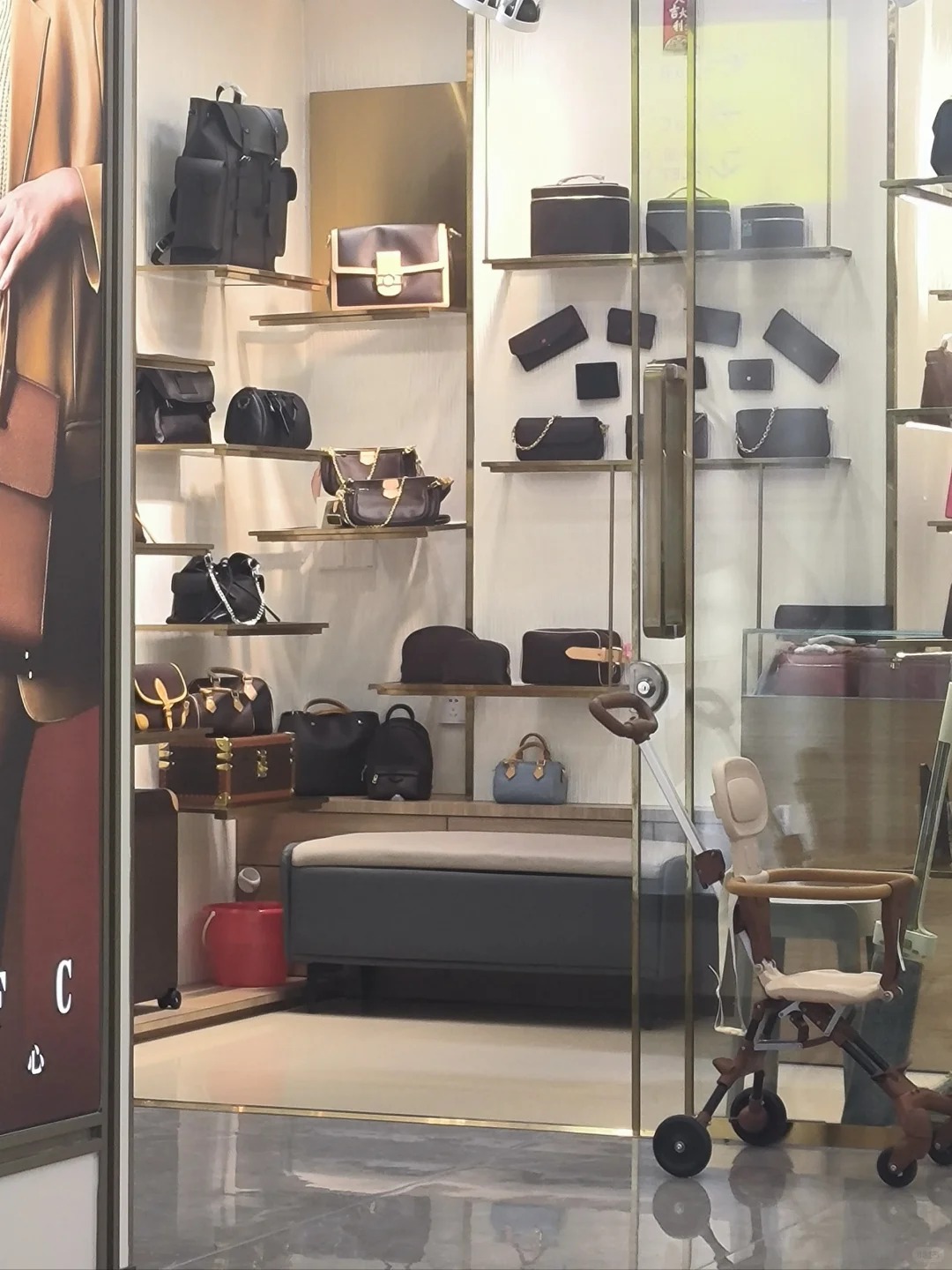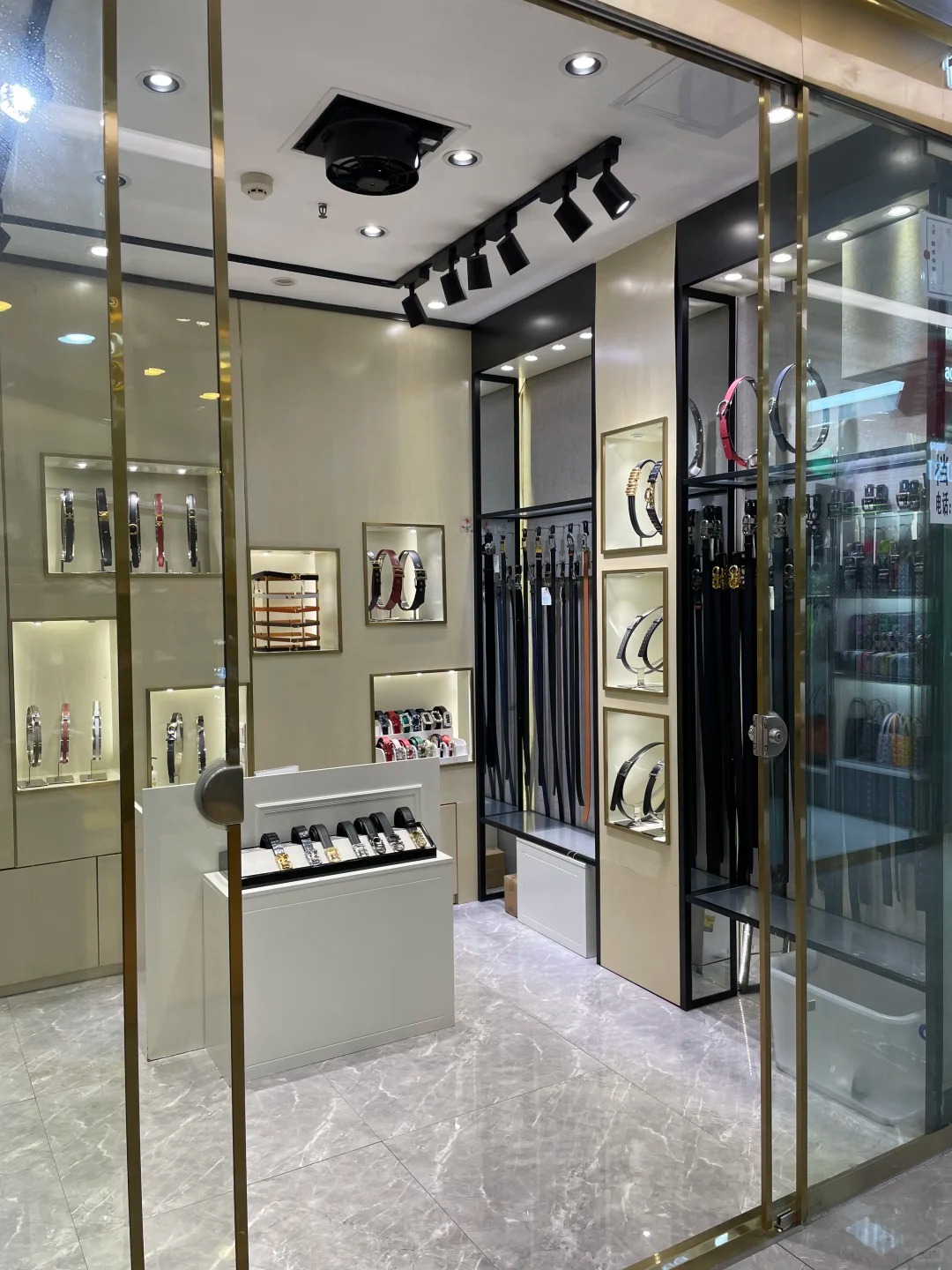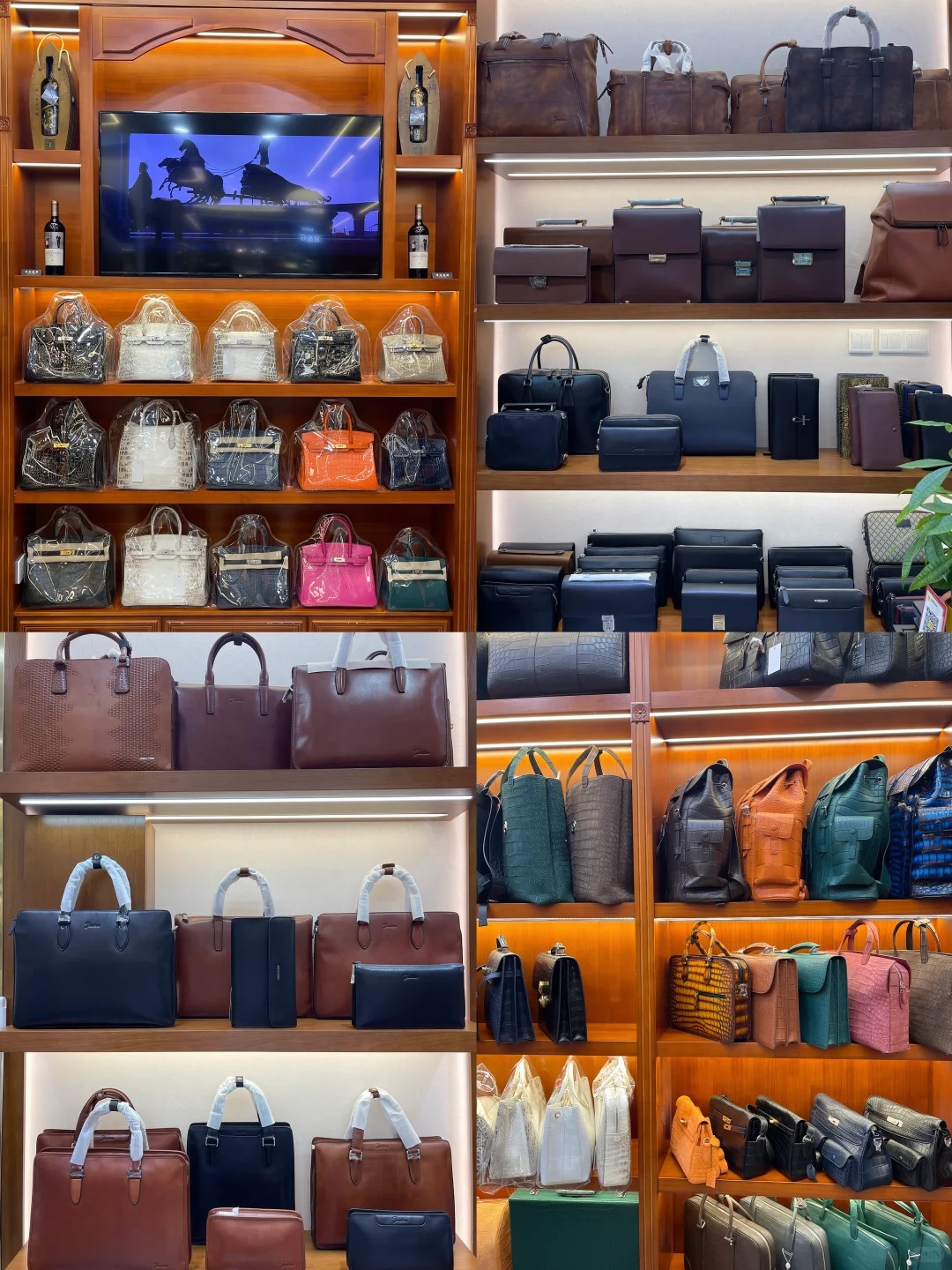

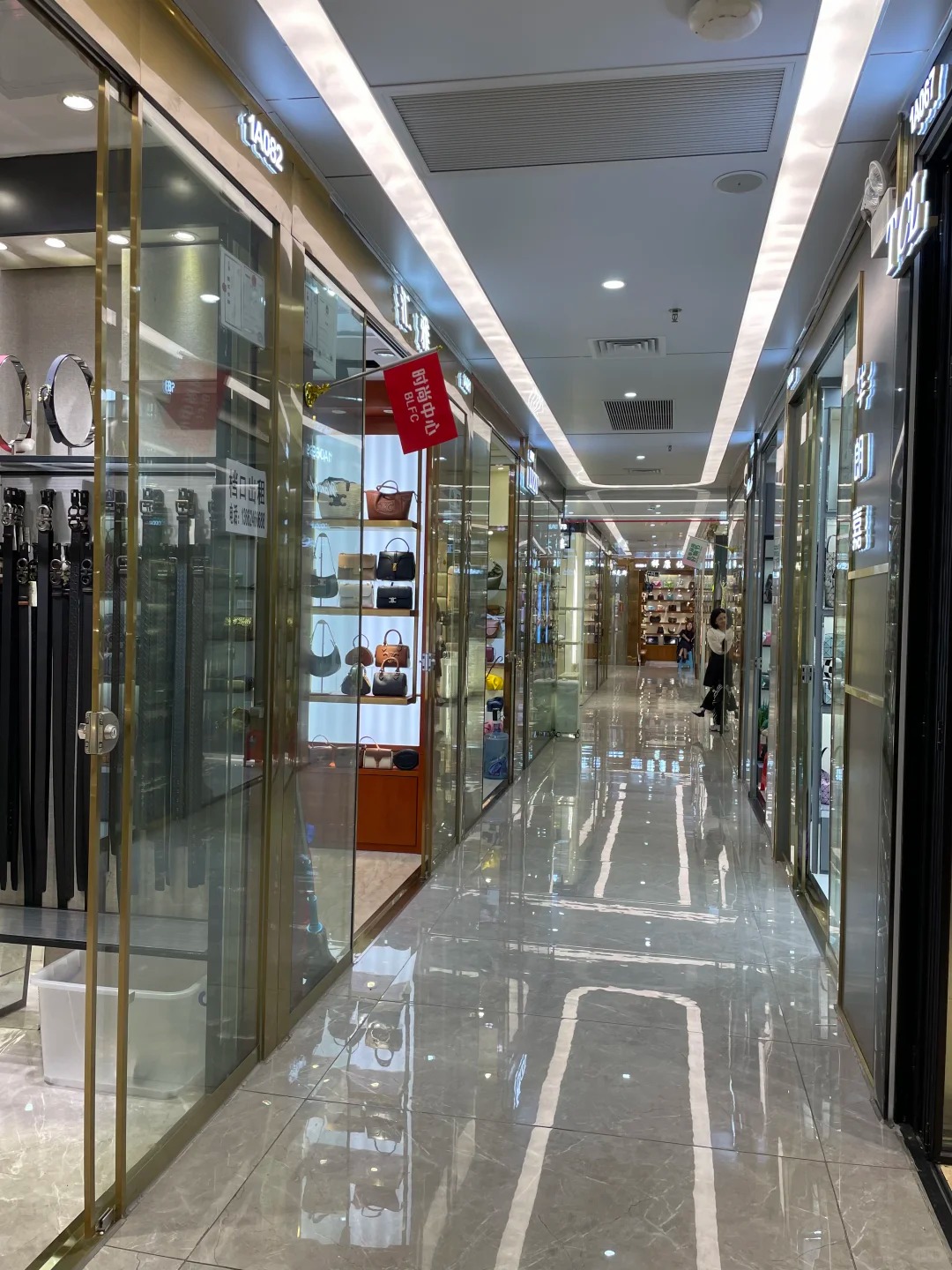
Yes, most Jeffrey Campbell shoes are made in China. The brand sources production from factories in China—primarily in the Guangdong and Fujian regions—along with some production in Brazil and India. For wholesale buyers, this means access to the same manufacturing ecosystems that produce the originals. But here’s the real scoop from the Shengze and Guangzhou wholesale markets: you’re not just buying a label; you’re buying the craftsmanship of Chinese shoemakers who can replicate high-quality, fashion-forward designs at a fraction of the cost. The key is knowing where to look and how to judge quality.
Why China? The Wholesale Reality
China dominates the global footwear market for a reason. The factories that produce Jeffrey Campbell shoes have decades of experience with complex lasted shapes, unusual heel structures, and trendy materials. If you’re strolling through a wholesale market in Guangzhou, you’ll see shoeboxes stacked high with styles that mirror the latest runway drops. Want to spot a well-made boot? Check the stitching—tight, even seams mean the factory uses current machinery. Also, feel the insole: quality foam and leather lining are signs of a top-tier producer.
How to Pick Like a Pro at a Wholesale Stall
When you’re at a market stand, don’t just look at the design. Grab the shoe and try to twist it—if it flexes too much, the shank is weak. Turn it over and check the outsole: quality rubber will have a subtle texture, not a slick shine. Ask the vendor about the last—a Jeffrey Campbell original often uses a specific wooden last shape. Many Chinese factories initially produce for the brand, then offer identical stock without the logo. That’s your golden ticket: same factory, same quality, lower price.
Spotting First-Run vs. Second-Tier
Not all Chinese-made shoes are equal. In the trade, you’ll hear about “first run” (the exact product made for the brand) and “second run” (slightly different materials or finishes). At Soudangkou, you can connect directly with stall owners who know which runs are which. They’ll show you the difference in leather grain and thread count. For example, a first-run Jeffrey Campbell boot might use full-grain cowhide; a second-run might use corrected grain. For wholesalers, buying first-run seconds (with minor cosmetic defects) can maximize margin. But always inspect the glue lines—clean, even adhesion is a hallmark of a professional factory.
Frequently Asked Questions
| Question | Answer |
|---|---|
| Are all Jeffrey Campbell shoes made in China? | Most are, but some are made in Brazil and India. Check the label inside the shoe for exact origin. |
| Do Chinese factories produce the exact same quality? | Yes—if you buy from the same factory that makes the original, the quality is identical. Look for first-run stock. |
| How do I find the factory that makes Jeffrey Campbell? | Use sourcing platforms like Soudangkou to connect with verified suppliers in Guangzhou. Ask for production samples. |
| Can I buy Jeffrey Campbell shoes without the brand label? | Yes, many wholesale stalls sell “no-brand” versions from the same production lines. This is legal and a great way to save. |
| What materials do Chinese factories use for these shoes? | Common materials include leather, synthetic leather, suede, and canvas. Quality varies by price—ask for swatches. |
Final Word from a Sourcing Insider
Don’t get hung up on the “Made in China” label. In the wholesale game, it’s a sign of opportunity. The best strategy is to build relationships with stall owners who specialize in contemporary footwear. They’ll show you the latest lasts and explain which shoes move fast in Western markets. At the end of the day, whether it’s a Jeffrey Campbell original or an identical unbranded shoe, the profit is in the details—and the details are made in China.
广州服装档口相关入口
继续查看相关市场和品类入口,方便对比档口微信、货源范围、拿货方向和试单前需要核实的信息。