The Short Answer: No, Not in the Way You Think
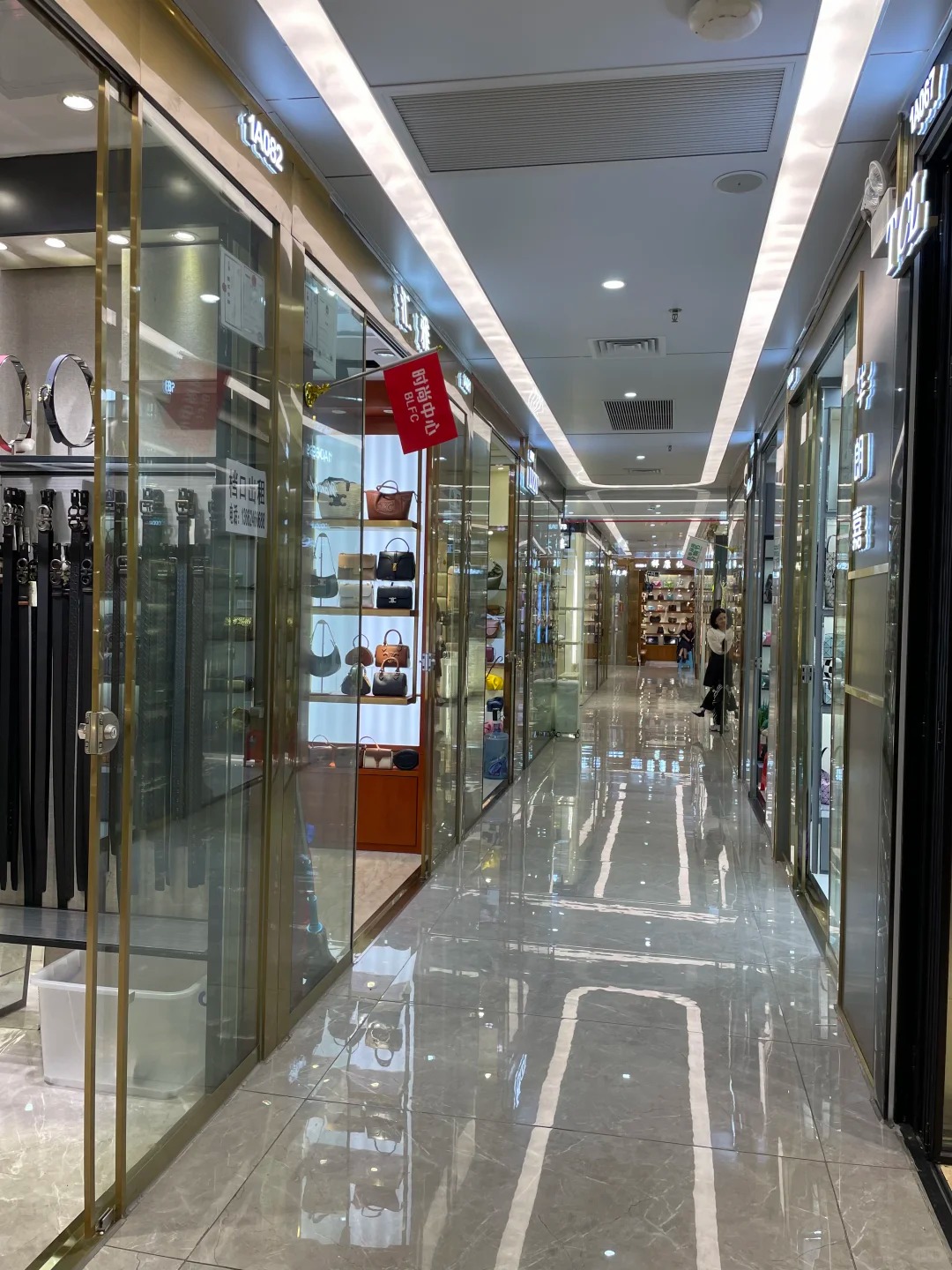
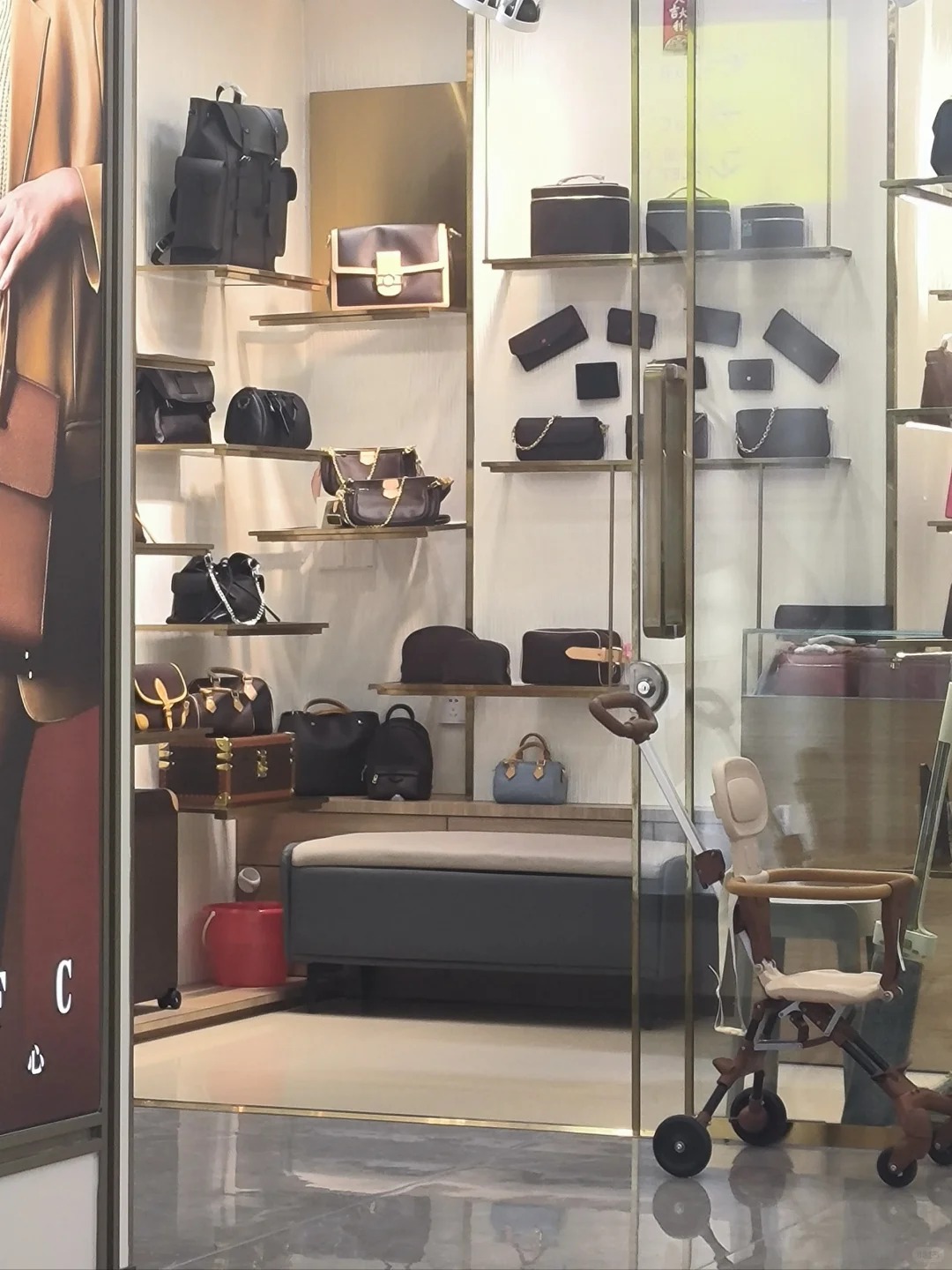
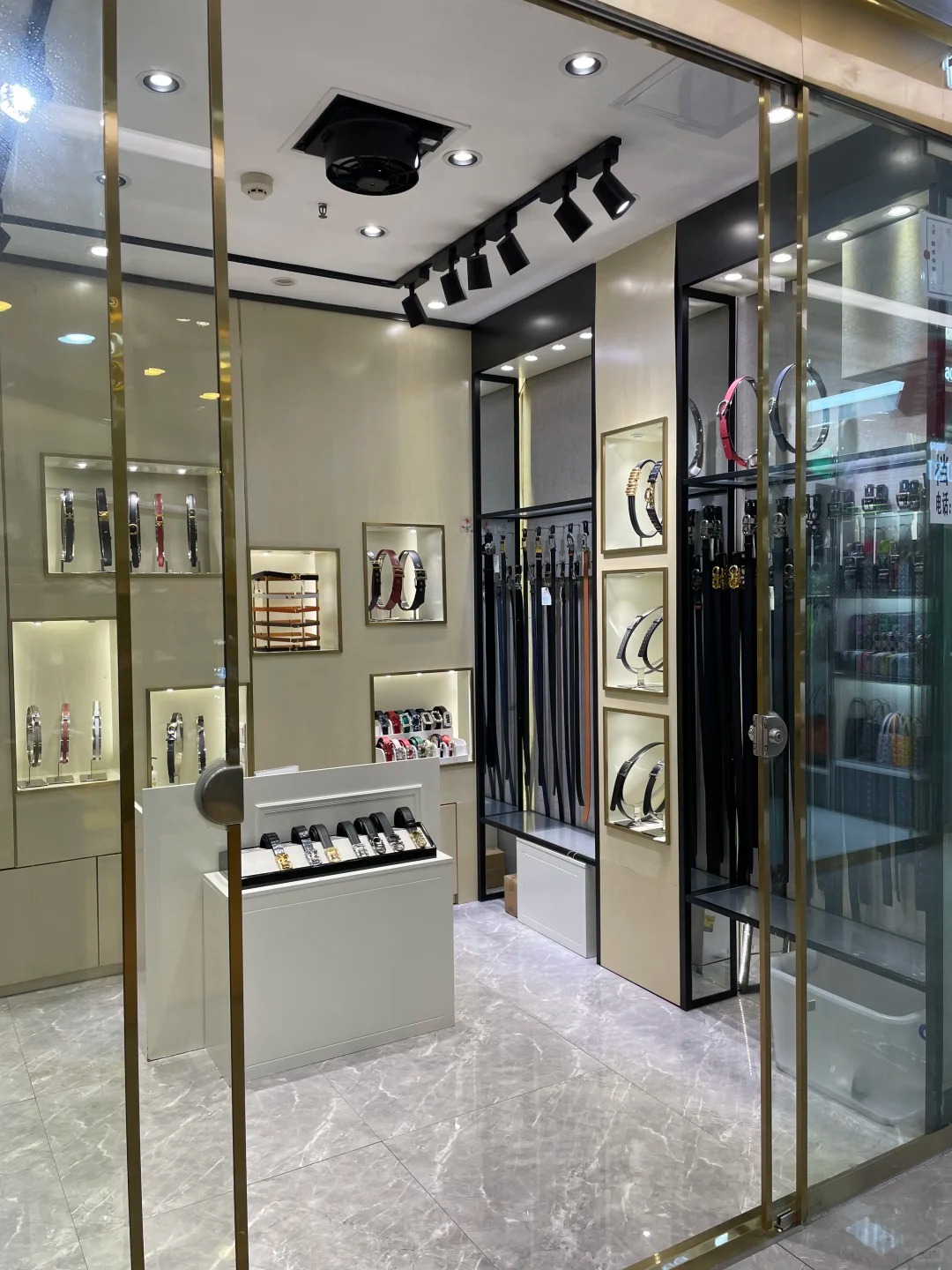
Most shoes from China are not “fake” in the sense of being poorly made or illegally branded. The confusion comes from two realities: (1) China produces roughly 60% of the world’s footwear, including for top Western brands, and (2) a parallel market exists for “inspired” or unbranded shoes that use similar materials and construction. In wholesale market stalls—like those at Soudangkou—you’ll find four tiers: genuine OEM overruns (same factory, same quality, no box), licensed products, private-label goods, and budget options. The key is knowing how to spot the difference.
Why the “Fake” Perception Exists
1. The Brand-to-Factory Gap
Big brands like Nike, Adidas, and New Balance contract with Chinese factories. Those factories often produce extra units (overruns) or sell seconds with minor flaws. These are real shoes, just without the official packaging. Resellers buy them by the pallet and sell at wholesale markets.
2. The Copycat Confusion
Some stalls sell shoes that mimic popular designs but use different branding or no branding. A shoe that looks exactly like an Air Jordan but says “Air Jordan”? That’s illegal. A shoe in the same silhouette with a different logo? That’s a “style” or “inspired design.” Legally gray, but not necessarily low quality.
3. The Price Trap
At wholesale, a genuine unbranded leather sneaker from a good factory costs $8–15. A similar shoe marketed as “luxury” in a boutique might be $80. The gap is in margins, not necessarily quality.
How to Spot Quality in a Wholesale Stall
When you walk into a stall at Soudangkou, ignore the sales pitch. Look at three things:
- Upper material: Real leather has a distinct smell and grain. Synthetic leather (PU) feels overly smooth and cold. Ask for a scrap piece to check flexibility and breathability.
- Stitching: Turn the shoe over. Neat, tight, even stitches (8–10 per inch) indicate a good factory. Loose, crooked, or uneven stitching means rushed work, likely weak glue bonds.
- Insole & outsole: Remove the insole. Check if it’s glued or sewn. A stitched-in insole lasts longer. Squeeze the outsole—should be firm but springy, not rock hard.
Pro tip: Bring a cheap UV light. Some fake leathers glow under UV; real leather does not.
FAQ: Common Myths About Chinese Shoes
| Question | Answer |
|---|---|
| Are all shoes from China poorly made? | No. The same factories that make $200 Nikes also make $10 unbranded athletic shoes using similar processes. Quality depends on the price point and specification, not origin. |
| Can I get fake branded shoes at wholesale markets? | Legitimate stalls avoid fakes due to legal risks. Instead, they sell overruns (real, unbranded) or licensed products. If you see a stall with clearly fake logos, walk away—it’s usually paired with bad quality. |
| How can I tell if the shoes are “real” leather? | Use the flame test: burn a small fiber from the inside; leather smells like burning hair, plastic smells acrid. Also, press the surface—leather wrinkles naturally, PU doesn’t. |
| What’s the best price for decent quality? | For casual sneakers, $8–15. For fashion boots, $18–25. If someone quotes $5, expect cardboard-like materials. At $30+, you might be paying for packaging or brand name. |
| Do Chinese factories sell their own brands? | Yes. Many factories have own-brand lines (e.g., D&F, Superga-style). These are often better value than budget branded goods because they cut out middlemen. |
Conclusion: Source Smart, Not Scared
The next time someone asks “are shoes from China fake?,” tell them the truth: China makes some of the best shoes on Earth—and some of the worst. Successful wholesalers visit markets like Soudangkou with a critical eye, testing materials and checking craftsmanship. The real secret? Build relationships with stall owners who source from honest factories. They’ll steer you right.
At Soudangkou, we’ve seen buyers turn $5 junk into $20 dogs, and vice versa. It’s not about “fake” or “real.” It’s about knowing what you’re paying for.
广州服装档口相关入口
继续查看相关市场和品类入口,方便对比档口微信、货源范围、拿货方向和试单前需要核实的信息。