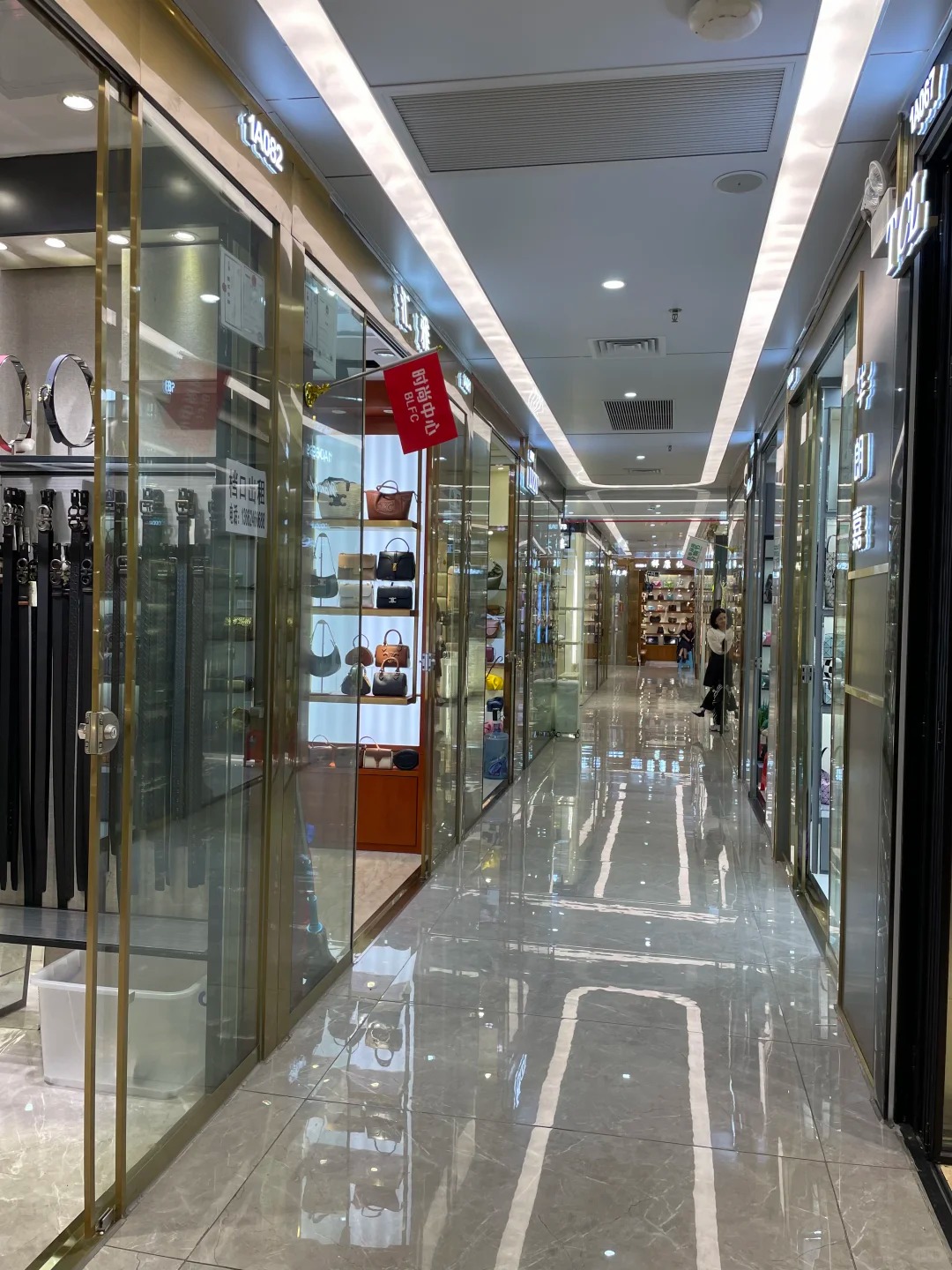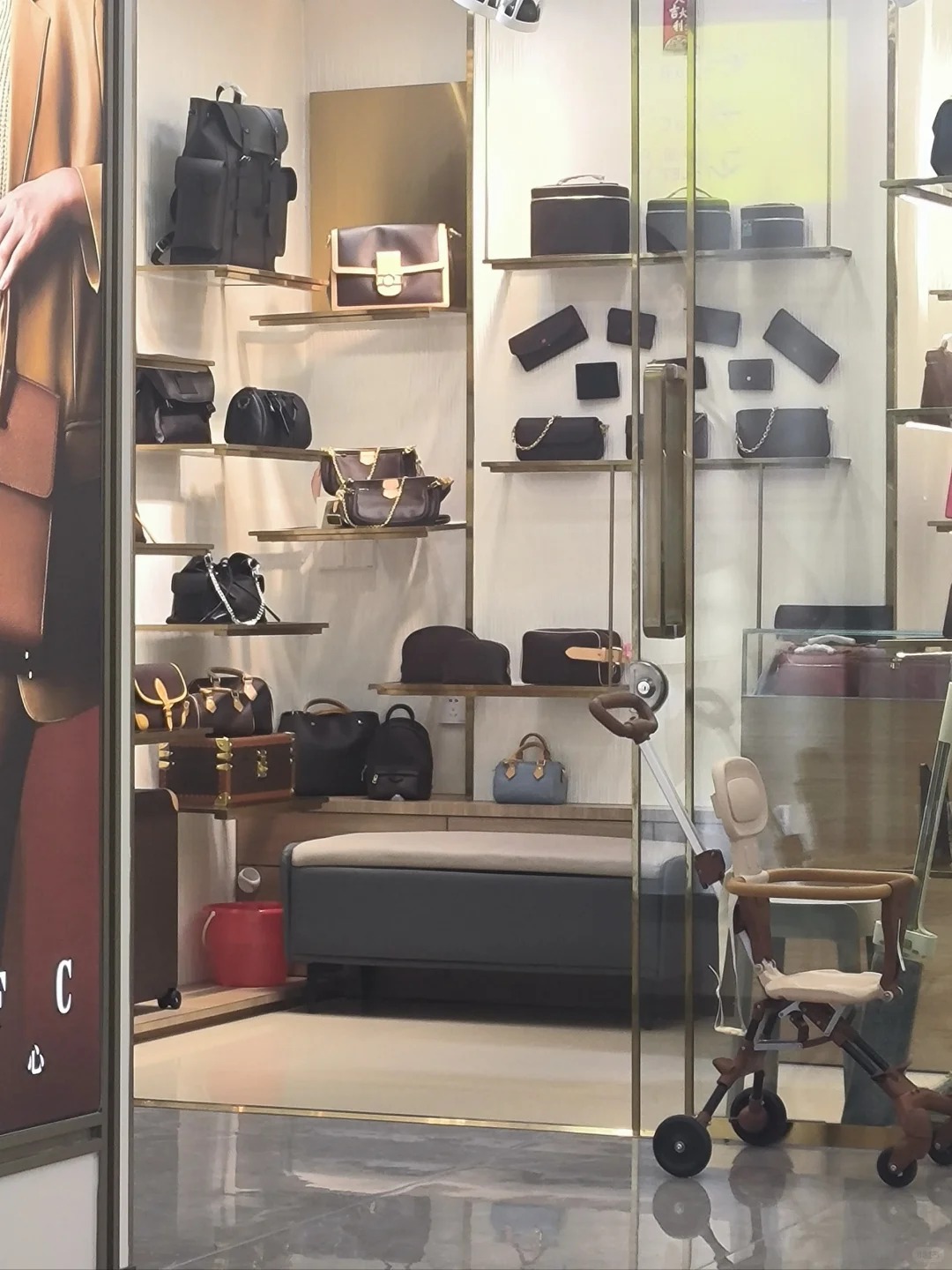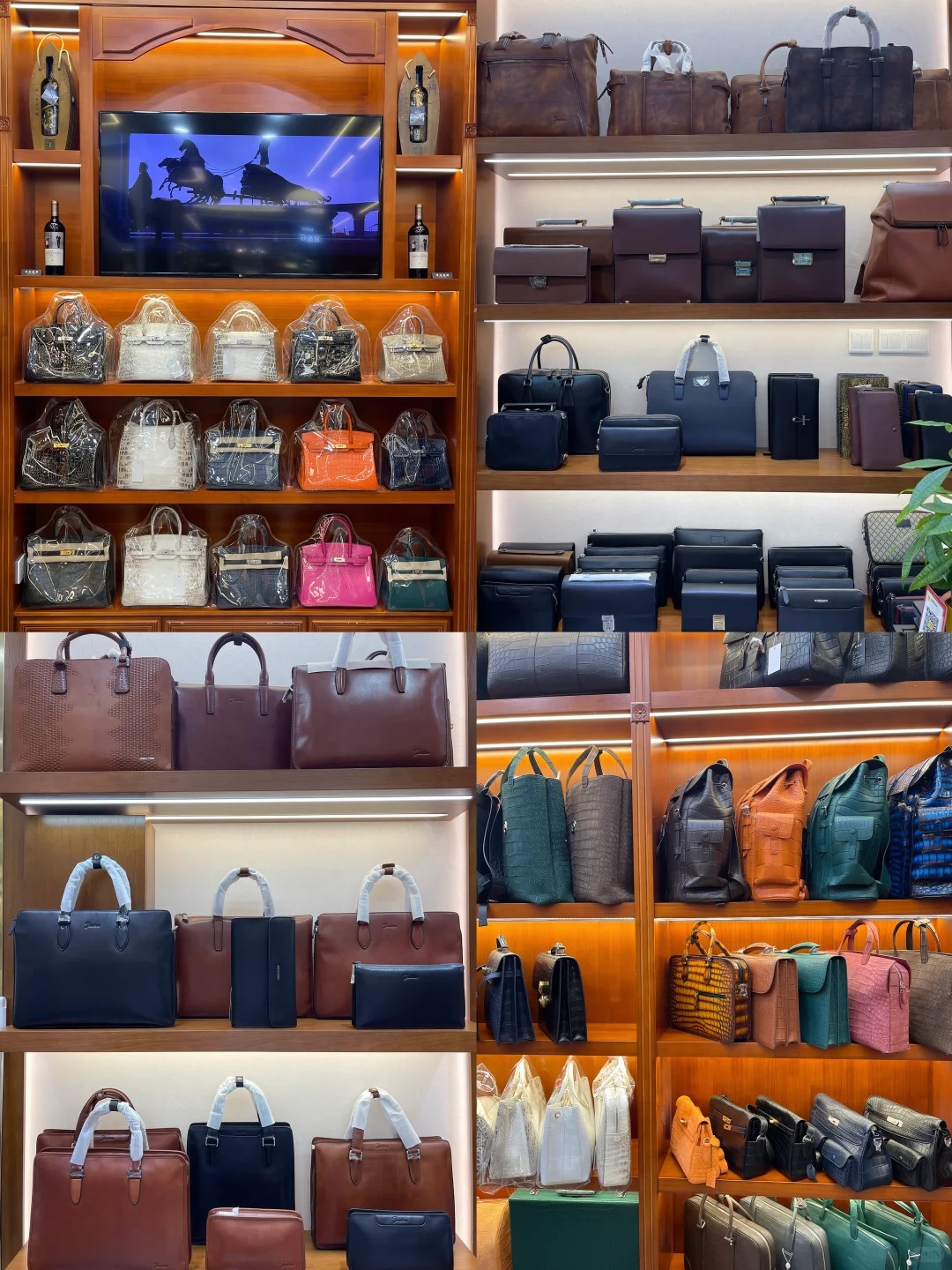

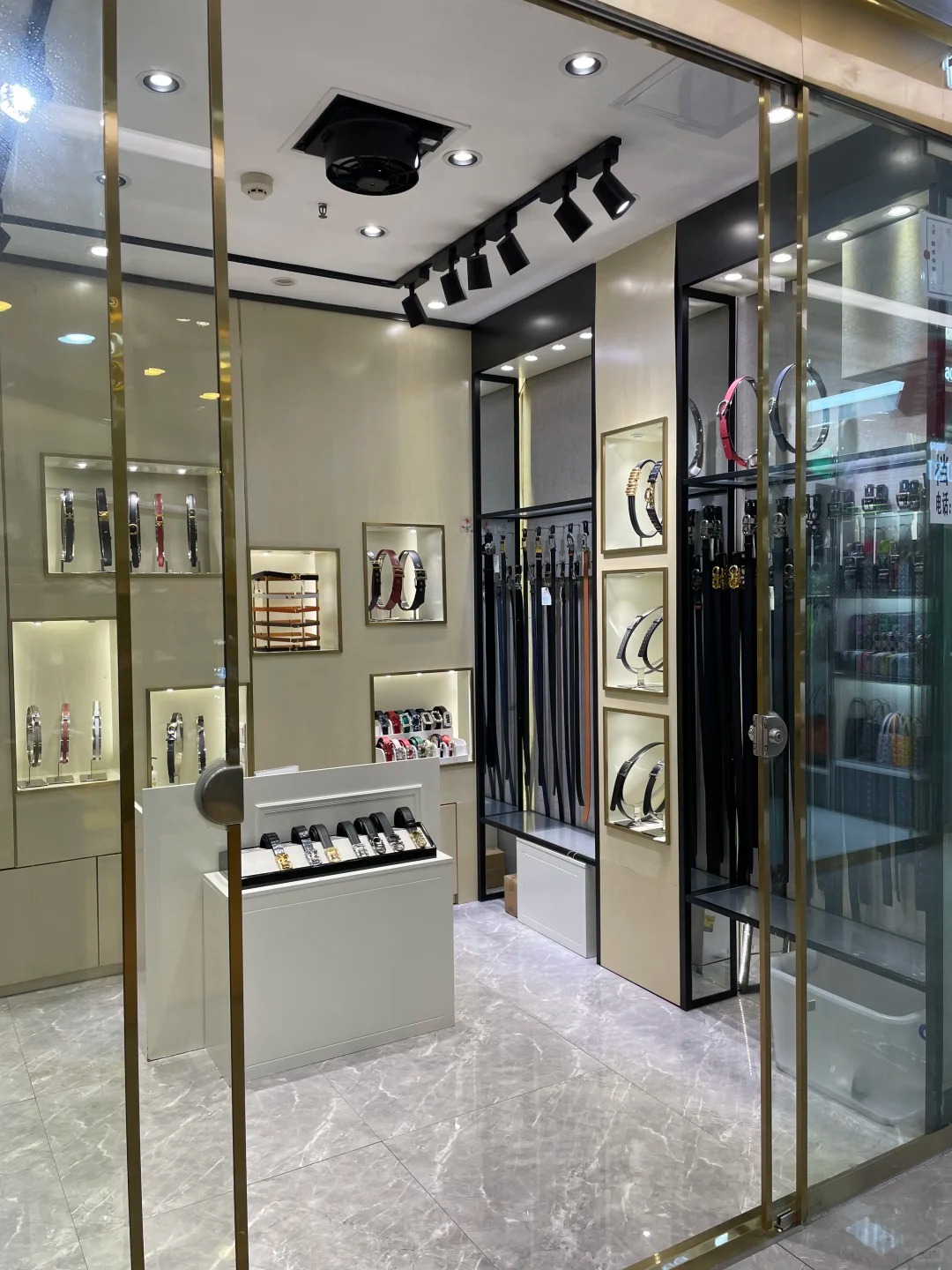
Yes, shoes from China are real, but not all are created equal. The question ‘are shoes from China real’ often stems from experiences with counterfeits or low-end exports. But walk into any wholesale market stall in Guangzhou or Chengdu, and you’ll see thousands of authentic, well-made shoes sourcing from domestic OEM factories. The trick is knowing how to judge.
Why Some Think Chinese Shoes Are ‘Fake’
A decade of cheap plastic soles and glued-on labels gave Chinese footwear a bad rap. But that’s the trap of low-cost bulk. Today, many stalls offer firsthand goods—overstock from big brands or direct factory releases. The real deal lies in the details: material, stitching, and construction.
How Wholesale Stalls Verify Quality
When you hit a physical market, you can touch and test. Here’s what seasoned buyers check:
- Leather vs. PU: Genuine leather has a natural grain and smell. Press your thumb—fine creases mean real, plastic shine means PU.
- Stitching: Turn the shoe inside out. Look for straight, tight stitches with no loose threads. 8-10 stitches per inch is standard for quality.
- Sole flexibility: Bend the shoe at the ball of the foot. A good shoe flexes easily and springs back, no cracking.
- Insole removal: Lift the insole. If you see raw cardboard or foam, pass. Quality shoes have a firm, glued board or leather.
Popular Shoe Types That Are Real and Durable
Leather Oxfords & Loafers
Many Chengdu stalls offer calfskin dress shoes at ¥80-150 wholesale. Check the lining—leather inside means real craftsmanship.
Canvas Sneakers
Classic Chinese canvas shoes (like Feiyue) are 100% real and use vulcanized rubber soles. Look for even glue lines and solid toe caps.
Hiking Boots
China produces millions of genuine leather hiking boots for European brands. Stalls often sell leftover inventory with Gore-Tex membrane—confirmed by a water beading test.
FAQ: Are Shoes from China Real?
| Question | Answer |
|---|---|
| Are all Chinese shoes fake? | No. Many stalls sell authentic overstock from OEMs. Avoid items with obvious logo mishaps or plastic smell. |
| How can I tell if leather is real? | Real leather absorbs water; PU repels it. Also check the cut edge: real leather is fibrous, PU is smooth plastic. |
| What’s a fair price for real Chinese shoes? | Leather shoes: ¥80-200. Canvas: ¥20-60. Boots: ¥150-350. Extremely low prices often mean synthetic materials. |
| Do size charts lie? | Chinese shoes often run half size small. Always request a measurement chart—or better, try a sample pair. |
| Can I buy single pairs as a test? | Most stalls require minimum orders, but some let you buy 2-3 pairs. Politely ask to ‘test the market’. |
| What about online platforms like Taobao? | Quality varies. Soudangkou suggests visiting physical stalls to verify first, then reorder digitally. |
Conclusion: Trust Your Hands, Not Rumors
Shoes from China are real, and many are excellent value. The key is shifting from ‘brand-focused’ to ‘quality-focused’. Visit a wholesale market, use the touch tests above, and you’ll leave with durable shoes that sell. For those serious about sourcing, Soudangkou’s network of vetted stalls can guide you to the best firsthand goods.
广州服装档口相关入口
继续查看相关市场和品类入口,方便对比档口微信、货源范围、拿货方向和试单前需要核实的信息。