
Table of Contents
Most English guides to Guangzhou wholesale markets are built on a hidden assumption: either you get on a plane, or you pay an agent to stand in the stall for you. CMH’s market guide organizes itself around “which district to visit”. SourcePilot states plainly that overseas buyers “typically come with a local agent”. EpicSourcing goes further, concluding that solo buyers are “better off sourcing through a local agent on the ground” because of the risk of a stallholder who “disappears once you’ve paid a deposit”.
The risk is real. The conclusion is not.
The failure EpicSourcing describes — deposit paid, supplier silent — is almost never a failure of directness. It is a failure of verification. A buyer who wires money to a WeChat contact without confirming who legally sits behind that account has the same exposure whether they found the contact through an agent or through a market stall. Paying an intermediary does not automatically solve the verification problem; it often just adds a layer between the buyer and the person who should be verified.
This article takes the opposite starting point: you can contact a Guangzhou wholesale stall or factory directly, without flying there, provided the contact itself has been checked before it reaches you. Here is the path, and here is how to verify it on your own.
Step 1: Accept that “direct” means nothing until the contact is verified
A WeChat ID and a stall photo are not a verified contact. They are a lead. The distinction matters because the most common failure mode in Guangzhou sourcing is not finding a stall — it is finding a stall whose contact details are current, whose operator is responsive, and whose identity can be cross-checked against a registry.
A verified contact has three properties:
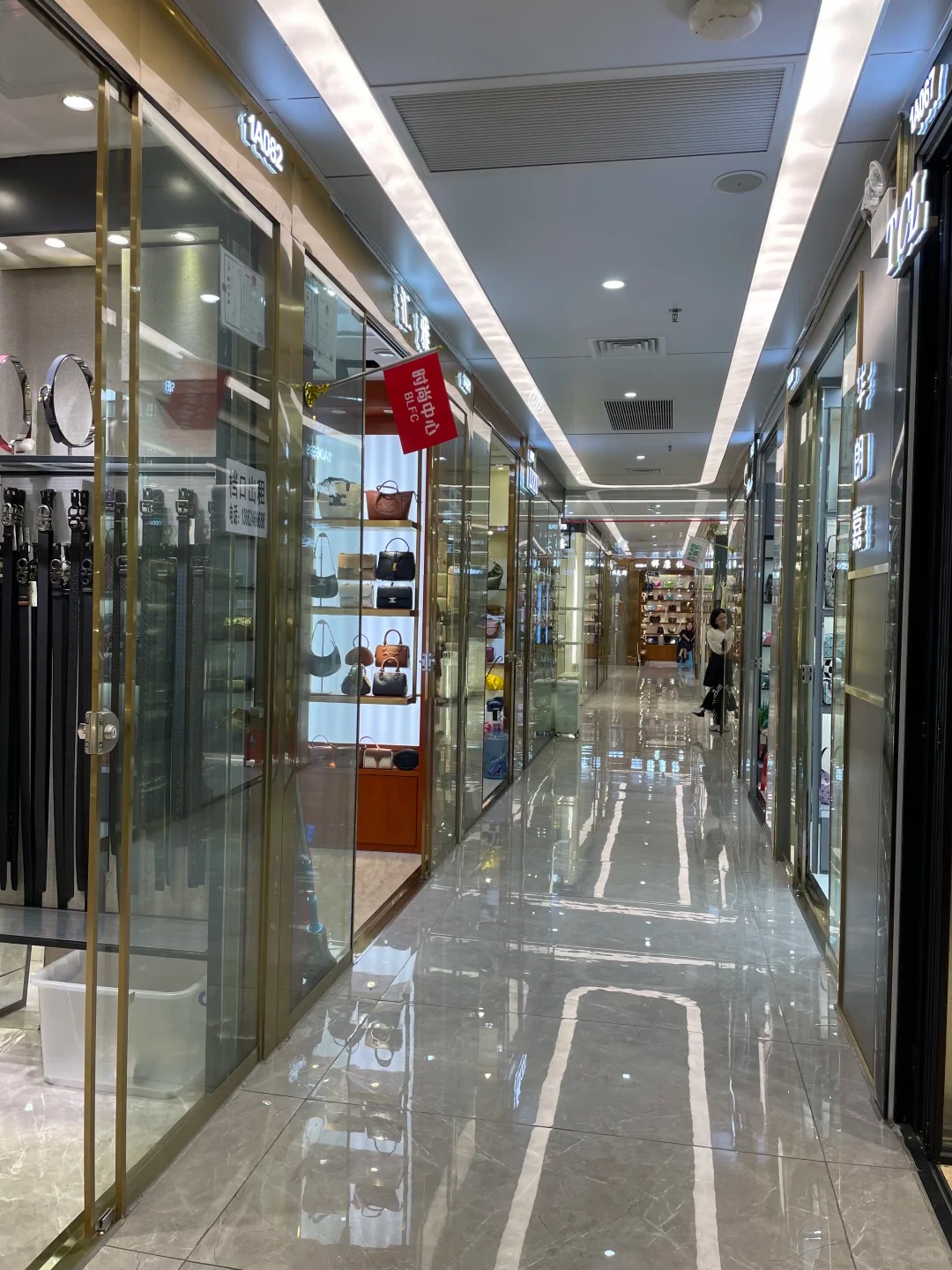
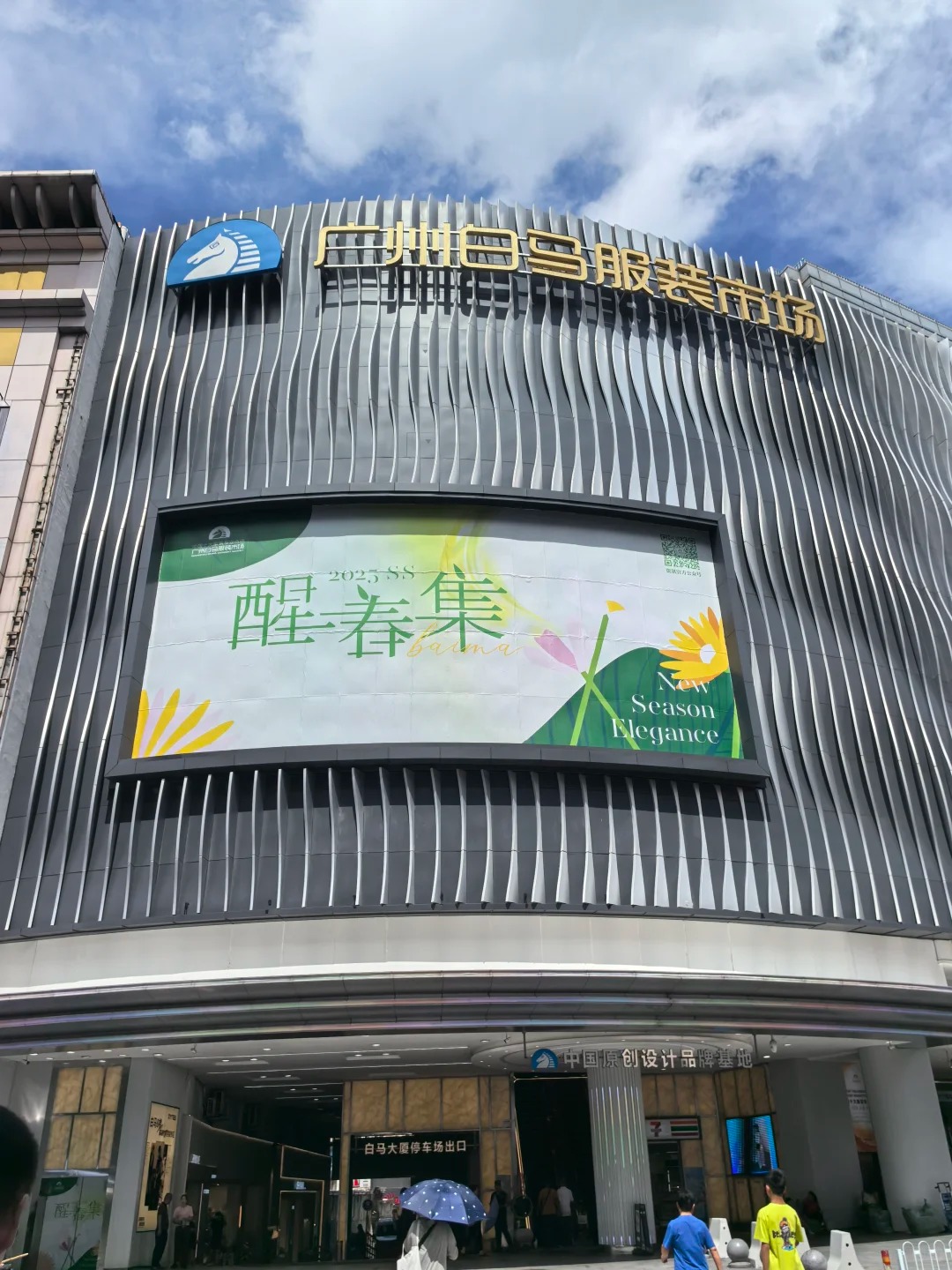
- The stall exists at a known address in a known market. “Baima, 3rd floor” is not enough. The building, floor, and stall number must be specific enough to be checked independently.
- The WeChat account is tied to a person who responds as that stall. A live video call from the stall floor, or a message thread that consistently references the stall’s product line, is a minimum signal.
- The legal or operating identity behind the contact can be looked up. For factories, this means a business license and a Unified Social Credit Code that resolve on China’s national registry (gsxt.gov.cn). For market stalls that operate as trading entities rather than registered manufacturers, the operator’s name and the stall’s registration status in the market’s own vendor system serve the same function.
Most “contact lists” sold online give you property 1 and sometimes property 2. Almost none give you property 3.
Step 2: Use the live-video test before you treat a contact as real
The single most reliable filter for a Guangzhou supplier contact is whether the person behind it will show you the stall or production floor in real time on WeChat. A legitimate stall operator or factory contact has no structural reason to refuse. The most common red flag documented across verification guides is a supplier who sends polished photos but avoids a live walkthrough — “camera broken,” “manager not available,” “too busy”.
Ask for a 60-second live video from the stall, not a pre-recorded clip. If the contact cannot or will not do this, the contact is not yet usable, regardless of how good the product photos look.
Step 3: Confirm the identity behind the WeChat account
For a factory contact, ask for the full registered Chinese company name and the 18-digit Unified Social Credit Code, then search it yourself on gsxt.gov.cn. Do not rely on a screenshot of the license. Confirm three things: registration status is active, business scope covers the product category, and the name matches the entity that would receive payment. For market stalls that are not separately registered manufacturers, the equivalent check is the stall’s vendor record in the market and the operator’s consistent identity across the stall card, WeChat profile, and any transaction documents.
For payments, the bank account beneficiary must match the verified entity exactly. A personal WeChat Pay or Alipay request for a B2B order is a red flag on its own, regardless of how responsive the contact has been.
Step 4: Keep the relationship direct after first contact
The purpose of verification is not to replace the direct relationship — it is to make it safe enough to keep. Once a contact passes the live-video and identity checks, the buyer should continue to deal with that stall or factory directly: negotiate, sample, and place the order on their own terms. The value of skipping an agent is not simply cost; it is information fidelity. The person describing the product, quoting the MOQ, and committing to a lead time is the same person accountable for the order.

This is the difference between a contact list and a verified contact layer. A list gives you more names; a verified layer gives you fewer names that you can actually use without adding an intermediary back into the chain.
What we compile at Soudangkou is built around that distinction. We do not sell products and we do not act as a sourcing agent. We collect, check, and maintain direct contact details for authenticated factories and market stalls across Guangzhou, Hangzhou, Yiwu, and Korea’s Dongdaemun — including live-video-verified WeChat contacts and, where applicable, operating identity information that can be cross-checked before a deposit is sent. The goal is not to make “direct” sound risk-free. The goal is to make verified direct the default starting point, rather than an assumption that only an agent can provide.
广州服装档口相关入口
继续查看相关市场和品类入口,方便对比档口微信、货源范围、拿货方向和试单前需要核实的信息。