
Table of Contents
Search “how to verify a Chinese supplier on WeChat” and you will find solid, serious checklists. Kelly Zhang Law’s ten-step legal checklist correctly puts the 18-digit Unified Social Credit Code at the center of entity verification. China IP Gateway’s guide draws a useful line between entity verification and factory auditing, and insists that contract party, bank account, and invoice name must align. EJET Procurement states the distinction better than most: “Documents prove a company exists. A video call proves it operates.”
These guides are worth reading. But they share a starting assumption that most buyers never pause to question: that you already have a contact, and that your job is to verify what sits behind it.
That assumption is where the expensive mistakes begin.
The contact itself is the first thing to verify — not the last
Every verification guide implicitly places the buyer at a specific moment: you have a WeChat ID, you have added the account, you are chatting, and now you must decide whether to send a deposit. The checklist that follows — business license, USCC, GSXT lookup, bank account match — is designed for that moment.
But a WeChat ID is not a neutral starting point. It is a filtered or unfiltered artifact. Where it came from determines how much verification you still need to do, and whether the effort is likely to be worth it.
A contact sourced from a random comment under a TikTok video, a WhatsApp forward, or a “factory list” PDF of unknown provenance carries a very different verification burden from a contact that was collected against a known market address, cross-checked against a stall’s operating identity, and confirmed through a live video walkthrough before it was ever offered to a buyer.
The practical implication is simple: the best time to reject a bad contact is before you invest the 30–90 minutes of legal and video checks that a proper verification requires. Verification is not free — not in time, and often not in the cost of a sample or a small test order. Spending that effort on a contact that was never viable is the quiet waste in most sourcing workflows.
What a contact should have already passed before it reaches you
If you are paying for access to direct supplier contacts — rather than collecting them yourself from open social media — the contact layer should meet a minimum standard before you ever see it. Four checks matter most, in this order:
1. The stall or factory exists at a specific, independently checkable address.
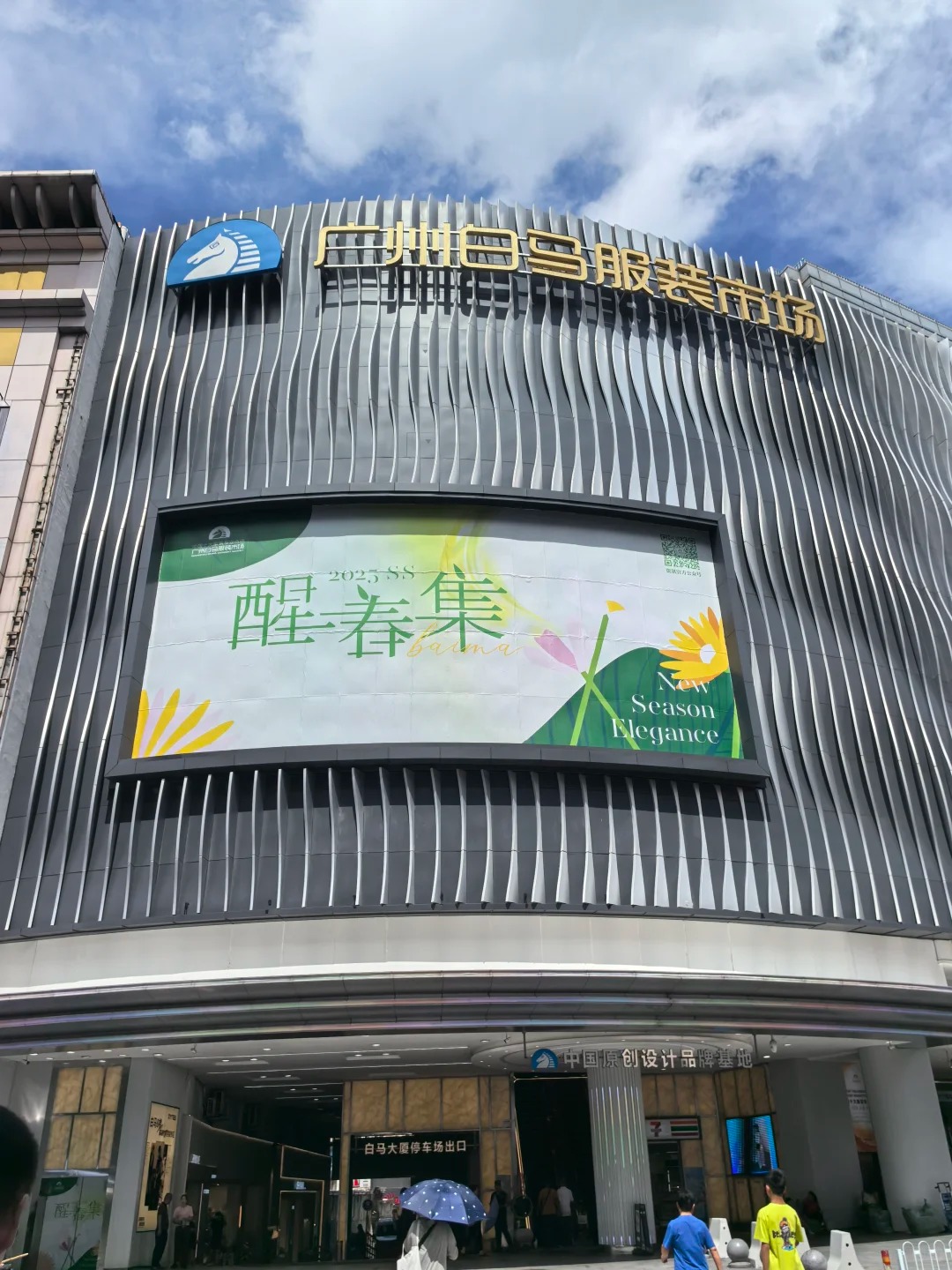
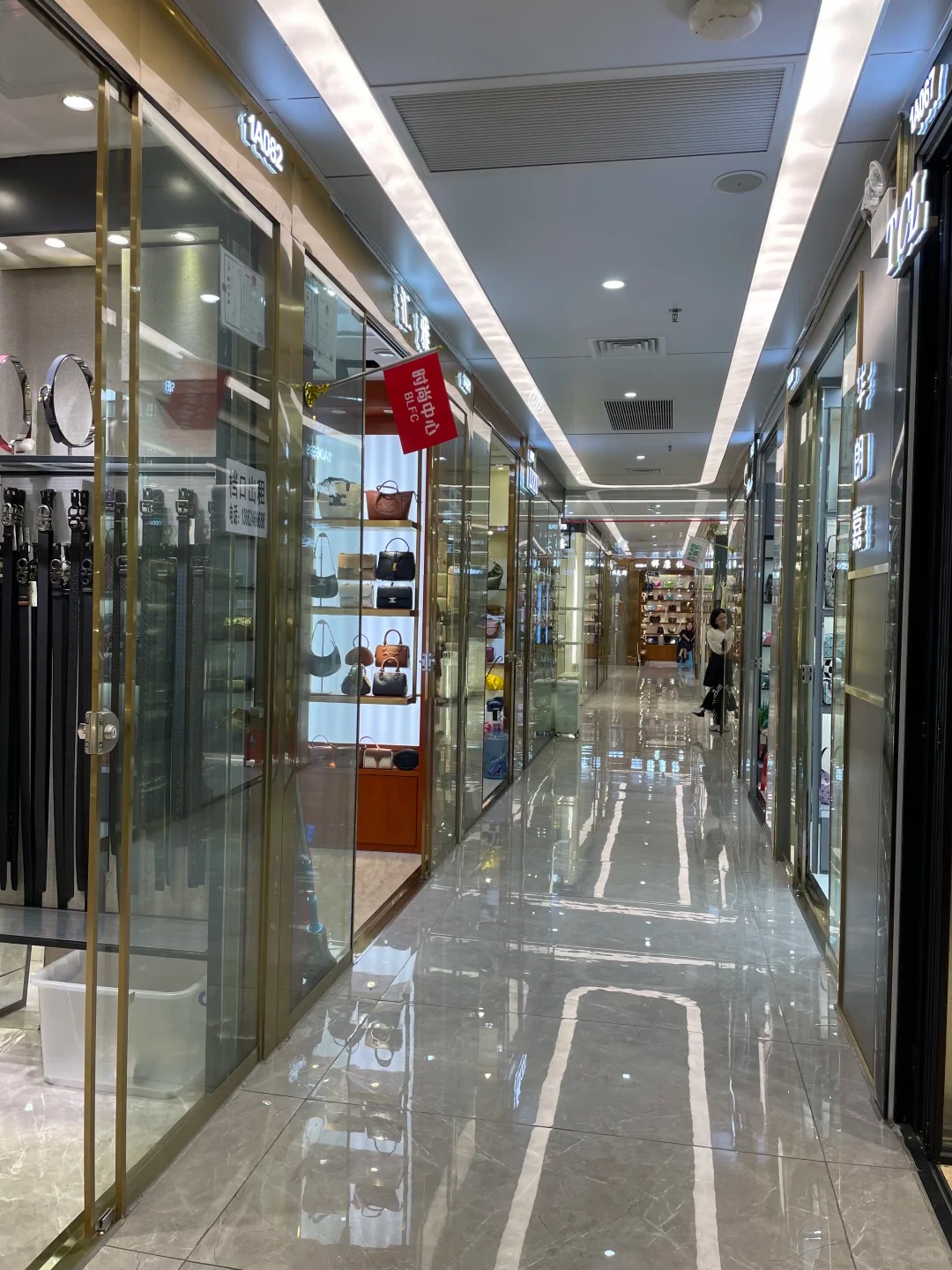
“Guangzhou” or “Baima Market” is not an address. A usable contact should point to a building, floor, and stall number — or a factory address that resolves to an industrial zone, not a residential building or a virtual office. AgentGuangzhou’s verification guide makes the same point from the buyer’s side: if the registered address is in a residential building or office tower, the entity may be a trading firm rather than a manufacturer. The contact layer should have already caught this before delivery.
2. The WeChat account is tied to the stall or factory, not to an intermediary posing as one.
This is the check most “contact lists” skip entirely. A WeChat account can be created in minutes; a market stall’s vendor record cannot. The question is not whether the person replies quickly — it is whether the account’s operating identity is consistent with the stall or factory it claims to represent. Has the account been observed referencing the stall’s actual product line? Has the person behind it been seen, on camera, at that stall? A contact that has never been linked to a physical operating location is a lead, not a verified channel.
3. A live video walkthrough has been completed — before the buyer asks for one.
EJET Procurement recommends that buyers request a live video call, not a pre-recorded tour, and specifically warns that a supplier “who cannot walk you through production on camera either does not control the facility or does not want you seeing it.” That test is sound. But if the buyer is the first person asking for it, the contact has not been verified at the contact layer — it has merely been listed.
A live-video-confirmed contact means the awkward request has already been made and answered. When you add the account, you are not testing whether the supplier will show the stall; you are building on a contact that has already done so.
4. For factory contacts, the operating entity behind the WeChat account is resolvable on GSXT.
Not every market stall is a separately registered manufacturing company — many are trading entities operating within a market’s vendor system. But where a factory contact is offered as a factory, the entity behind it should be lookable-up: a Chinese legal name and a USCC that resolve on gsxt.gov.cn, with an active status and a business scope consistent with the product category. The buyer should still run that check personally before wiring money — the contact layer cannot replace your own due diligence. But the contact layer should not hand you a WeChat ID that has no identifiable entity behind it at all.
What still belongs to you after the contact is verified
Pre-verified contact does not mean pre-verified transaction. Four checks remain the buyer’s responsibility, and no contact layer — ours included — should claim otherwise:
- Run the USCC yourself on gsxt.gov.cn. Do not accept a screenshot. The registry is Chinese-only and has no official English interface; use the exact Chinese legal name or the 18-digit code.
- Confirm payment beneficiary matches the verified entity. A personal WeChat Pay or Alipay request for a B2B order is a risk signal regardless of how responsive the contact has been.
- Keep communication on WeChat, but keep money on corporate channels. ChinaSourcingAI puts it plainly: “WeChat for communication, not personal payment.”
- Use a first order small enough to test execution, not just existence. A live video proves operation; a sample and a small first order prove execution. The contact layer can filter out non-operating entities before you spend on that test — but it cannot replace the test itself.
Why this distinction matters for direct sourcing
The whole case for contacting a Guangzhou supplier directly — without an agent — rests on information fidelity. The person describing the product, quoting the MOQ, and committing to a lead time is the same person accountable for the order. But that case collapses if the “direct” contact turns out to be an undisclosed intermediary, or an account that was never tied to the stall it claimed.
Verification at the contact layer is what makes direct sourcing actually direct.
At Soudangkou, we do not sell products and we do not act as a sourcing agent. We collect, check, and maintain direct contact details for authenticated factories and market stalls across Guangzhou, Hangzhou, Yiwu, and Korea’s Dongdaemun. The check happens before the contact reaches a buyer: address specificity, operating identity consistency, live-video confirmation, and — for factory contacts offered as factories — an entity that can be resolved on the national registry. What you do with the contact after that is your transaction, on your terms. The goal is not to make verification unnecessary. It is to make the contact worth the verification effort before you spend it.
广州服装档口相关入口
继续查看相关市场和品类入口,方便对比档口微信、货源范围、拿货方向和试单前需要核实的信息。