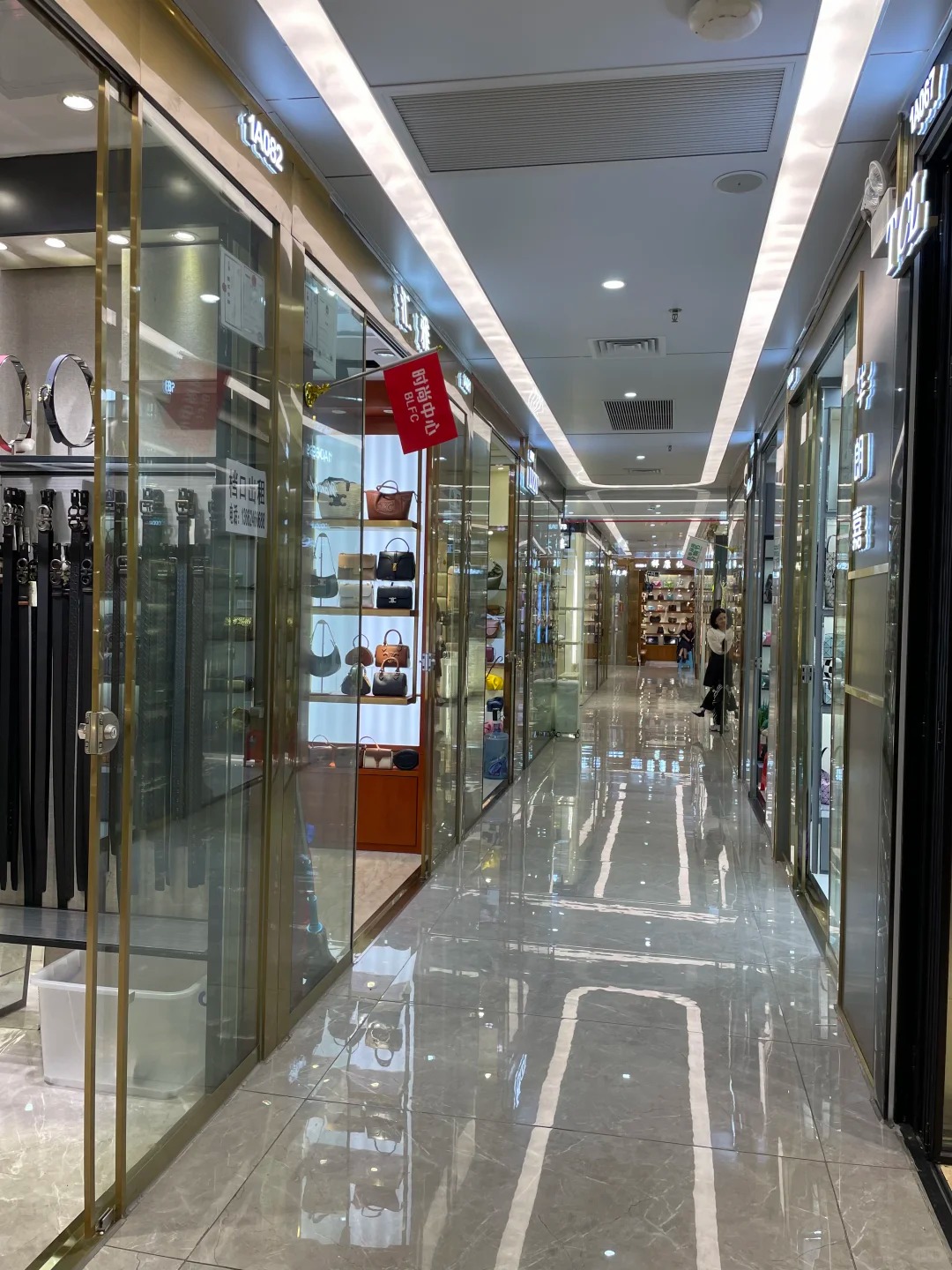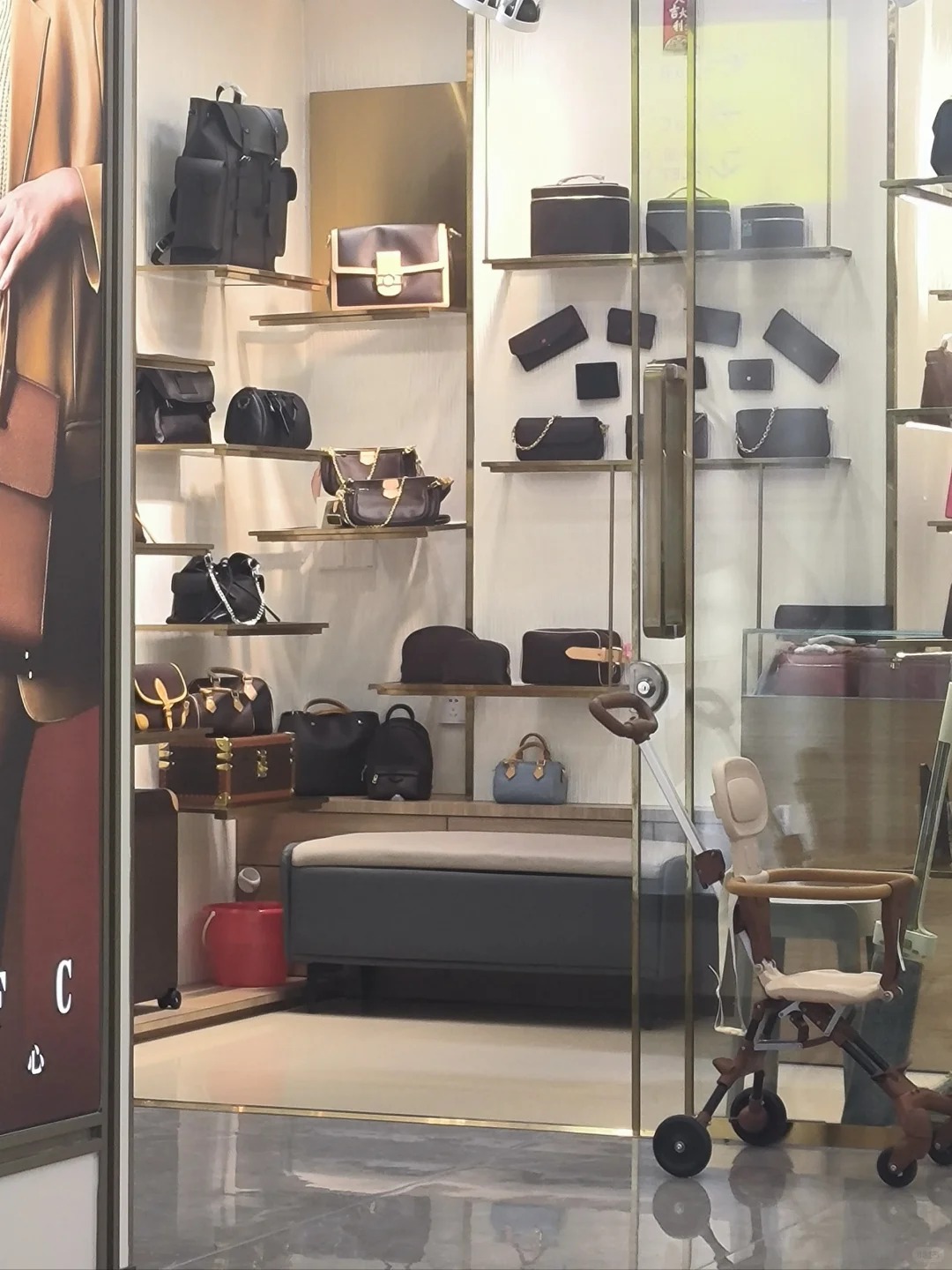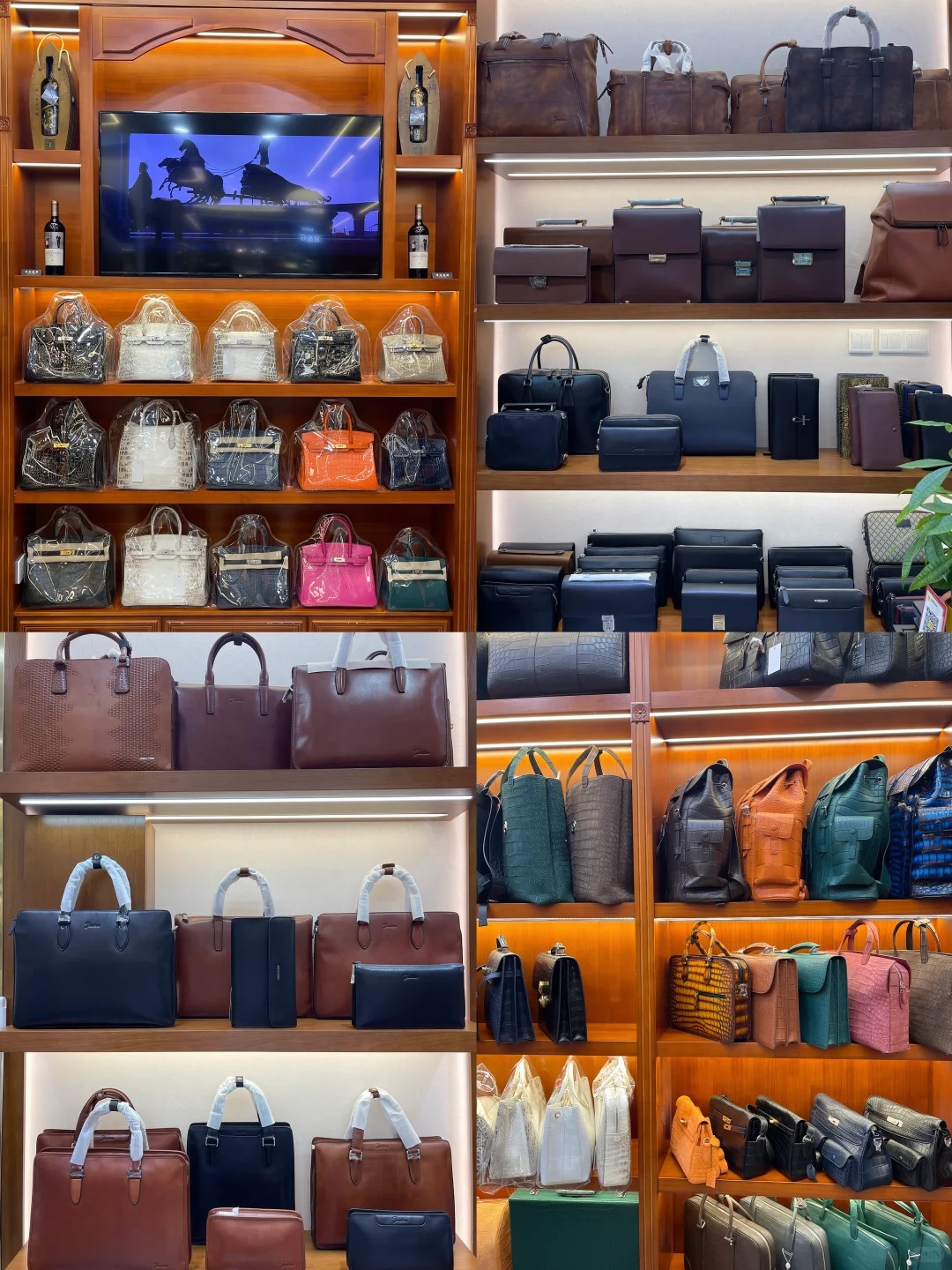

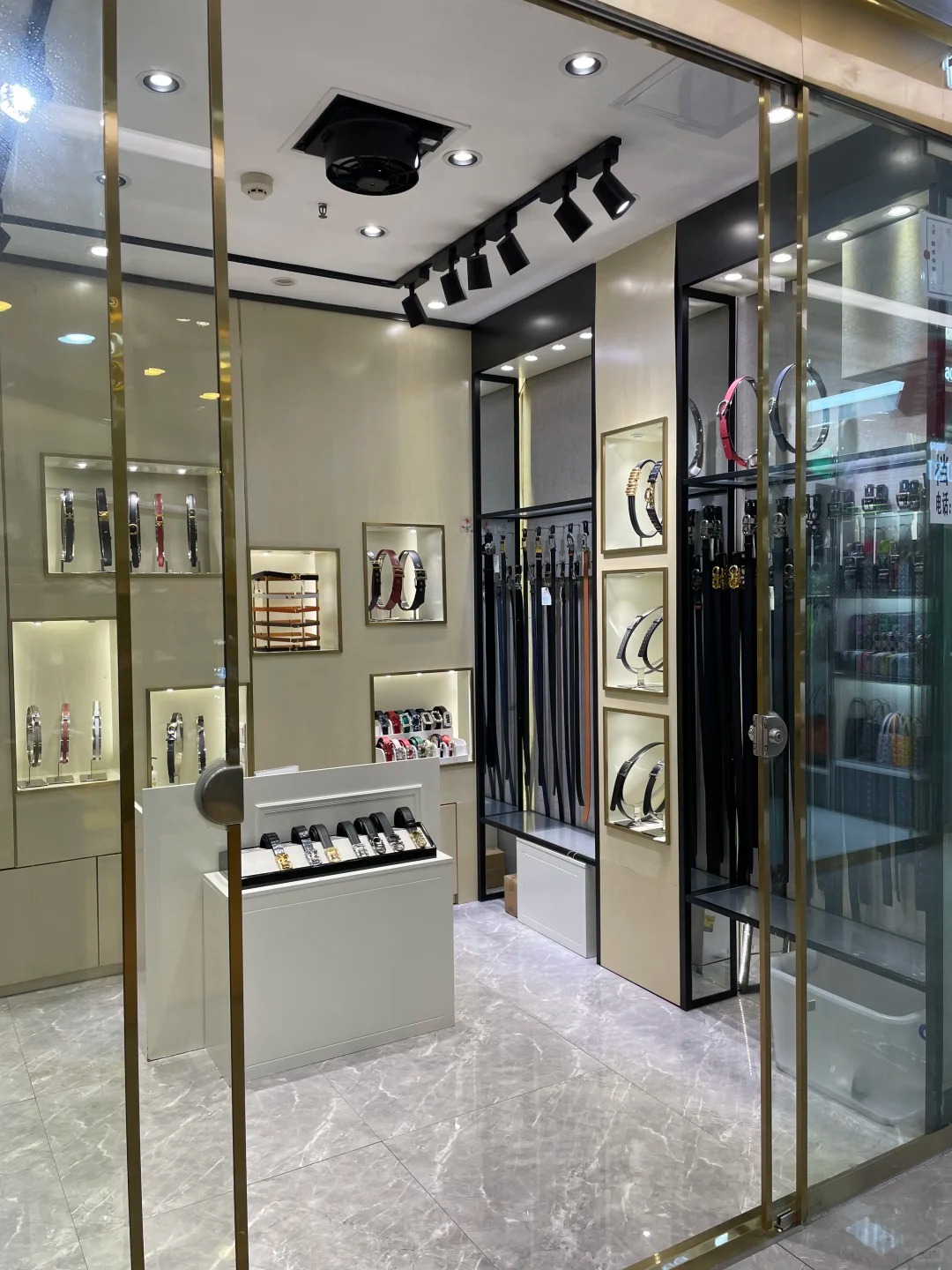
Yes, China is the world’s undisputed leader in shoe manufacturing. Walk through any wholesale market in Guangzhou or Chengdu, and you’ll see firsthand: China produces everything from cheap flip-flops to premium leather boots. But quality isn’t uniform—it’s all about which factory and which market stall you choose.
Why China Dominates Shoe Production
China’s edge isn’t just low labor costs. It’s the complete ecosystem: raw materials (leather, rubber, synthetics), sophisticated machinery, and a workforce that can handle complex stitching and molding. At places like Soudangkou, you can see thousands of styles under one roof—something no other country can match.
From Mass Market to Premium: The Quality Spectrum
Most people think "made in China" equals cheap. But a growing number of Chinese factories produce shoes that rival Italian or Portuguese craftsmanship. The key is knowing the difference.
- Mass market (low price): Usually EVA or rubber sole, machine-stitched uppers, synthetic lining. Look at seam alignment—if it’s uneven, move on.
- Mid-range (good value): Full-grain leather or quality PU, Goodyear welt or cemented sole, reinforced heel counters. Check the insole—does it have a cushioned arch support?
- Premium (luxury): Hand-stitched details, Italian calfskin, cork or leather midsole. At Soudangkou, these are often hidden in back rooms—you have to ask.
How to Spot Great Craftsmanship in China-Made Shoes
When you’re at the market, don’t just look—touch, bend, smell.
1. Leather Quality
Press your thumb into the leather. It should have a slight give and return smoothly. If it feels plastic-y, it’s coated split leather. Good leather has a natural grain; poor leather looks uniform and fake.
2. Stitching
Run your finger along the stitching. It should be tight and even, with no loose threads. For dress shoes, look at the welt—the seam where the sole meets the upper. A tight, clean welt shows real skill.
3. Sole Construction
Turn the shoe over. Is the sole attached with glue? Or is it stitched? Stitched soles (like Blake or Goodyear) last longer and can be resoled. Glued soles are cheaper but less durable.
4. Inside Finish
Look inside—are there rough edges or exposed glue? Premium shoes have a clean interior with a padded insole and no sharp seams.
Myth vs. Reality: Are All China Shoes Bad?
No. The myth started because many Western brands outsourced only the cheapest models. Today, China produces for brands like Clarks, Nike, and even some luxury houses. The difference is the factory—not the country. If you source wisely, you can get export-quality shoes at a fraction of the cost.
FAQ: Common Questions About Chinese Shoe Manufacturing
| Question | Answer |
|---|---|
| Are shoes made in China durable? | Yes, if you choose quality construction. Avoid thin soles and flimsy leather. |
| Can I find premium leather shoes in China? | Absolutely. Many factories make export-grade leather shoes for Western brands. |
| How do I avoid counterfeit or fake brands? | Stick to unbranded or own-brand products. At markets like Soudangkou, ask for the factory’s own range. |
| What’s the minimum order quantity? | In wholesale markets, you can buy as few as 12 pairs per style. For bulk, MOQ is around 200-500 pairs. |
| Is it safe to buy shoes from Chinese wholesale markets? | Yes, but inspect every pair. Use a flashlight and check for defects. |
Final Takeaway: Learn to Read the Shoe
The next time you pick up a shoe stamped "Made in China," don’t dismiss it. Run through the checklist: leather feel, stitching, sole type, interior finish. If you can spot the quality, you can source like a pro. And if you’re ever at a market like Soudangkou, now you know exactly what to look for.
广州服装档口相关入口
继续查看相关市场和品类入口,方便对比档口微信、货源范围、拿货方向和试单前需要核实的信息。