
How China Tariffs Directly Impact Shoe Prices and Availability
China tariffs raise the cost of imported shoes, but the real effect hits wholesale buyers in the form of tighter margins and faster turnover at market stalls. As of 2025, Section 301 tariffs on Chinese footwear range from 7.5% to 25%, depending on material and style. For a stall owner at Soudangkou, this means every pair that lands in your hands carries an extra cost. But here’s the kicker: experienced buyers know how to offset that. They shift to spot goods—ready-to-ship inventory sitting on warehouse floors—to avoid pre-order price spikes. And they inspect fabrics and stitching like hawks. A shoe with synthetic upper and glued sole might save you 15% on tariff exposure compared to leather and stitched construction. The market adapts. Smart buyers adapt faster.
Tariff Effect #1: Shift to ‘One-Stop’ Spot Goods
Before tariffs, buyers could gamble on pre-sale contracts. Now, cash flow dictates strategy. Spot goods from wholesale market stalls give you price certainty. You see the shoe, you touch the materials, you pay—and it’s yours. Tariffs are already baked into the landed cost. No guesswork. At major hubs like Soudangkou, stalls stock thousands of pairs ready to ship. The trade-off? You pay a slight premium for instant availability, but you avoid tariff fluctuations that might hit months later. For example, a basic canvas sneaker that might have cost $8.50 pre-tariff now sits at $10.20 spot—but that price is locked. Compare that to a contracted order where a delayed tariff hike could push it to $11.50. Spot goods win.
Tariff Effect #2: Material and Construction Choices That Lower Tariff Hit
Not all shoes are created equal under tariff codes. Tariffs favor synthetic materials and simple construction. Let’s break it down:
- Upper material: Leather faces higher tariffs (up to 20%) vs. synthetic fabrics (often under 10%). Stalls now display more mesh, PU, and recycled polyester options. Why? They keep your final price competitive.
- Sole attachment: Cemented (glued) soles attract lower rates than stitched or welted (10-15% vs. 20%+). Look for shoes with a simple cement bond—it’s not just cheaper to produce, it’s tariff-savvy.
- Country of origin markers: Some stalls offer mixed-source materials (e.g., Chinese-made upper + Taiwanese sole). These can lower duty calculations. Ask your stall rep about the bill of materials.
Tariff Effect #3: Faster Turnover and Smaller Minimum Orders
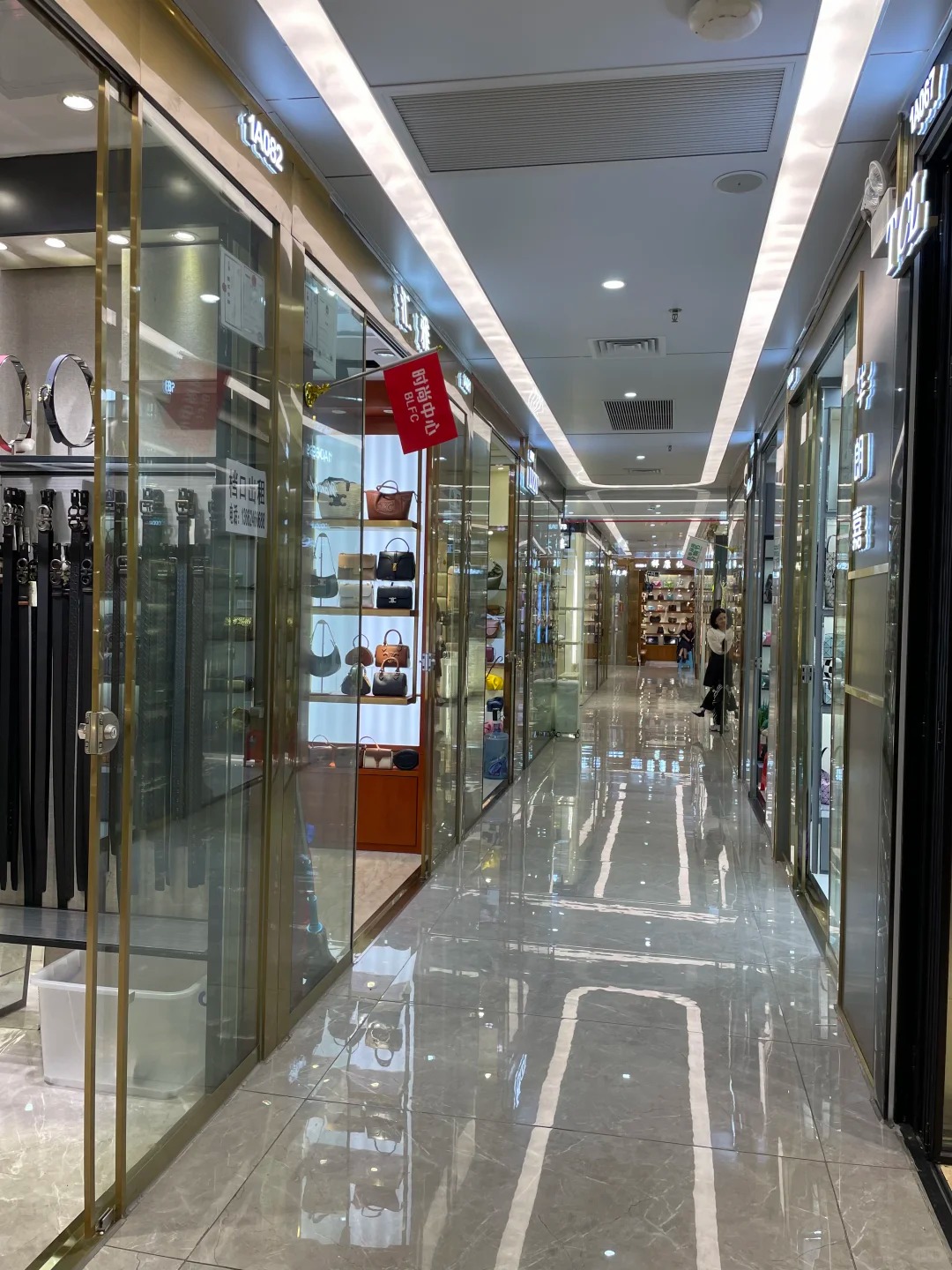
To avoid tariff risk, stalls now move inventory faster. Minimum order quantities (MOQs) have dropped from 300 pairs to as low as 50 pairs for spot deals. This is huge for small wholesalers. You can test a style without committing to a container. The catch? You need to act quickly—hot sizes vanish within days. Stalls that used to hold stock for weeks now clear it in 48 hours. At Soudangkou, buyers know that Friday morning is prime time. New spot shipments arrive Thursday night, and by Monday, the best is gone. Stay nimble.
FAQ: How China Tariffs Effect Shoes in 2025
| Question | Answer |
|---|---|
| Do tariffs apply to all shoes from China? | Most yes, but some eco-friendly or high-tech materials have exemptions. Check HTS codes 6402-6404. |
| Can I avoid tariffs by buying spot goods? | No, tariffs are paid on import. But spot goods have the cost built in, so you avoid future price shocks. |
| What shoe type has the lowest tariff? | Synthetic upper, rubber sole, glued construction (e.g., basic sneakers). |
| How do tariffs affect shoe quality? | No direct impact, but stalls may cut costs on insole or lining to keep prices steady. Inspect carefully. |
| Are there tariff-free alternatives to China? | Vietnam, Indonesia, Mexico for certain styles, but China remains cheapest for volume and speed. |
| How do I verify tariff codes? | Ask your stall for a “tariff classification sheet” or customs broker to confirm. |
| Will tariffs drop in 2025? | Unlikely; current policy review expected to extend or increase. Stay updated. |
| What’s the best sourcing strategy now? | Combine spot goods for staples with pre-orders for high-margin styles. Keep 30% inventory in spot. |
Final Strategy: How to Thrive Despite Tariffs
China tariffs aren’t going away. But wholesale buyers who master spot sourcing, material swaps, and quick turnovers will not just survive—they’ll gain market share. Here’s your cheat sheet:
- Visit stalls like those on Soudangkou early in the week to see fresh arrivals.
- Focus on synthetic uppers and cemented soles for lower tariff exposure.
- Negotiate MOQs of 50-100 pairs for test runs before bulk orders.
- Build relationships with stall reps who share tariff code details.
- Always inspect stitching and footbed foam—that’s where cost cutting hides.
The market moves fast. Adapt your buying rhythm, and tariffs become just another line item in your cost sheet—not a blocker.
广州服装档口相关入口
继续查看相关市场和品类入口,方便对比档口微信、货源范围、拿货方向和试单前需要核实的信息。