
Best Shoe Colors for Navy Chinos
For a sharp, versatile look, brown leather shoes (tan, cognac, or dark brown) are your safest bet. White sneakers also rank high for casual outfits. If you’re buying wholesale, focus on the quality of leather and stitching—these details separate a premium product from a budget one.
1. Brown Leather Shoes (Tan, Cognac, Dark Brown)
Brown offers a classic contrast against navy. Tan and cognac add warmth; dark brown is more formal. Check the leather grain: full-grain or top-grain leather ages better. At the wholesale market, run your fingers along the edge—smooth, even stitching is a sign of good craftsmanship.
2. White Sneakers
A clean pair of white sneakers creates a fresh, modern look. Look for genuine leather uppers and vulcanized soles for durability. Inspect the sole attachment: if it’s glued, check for any gaps. Stitched soles are more reliable.
3. Black Shoes
Black works best for formal or evening wear. However, the contrast with navy is low, so it can appear washed out in daylight. For formal events, opt for black oxfords or derbies. Wholesale tip: avoid shiny patent leather—it often indicates cheap corrected grain.
4. Burgundy or Oxblood Shoes
Burgundy adds a sophisticated twist. It pairs especially well with lighter shades of navy. Look for a rich, even color—cheap dyes will look patchy under fluorescent market lights.
5. Blue Suede Shoes
For a monochromatic look, navy or blue suede can work but requires careful matching. Suede is delicate; test the nap direction—it should feel consistent. Avoid shoes with shiny spots (indicating wear or glue).
6. Grey or Charcoal Shoes
Grey shoes are a modern neutral that pairs well with navy. They are less common, so they can be a standout choice. Check that the grey doesn’t lean too warm (i.e., no orange undertones) to avoid clashing.
Wholesale Market Perspective: What to Look For
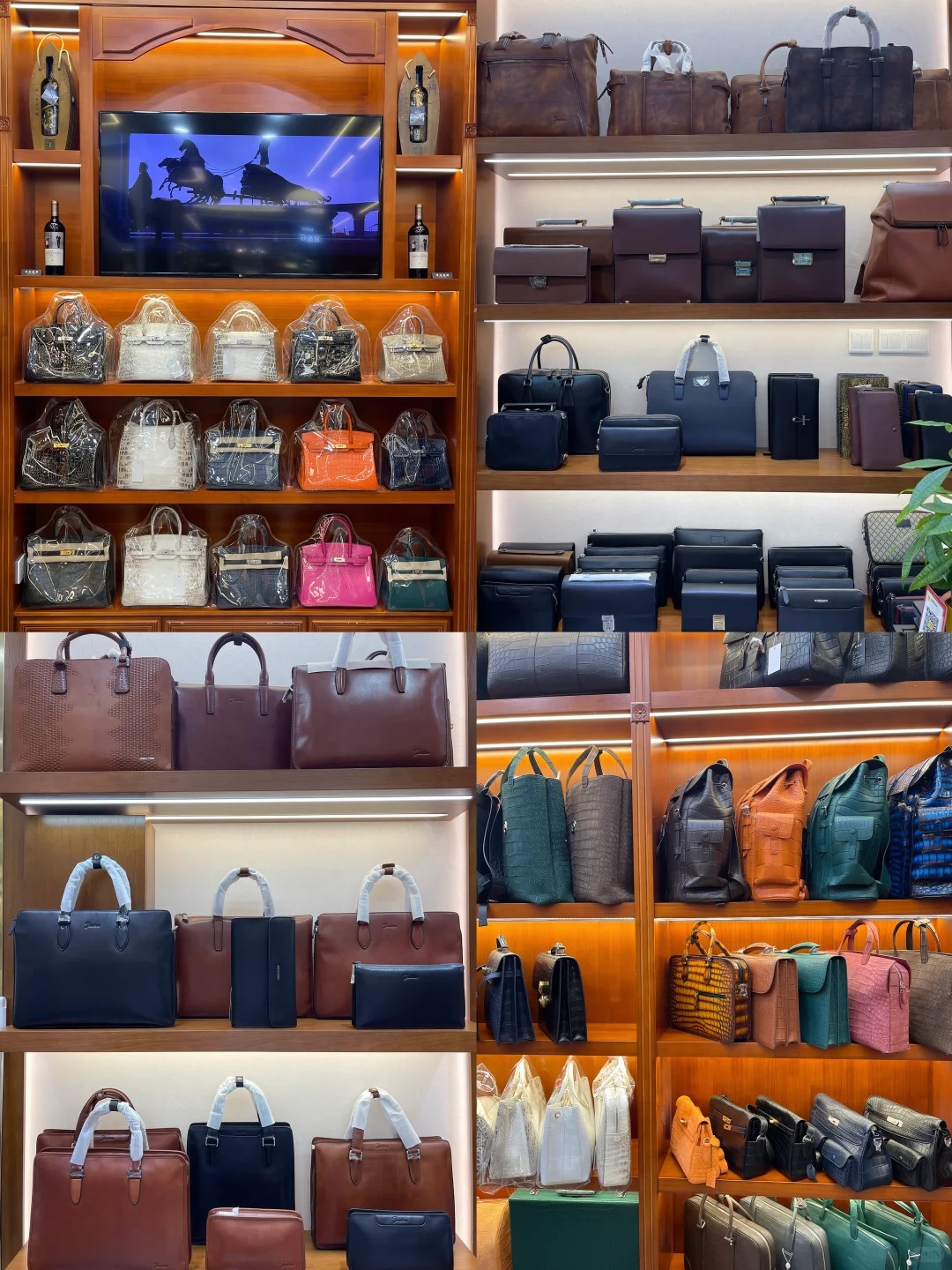
When sourcing at a market like Soudangkou, you can negotiate the best price for instant stock. Here’s what savvy buyers examine:
- Stitching: Count stitches per inch (SPI). Higher SPI (8-10) means better durability. Look for straight lines, no loose threads.
- Leather Quality: Scratch the leather surface. A faint scratch that disappears with rubbing suggests good top grain. If it leaves a permanent mark, it’s likely corrected grain.
- Insole and Outsole: Removable insoles are a plus for hygiene. Check if the outsole is stitched, cemented, or both. A Goodyear welt is premium but not necessary for all styles.
- Weight: Heavier shoes often indicate better materials. But for casual sneakers, lightness is preferred—balance is key.
FAQ: Common Questions About Navy Chinos & Shoes
| Question | Answer |
|---|---|
| Can I wear navy chinos with black shoes? | Yes, but it’s best for evening or formal occasions. In daylight, the low contrast can look muted. |
| Do white sneakers always work with navy chinos? | Almost always, especially for casual settings. Keep them clean for best effect. |
| What about suede shoes? | Suede adds texture. Navy suede can match, but careful color matching is needed. Brown suede is a safer choice. |
| Is it okay to wear blue shoes with navy pants? | Yes, if the blues are different enough (e.g., light blue vs. dark navy). Avoid identical shades. |
| What shoe material is best for wholesale? | Genuine leather (full grain or top grain) for durability. Synthetic can work for low-cost items but inspect stitching carefully. |
| How do I spot quality when wholesale buying? | Check stitching, leather grain, sole attachment, and overall weight. Request a bend test—good shoes flex at the ball of the foot, not the arch. |
广州服装档口相关入口
继续查看相关市场和品类入口,方便对比档口微信、货源范围、拿货方向和试单前需要核实的信息。