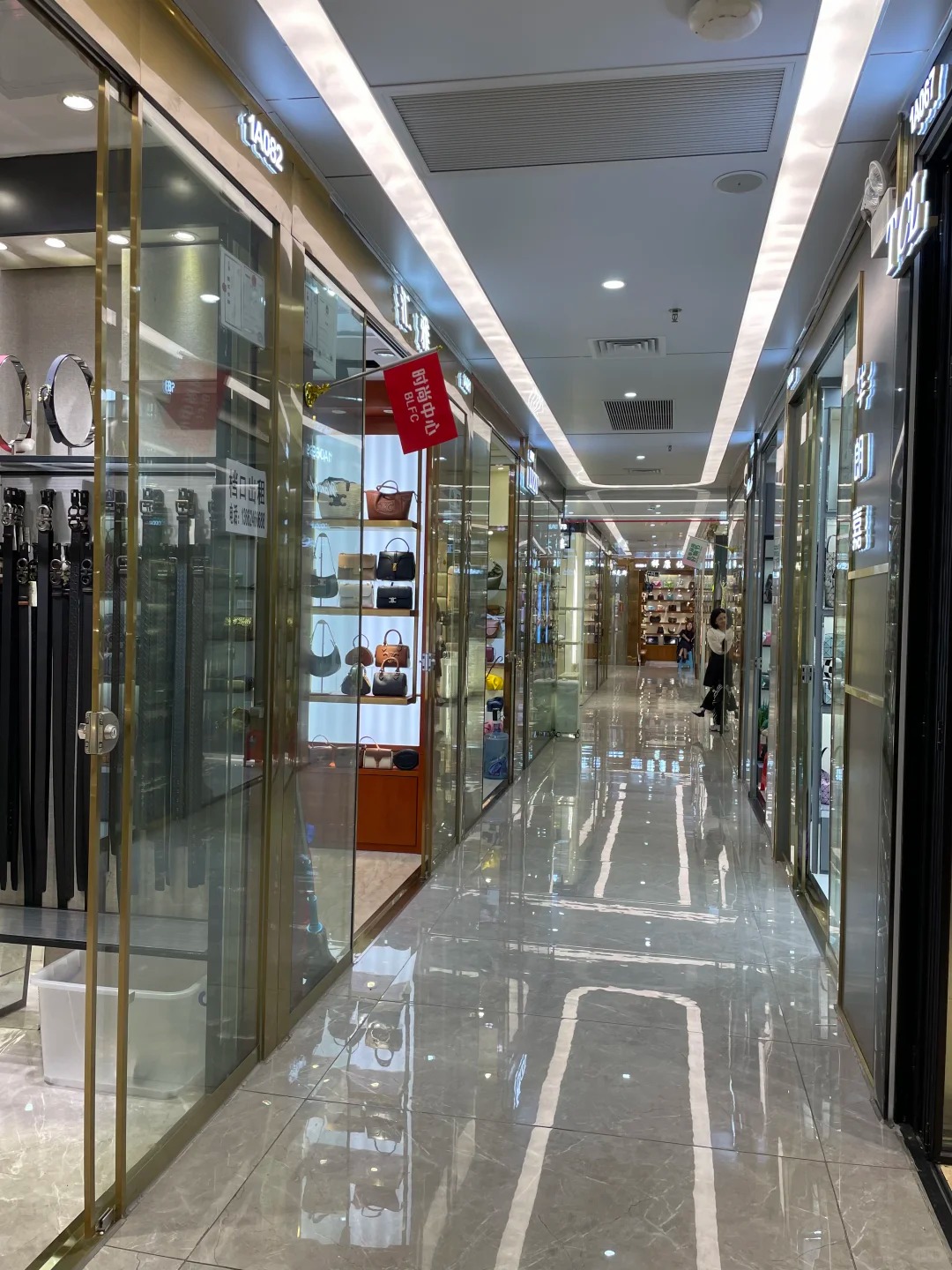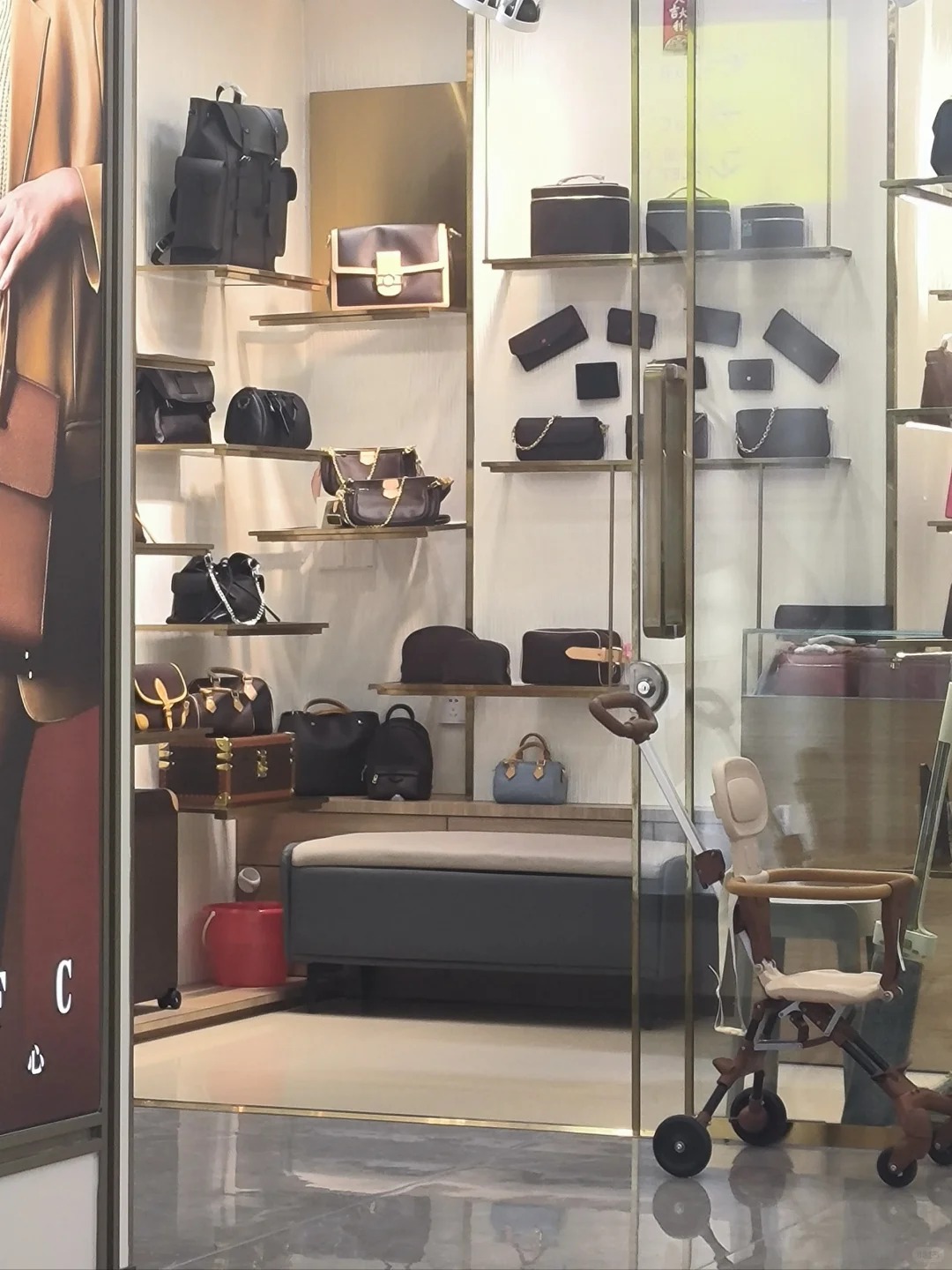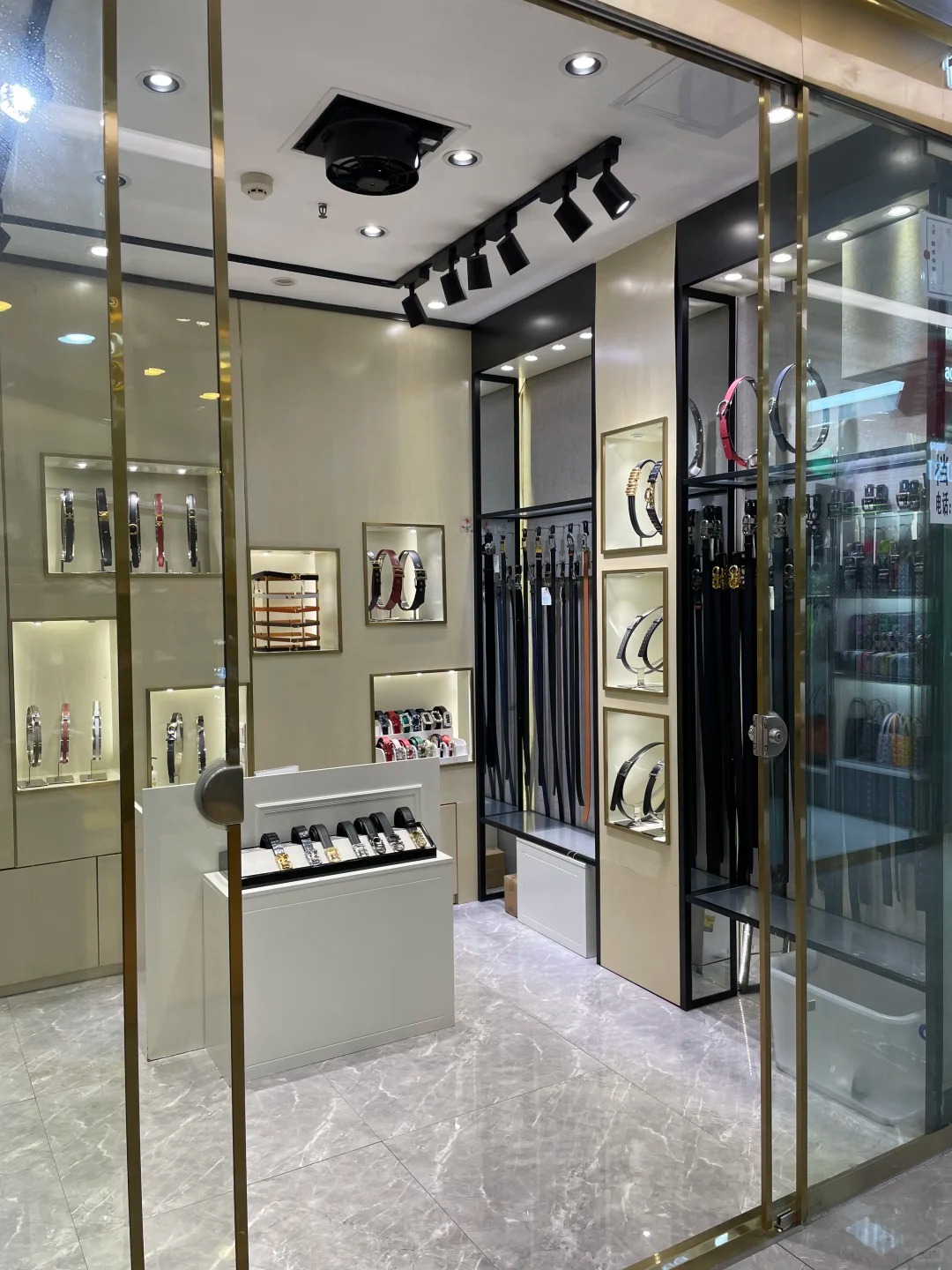

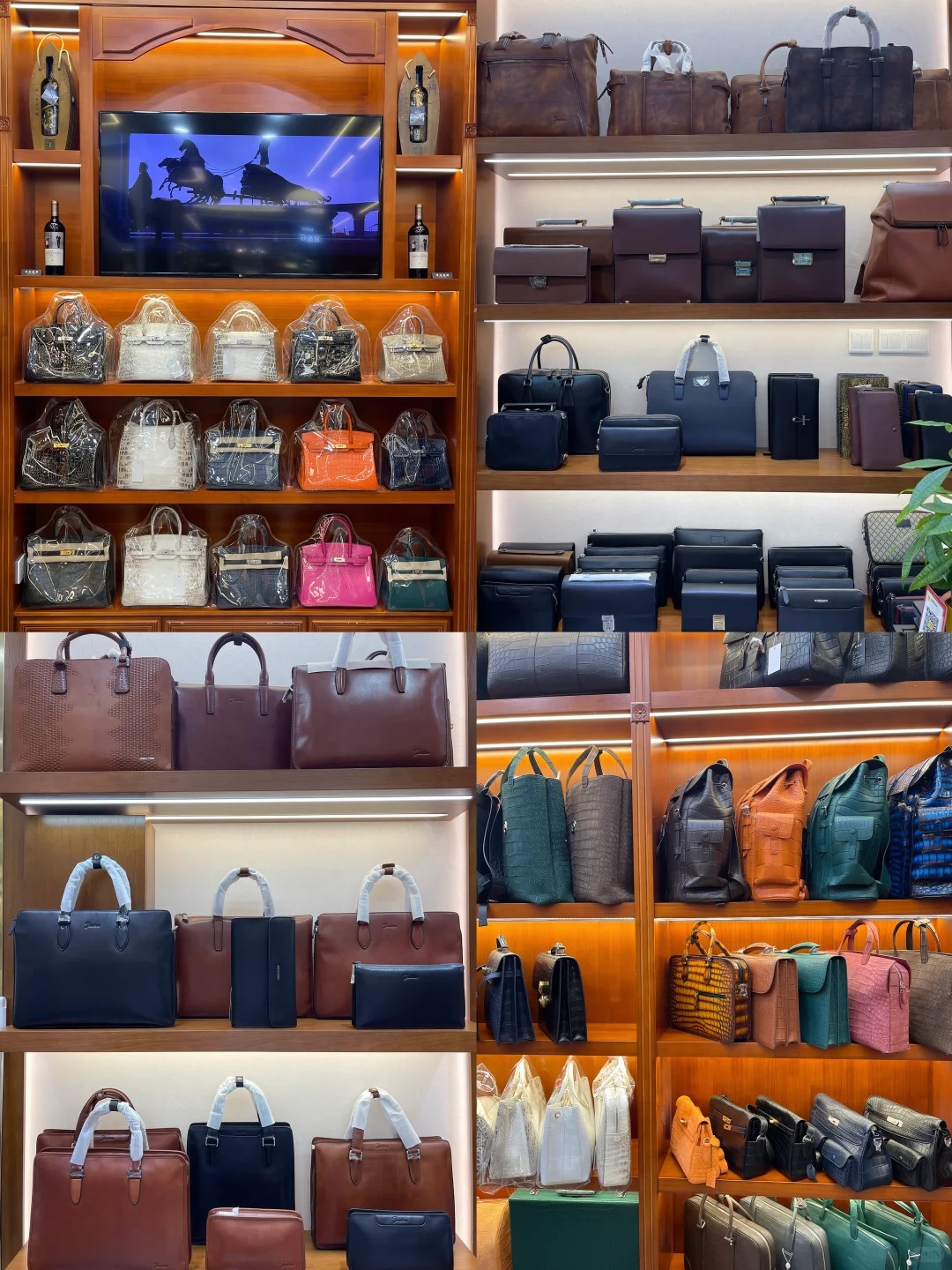
China sources shoe materials through a massive internal supply chain—domestic leather, synthetics, and rubber—supplemented by imports for top-grain leather and specialized components. For wholesale buyers hitting markets like Guangzhou or Wenzhou, the real edge is knowing how to spot quality and negotiate for immediate stock.
Domestic Powerhouse: The Backbone
China is the world’s largest producer of synthetic materials, rubber, and hardware. Over 70% of materials for shoes come from within the country. Tannery clusters in Henan and Hebei provide split leather and corrected grain; Zhejiang and Fujian dominate synthetic leather and fabrics. Rubber plantations in Hainan and synthetic rubber plants in Shandong supply soles. Hardware like eyelets and buckles come from mass-production hubs in Guangdong.
Imports: The Premium Touch
For high-end footwear, brands import Italian or Argentine calfskin (grain side intact) and specialized synthetics from Japan/Korea. These raw materials arrive via Shanghai or Shenzhen ports, then go to specialized distributors in Wenzhou and Guangzhou. A quick tip: if a stall claims “Italian leather,” ask for the import document—otherwise, it’s likely domestic.
Wholesale Market Strategy: Getting Hands-On
When you’re at a physical market in Guangzhou (like Baima or Bu Bu Gao), don’t just stare at finished shoes. Ask to see the material board—every serious stall has swatches. Pinch the lining, stretch the upper, and turn the sole. For bulk orders, request a raw material sample from their factory; if they hesitate, the quality might be inconsistent.
Material Quality Red Flags
- Stiff or plastic-feeling leather (overly corrected, almost no pores)
- Loose stitching on the insole (premature separation)
- Chemical smell (excessive adhesives or poor curing)
- Uneven color or coating (dye migration)
FAQ: Quick Answers from the Field
| Question | Answer |
|---|---|
| Where does China get its leather for shoes? | Mostly domestic (Henan, Hebei) for lower/mid-tier; Italy/Argentina import for high-end. |
| Is synthetic leather from China good? | Yes—PU and microfiber quality can be excellent. Look for even texture and no delamination. |
| How can I verify material origin? | Ask for a factory-supplied material card; check for labels “Made in China” or import stamps. |
| What’s the best market for shoe materials? | Guangzhou (Baima) for finished shoes; Wenzhou for raw materials and components. |
| Can I get custom materials for small MOQ? | Yes—many stalls accept orders as low as 100 pairs if you pay a premium. Negotiate via Soudangkou for seamless sourcing. |
Final Take: Working with Soudangkou’s Network
Whether you’re after genuine leather or high-grade synthetics, the key is knowing your material grades. Wholesale market stalls are open to education—ask detailed questions and they’ll respect your knowledge. For consistent quality, use platforms like Soudangkou to connect with verified suppliers who disclose material sources upfront. That way, you get the whole story—from China’s raw material base to the finished shoe in your hand.
广州服装档口相关入口
继续查看相关市场和品类入口,方便对比档口微信、货源范围、拿货方向和试单前需要核实的信息。