
On average, producing a pair of shoes in China costs between $5 and $20 USD, depending on materials, construction, and order volume. For a simple canvas sneaker, you’re looking at $5–$8; a basic leather shoe runs $10–$15; and a high-end boot can hit $20+. These are factory-gate prices—no retail markup. But the real secret? Haggling at wholesale market stalls like Soudangkou can knock 10–30% off, especially if you pull from existing stock rather than custom orders.
Breaking Down the Numbers
Here’s how costs stack up for a typical sneaker:
- Materials (40–50%): Upper, lining, insole, outsole. A rubber sole costs ~$1; a leather upper ~$3–5.
- Labor (20–30%): Skilled stitching adds $2–4 per pair; assembly is cheaper.
- Overheads (10–15%): Factory rent, utilities, QC.
- Margin (10–20%): Factory profit built in.
These are baseline costs. Want a branded shoebox? Add $0.50–1. Want custom colors? Expect a 20% surcharge.
Wholesale Market vs. Direct Factory
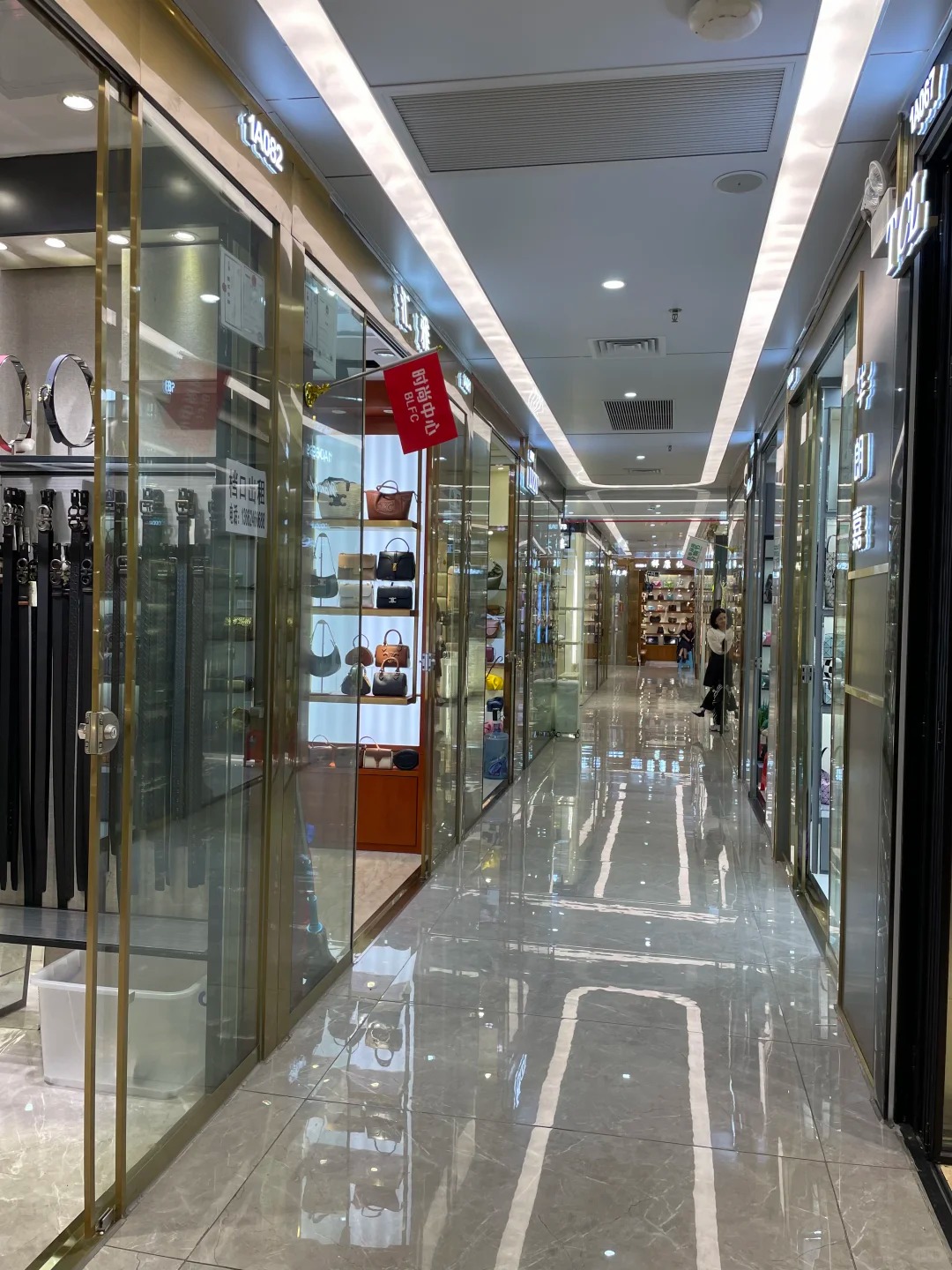
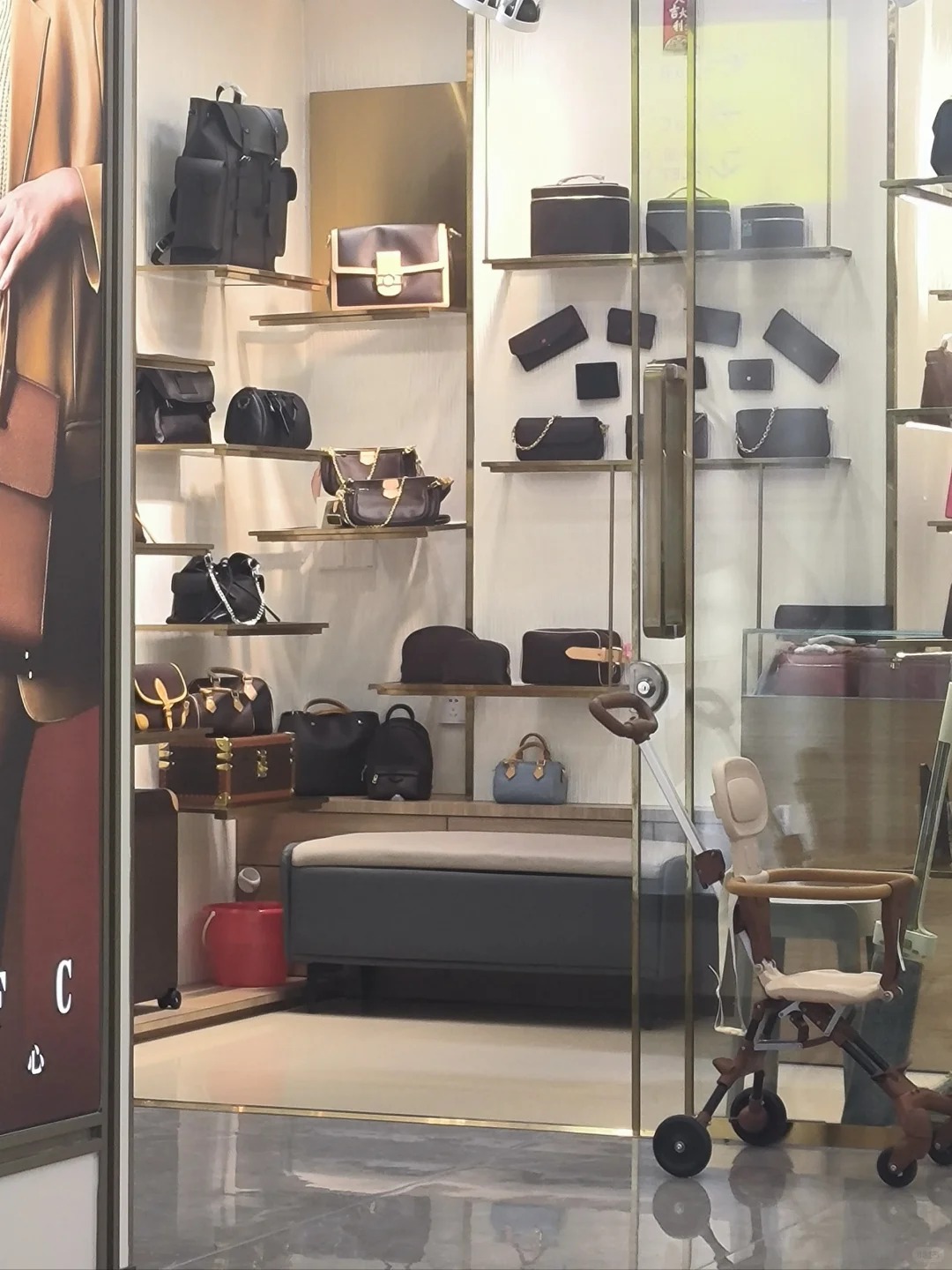
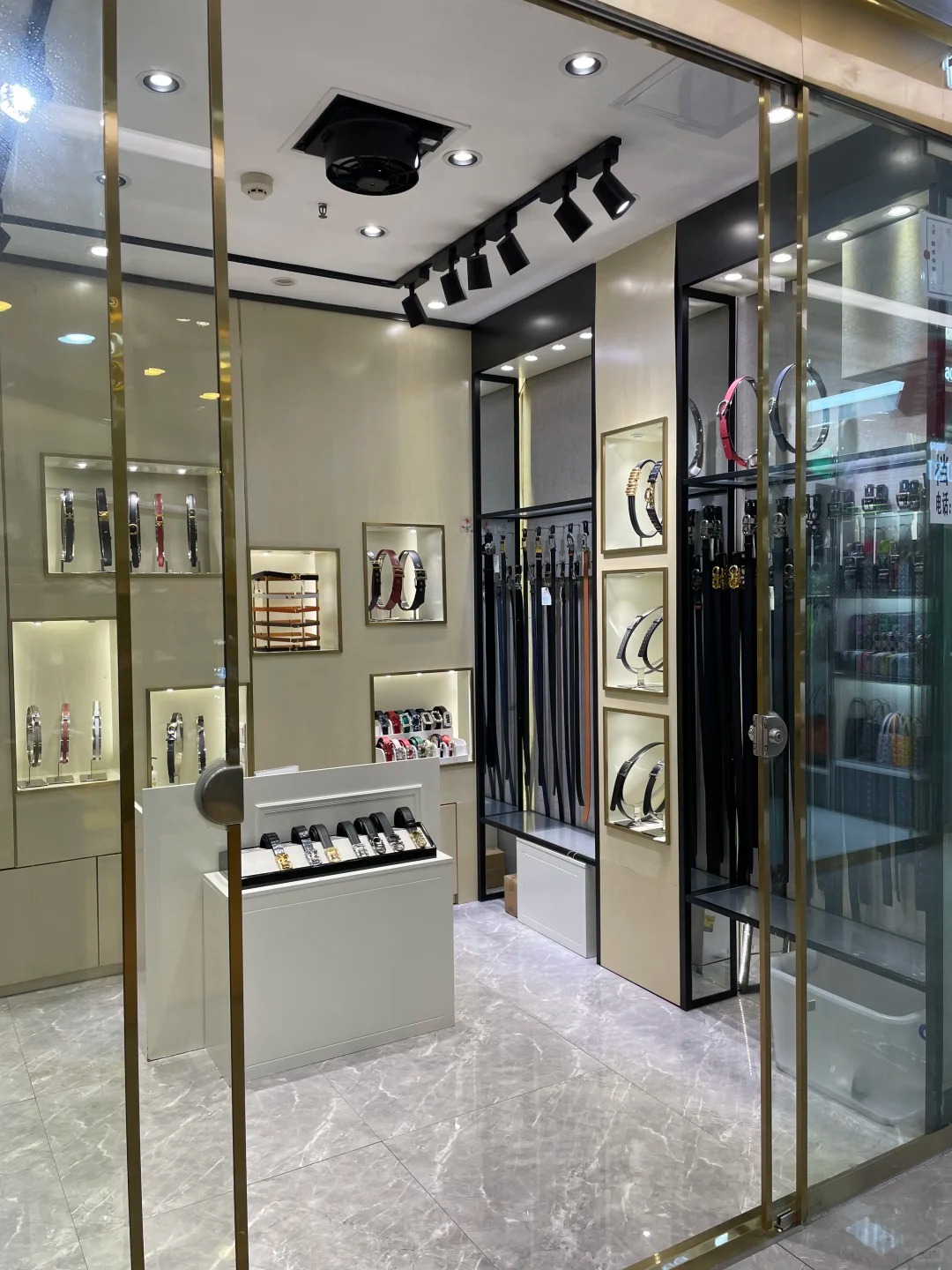
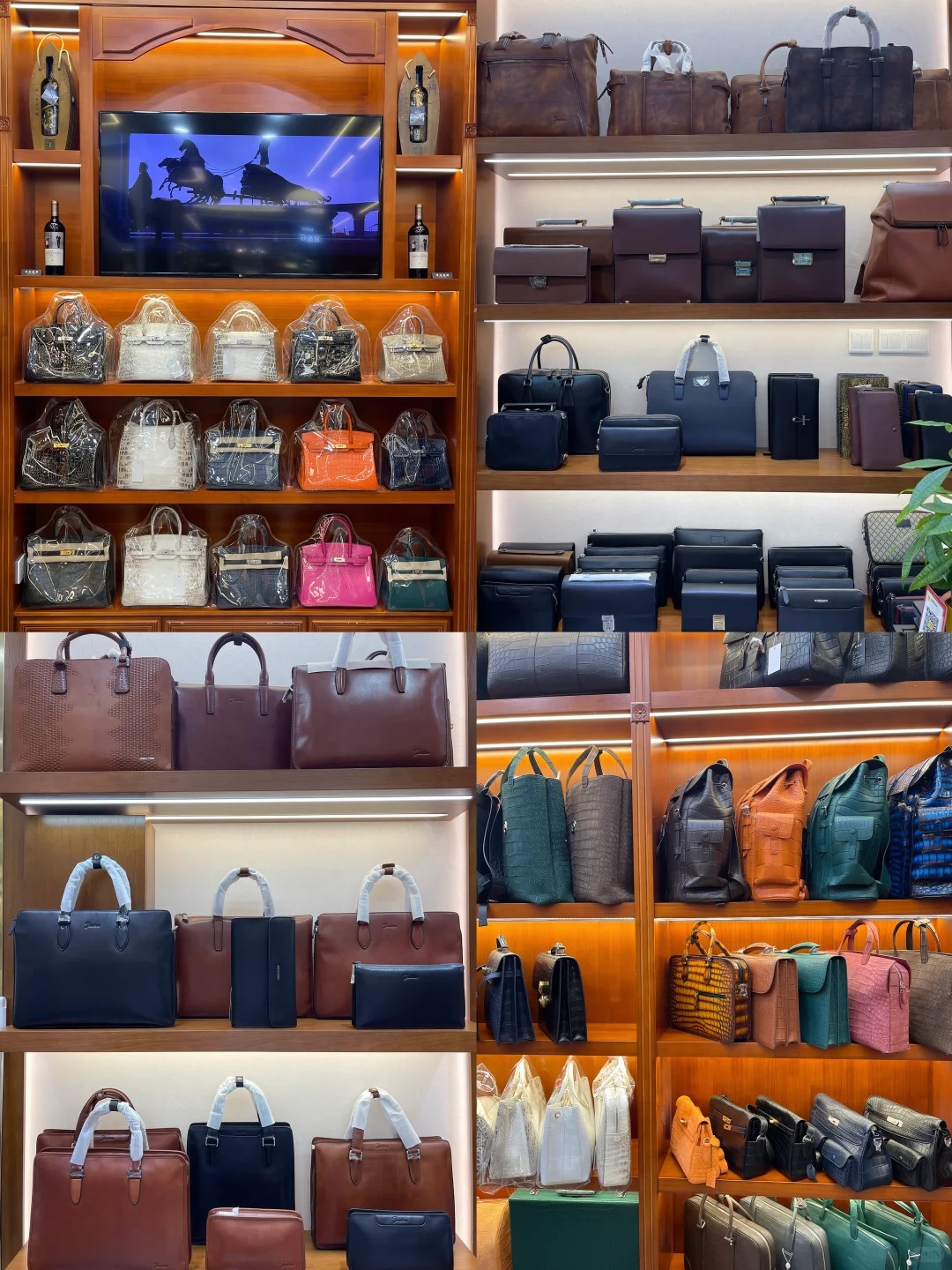
Most small buyers go to wholesale markets like Soudangkou instead of approaching factories directly. Why? Tailored sourcing. Stall owners have hundreds of ready-to-ship styles—no MOQ headaches. For example, a pair of trendy platform sneakers might cost $12 at a factory (500 pairs minimum) but $15 at a stall (buy 1 pair). For niche materials and texture—like matte leather or breathable mesh—stalls let you touch and compare before paying.
Spotting Quality Workmanship at the Stall
- Stitching: Check if seams are straight and tight; loose threads mean poor QC.
- Glue smells: Strong chemical odor = cheap adhesive; good shoes have minimal smell.
- Sole flexibility: Bend the shoe; the sole should flex at the ball of the foot without cracking.
Don’t just look—ask the stall owner about returns on defective pairs. Most will swap if you catch issues within a week.
Tips to Save Money on Chinese Shoe Orders
- Stick to local materials: Importing Italian leather inflates cost; Chinese laminates mimic them at 60% less.
- Simplify design: Fewer overlays, no complex embellishments. A plain sneaker costs $7; a multi-panel one costs $10.
- Buy surplus stock: Many Soudangkou stalls have fresh run-ons at discount—great for small batches.
- Pay in cash: Some stall owners offer a 5% discount for CASH.
FAQ: Common Questions About Shoe Production Costs
| Question | Answer |
|---|---|
| How much to make a shoe in China? | $5–$20 per pair depending on type and order size. |
| Can I get a sample before bulk order? | Yes—most stall owners charge only the sample cost (refundable with order). |
| Are there hidden fees? | Not if you buy ex-stock; custom orders add mold costs ($200–500) and tooling fees. |
| How do I verify quality? | Ask for a checking piece—a random pair from the batch you can test. |
| What’s the MOQ at Soudangkou? | No minimum for in-stock items; custom MOQ starts at 200 pairs. |
Final Word: Is China Still Cheap for Shoes?
Yes—but only if you source smart. Labor and material costs rose 10% since 2020, yet Chinese workshops still beat Vietnam or India on speed and consistency. For a small buyer, wholesale market stalls (think Soudangkou) offer the best value: you pay a 10–20% premium over factory price, but you avoid the MOQ trap and get instant feedback on touch and feel. Compare three stalls before buying, and don’t be shy to walk away if the stitch count doesn’t match your standards.
广州服装档口相关入口
继续查看相关市场和品类入口,方便对比档口微信、货源范围、拿货方向和试单前需要核实的信息。