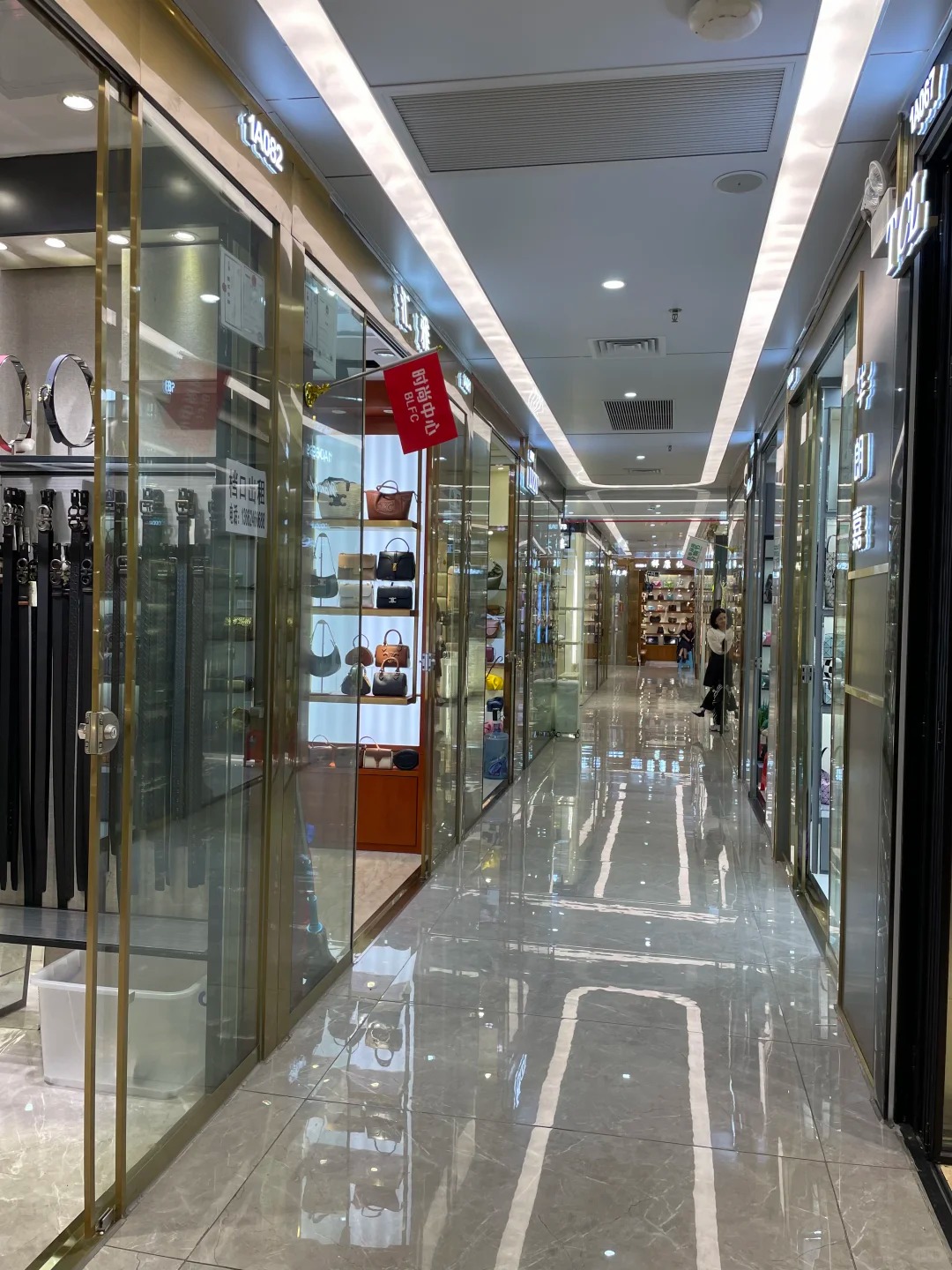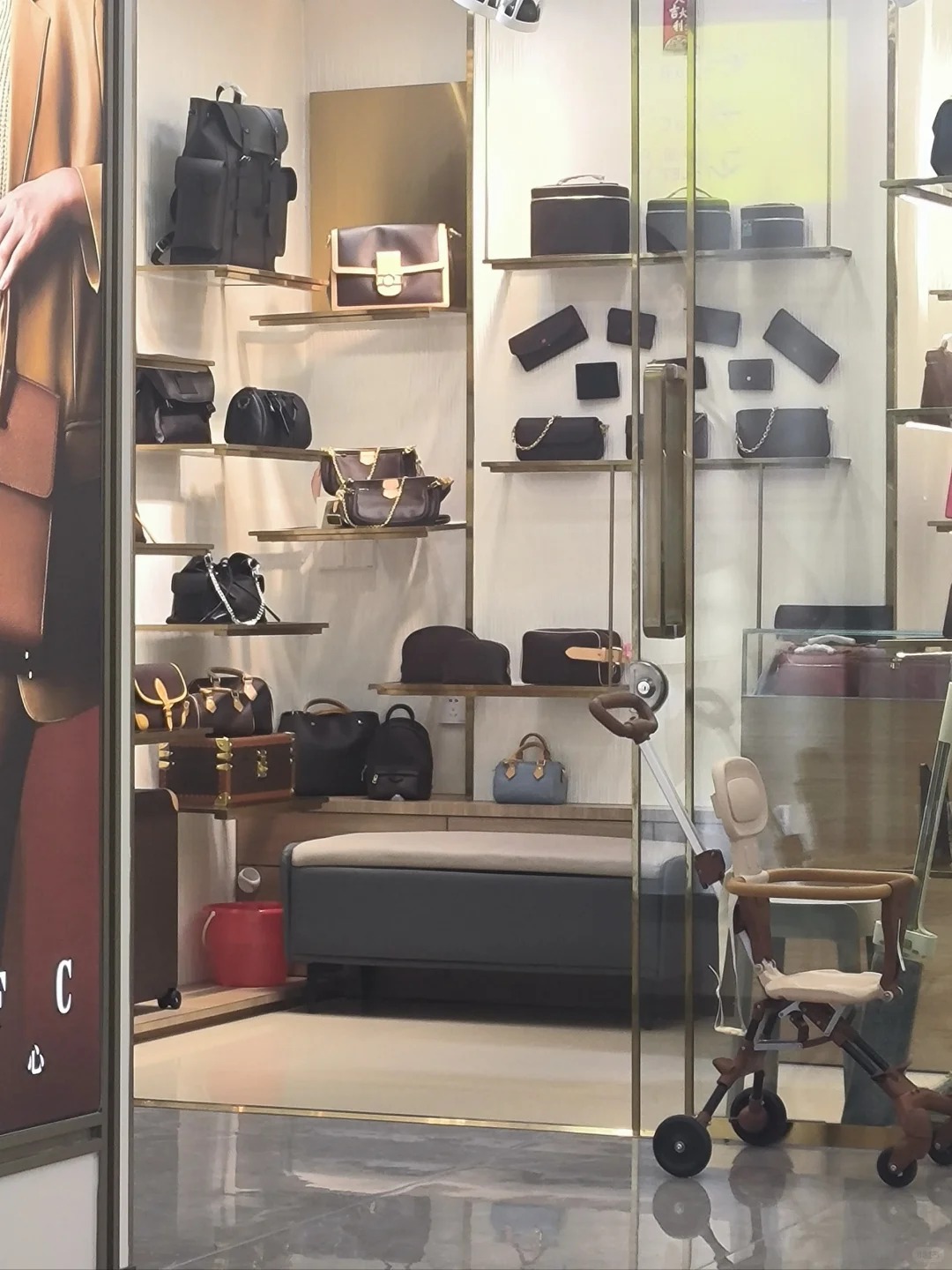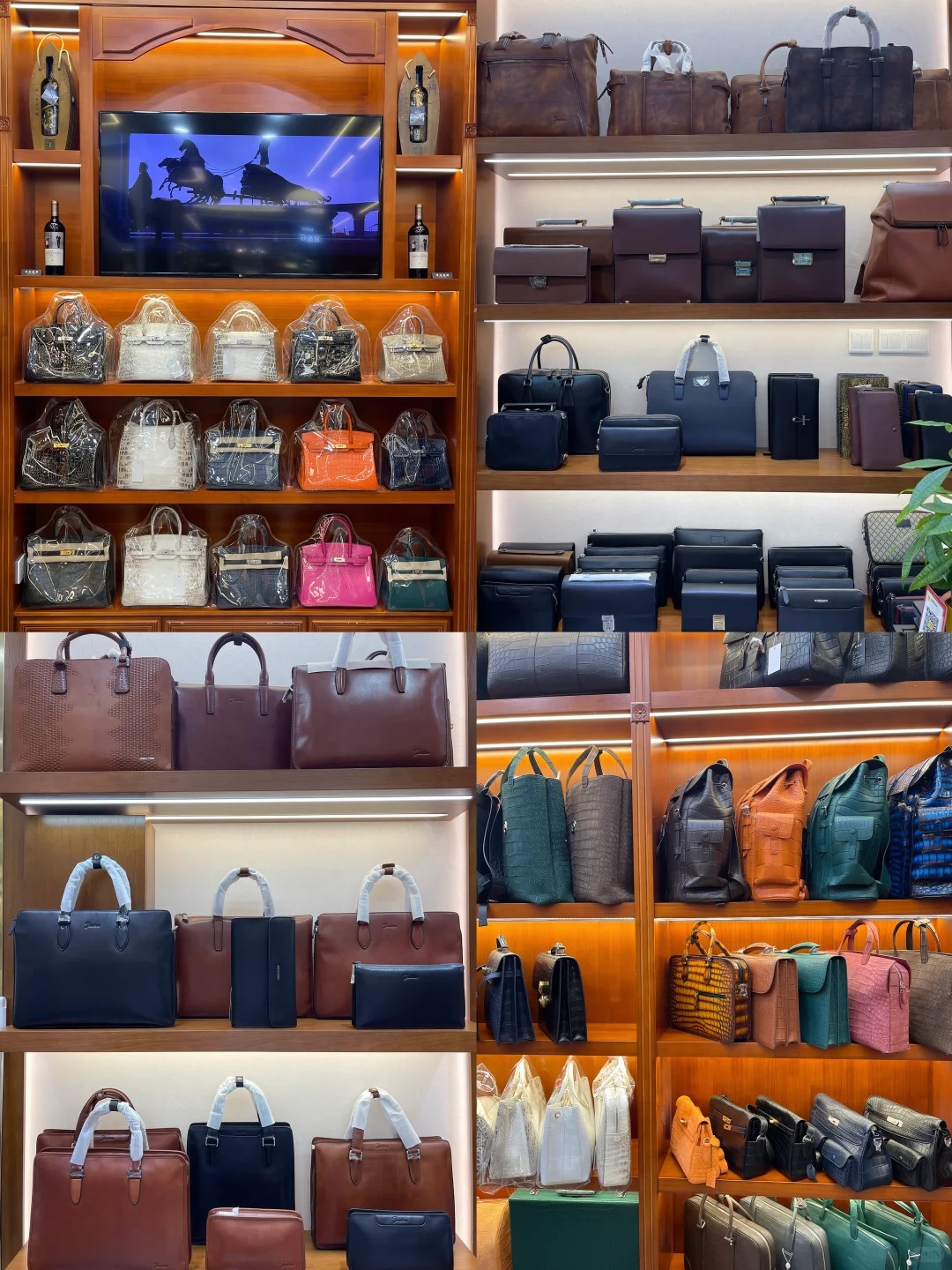
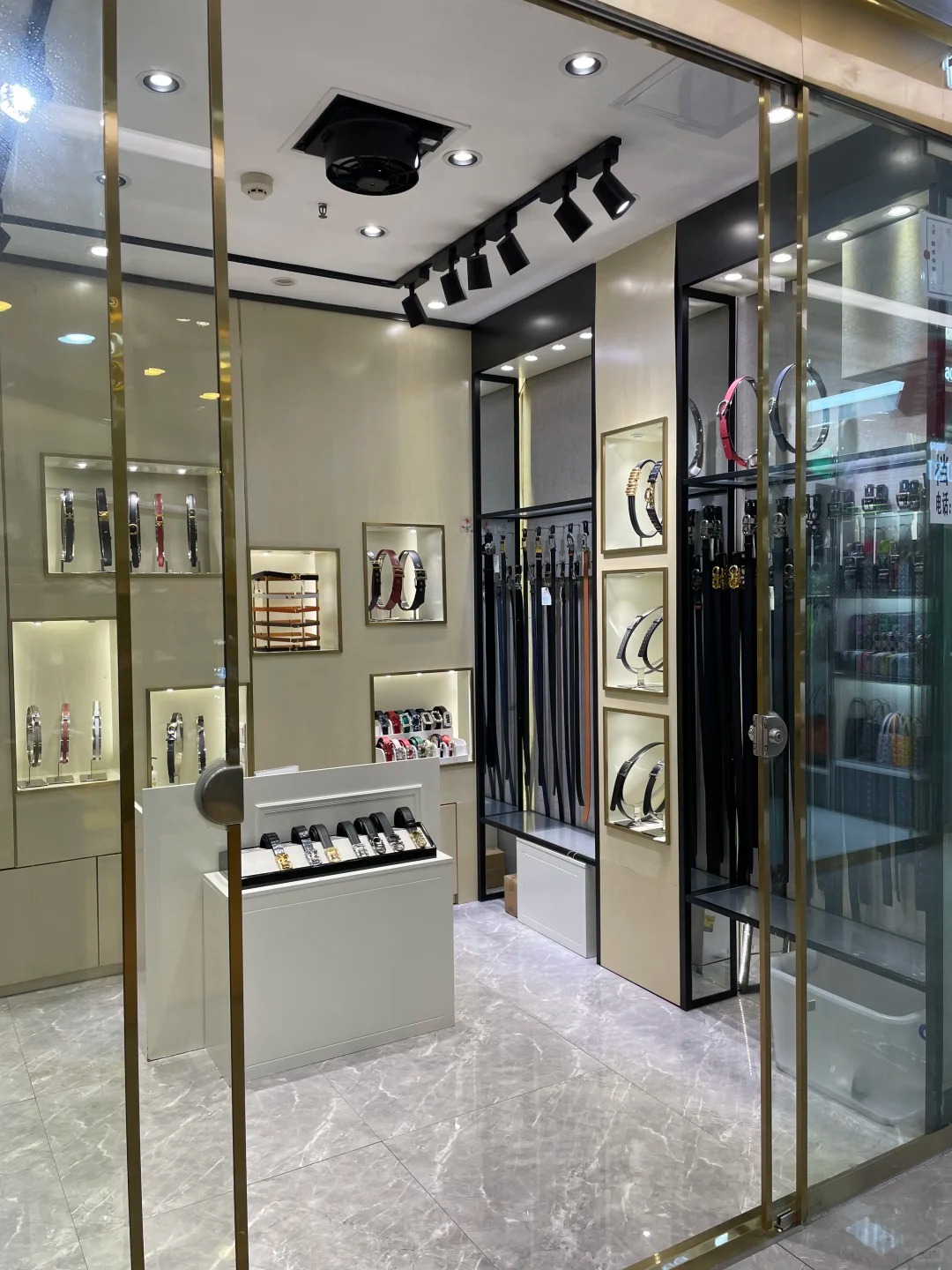
Over 85% of the world’s shoes are manufactured in China. In 2024, China produced around 13 billion pairs of shoes, accounting for roughly 87% of global footwear output. This figure includes everything from cheap flip-flops to premium sneakers for top brands. For wholesale buyers, this means the market is overwhelmingly supplied by Chinese factories, particularly in Guangdong and Fujian provinces. The concentration of raw materials, skilled labor, and integrated supply chains makes China the go-to destination for shoe sourcing.
Why Is China Dominant in Shoe Manufacturing?
China’s footwear industry benefits from decades of infrastructure development, a vast labor pool, and a complete ecosystem of tanneries, textile mills, and component suppliers. Provinces like Guangdong (especially Dongguan) and Fujian (Jinjiang are renowned for sneakers and casual shoes) house thousands of factories that produce shoes for domestic and international brands. This ecosystem allows for rapid prototyping, low unit costs, and flexibility in order sizes – from small batches to millions of pairs.
What This Means for Wholesale Buyers
If you’re sourcing from wholesale markets like those in Guangzhou (e.g., Guandong Shoes Trading Center) or Yiwu, you’ll find endless options. But knowing the stats is just the start. The real value lies in understanding how to pick quality products from a sea of imitations. Here’s how to navigate:
How to Spot Quality at Wholesale Markets
Feel the leather or synthetic. Genuine leather should have a natural grain and slight stretch; synthetic often feels plasticky. Check the stitching – consistent, tight stitches (e.g., 6-8 per inch) indicate good construction. Look at the sole attachment: a bonded sole should show no gaps, and stitched soles (like Goodyear welt) should have even, deep stitches. Use a simple flex test: bend the shoe at the ball of the foot. A quality shoe will spring back without cracking the upper or sole.
Spot Sourcing Tips for Bulk Orders
- Visit factories directly: Skip middlemen when possible. Most wholesale market stalls are connected to specific factories. Ask for factory tours or direct contact info.
- Check material consistency: Request multiple samples from the same batch. Color variations, thickness differences, or odor (chemical smell) are red flags.
- Negotiate on finishing: Small defects like glue stains (easily fixed) can be a bargaining chip. Focus on structural issues.
Local vs. Export Quality: Key Differences
Domestic-market shoes often use cheaper materials and less rigorous quality control. For export to high-standard markets (EU, US), factories typically upgrade components – better leather, stronger stitching, certified non-toxic adhesives. If you’re targeting these markets, confirm that the supplier can provide test reports (e.g., REACH for Europe). Stalls at Soudangkou sometimes mix both types, so be explicit about your target region.
FAQs About “What Percent of Shoes Are Made in China”
| Question | Answer |
|----------|--------|
| What percent of shoes are made in China in 2025? | Approximately 86-88% of global shoes, around 14 billion pairs annually. |
| Which Chinese city makes the most shoes? | Dongguan (Guangdong) leads for sneakers; Jinjiang (Fujian) for casual shoes; Wenzhou (Zhejiang) for leather shoes. |
| Are Chinese shoes lower quality? | Not inherently. Price dictates quality. China produces everything from budget to luxury – you get what you pay for. |
| How can I verify the origin of a shoe? | Check the tag: “Made in China” is common. For bulk orders, request a Certificate of Origin from the supplier. |
| What is the minimum order quantity (MOQ) for China factories? | Typically 500-1000 pairs per style, but some workshops accept 200-300 pairs if you pay a premium. |
Final Word for Wholesale Buyers
China’s 85%+ market share isn’t changing anytime soon. For bulk buyers, the key is to leverage this dominance by building direct relationships with factories, insisting on pre-shipment inspections, and understanding that price always correlates with material and labor input. Platforms like Soudangkou can help you discover vetted suppliers, but always verify with your own eyes. Remember, the best deals come from knowing what you’re touching – not just the spreadsheet numbers.
广州服装档口相关入口
继续查看相关市场和品类入口,方便对比档口微信、货源范围、拿货方向和试单前需要核实的信息。