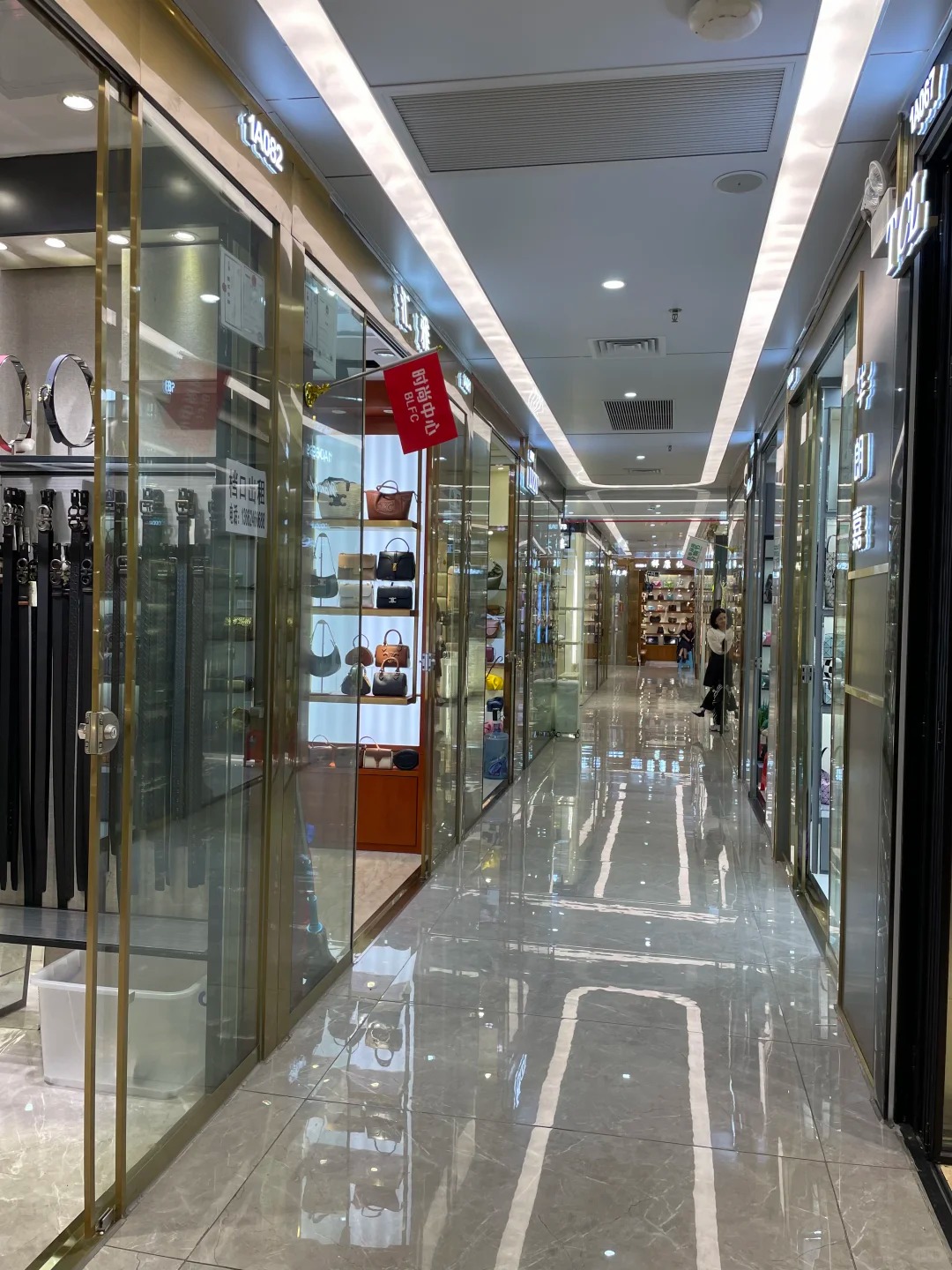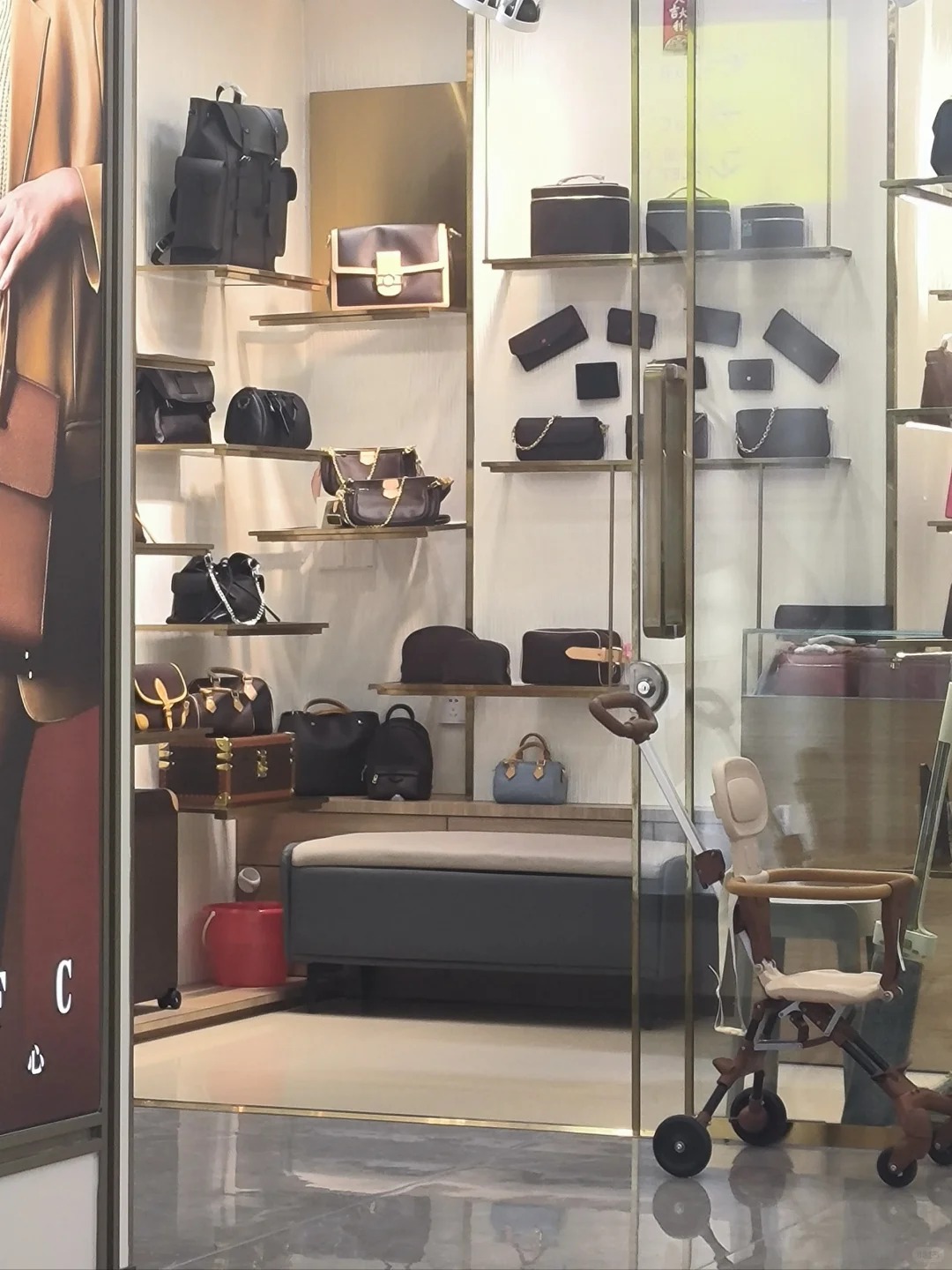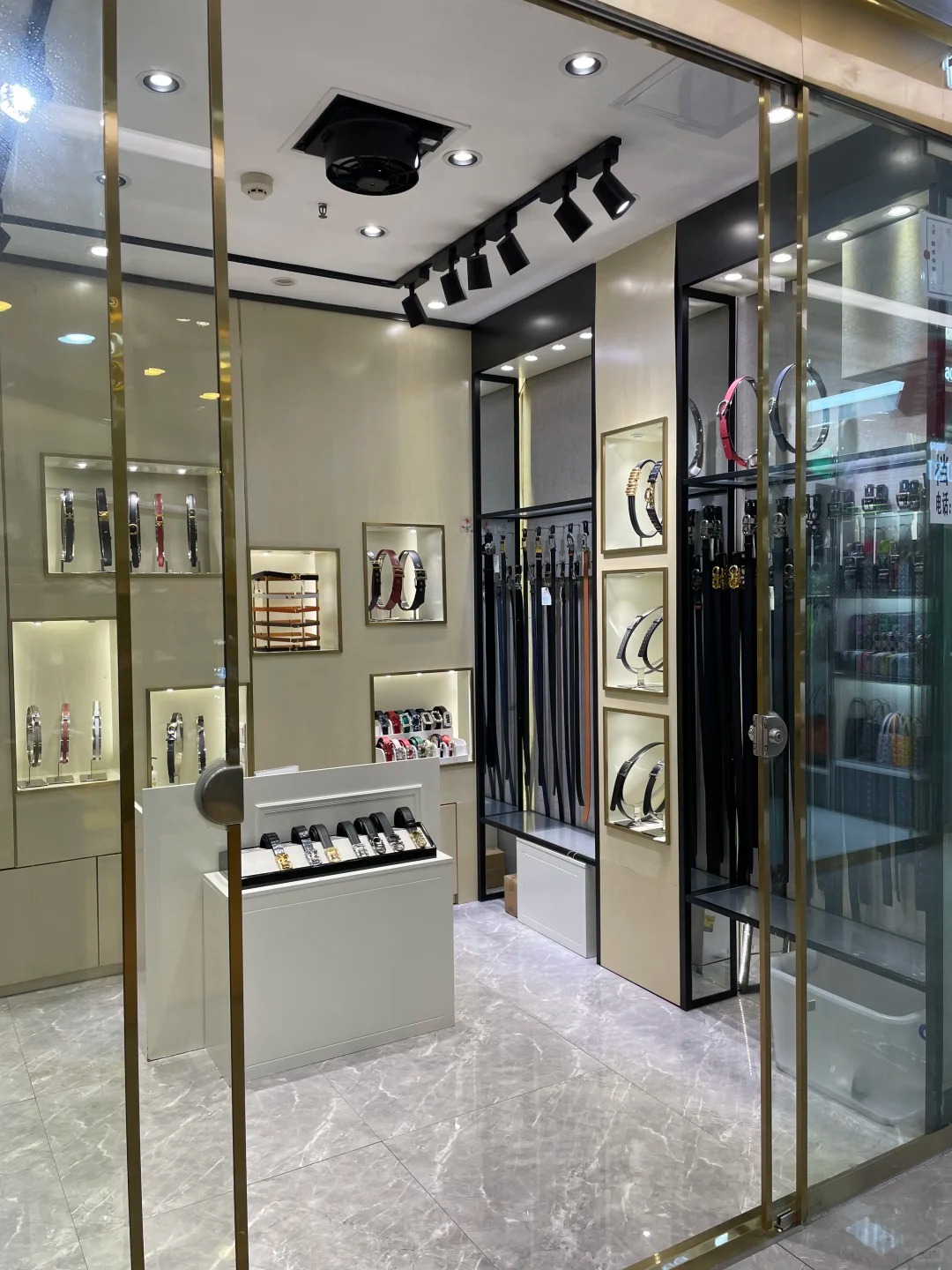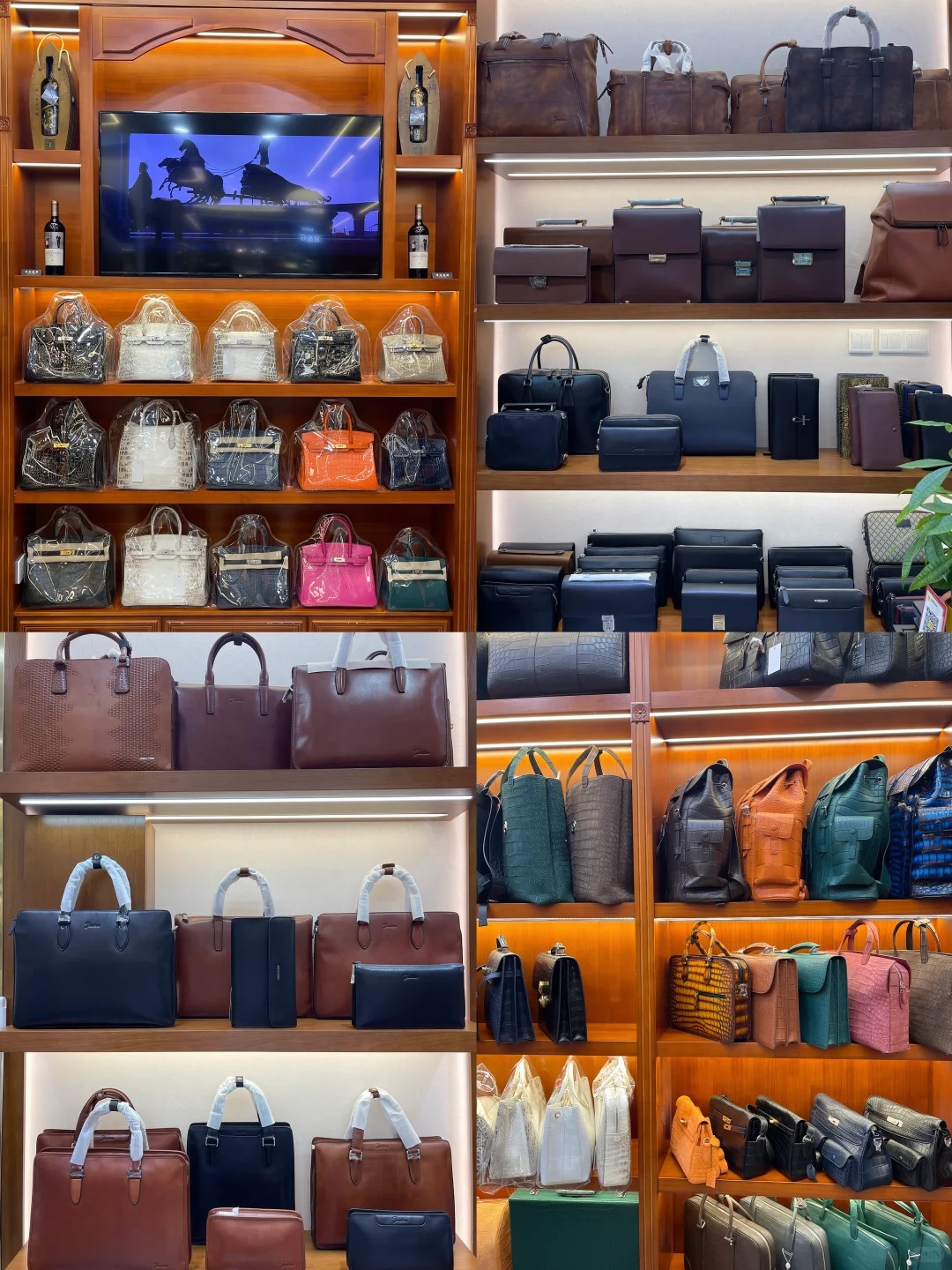

The short answer: to avoid buying things made in China, check labels for ‘Made in China’, research brands that manufacture elsewhere, and expect higher prices for non-Chinese goods. But here’s what wholesalers at Soudangkou know: many ‘avoid China’ campaigns don’t realize that quality isn’t about origin—it’s about the factory and price point. If you’re serious about sourcing outside China, you’ll pay 30-100% more, accept lower volume capacity, and deal with longer lead times. Let’s dive deeper.
Why Consumers Want to Avoid Chinese-Made Products
Common Reasons: Quality, Labor, or Tariffs?
Some shoppers cite quality concerns from cheap items. Others want to avoid specific labor practices or tariffs. But as a wholesale market insider, I’ll tell you: the real divide is between budget crap and premium manufacturing. A $10 gadget from China vs. a $50 one from Taiwan—the Chinese one might be fine, or it might break in a week. The difference is cost.
5 Pro Tips to Avoid ‘Made in China’ Items
1. Read Labels Like a Detective
Obvious, right? Look for ‘Made in China’, ‘Product of China’, or ‘Assembled in China’. But note: some brands use ‘Made in PRC’ (People’s Republic of China) or just ‘China’. If no country, assume it’s Chinese unless proven otherwise.
2. Know the Brands That Manufacture Elsewhere
Premium European brands often produce in Italy, Portugal, or Turkey. Example: certain German tools still come from Germany. But even luxury brands outsource to China for some lines—like designer bags with ‘Made in Italy’ tags but Chinese leather. Always verify.
3. Check Price vs. Retail
If a product seems too cheap for its category (e.g., a $20 watch that looks high-end), it’s almost certainly Chinese. Non-China alternatives cost 2-10x more. At markets like Soudangkou, we see the price breakdown: quality fabrics and precise stitching cost money. A well-made shirt from Bangladesh might be $15—same as a Chinese one—but the Bangladesh one often has better cotton.
4. Inspect the Stitching and Fabric
Chinese garments often use synthetic blends and rushed stitching. Look for uneven seams, loose threads, or cheap zippers. Non-China production tends to have tighter, more durable construction. At Soudangkou, we recommend checking the underside of seams—real quality shows there.
5. Ask the Seller Directly
Many online sellers—especially on Amazon—list vague origins. Message them and ask: ‘Where is this actually made? Factory location?’ A dodgy answer is a red flag. For wholesale buyers, we at Soudangkou always provide factory certificates.
Can You Avoid China Entirely? The Real Cost
Price and Availability Comparison
Avoiding China means saying no to 70% of the world’s consumer goods. You’ll find alternatives in Vietnam, India, Mexico, and Italy—but expect higher prices and smaller selections. For example, Vietnamese footwear costs 20-30% more but uses better leather. At Soudangkou, we see wholesalers balance: some goods from China (low-cost basics), others from Bangladesh (crisis of quality).
FAQ: Avoiding Made in China
| Question | Answer |
|---|---|
| Are all Chinese products low quality? | No. China produces everything from cheap toys to premium electronics. The issue is the buyer’s budget—cheap Chinese goods are bad, but premium Chinese goods can match European quality. |
| How do I know if something is made in China? | Check the label, tag, or packaging. If missing, assume Chinese. Use brand reputation—some companies are transparent about their supply chain. |
| Is it worth paying more for non-China products? | If durability and ethical sourcing matter, yes. But for many items, Chinese manufacturing is perfectly adequate for the price. |
| What about ‘Assembled in China’? | Similar to ‘Made in China’. The final assembly is in China, even parts from elsewhere. |
| Can I avoid Chinese packaging? | Check the packaging country—often printed. But many non-Chinese products still use Chinese packaging. |
| Do big brands use Chinese factories too? | Yes. Apple, Nike, and most electronics have Chinese assembly. To avoid Chinese manufacturing entirely, you’d need to buy boutique brands that produce locally. |
Conclusion: Be Smart, Not Paranoid
Avoiding Chinese products is possible with effort—but it’s not always necessary. Judge by quality, not origin. If you’re a wholesaler, sourcing at Soudangkou means you can inspect fabrics, stitching, and pricing firsthand. Many Chinese factories produce world-class goods. The real trick is knowing what to look for—and paying for what you get.
广州服装档口相关入口
继续查看相关市场和品类入口,方便对比档口微信、货源范围、拿货方向和试单前需要核实的信息。