
Buying a shoe factory in China isn’t about signing a deed—it’s about securing a production line that can deliver ready stock, control quality, and adapt to your orders. For most Western buyers, the real entry point is through wholesale market stalls in cities like Guangzhou, where factories rent booths and offer spot goods. You buy the factory’s output, not the building. This guide shows you how to approach factory owners, inspect fabric and stitching, and negotiate for exclusive production.
Step 1: Start at Wholesale Market Stalls
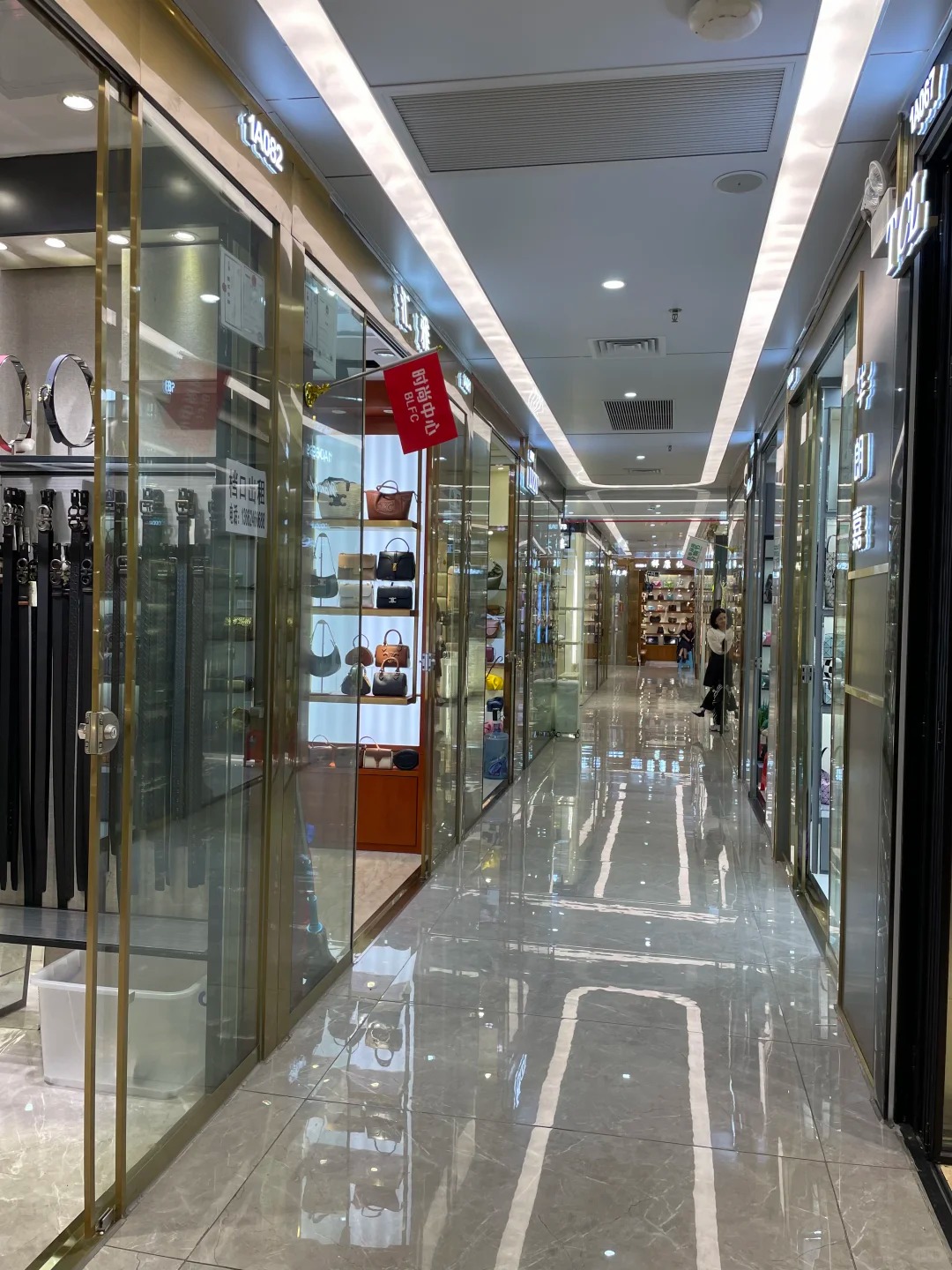
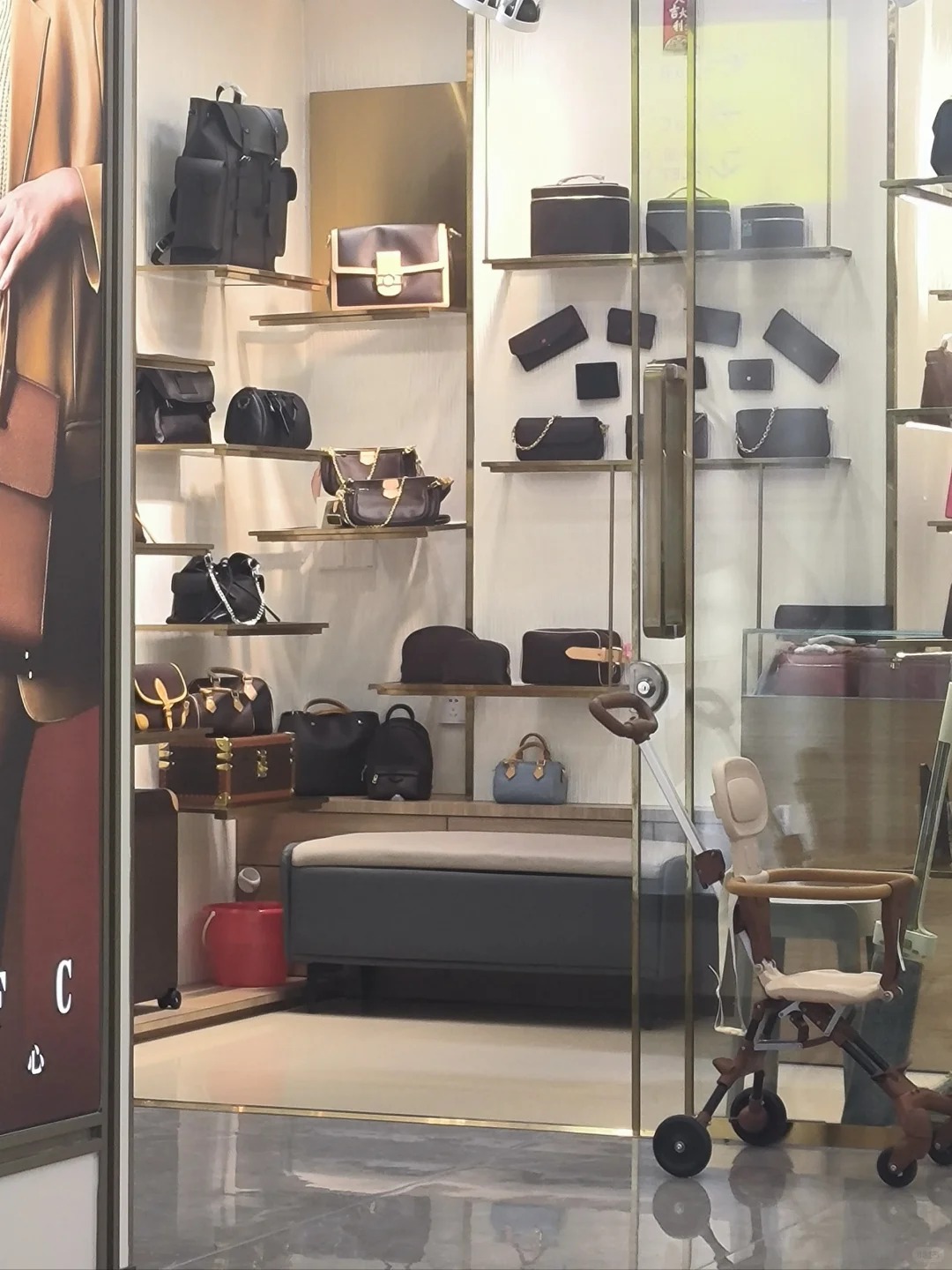
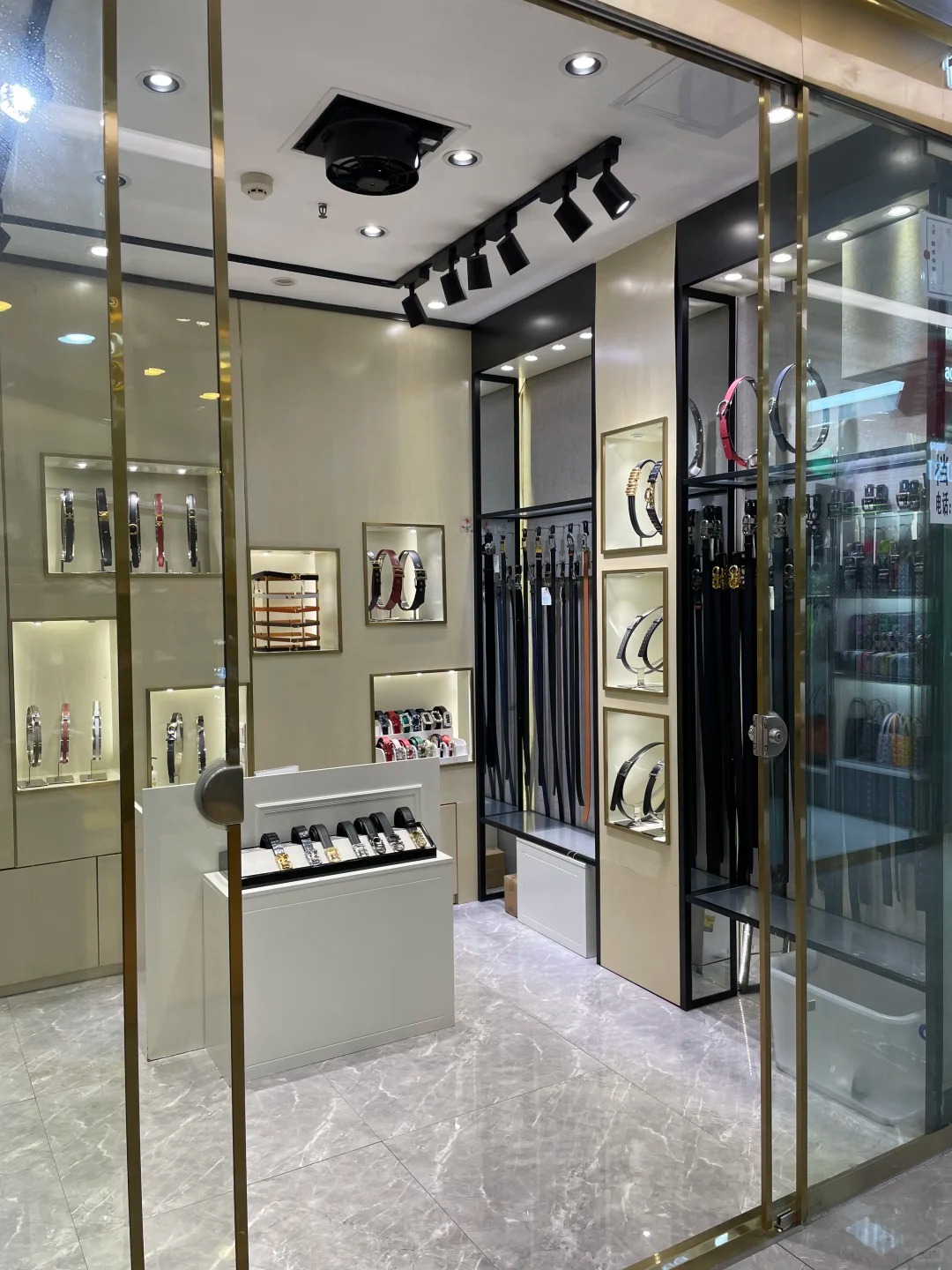
Don’t look for factories on industrial maps. Go to specialized wholesale markets. In Guangzhou, Wanling Shoes Wholesale Market and Jiefang Middle Road are hubs. Here, hundreds of factory-owned stalls display samples. You can touch the uppers, bend the soles, and check stitching up close. Ask the stall owner: “Is this from your own factory?” Many will say yes. Verify by requesting a factory visit or checking their business license. A stall with multiple models and consistent quality usually has direct factory backing.
Step 2: Get Spot Goods First
Never commit to a full production run without first buying spot goods. These are already-manufactured shoes sitting in the factory warehouse. Buying spot goods lets you test market demand, inspect quality, and build trust. When you ask for spot goods, the stall owner knows you’re serious. Negotiate a sample order of 10-50 pairs. If the quality holds, you can discuss larger orders. Many factories reserve a percentage of output for spot sales—this gives you flexibility.
Inspect Fabric and Stitching
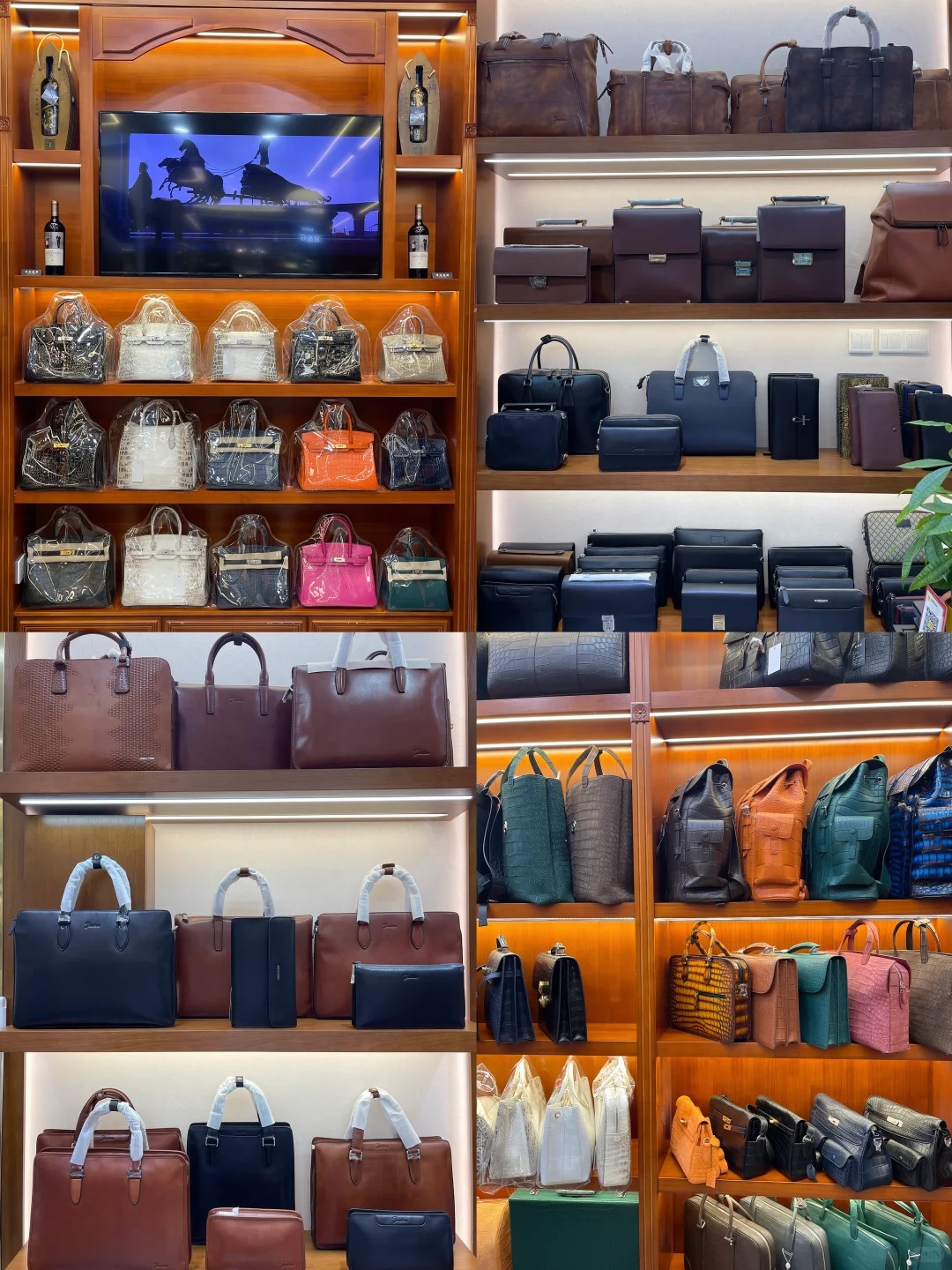
When you have the shoes in hand, examine the fabric: is it evenly glued? No loose threads? Check the stitching along the vamp and heel. A good factory uses double stitching at stress points. Bend the shoe—the sole should flex without cracking. Look for excess glue residue; clean finish signals attention to detail. Ask about the materials: are they genuine leather or synthetic? Request a piece of the fabric for testing.
Step 3: Evaluate the Factory’s Capability
Once you find a promising stall, request a factory visit. Look for cleanliness, organized workstations, and modern machinery. Ask about their minimum order quantity (MOQ). For leather shoes, MOQ is usually 100-300 pairs per style; for sneakers, it can be 500-1000. Inquire about lead time: 30-45 days is standard. Also check if they have their own mold workshop—that speeds up new designs.
Step 4: Negotiate and Legalize
After quality check, negotiate pricing. Spot goods are more expensive per pair than bulk manufacturing. Use platforms like Soudangkou to compare stall prices and factory profiles. Sign a contract specifying material specs, inspection (third-party or your own), and delivery terms. Always use a letter of credit or escrow service for large sums. Build a relationship: factory owners appreciate repeat orders and may offer you first access to new designs.
FAQ
| Question | Answer |
|---|---|
| Can I buy a shoe factory outright? | Legally possible but rare. Most Western buyers contract for production capacity instead. Buying the physical factory requires Chinese business license, land use permits, and deep capital. Stalls represent factory supply without the asset purchase. |
| What is the typical MOQ for shoe factories in China? | For spot goods, none—you can buy 1 pair. For custom orders, 100-1000 pairs per style depending on complexity. |
| How to avoid counterfeit goods when buying from stalls? | Stick to stalls that display original designs. Avoid any stall that explicitly offers “branded” copies. Verify the factory license and ask for material certificates. Use third-party inspection. |
| Is it safe to wire money to a stall owner? | Not recommended. Use an escrow service or trade assurance platform like Soudangkou. For smaller amounts, start with spot goods purchases to build trust. |
| Can I visit factories without contacting stalls first? | Yes, but you’ll need a local contact or agent. Many factories in Chenghai (slippers) or Wenzhou (leather shoes) welcome direct visits if you have a translator. Use market stalls as a filter to find serious factories. |
广州服装档口相关入口
继续查看相关市场和品类入口,方便对比档口微信、货源范围、拿货方向和试单前需要核实的信息。