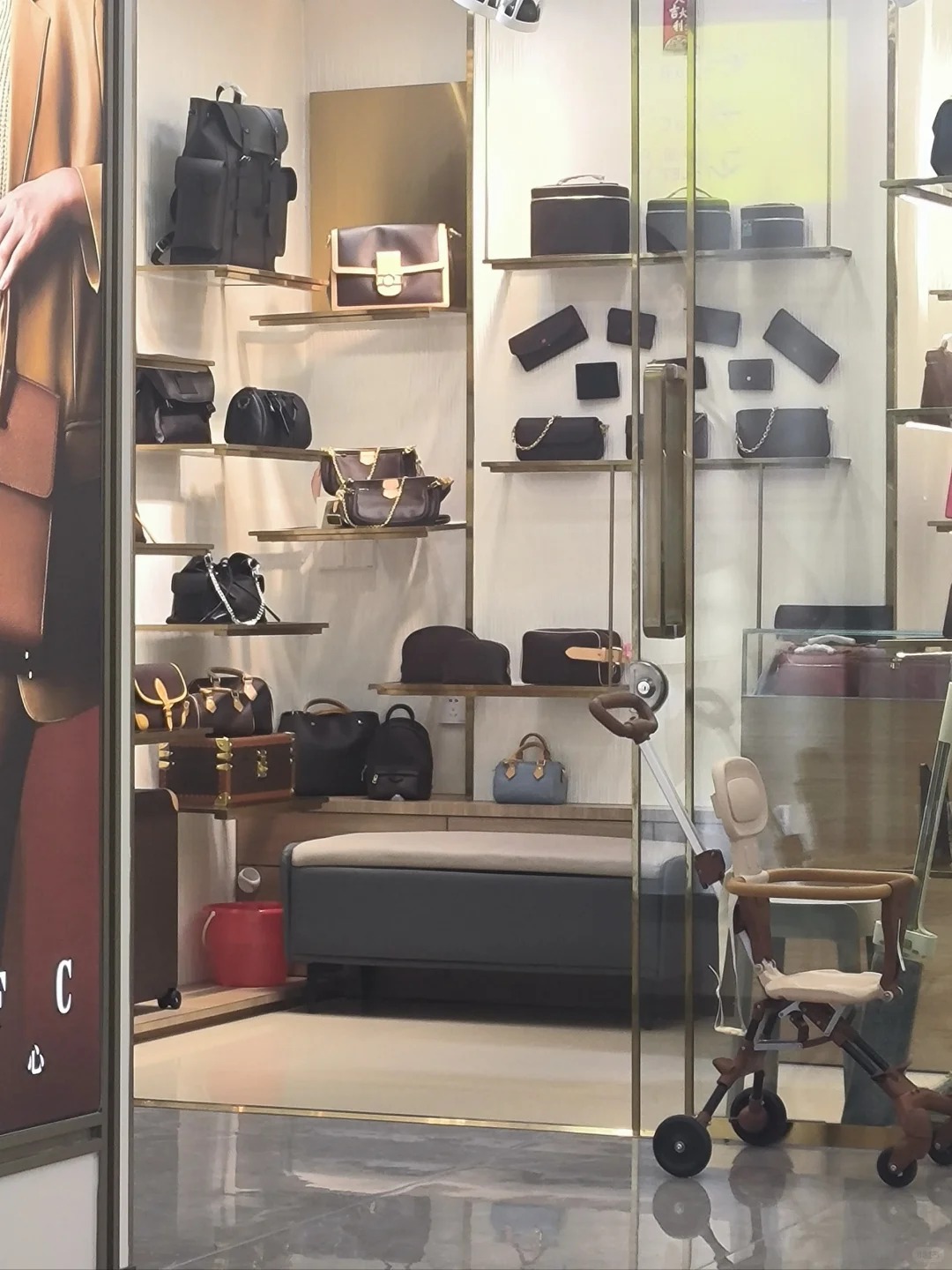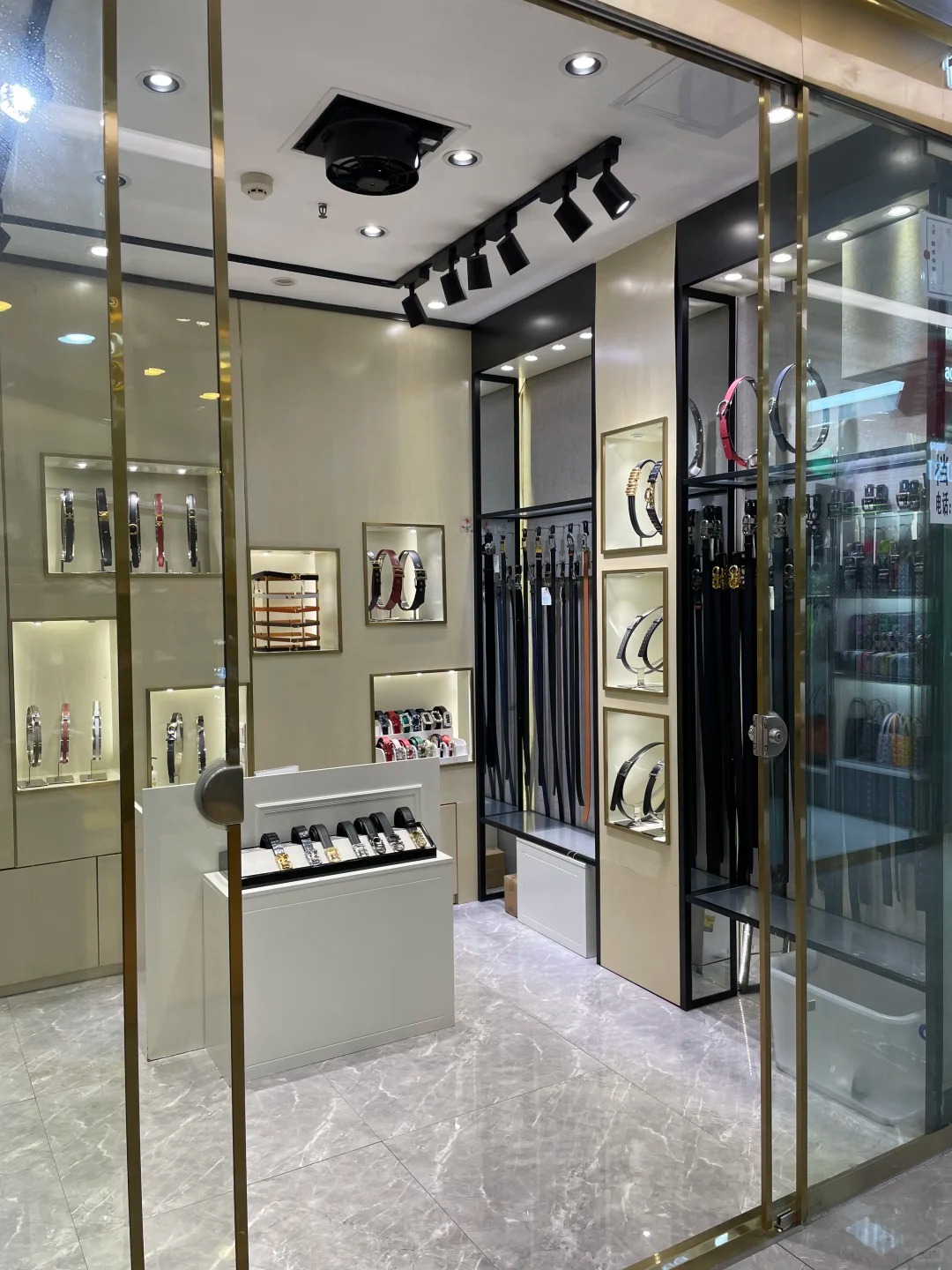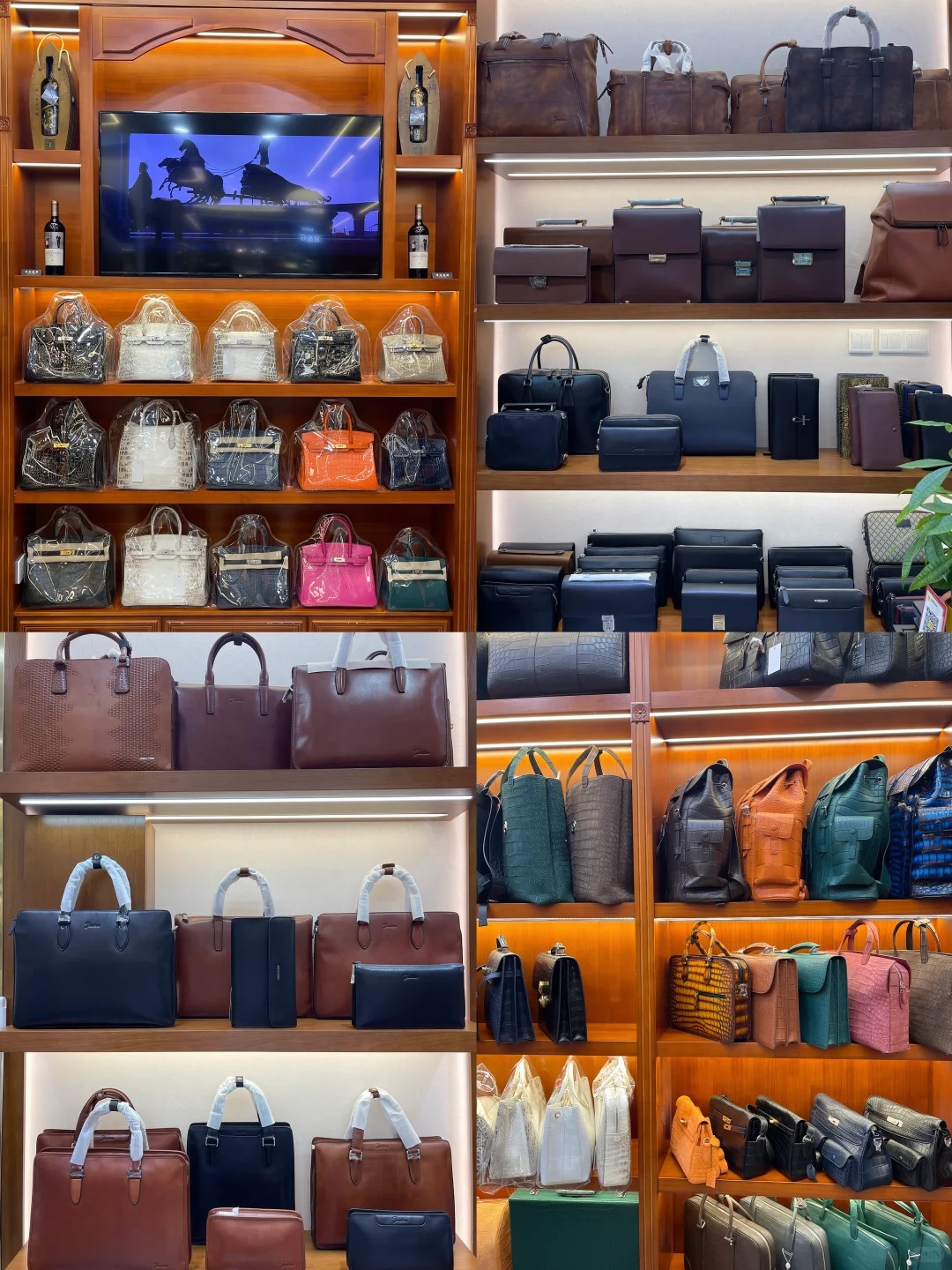

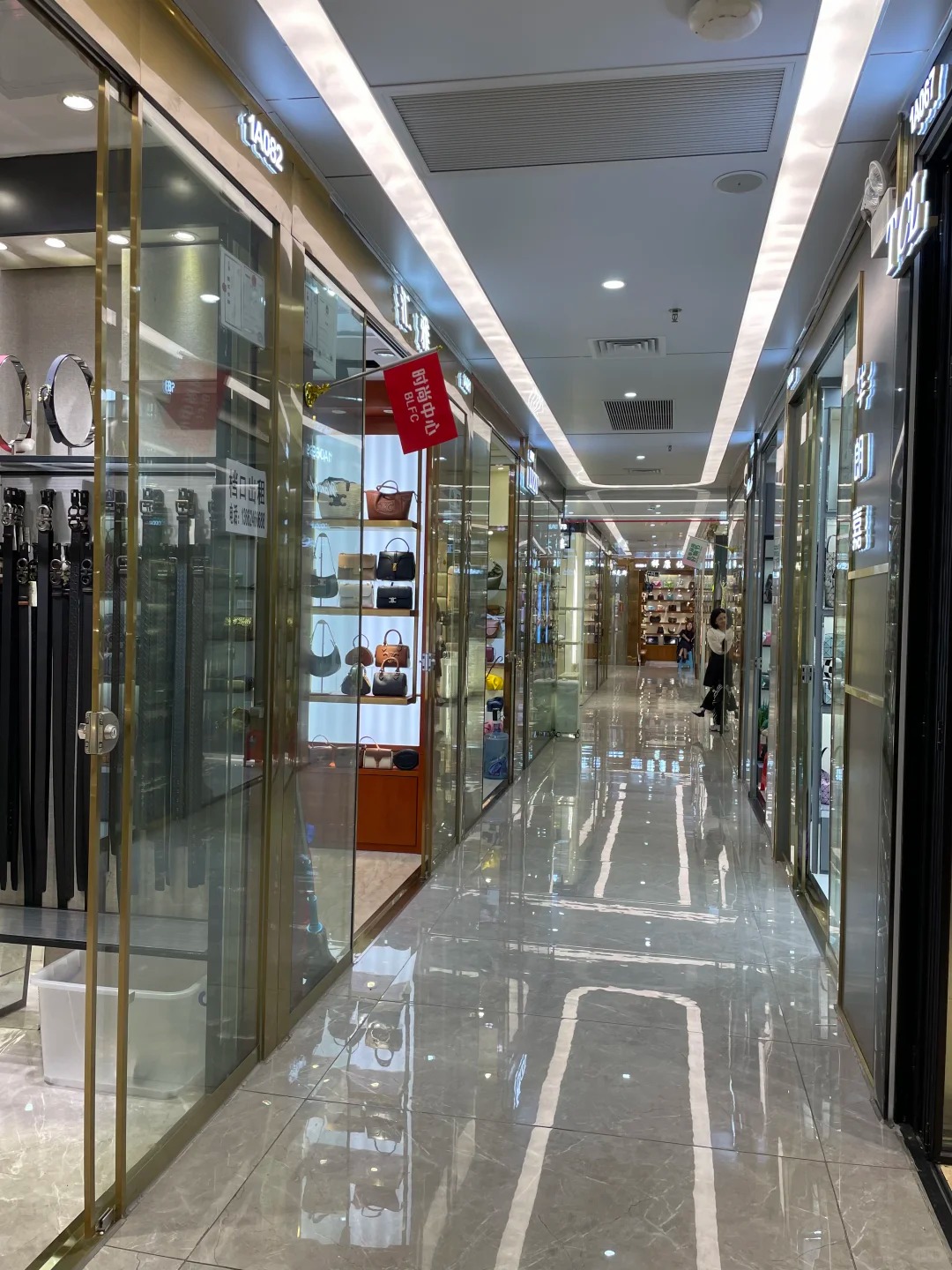
To buy a book from China, your best bet is to source directly from wholesale market stalls or via reliable online platforms like Soudangkou. Forget middlemen—Chinese markets offer massive variety at unbeatable prices. But it’s not just about price; it’s about getting the best quality for your buck. This guide walks you through the process, from finding reliable suppliers to inspecting physical books for fabric and binding quality.
1. Identify Your Market: Physical vs. Online Wholesale
Physical Markets (like Yiwu, Guangzhou, Shenzhen): These are chaotic, but the best place to touch and feel the actual product. You’ll find stalls specializing in all kinds of books—children’s, educational, fiction, art. The key is to build relationships with stall owners. They often have prime spot goods ready for immediate shipment.
Online Platforms (like Soudangkou): If you can’t travel, Soudangkou.com aggregates verified wholesalers, letting you compare prices and request samples. It’s safer than Alibaba because you’re dealing with stall owners directly.
2. Inspect Physical Quality: The Stall Owner’s Secrets
When you’re at a stall or even examining a sample, never just look at the cover. Here’s what the pros check:
- Fabric and Cover Material: Hardcover? Softcover? The cloth or paper texture matters. Run your hand over it—cheap books feel rough, premium ones are smooth to the touch.
- Binding and Stitching: Open the book to the middle. Can you see glue? Are the pages sewn or just glued? Sewn bindings last longer. Look for tight, evenly spaced stitching near the spine.
- Paper Quality: Thicker paper feels better and doesn’t yellow quickly. Check opacity—can you see text from the next page through the paper? Bad.
2.1. The ‘Spot Goods’ Advantage
Market stalls often have excess stock they want to clear. These spot goods can be 30-50% cheaper. Ask: ‘Any ready stock?’ or ‘Spot goods price?’ They might even let you pick individual books from their inventory.
3. Negotiate Like a Pro
In Chinese markets, haggling is expected. Don’t accept the first price. Use quality issues you noticed (like loose stitching) to bargain. A typical discount is 10-20% off their initial quote. Bulk orders get better deals.
4. Shipping and Logistics
Books are heavy—shipping can eat profits. Always ask about weight-based pricing. Some stall owners offer consolidated shipping with other buyers. For smaller orders, consider sea freight (cheaper but slower).
| Question | Answer |
|---|---|
| Can I order samples before bulk? | Absolutely! Most wholesalers offer samples for a fee (refundable if you order bulk). |
| What’s the minimum order quantity? | Varies. Some stalls accept 10-50 copies, while others require 100+. |
| How to avoid counterfeit books? | Stick to reputable markets and check for ISBN, printing clarity, and legal publisher info. |
| Is it safe to pay online? | Use platforms with buyer protection like Soudangkou or escrow services. |
| How do I verify a supplier? | Request to video call the stall to see inventory. Ask for photos of their spot goods. |
5. Why Direct Market Sourcing Beats Retail
You’re not just buying a product; you’re tapping into China’s manufacturing powerhouse. By going directly to wholesale markets or using aggregators like Soudangkou, you eliminate layers of markup. Plus, you can customize—want special covers or binding? Stall owners can often arrange that.
Remember, the best deals come from understanding the product’s substance: fabric, stitching, and paper. Shorten your supply chain, and your profit margins will thank you.
广州服装档口相关入口
继续查看相关市场和品类入口,方便对比档口微信、货源范围、拿货方向和试单前需要核实的信息。