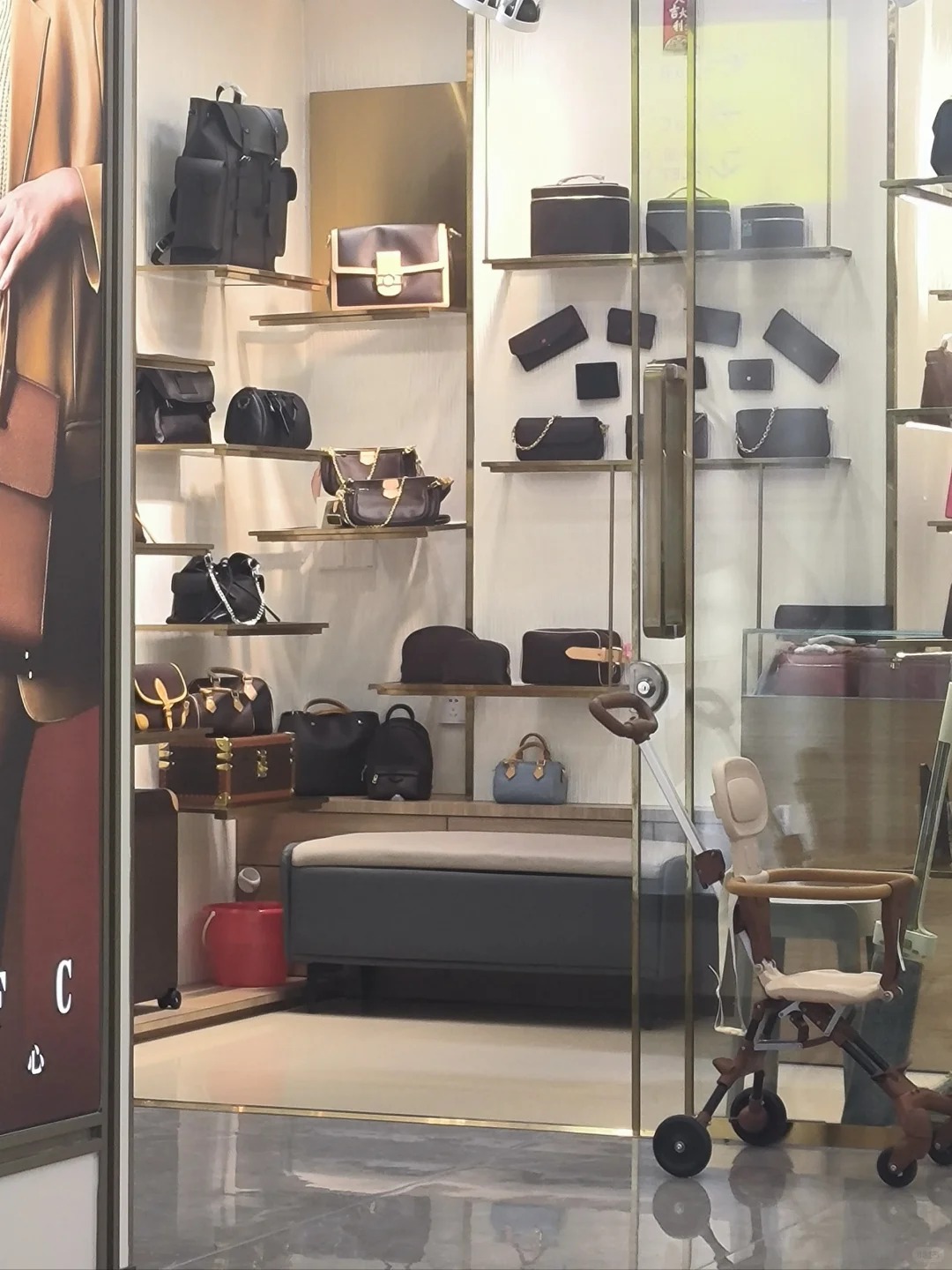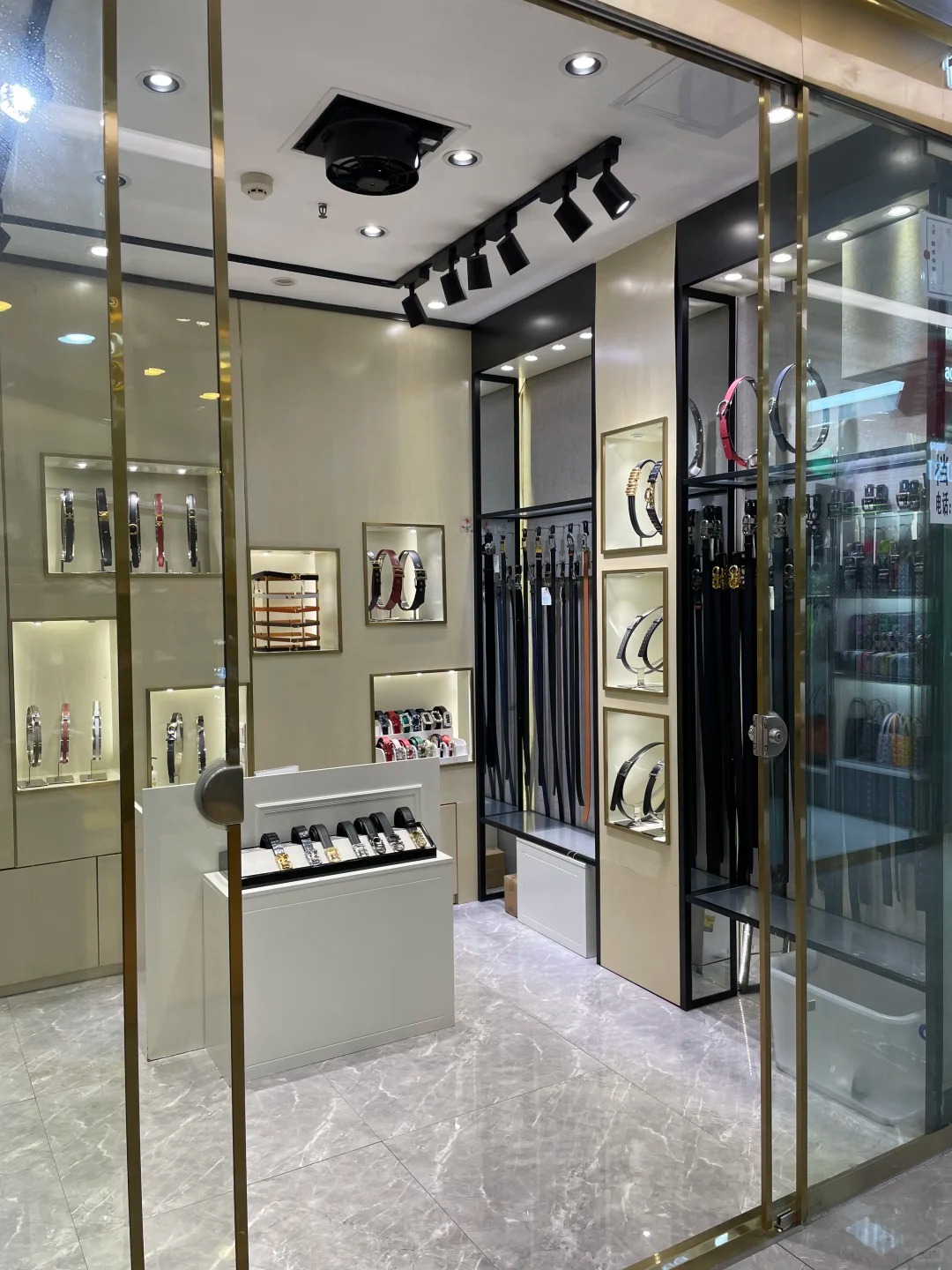

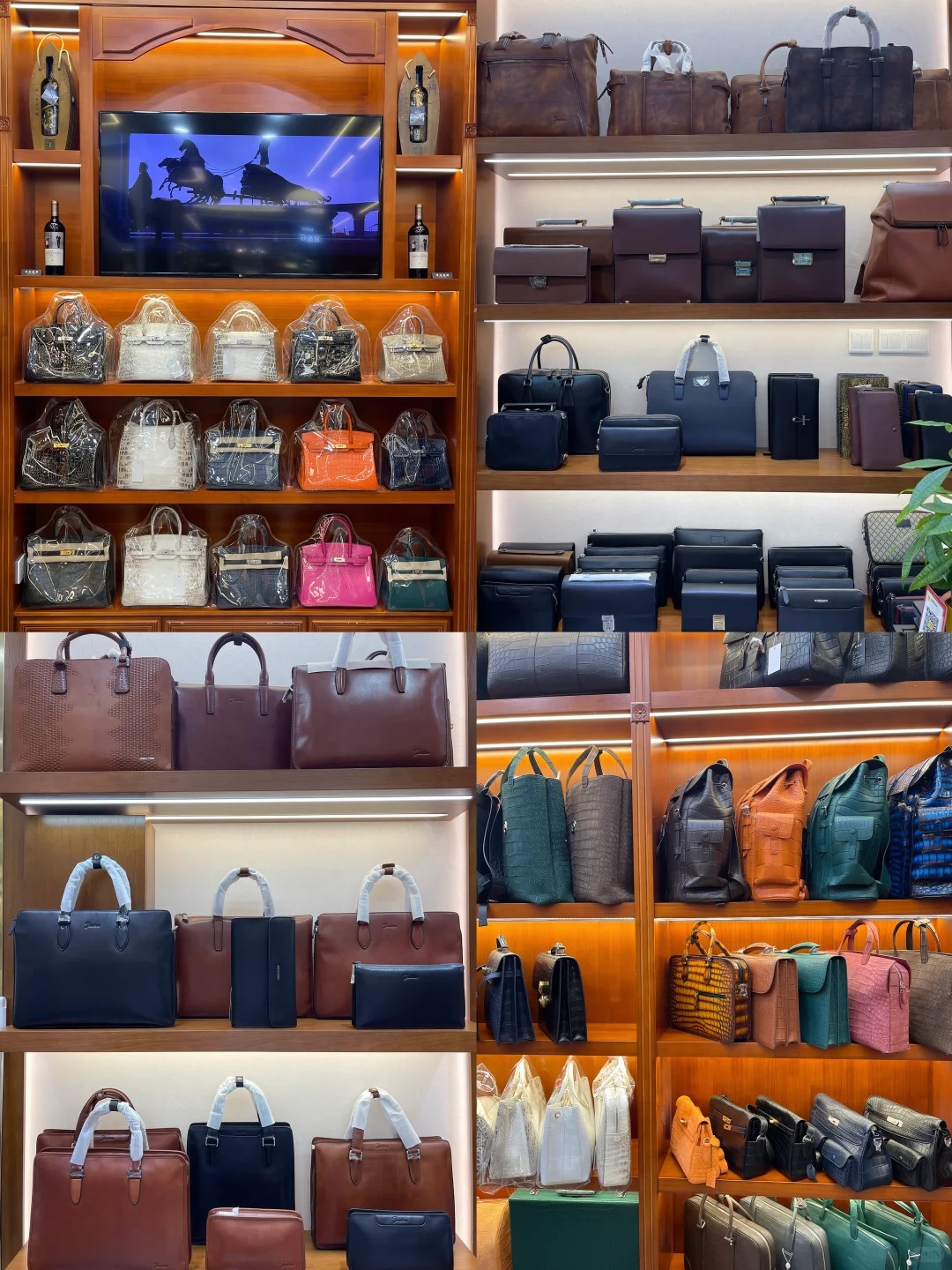
To buy China knockoffs successfully, focus on stall reputation, material feel, and stitch density — not logos. The best deals come from knowing which stalls produce tight seams and durable fabric, and which just slap on labels. Here’s how to navigate the chaos.
1. Stall Selection: Look for Signs of Legit Manufacturing
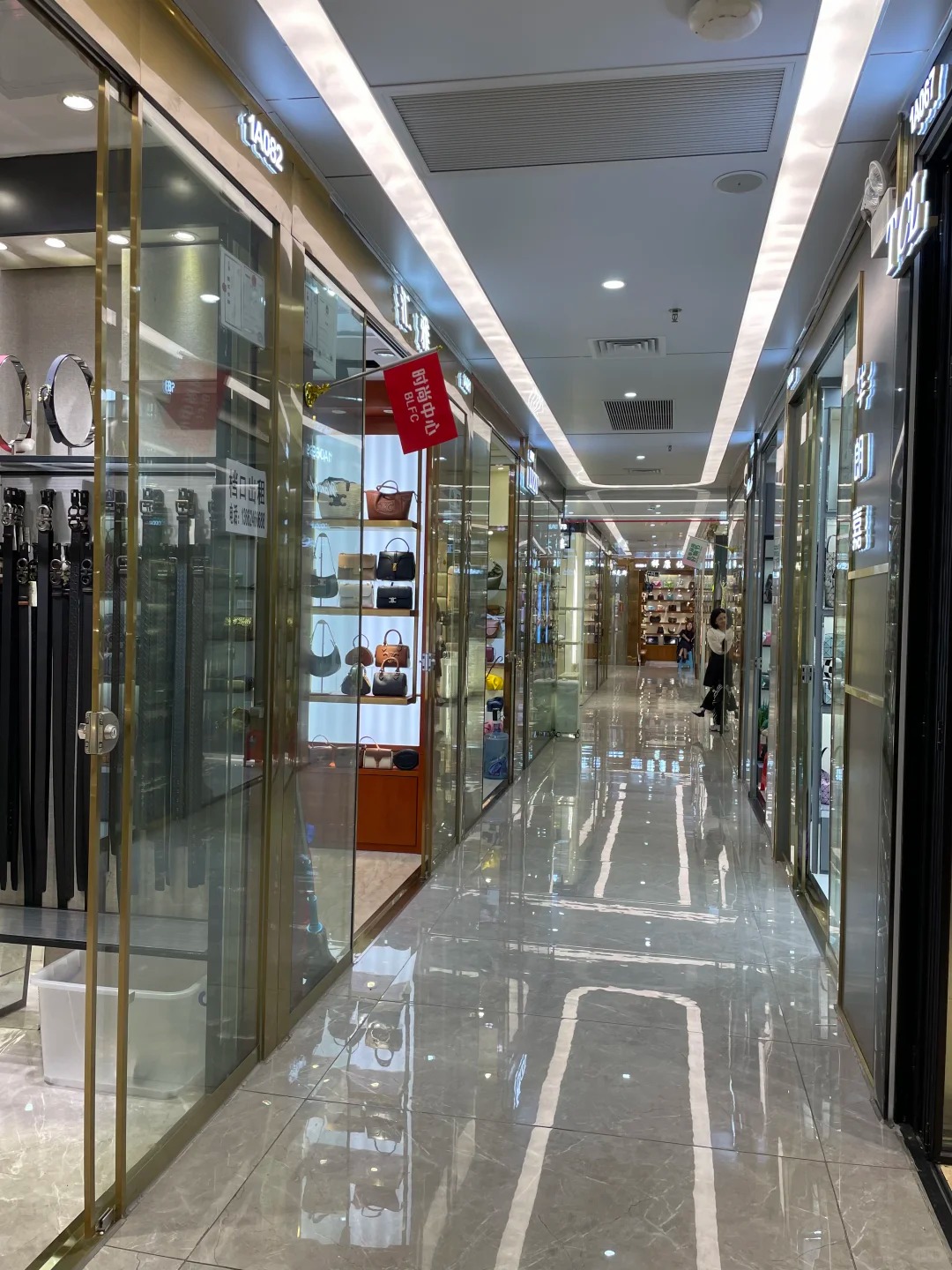
At any wholesale market, stalls that manufacture their own goods will have a small workshop display or samples with consistent stitching. Avoid stalls with random piles of branded bags — those are often low-grade fakes. Instead, look for stalls that let you inspect multiple units; that’s a sign they have inventory control.
2. Material Feel: The First Clue
Knockoffs range from rubbery plastic to supple leather. Rub the material between your fingers. Genuine-looking knockoffs use polyurethane with a soft grain. If it feels sticky or smells like a chemical spill, move on. The best knockoffs have a slight matte finish and a bit of give.
3. Stitch Density: Count per Inch
Inspect a 1-inch (2.5 cm) section of seam. Good knockoffs have 8-12 stitches per inch. Fewer than 5? That’s a $5 bag. Also check the inside lining — loose threads are a red flag.
4. Hardware Weight: Test the Zippers and Clasps
Pick up the bag and feel the zipper pull. A quality fake will have a metal pull that clicks smoothly, not a plastic one that grinds. The same goes for clasps — they should be weighty, not hollow.
5. Negotiation Strategy: Compare Three Stalls First
Don’t buy the first similar item you see. Walk three stalls carrying the same model. Note the differences in lining, strap stitching, and overall weight. Then negotiate using the weakest points of the first stall’s product.
6. Payment & Shipping: Use Escrow or Cash on Delivery
For small orders, pay only a deposit (30-50%) until you see the goods. For larger lots, use an escrow service or third-party inspection. Many stalls offer a 24-hour review period — take advantage.
FAQ: Common Questions About Buying China Knockoffs
| Question | Answer |
|---|---|
| Are knockoffs illegal to buy? | Yes, if they infringe trademarks. We advise buying unbranded replicas or creative fakes. |
| How can I spot a good knockoff at a glance? | Check the stitching and feel the material. A good knockoff has even seams and soft, not plasticky, feel. |
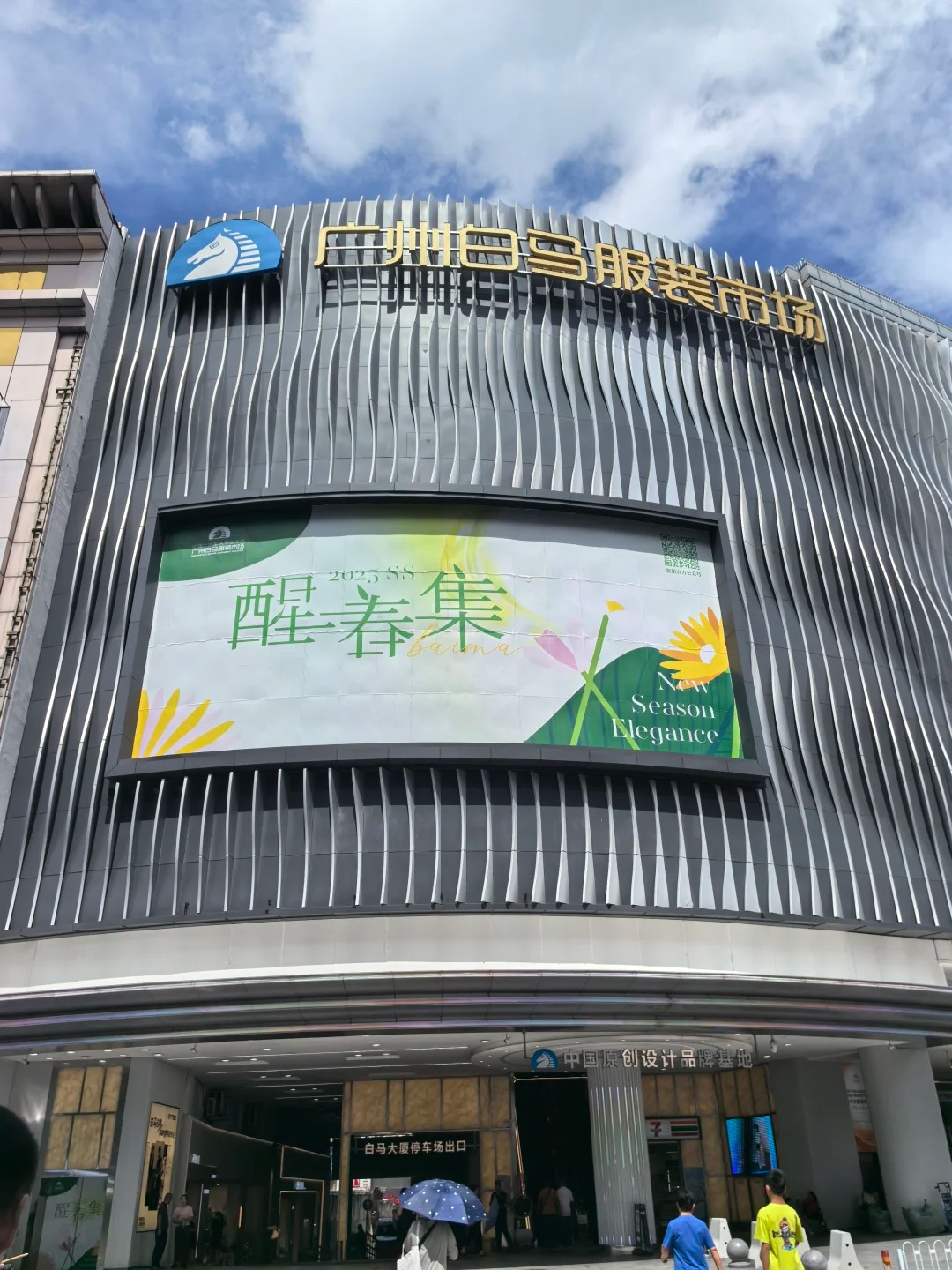
| Which cities in China have the best knockoffs? | Guangzhou and Yiwu are top. Guangzhou for bags, Yiwu for accessories. |
| What’s the price range for quality knockoffs? | Expect $15–$50 wholesale for decent quality. Anything under $10 is likely junk. |
| Do knockoffs come with packaging? | Often just a dust bag. Premium knockoffs may include a box, but it’s rare. |
| How do I negotiate effectively? | Point out a flaw (e.g., loose thread) and ask for a bulk discount. Stall owners expect bargaining. |
| Can I get samples before bulk buy? | Yes, most stalls sell single pieces at a higher price. Use that to test quality. |
Final Tips for Smart Buying
Always ask for the price per piece in bulk (50+ units). Take photos of the item and stall. And ignore brand names — focus on craftsmanship. Platforms like Soudangkou can help you compare stalls virtually before you travel, but nothing beats a physical inspection. Your success hinges on being picky about details most tourists ignore.
广州服装档口相关入口
继续查看相关市场和品类入口,方便对比档口微信、货源范围、拿货方向和试单前需要核实的信息。