
How to Buy and Sell Things from China: A Practical Guide for Wholesale Market Stalls
The fastest way to profit from Chinese goods is to buy ready-to-ship stock from wholesale market stalls in cities like Guangzhou and Yiwu. Forget waiting weeks for factory orders—spot goods let you inspect the fabric, stitching, and overall quality before paying a dime. This guide walks you through the exact process, from finding reliable stalls to negotiating prices, all while avoiding common pitfalls.
Step 1: Identify the Right Market and Stall
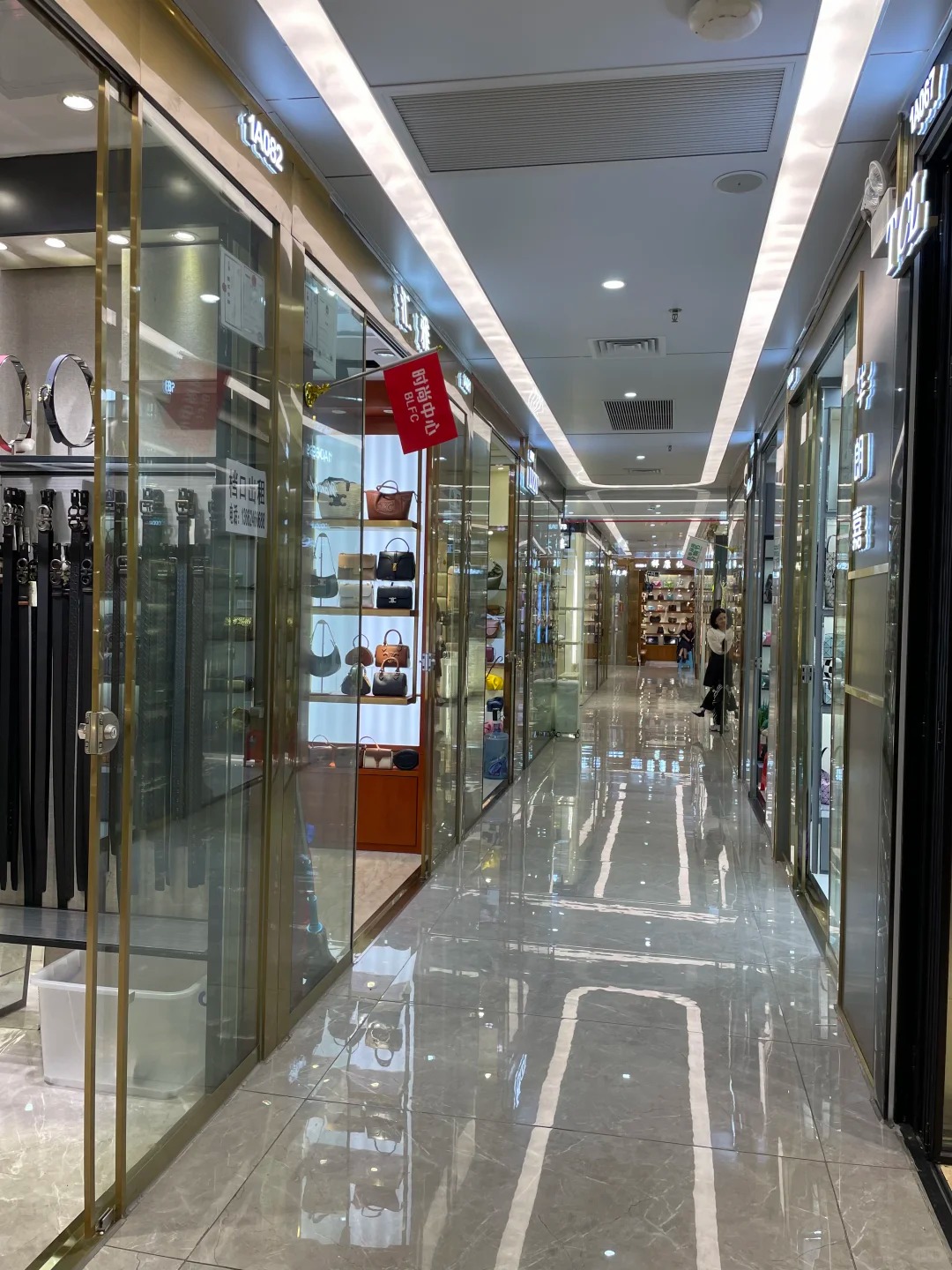
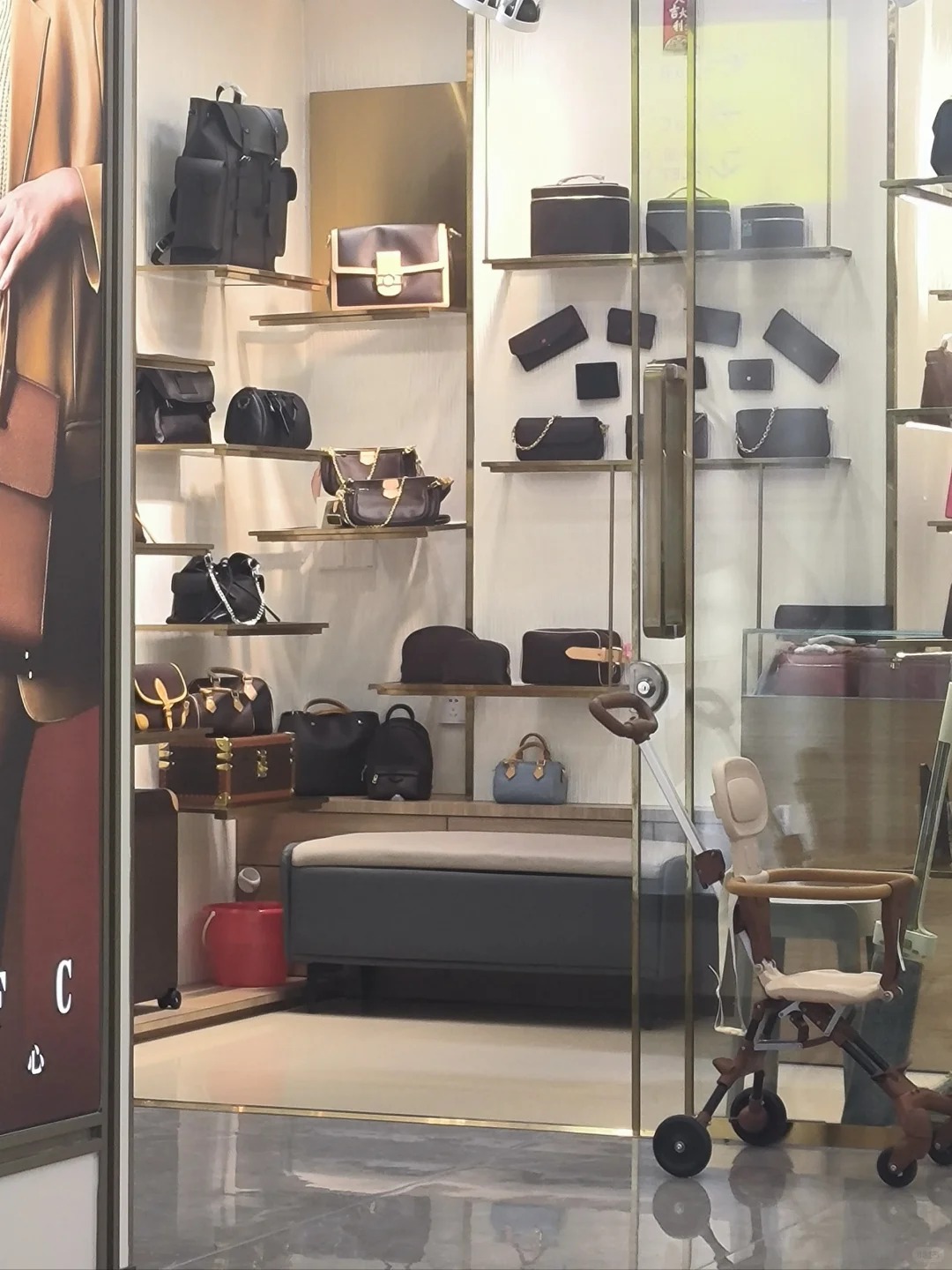
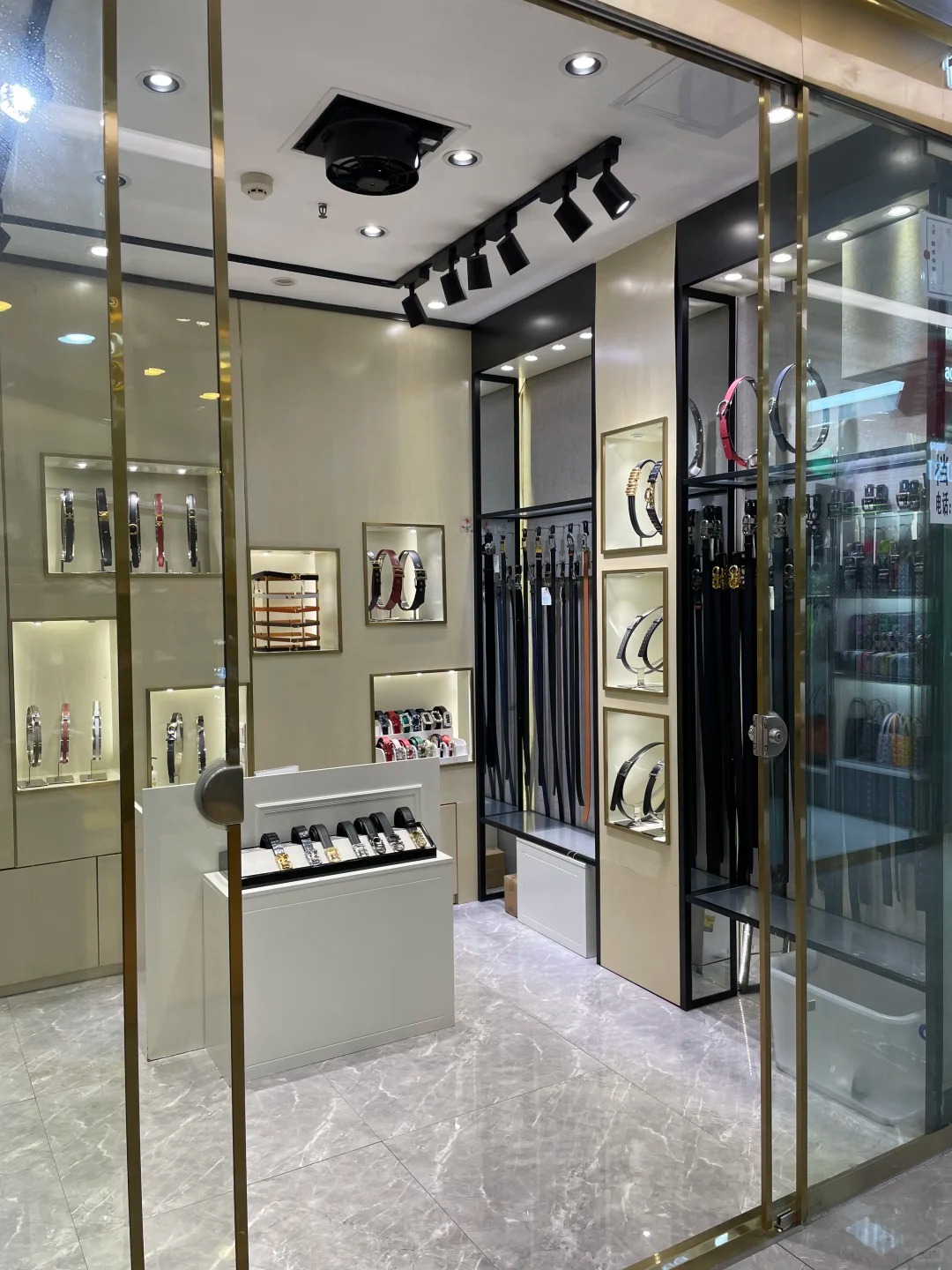
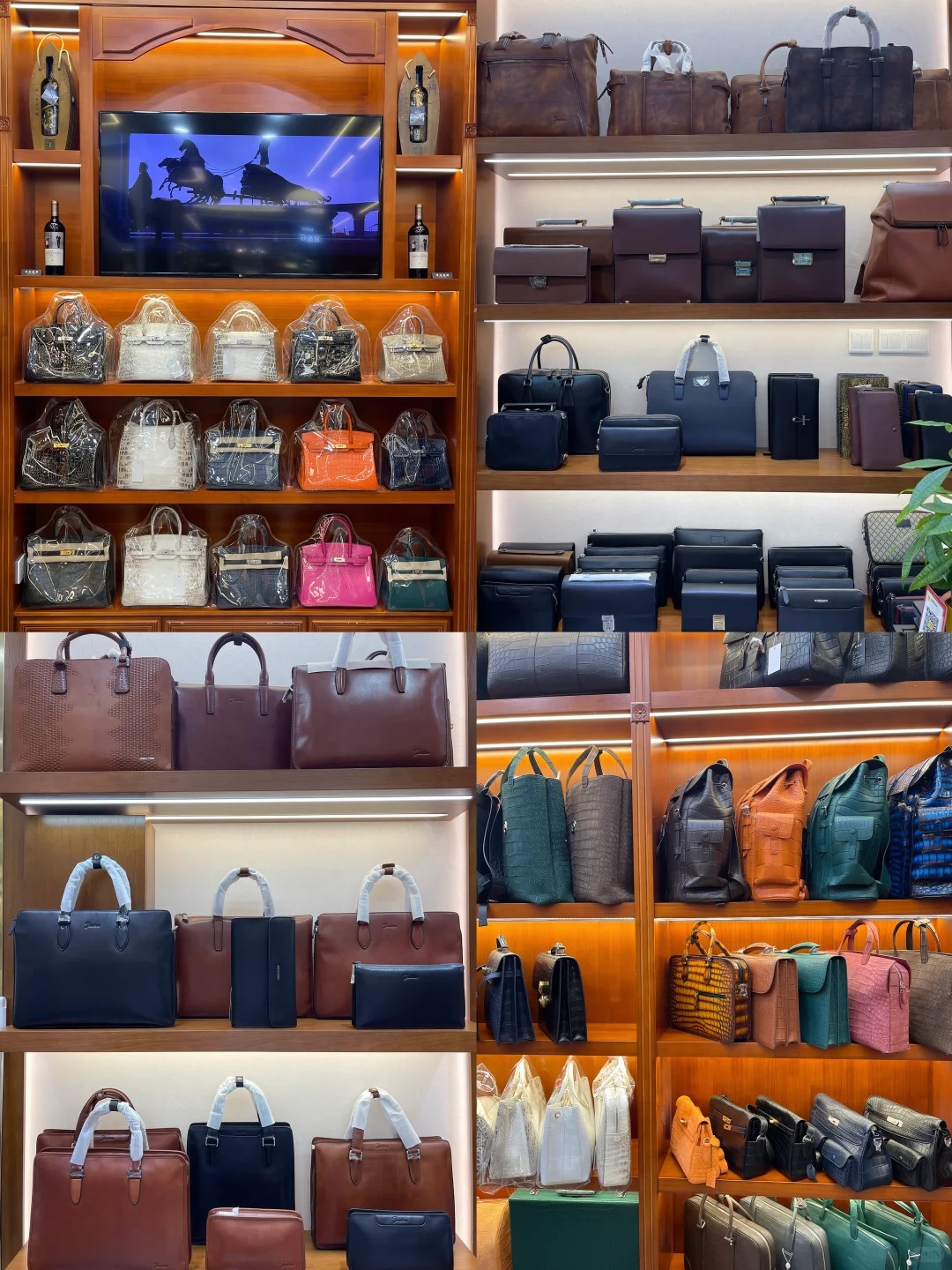
Start at specialized markets. For electronics, head to Shenzhen Huaqiangbei. For clothing and accessories, Guangzhou’s Zhan Yi Road is your best bet. Look for stalls with high foot traffic and product displays that show multiple variations—these indicate a wholesaler who moves stock fast. Don’t be shy to ask for the “spot goods” price list. A trustworthy stall will let you handle the merchandise; check the fabric weave and stitching for consistency—loose threads or uneven seams are red flags.
Step 2: Master the Art of Inspection
Bring a small magnifying glass or use your phone’s zoom to examine stitching. For apparel, stretch the fabric—does it snap back? Rub it to test pilling. For electronics, power on a sample and check for software glitches. Always ask for a sample run before buying bulk. A good wholesaler will offer a “proof sample” for a small fee, credited toward your first order. This builds trust and reveals true quality.
Step 3: Negotiate Like a Pro
Wholesale prices are often negotiable, especially if you buy multiple “styles” (variations) from the same stall. Start by offering 30% below the listed price, then settle around 15-20% off. Use the local greeting “Pengyou, gei ge hao jia” (Friend, give me a good price) to build rapport. If you’re planning to reorder, mention that—wholesalers value repeat business and may drop prices further. Platforms like Soudangkou can help you pre-vet suppliers before you travel, saving time and money.
Step 4: Arrange Shipping and Payment
Most stalls accept Alipay, WeChat Pay, or USDT. Avoid credit cards—fees eat margins. For shipping, use stall-recommended forwarders but cross-check rates. Consolidate multiple orders to reduce costs. Always get a packing list and photos of your goods before they leave the stall. For small shipments, express couriers like DHL work; for pallets, sea freight is cheaper.
Common Mistakes and How to Avoid Them
- Not inspecting in person: Videos can be edited. Always check stock with your own hands.
- Overlooking fabric quality: Cheap polyester blends might look good online but feel cheap. Demand cotton or high-quality synthetics.
- Assuming “wholesale” is always cheaper: Some stalls inflate prices for tourists. Compare prices across three stalls before buying.
FAQ: Quick Answers to Key Questions
| Question | Answer |
|———-|——–|
| What is the best market for electronics? | Shenzhen Huaqiangbei, but always test a sample. |
| How do I check fabric quality? | Stretch, rub, and hold it against light—cheap fabric is often thin or irregular. |
| Can I return spot goods? | Usually no, but you can reject items that differ from the sample. |
| What payment is safest for wholesalers? | Use Alipay or escrow services. Avoid cash deals. |
| How do I find trustworthy stalls? | Use sourcing platforms like Soudangkou to see reviews and spot goods offers. |
Final Thoughts
Buying from Chinese wholesale markets is a hands-on game. Respect the stall owners, inspect everything, and build relationships. Start small—test a few styles—then scale. The margins are there if you treat quality as your priority. Remember, the best deals come from knowing the stall owner’s inventory inside out.
广州服装档口相关入口
继续查看相关市场和品类入口,方便对比档口微信、货源范围、拿货方向和试单前需要核实的信息。