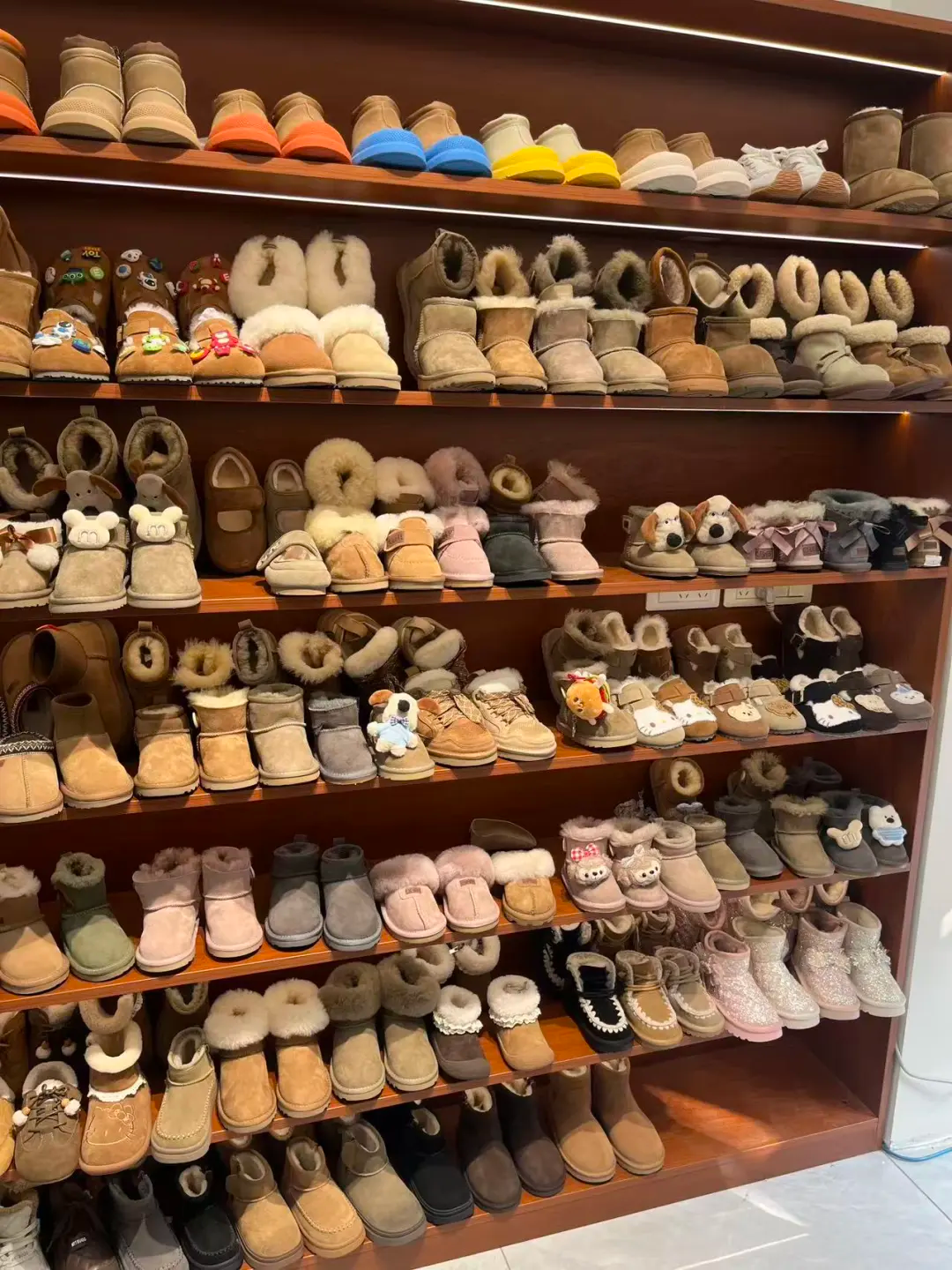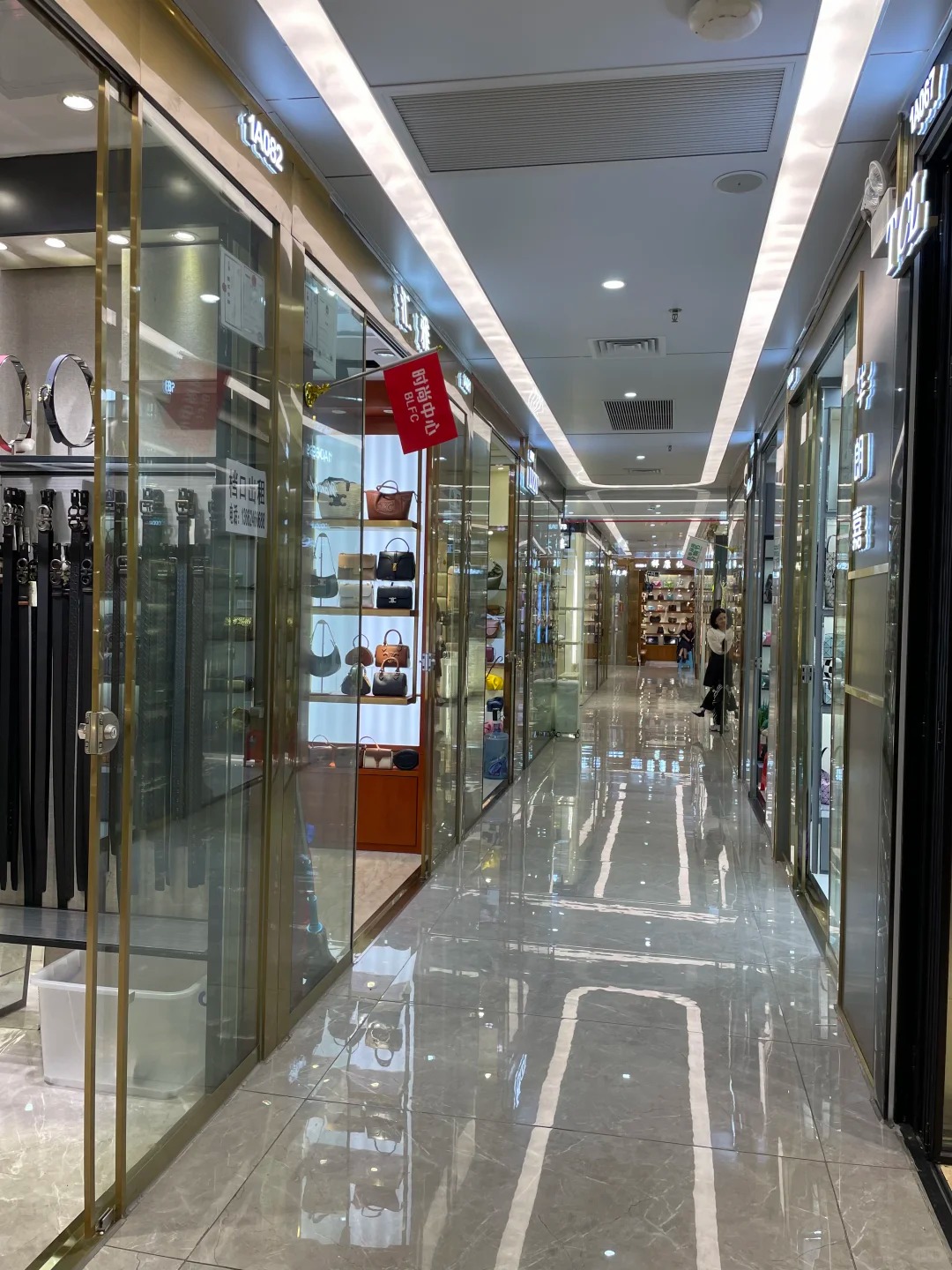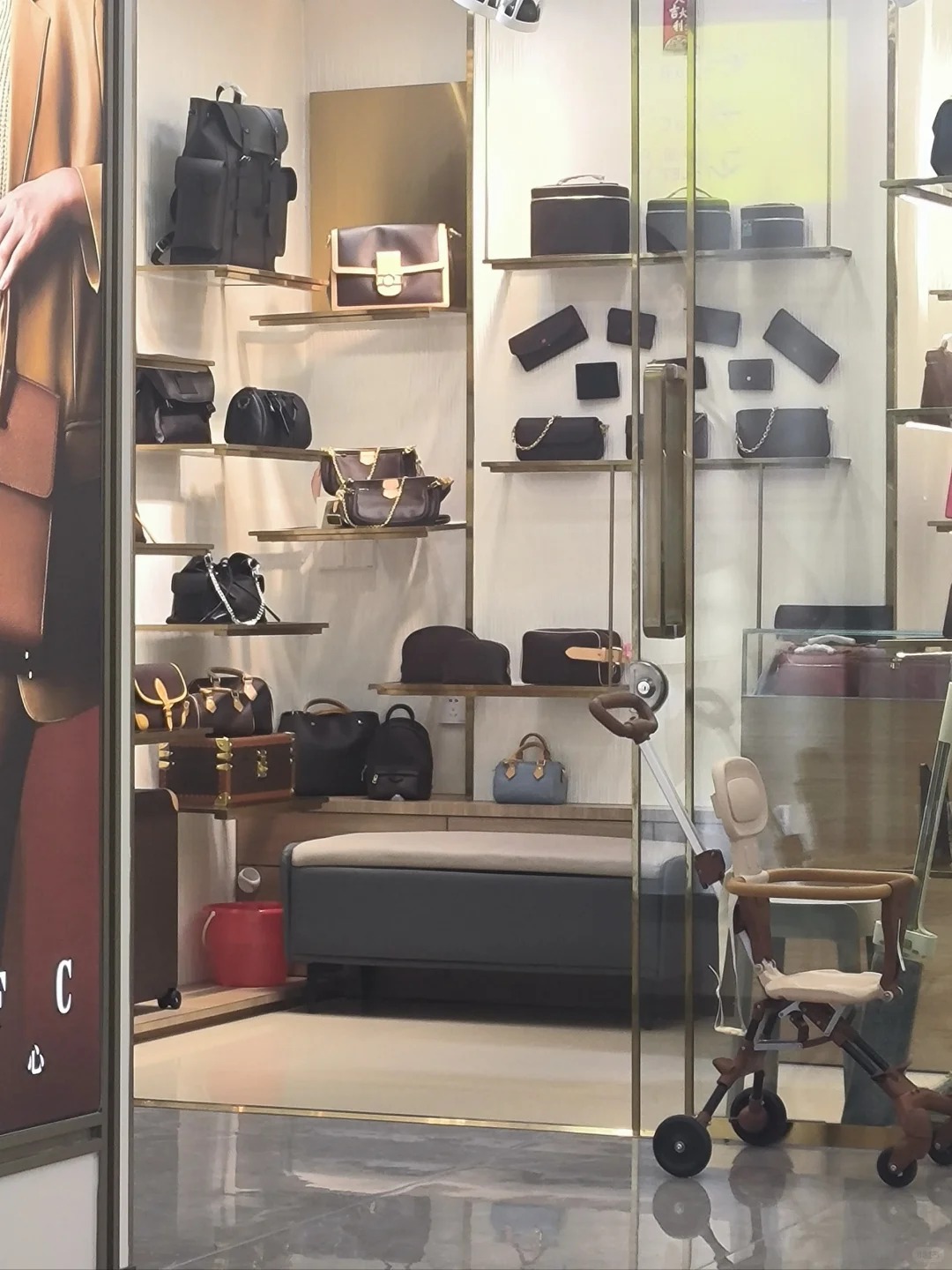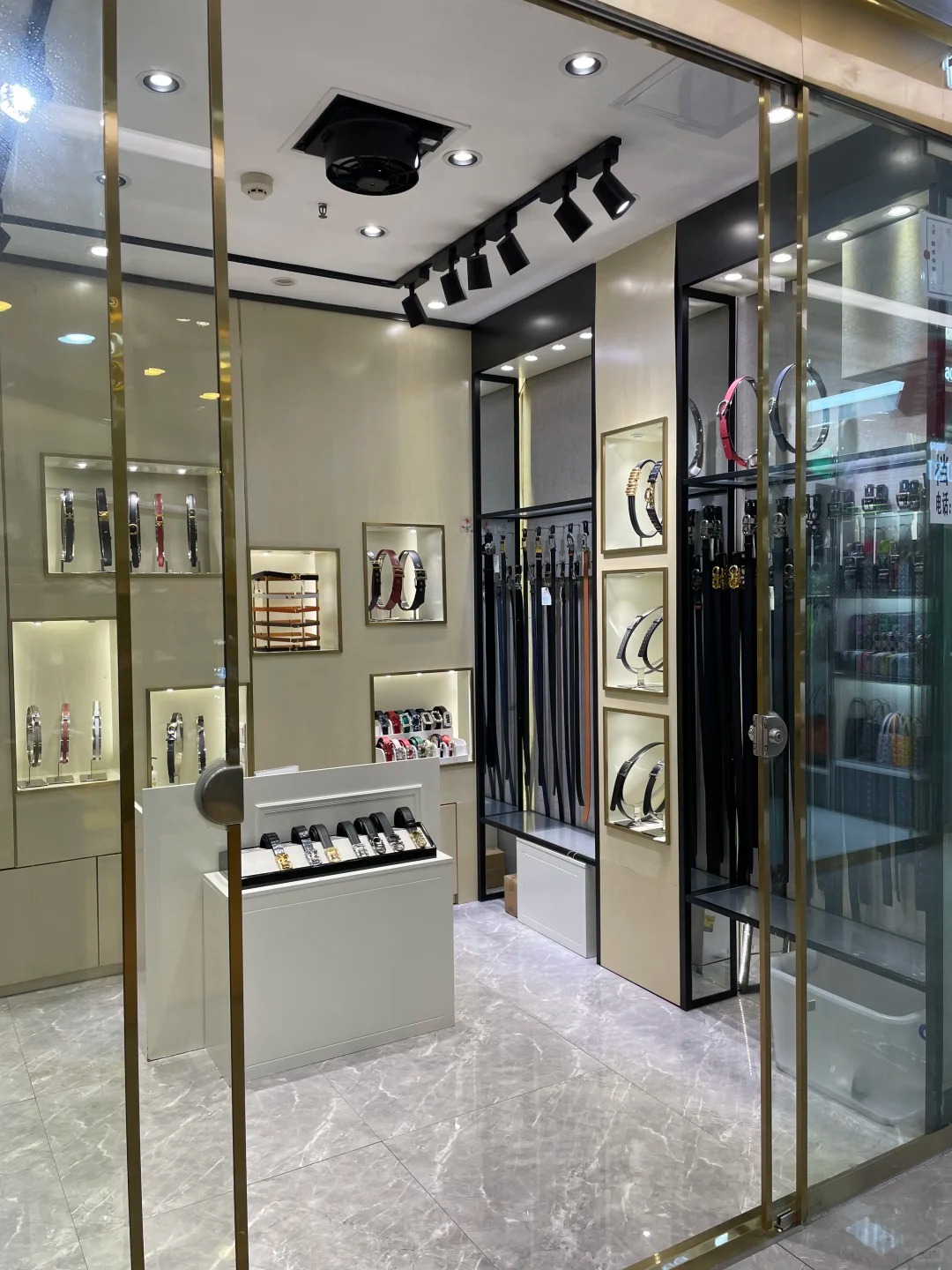

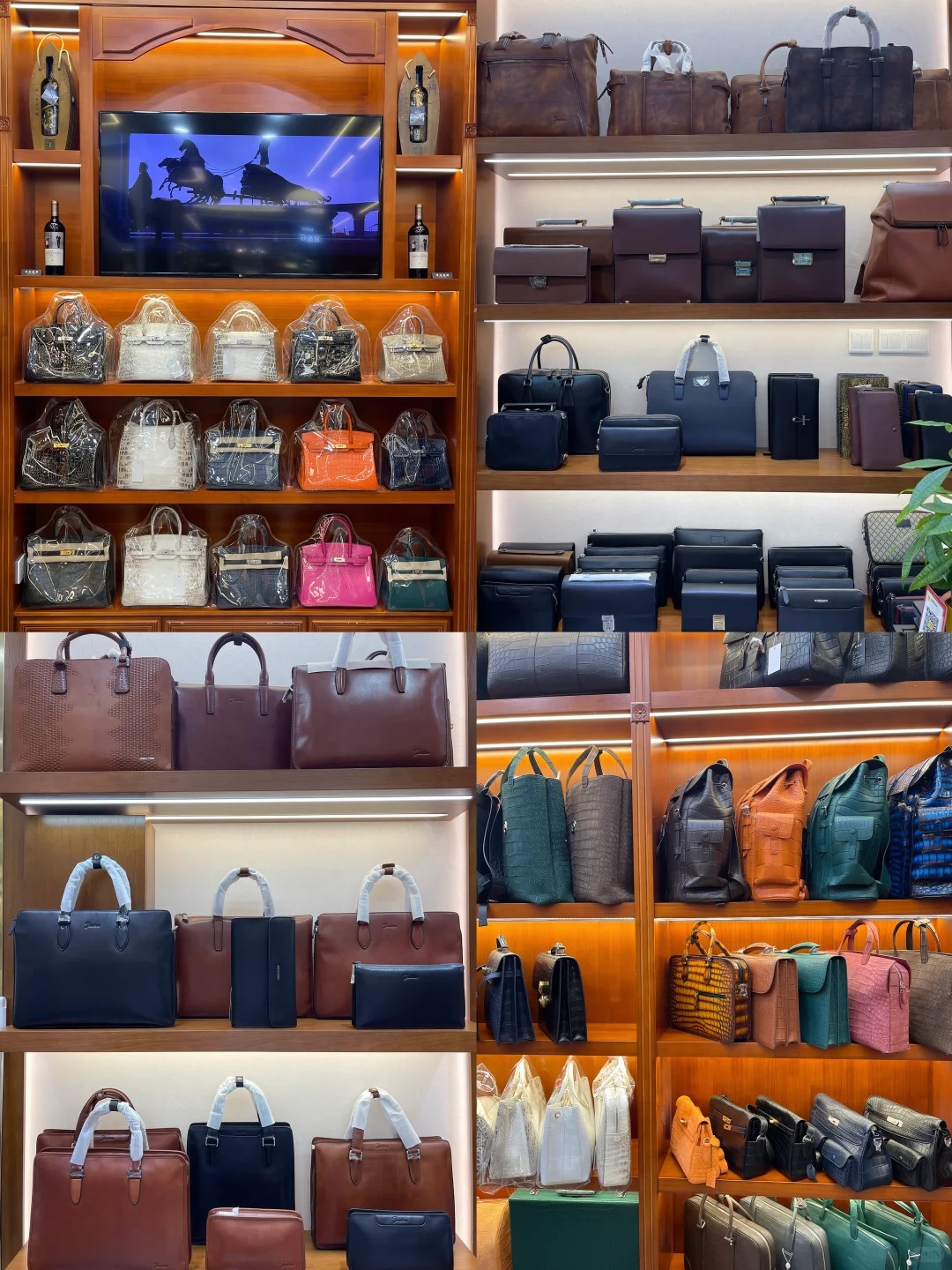
To buy clothes and shoes from China successfully, start with wholesale markets like Guangzhou’s Shaxi or Yiwu. Visit stalls in person or use platforms to connect with verified suppliers. Focus on quality checks like fabric feel and stitching before ordering bulk.
Step 1: Understand the Wholesale Market Landscape
China’s clothing and shoe wholesale hubs are concentrated in Guangzhou (especially Shaxi for jeans, Zara-style fast fashion) and Yiwu (for shoes and accessories). Factory-direct options exist near Hangzhou. For physical inspection, visit these markets — you’ll find thousands of stalls displaying samples. If remote, use sourcing agents or online B2B platforms that list market stall inventory.
Step 2: Choose Between Factory vs. Stall vs. Stocklot
Most buyers want ready-to-ship stock to avoid MOQs. Market stalls offer this advantage: they already hold inventory you can buy immediately. Factory requires minimum orders (often 100-500 pieces per style). Stocklots are leftovers from cancelled orders — cheap but inconsistent. For first-time buyers, stalls are safest because you can see and touch the goods before paying.
Quality Checks: Fabric, Stitching, and Fit
Always request a sample before bulk order. Feel the fabric – check for pilling, stretch recovery. Examine seams: straight stitching without loose threads is a baseline. For shoes, flex the sole – it should bend without cracking. Check lining and insoles. If possible, measure dimensions against size charts. In Chinese markets, common size breakdowns: S-4XL for clothes; EU 36-45 for shoes.
Negotiating with Stall Owners
Prices are negotiable, especially for larger quantities. Start by asking: ‘What is the wholesale price per piece for 50 units?’ Stall owners often quote higher initial prices. Counter with a reasonable discount (10-20% off). Build relationships — return customers get better treatment and possibly exclusive designs.
FAQ: Common Questions About Buying from China
| Question | Answer |
|---|---|
| What is the best way to pay Chinese suppliers? | Use TT (wire transfer) for large orders; PayPal for small samples. Avoid cash. |
| How to avoid counterfeit goods? | Stick to markets that sell unbranded or private-label items. Official brand distributors have certificates. |
| What shipping options are best for small orders? | Air freight via courier (DHL, FedEx) for samples; sea freight for bulk (20-30 days). |
| Can I buy from China without visiting? | Yes, use Soudangkou, a platform connecting you directly with wholesale stalls. Inspect goods via video call. |
| What is the minimum order quantity typically? | Stalls: 10-50 pieces; Factory: 200+ pieces; Stocklot: varies. |
| How to ensure quality without travel? | Order samples first, request factory audit reports, or hire a third-party inspection agency. |
| What are common scams? | Fake tracking numbers, poor quality substitution. Use escrow payment or reputable platforms. |
Handling Shipping and Customs
For small orders, consolidate with other buyers to save costs. Use a forwarder who handles export documents. Declare correctly: ‘garments’, ‘shoes’ with correct HS codes. Duties depend on your country — check with customs broker. Consider DDP shipping to avoid surprises.
Final Tips for Success
Start small, test products, and build relationships. The Chinese wholesale scene is fast-moving — new styles arrive weekly. Visit markets every season or follow suppliers on WeChat. Platforms like Soudangkou simplify remote buying by showing real-time stall inventory. Always get a sample before bulk order to ensure quality aligns with your expectations.
广州服装档口相关入口
继续查看相关市场和品类入口,方便对比档口微信、货源范围、拿货方向和试单前需要核实的信息。