
To buy clothes and shoes from China profitably, you need to bypass middlemen and go directly to wholesale market stalls that sell ready stock. This guide shows you how to inspect fabric quality, check stitching, and negotiate with suppliers in person—all from the perspective of a seasoned market stall buyer.
Why Buy from Wholesale Market Stalls?
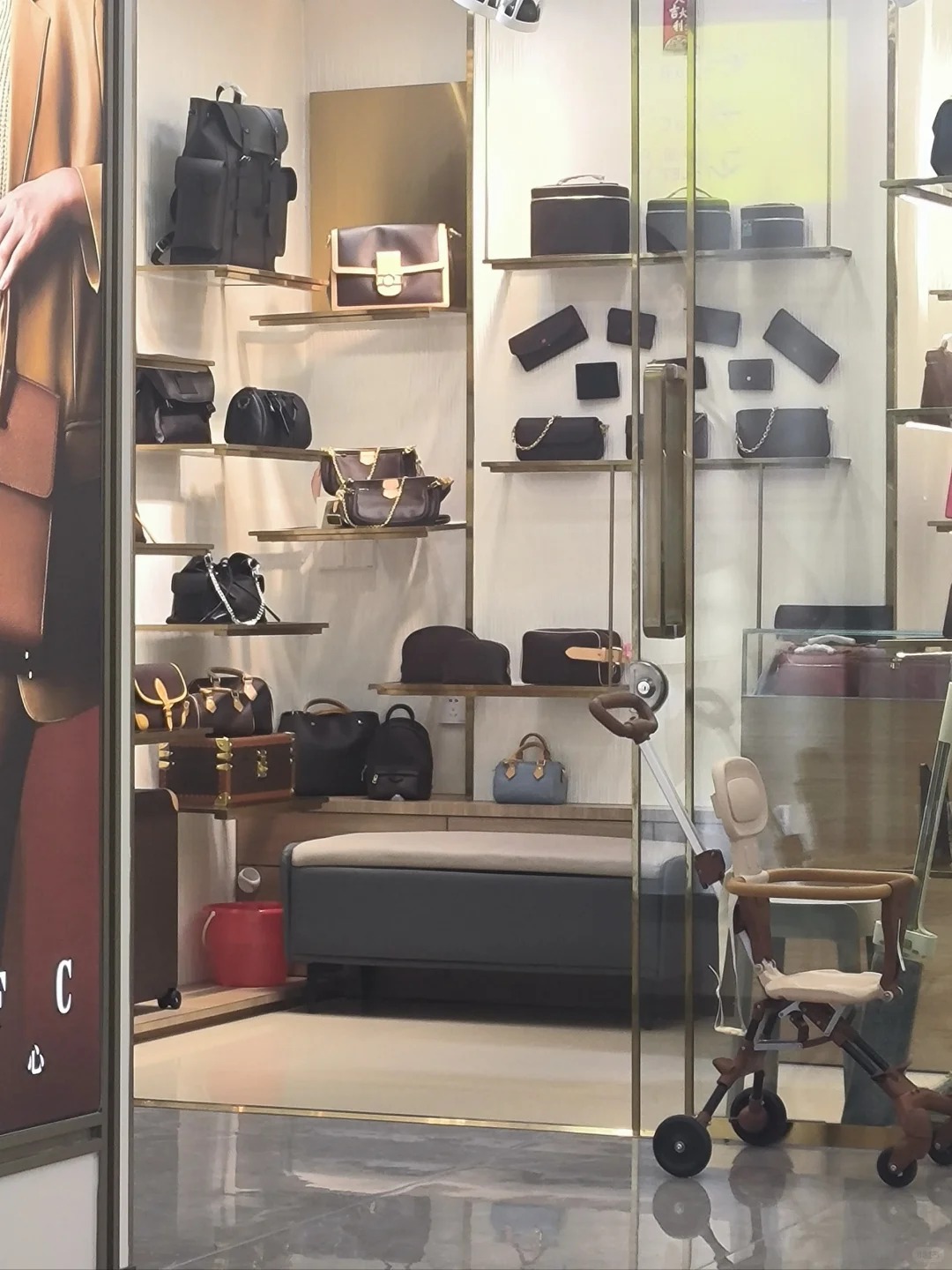
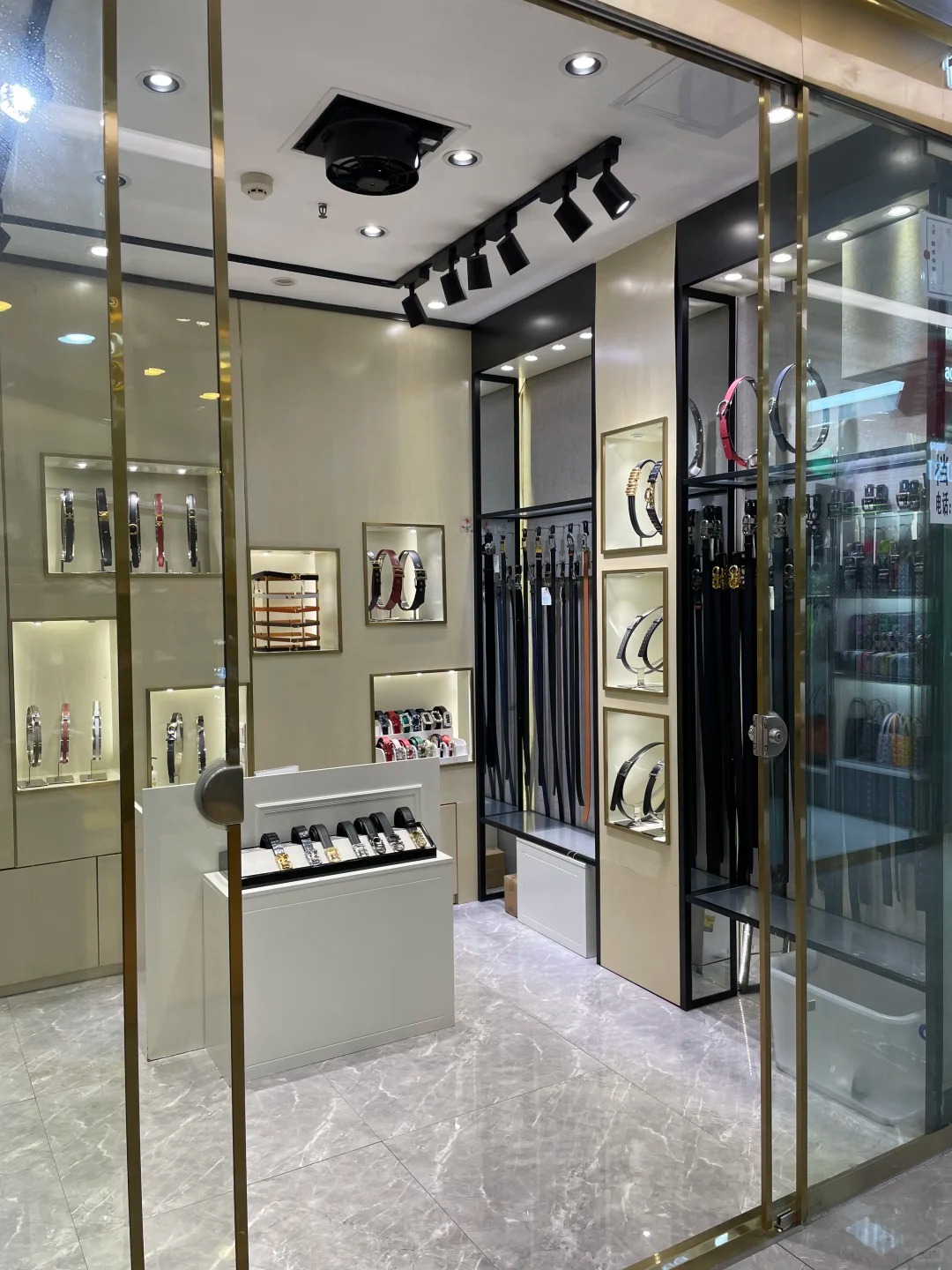
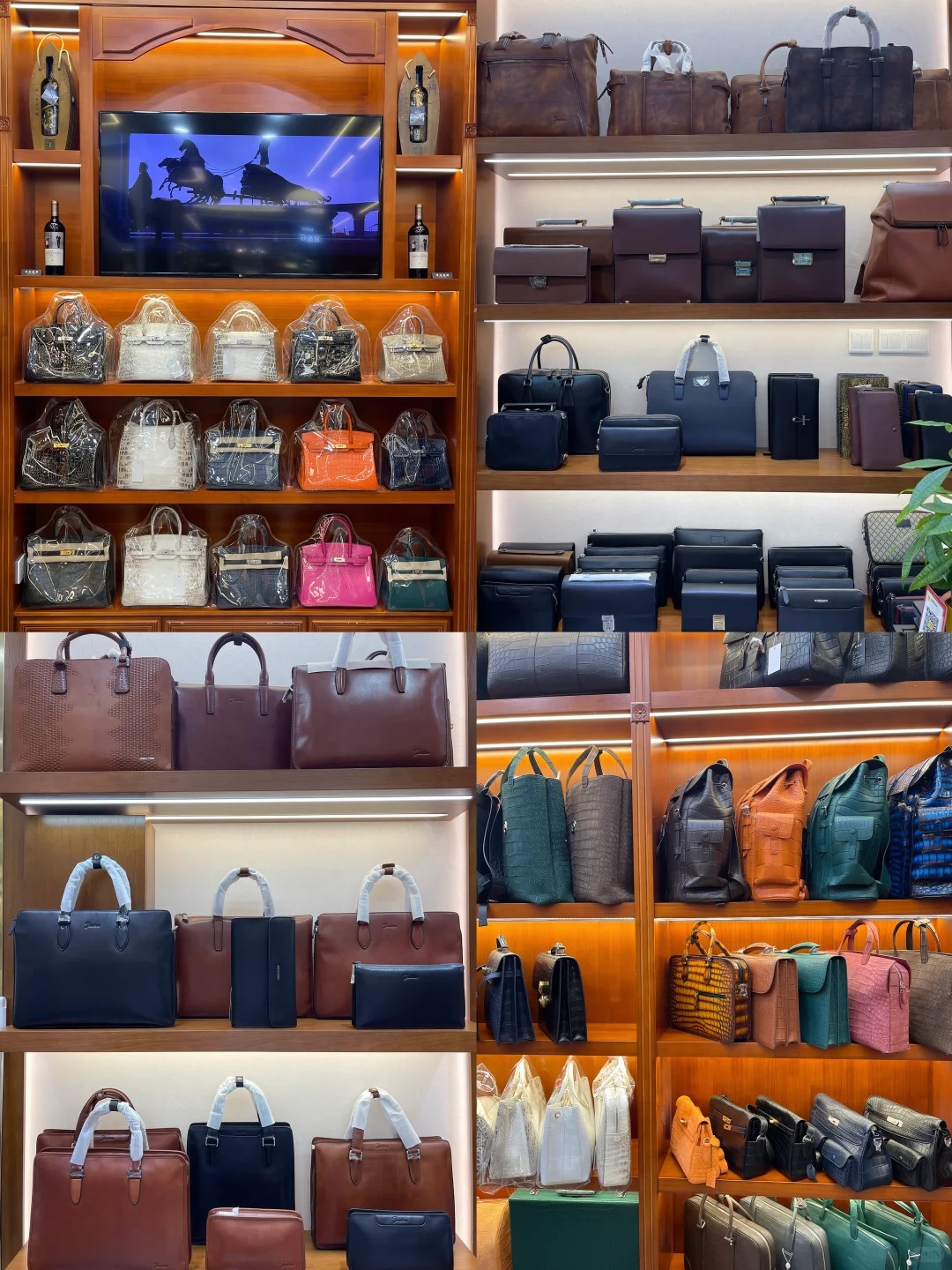
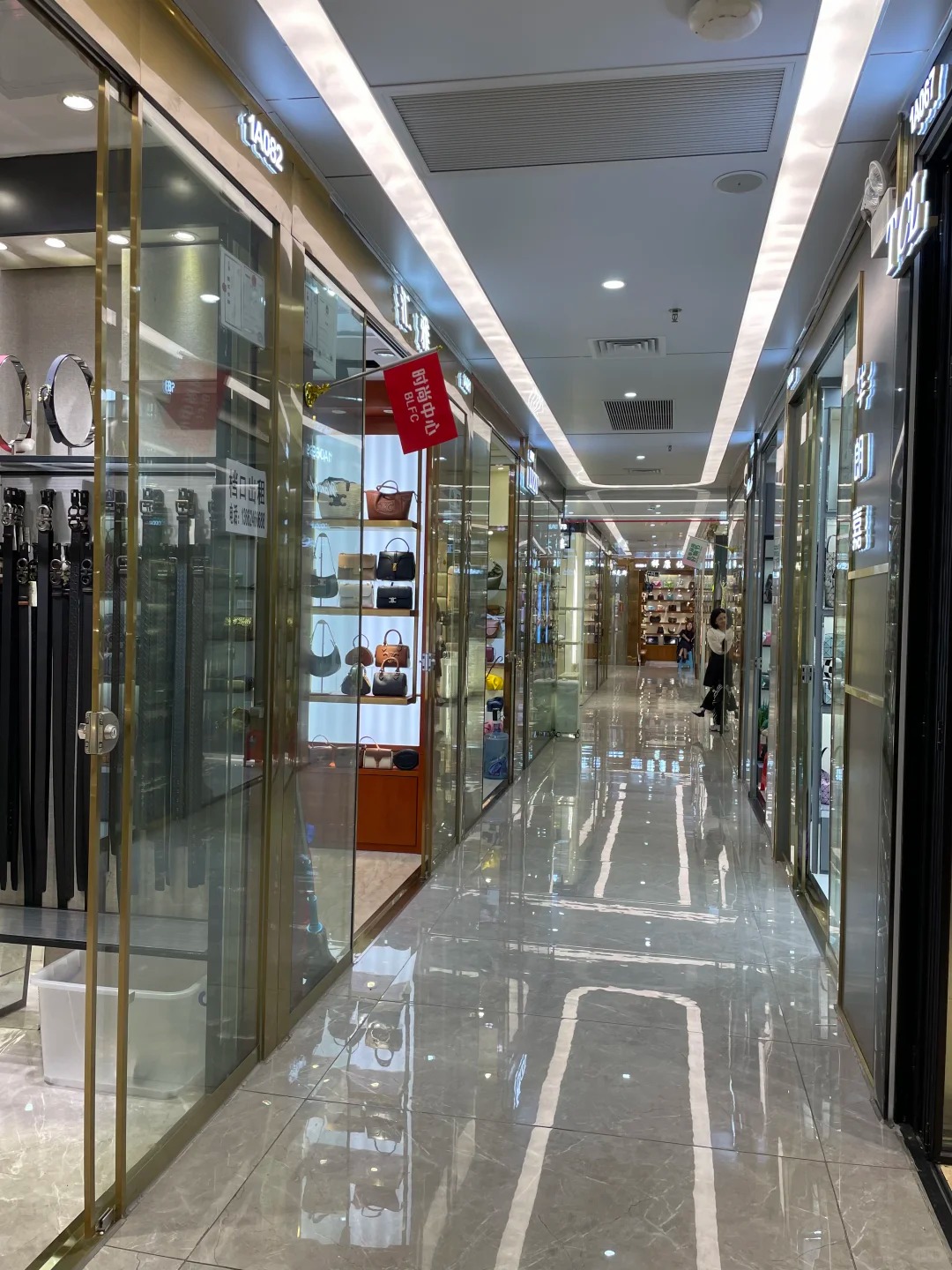
Wholesale markets in Guangzhou, Yiwu, and Wenzhou are packed with stalls that carry finished goods. Unlike factories that demand large MOQs, stalls let you pick 1–10 pieces per style. You can touch the fabric, try on shoes, and see the actual stitch work. This is critical for avoiding online scams where photos hide low-quality materials. Plus, you get ready stock—no waiting weeks for production. For first-time buyers, this reduces risk and gives instant feedback on what sells.
Step-by-Step: How to Buy Clothes and Shoes from China
1. Research Market Locations
Start with Guangzhou’s Shahe Clothes Wholesale Market for apparel and Wanjia Shoes City for footwear. Yiwu’s International Trade City has shoes and accessories. Study maps online, but expect chaos—stalls are packed. I suggest arriving early (8am) to avoid crowds and see fresh stock.
2. Inspect Fabric and Workmanship
For clothes: Rub fabric between fingers to check softness and pilling. Pull seams gently—if threads pop, it’s weak. Look at stitching: straight, even, no loose ends. For knits, check stretch recovery (fabric should snap back). For shoes: Bend the sole. Good rubber bends smoothly; cheap plastic cracks. Check insole glue—exposed excess means poor assembly. Run hand inside for rough seams that would hurt feet. Ask for a sample to test at home.
3. Negotiate Like a Pro
Stall owners quote high. Counter with 30–50% off. Show you’re serious by asking about stock quantity and repeating orders—they’ll drop price for bulk. Always bargain in cash; it gets better deals. If they refuse, walk. Many stalls carry identical stock; find a flexible seller.
4. Verify Ready Stock
Ask: “Do you have 50 pieces ready now?” They’ll point to boxes. Check random units from those boxes—not just display items. Ensure sizes match standard charts; Chinese sizes run small. We can help source from verified stalls, but most buyers self-educate first. Platforms like Soudangkou aggregate stall inventory online, saving you the trip, but direct visits build relationships.
FAQs: Buying Clothes and Shoes from China
| Question | Answer |
|---|---|
| How do I find reliable stalls? | Visit markets in person or use B2B platforms with verified lists. Avoid online-only sellers without physical stalls. |
| What’s the minimum order quantity? | Most stalls accept 1–10 pieces per style. Bulk discounts start at 50+ pieces. |
| How to check fabric quality? | Rub, stretch, and burn a thread? No—just compare pilling after 10 rubs. Good fabric stays smooth. |
| Should I buy shoes online first? | No. Shoe fit varies wildly. Always try them in person or order a single sample. |
| What payment methods are safe? | Cash for small orders; T/T or Alibaba Trade Assurance for large. Never Paypal for undisputed transactions. |
Common Mistakes & How to Avoid Them
Newbies often buy based on photos alone. That’s a fast track to disappointment. Another error: assuming all Chinese goods are cheap. Good cotton costs more; pay for quality or you’ll get disposable junk. Finally, don’t skip inspection. Even from reputable stalls, mixed stock happens. Check every piece before paying.
Conclusion
Buying clothes and shoes from China wholesale markets is all about hands-on evaluation. Touch, bend, stretch, and negotiate. Once you master stall sourcing, you can scale to factory direct. For a digital shortcut while maintaining stall quality, consider a platform like Soudangkou that vets suppliers. But nothing replaces a market walk—you learn more in one day than a month online.
广州服装档口相关入口
继续查看相关市场和品类入口,方便对比档口微信、货源范围、拿货方向和试单前需要核实的信息。