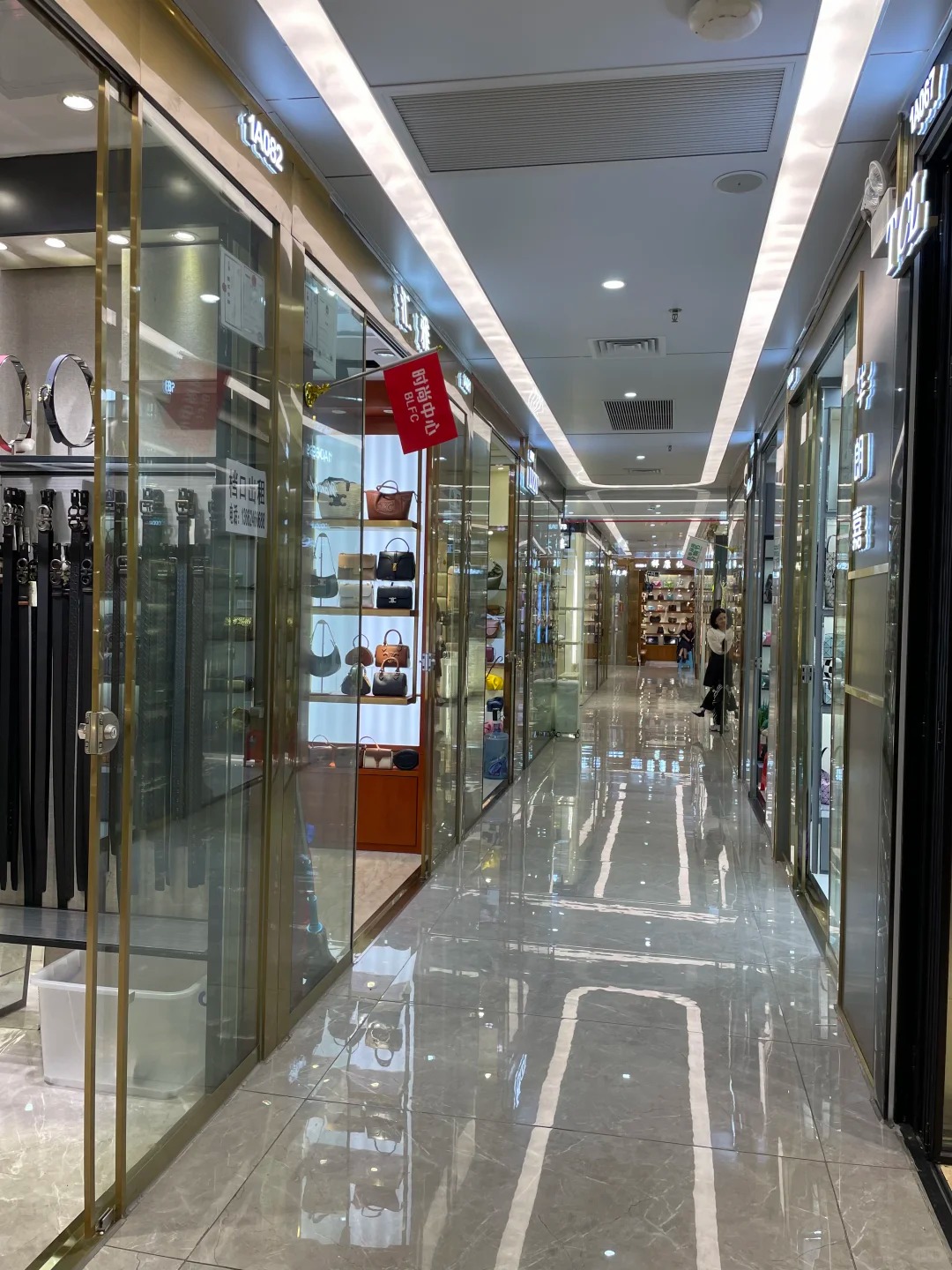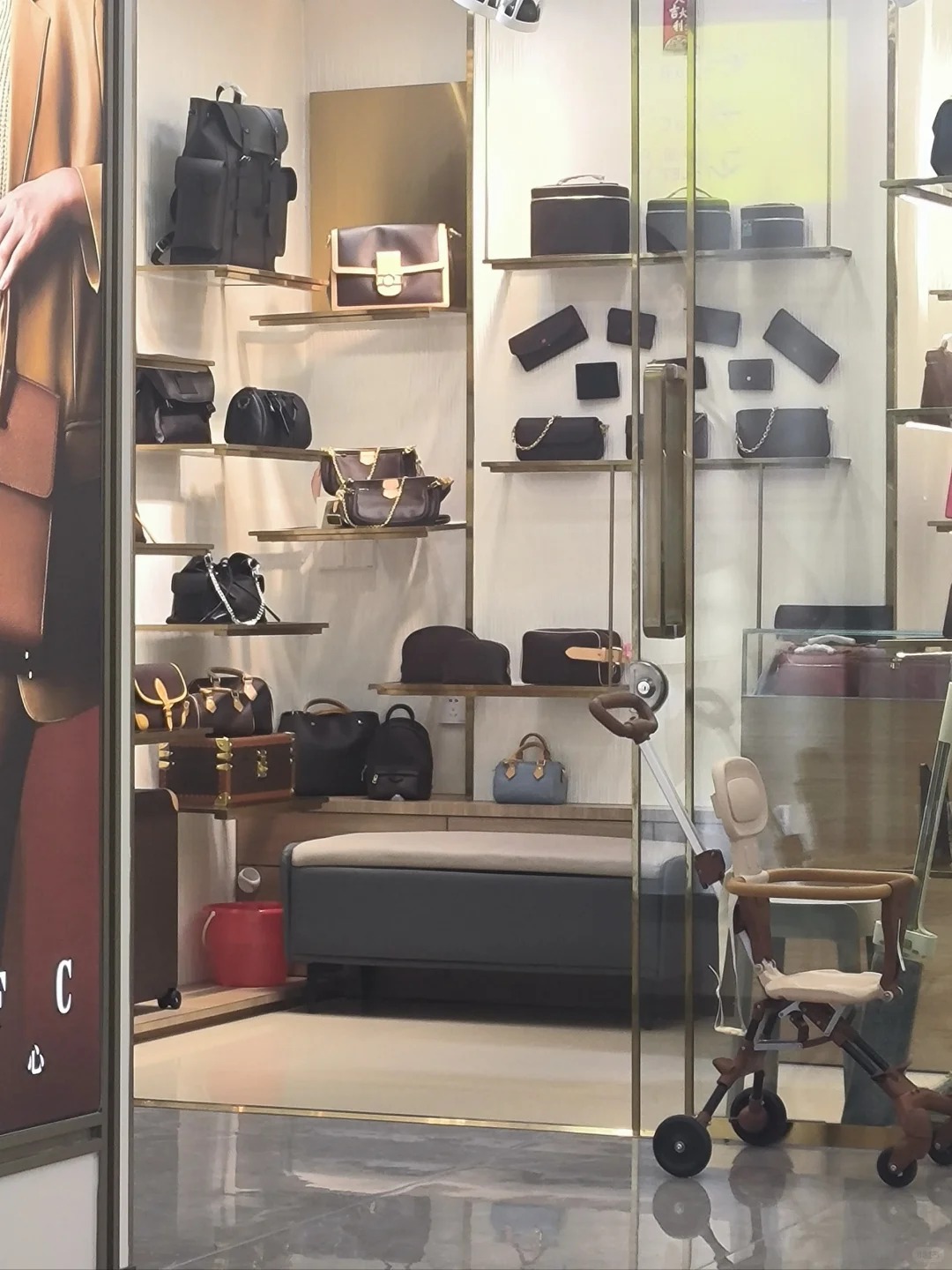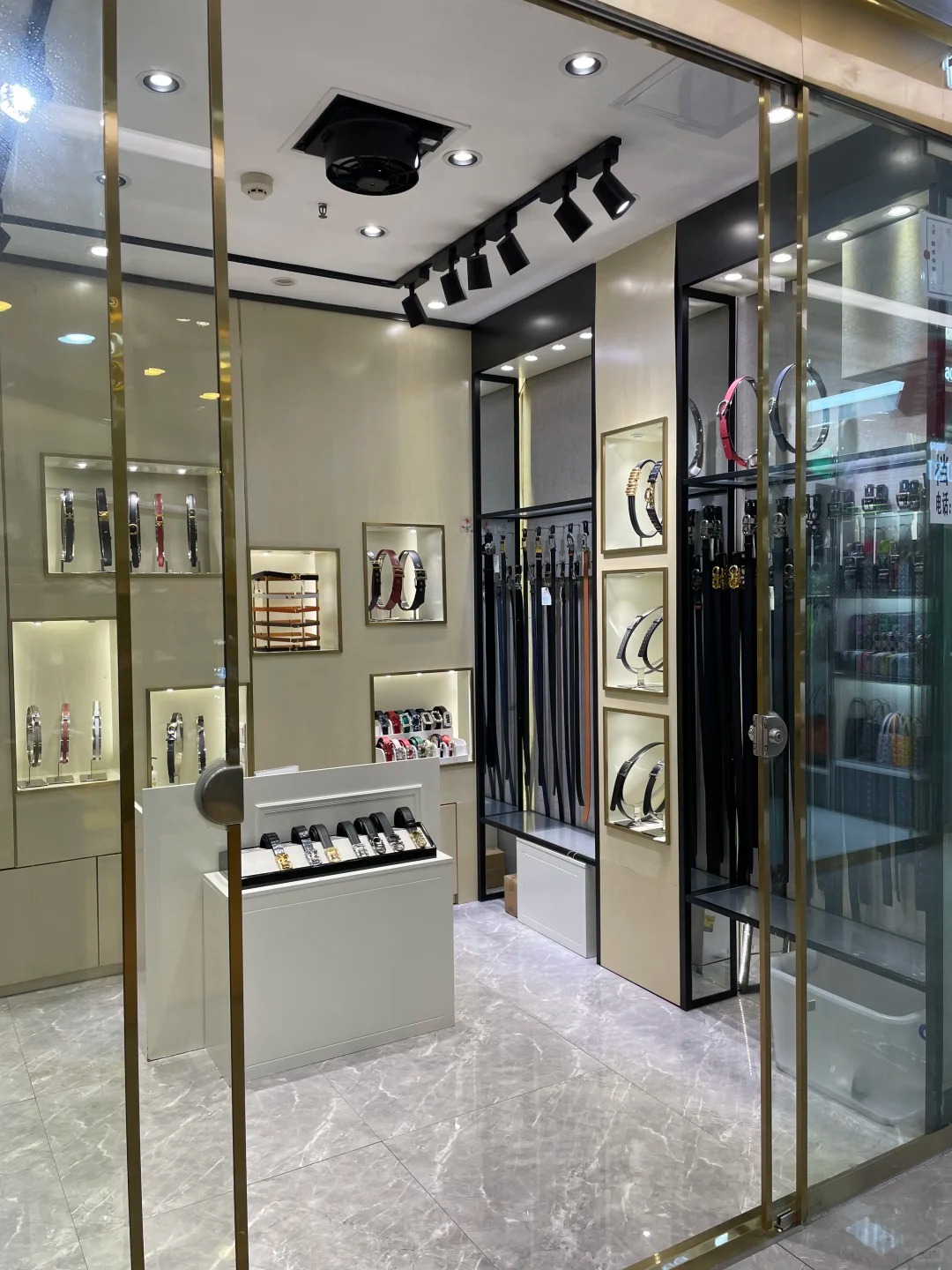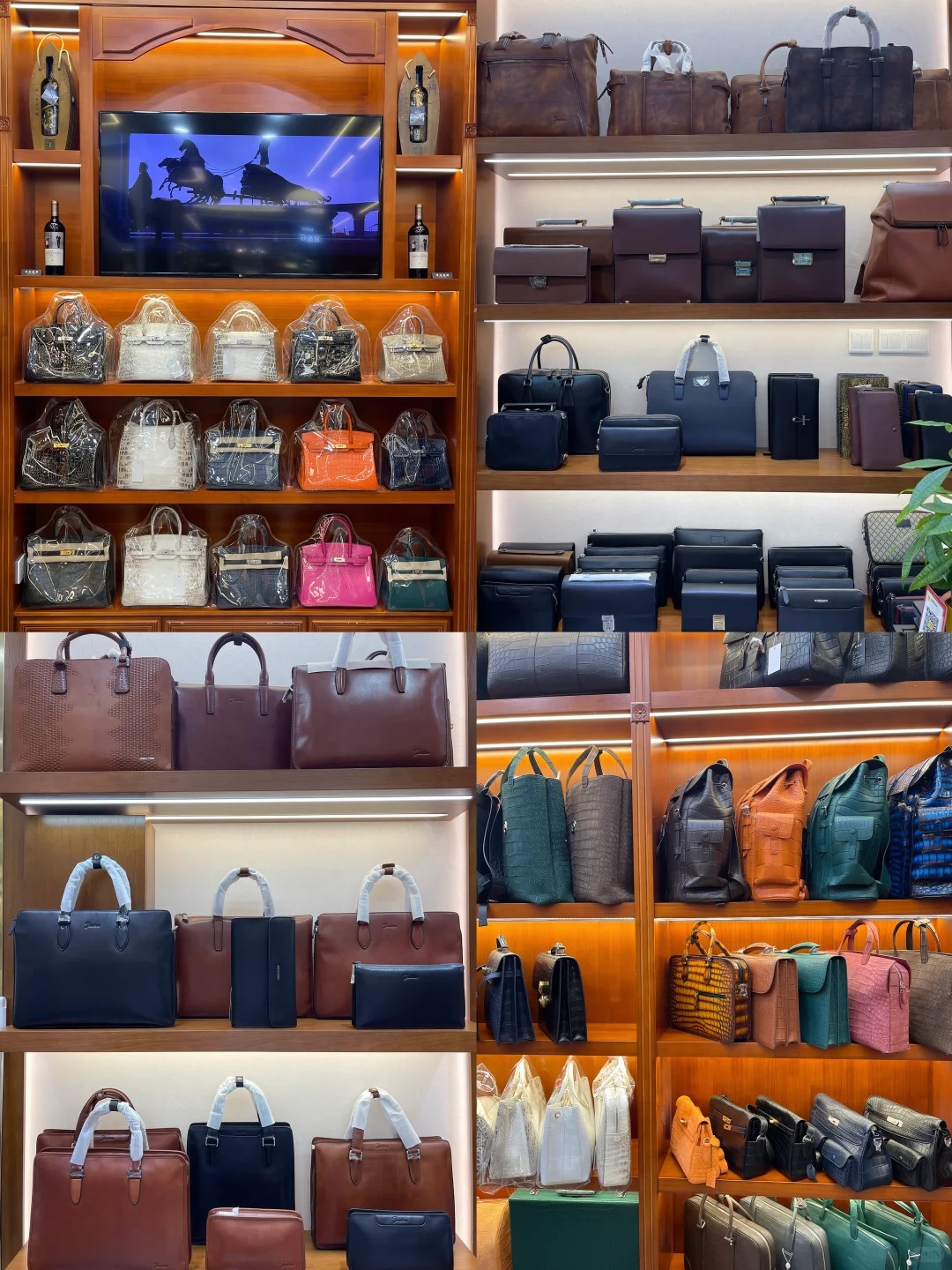
Buying shoes directly from China is simpler than you think. You skip middlemen and source from thousands of wholesale market stalls in cities like Guangzhou, Wenzhou, and Chengdu. The key is to find reliable suppliers with ready stock, inspect materials and stitching, and negotiate like a local. This guide gives you insider knowledge to master the process and avoid scams.
Why Buy Direct from China?
Chinese footwear factories produce millions of pairs annually, from budget flip-flops to premium leather sneakers. By buying direct, you get factory-level prices and the ability to customize styles, colors, and branding. The real secret is visiting wholesale markets where stalls compete for your business and you can physically examine the goods.
How to Find Reliable Wholesale Stalls
Research Online First
Use platforms like Soudangkou to discover verified stalls and compare prices. Search for product names like “men’s running shoes” or “women’s flats” and look for stalls with high ratings and recent activity. Note which markets they are in, such as Guangzhou’s Zhanxi Footwear Market or Taiping Street.
Visit Key Markets
Once you have a list, plan a trip. The best known are:
- Guangzhou Zhanxi Footwear Market – Huge selection, from cheap to high-end.
- Wenzhou Ouhai Footwear Market – Leather shoes and boots.
- Chengdu Hehuachi Market – Casual and sports shoes.
Walk the rows and observe. Busy stalls with active workers often indicate reliable turnover and good service.
Evaluating Quality: Fabric and Stitching
When you find a shoe you like, inspect it like a pro.
Fabric & Materials
Sniff the shoe – strong chemical smells mean low-quality glue. Rub the material; if it feels thin or flakes, it’s poor. For leather, pinch it – genuine leather creases naturally while synthetic does not. For textiles, check the weave density. A tight weave is more durable.
Stitching and Workmanship
Turn the shoe upside down and examine the sole attachment. Even, tight stitching without loose threads is a sign of good construction. Pull on the toe cap – if it separates easily, the glue is weak. Open the shoe and feel the inside lining; it should be smooth and without lumps.
Negotiating Like a Local
Prices on the first quote are always inflated. Use “diao” (order) as a base: ask for the wholesale price for 24 pairs or more. Compare with other stalls. Be polite but firm. A typical discount can be 10-20% if you buy multiple styles. Don’t be shy to walk away – often the seller will call you back with a better offer.
Shipping and Payment
Most stalls accept T/T or Alibaba Trade Assurance. For physical markets, cash is still king. Agree on shipping terms: FOB (Free On Board) means the seller handles domestic shipping to the port. Use a freight forwarder for consolidation. Always test a small sample before placing a large order.
FAQs
| Question | Answer |
|---|---|
| Do I need to visit China in person? | Not necessarily, but visiting helps you inspect quality and build relationships. Many stalls now offer video calls and sampling. |
| What is the minimum order quantity (MOQ)? | MOQ varies by stall, often 12-24 pairs per style. Some stalls accept lower if you pay a bit more per pair. |
| How do I avoid scams? | Use platforms like Soudangkou to connect with verified suppliers. Never wire full payment before seeing samples, and use secure payment methods. |
| What are the best cities for shoe wholesale? | Guangzhou, Wenzhou, Chengdu, and Jinjiang are top hubs. Each specializes – Wenzhou for leather, Guangzhou for all styles. |
| How long does shipping take? | Domestic to port: 1-3 days. Sea freight to North America/Europe: 2-4 weeks. Air freight: 5-10 days. |
| Can I customize shoes? | Yes, most stalls can customize colors, materials, and branding for regular customers. MOQ for custom is higher, often 200+ pairs. |
广州服装档口相关入口
继续查看相关市场和品类入口,方便对比档口微信、货源范围、拿货方向和试单前需要核实的信息。