
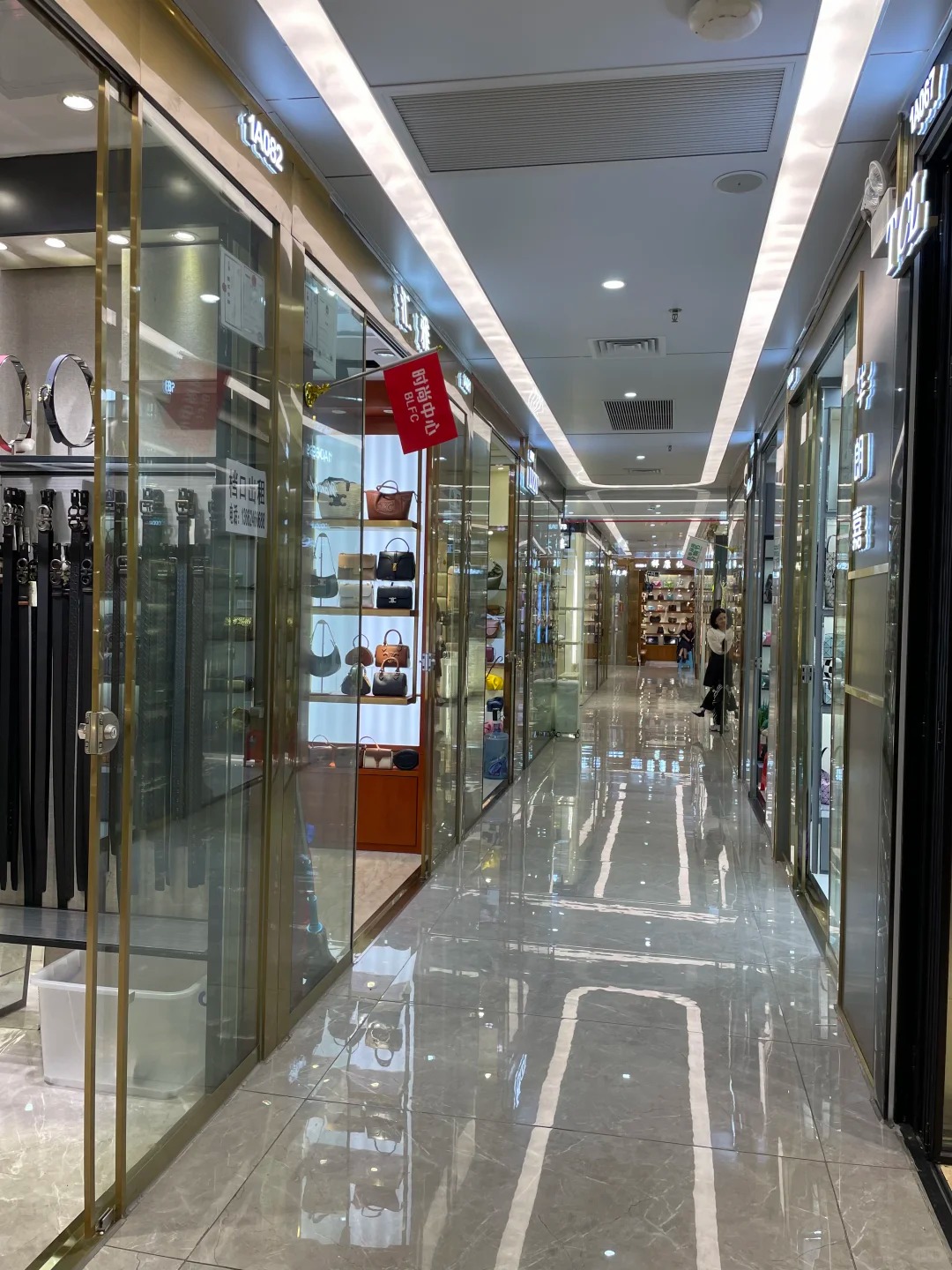
To buy contact lenses in China safely and cost-effectively, focus on licensed wholesale markets where you can inspect genuine products, verify certifications, and negotiate directly with stall owners. Avoid generic online listings; instead, visit physical markets like Beijing’s Yiwu Market, Guangzhou’s Yide Road, or Shanghai’s Henan Road. These markets offer a wide range of brands and types, from daily disposables to toric lenses. Start by identifying stalls with clear shop licenses and manufacturer authorizations. Ask to see physical samples: check the packaging for the China NMPA registration number, expiration date, and proper labeling. Request to open one lens under a demo lens case to examine clarity and edges. Reputable stalls will allow this. For large wholesale orders, negotiate per-piece pricing and payment terms (typically 30% deposit, 70% upon shipment). Always use a secure payment method like Alipay or bank transfer, and arrange for third-party inspection if order volume exceeds $5000.
Understanding China’s Contact Lens Market
China is the world’s largest manufacturer of contact lenses, supplying over 60% of global demand. Major production hubs are in Shanghai, Jiangsu, and Guangdong provinces. Wholesale markets aggregate products from small and medium factories, offering prices 30-70% lower than international brands. However, counterfeit risks exist. Always verify NMPA registration via the China Food and Drug Administration database. Focus on stalls that represent known factory brands like Weicon, Bausch+Lomb (licensed), or private labels with clear origin. Avoid stalls that cannot produce a business license or product registration certificate.
Step-by-Step Guide to Buying from Market Stalls
Step 1: Pre-Visit Preparation
Research market locations and opening hours. Print a checklist: types needed (sphere, toric, multifocal), desired BC (base curve), diameter, water content, and frequency of replacement. Have a translation app ready for technical terms.
Step 3: Visiting the Stall
Arrive early morning (8-9 AM) for best selection. Introduce yourself as an international buyer. Look for stalls with a physical sample display and a clean workspace. Ask for product catalogs and certifications. Inspect the packaging: legitimate lenses have clear labeling in Chinese and English, with a batch number and sterilization method (e.g., autoclave). Remove one sample from its blister pack (with stall owner’s permission) and examine the lens under light. High-quality lenses have uniform thickness and smooth edges, no debris or bubbles. Water content should match the labeled specification (e.g., 38-58%). Perform a visual check: the lens should maintain its shape; a floppy lens indicates poor production.
Step 4: Authenticity Checks
Scan the QR code on the packaging (if available) to redirect to the manufacturer’s verification page. Alternatively, ask the stall owner to provide NMPA registration number and verify online. For international brand labeling (e.g., B&L, Johnson & Johnson), confirm via official distributor list. In case of doubt, immediately leave the stall. Reputable stalls welcome verification.
Step 5: Bulk Purchase and Negotiation
Request pricing for quantities: 100, 500, 1000 boxes. Note minimum order quantities (MOQ) for each type. Negotiate per-piece price; typically there is 15-30% margin for negotiation. Payment terms: common is 50% deposit, balance against shipping documents. Use Soudangkou’s platform for secure payment processing and logistics coordination. They vetted market stalls for reliability. Always get a signed contract specifying product specs, quantity, unit price, delivery timeline, and inspection rights.
Understanding Lens Quality: What Market Insiders Look For
Wholesale buyers focus on three things: material, water content, and edge design. Silicone hydrogel lenses are premium (higher oxygen permeability). Look for water content between 38-58% (balance of comfort and durability). Edge design should be smooth and non-irritating. Use a microfiber cloth to wipe the lens and check for surface smoothness under magnification (10x – 20x). For colored lenses, ensure the pigment is embedded in the lens matrix, not coated on the surface (to avoid fading or irritation). Also, check that the radius is consistent with patient needs. Soudangkou’s team can provide sampling services for bulk orders to validate quality before mass production.
Legal Compliance and Customs Clearance
Contact lenses are medical devices in China. Exports require a Certificate of Origin, Inspection Certificate, and sometimes a Free Sale Certificate. Ensure the seller provides these. For export to the US, EU, or other regions, also ensure lenses meet local standards (e.g., FDA registration). Customs may request original samples to test oxygen permeability and biocompatibility. Factor in 2-4 weeks for clearance. Use a freight forwarder familiar with medical device shipments.
FAQ: Buying Contact Lenses in Wholesale Markets
| Question | Answer |
|---|---|
| Are Chinese contact lenses safe? | Yes, if you buy from licensed stalls with NMPA registration. Avoid unnamed brands. |
| What to check in the package? | Sterilization expiry, batch number, manufacturer address, and product registration number. |
| Can I get a sample before bulk order? | Most stalls allow 1-2 samples free or at low cost. |
| What is the typical MOQ? | 100-500 boxes per style. |
| How to avoid counterfeit products? | Verify QR codes, request distributor authorization, and use a third-party inspection service. |
| Payment protection? | Use Alipay, bank transfer with confirmed beneficiary, or Soudangkou’s escrow. |
Final tip: Always request a proforma invoice before payment, inspect goods at the market before shipping, and keep copies of all certifications. With careful due diligence, buying from Chinese wholesale markets can be highly profitable.
广州服装档口相关入口
继续查看相关市场和品类入口,方便对比档口微信、货源范围、拿货方向和试单前需要核实的信息。