

Introduction
The short answer: Buy from China’s wholesale markets (like Yiwu, Guangzhou) focusing on high-demand categories such as electronics, apparel, or home goods. Sell via India’s e-commerce giants (Amazon, Flipkart) or local retail. Profit margins average 30–50% if you source smartly. This guide breaks down the exact steps, from finding reliable suppliers to navigating import duties.
Step 1: Identify High-Demand Products in India
Use tools like Google Trends, Amazon India Best Sellers, and local market surveys. Top categories: smartphones accessories, fashion apparel, toys, kitchen gadgets, and beauty products. Avoid oversized or heavy items due to high shipping costs.
Step 2: Find Reliable Suppliers in China
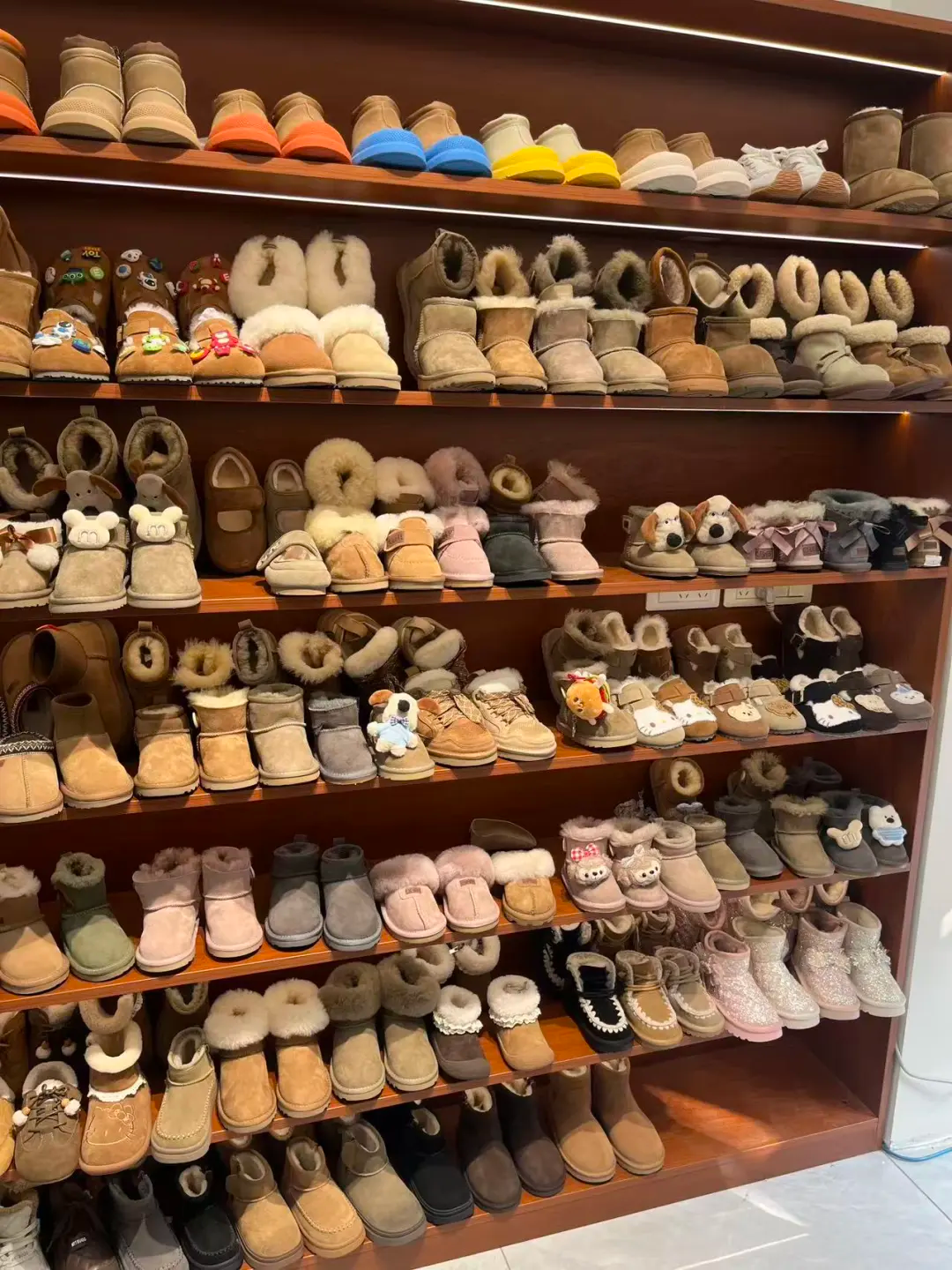
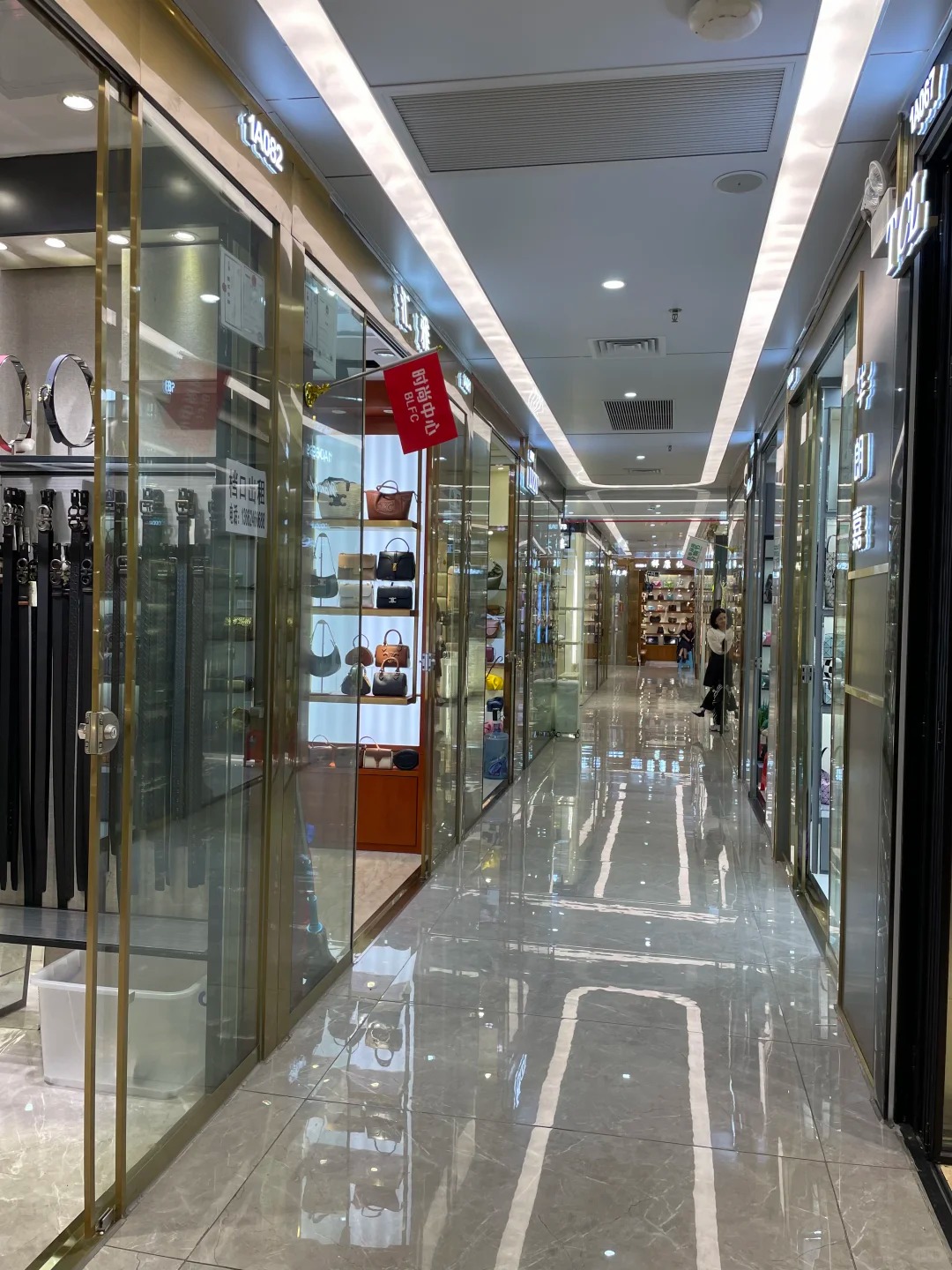
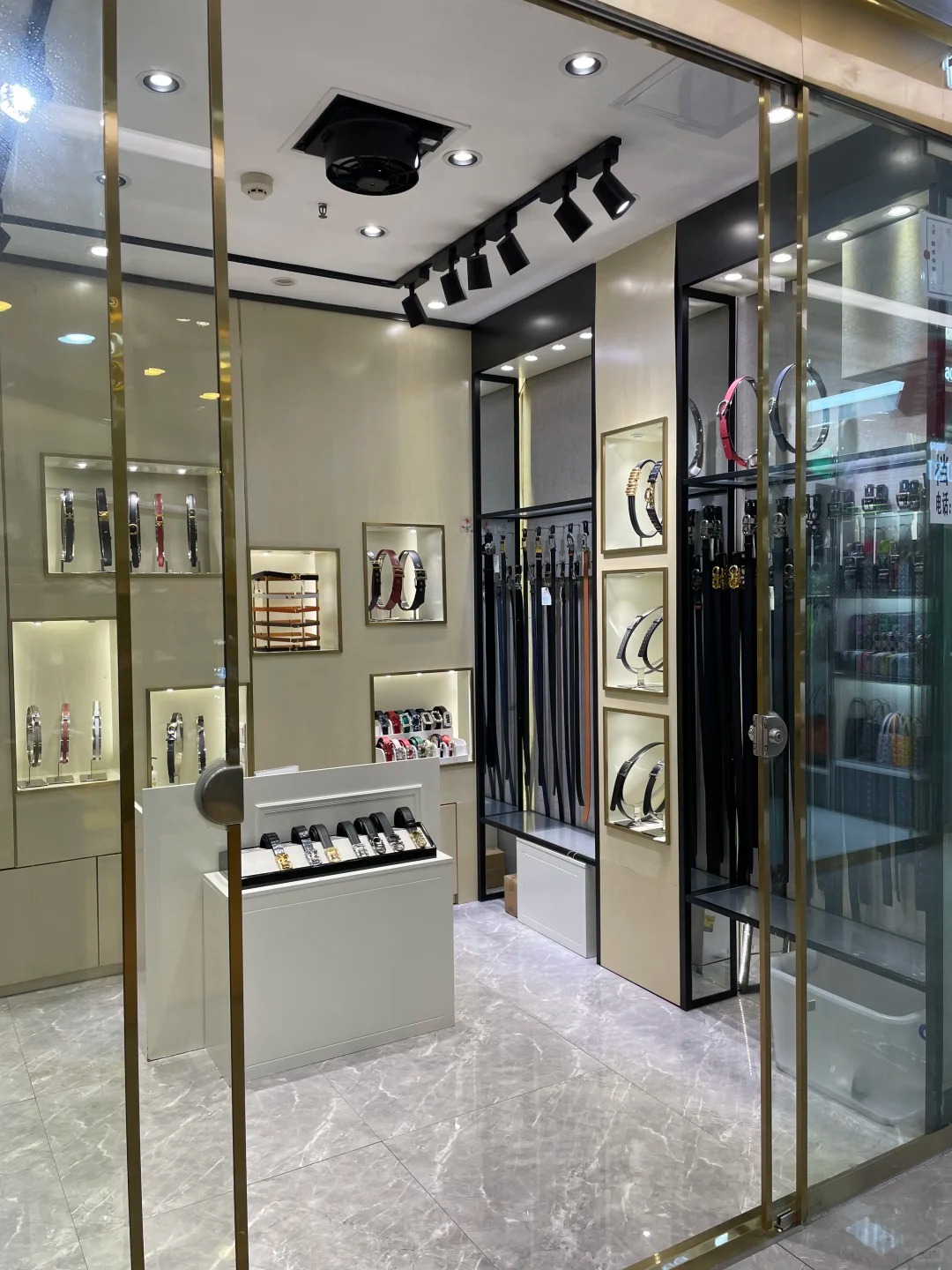
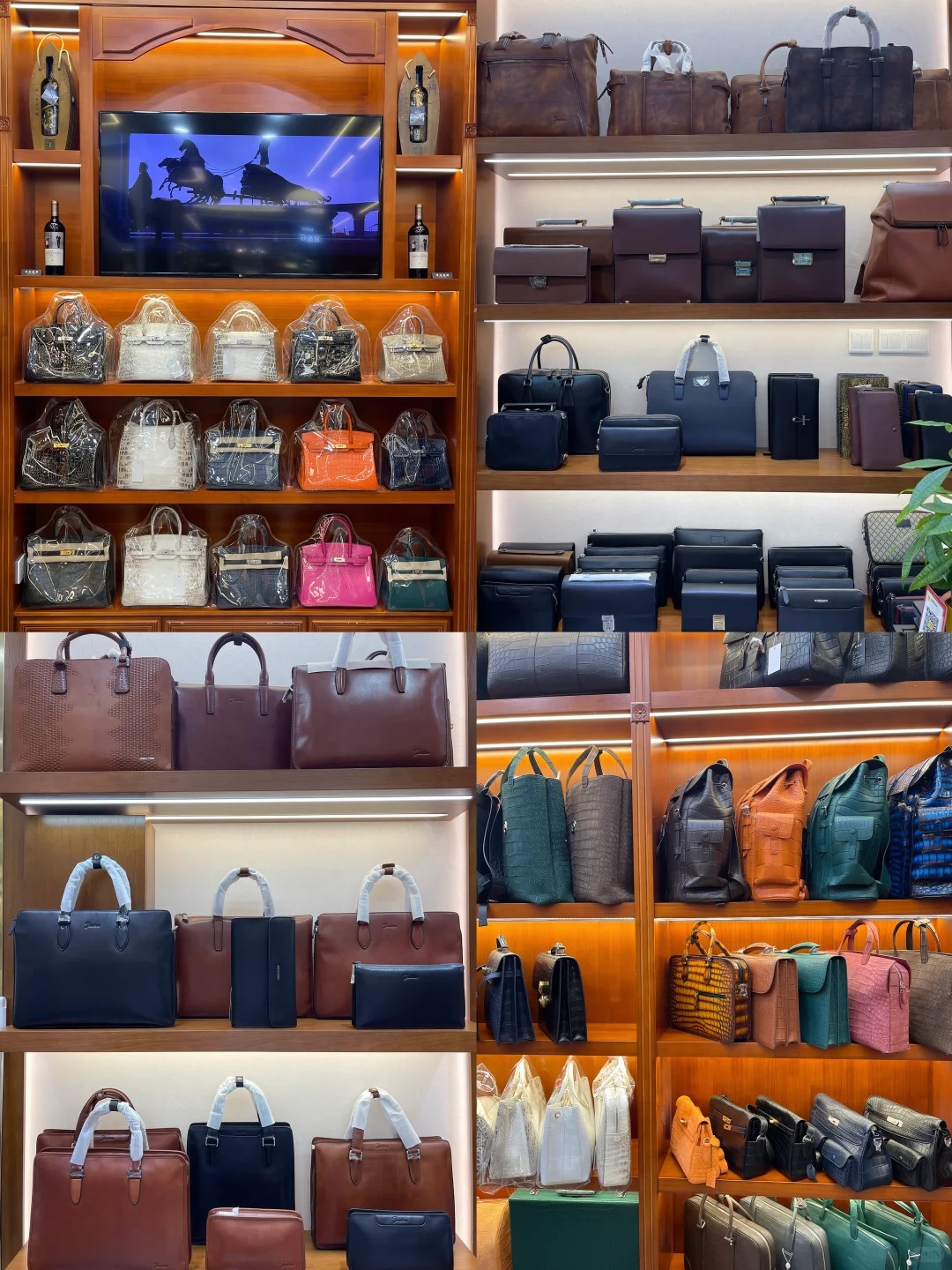
Visit physical wholesale markets for firsthand quality checks. For example, Yiwu International Trade Market for small commodities, Guangzhou’s Shahe for clothing, or Shenzhen’s Huaqiangbei for electronics. Online platforms like Alibaba or Made-in-China are alternatives but require stringent vetting. Always ask for product samples and test for quality (stitching, fabric feel) before bulk orders.
Key Tips for Wholesale Market Sourcing:
- Bring a local translator or use translation apps to negotiate prices.
- Request factory audits or certifications (ISO, BSCI) to ensure compliance.
- Inspect fabric texture and stitching details for garments; check battery safety for electronics.
- Build relationships with stall owners—repeat buyers get better prices and priority on hot-selling items.
Step 3: Understand India’s Import Regulations
India imposes high import duties on some goods (e.g., electronics up to 20%). Use correct HS codes to calculate landed cost. Required documents: Bill of Lading, Commercial Invoice, Packing List, and BIS certification for certain products. Consider using a customs broker.
Step 4: Manage Shipping and Logistics
Sea freight is cheapest (30-45 days) for bulk orders; air freight faster (5-10 days) but costly. Use freight forwarders like DHL or local agents for door-to-door service. For small shipments, ePacket or China Post are economical but slower.
Step 5: Pricing and Selling in India
Calculate final cost: product price + shipping + customs duty + GST (5-28%) + platform fees + marketing. For example, a ₹100 product sourced at $0.50 in China sells at ₹150-200. List on multiple channels: Amazon, Flipkart, WhatsApp groups, or local retail stalls.
FAQ
| Question | Answer |
|---|---|
| What are the best products to import from China to India? | Smartphone accessories, clothing, toys, home decor, kitchen tools, beauty products. |
| How much capital do I need to start? | Minimum $500–$1000 for samples and small inventory. Scale up gradually. |
| Is it legal to buy from China and sell in India? | Yes, if you pay duties and follow regulations. Avoid restricted items like electronics without BIS. |
| How do I avoid scams? | Use verified suppliers with Trade Assurance; pay via PayPal or credit card for buyer protection. |
| What is the profit margin? | Typically 30–50%, depending on product category and scale. |
Conclusion
Sourcing from China and selling in India can be lucrative if you focus on quality and reliability. For a seamless start, consider platforms like Soudangkou that connect you with verified wholesale suppliers for instant stock checking.
广州服装档口相关入口
继续查看相关市场和品类入口,方便对比档口微信、货源范围、拿货方向和试单前需要核实的信息。