
How to Buy Products Made in China: Your Step-by-Step Guide
The key to buying from China is not just finding a supplier—it’s finding one that offers spot goods (现货) with quality you can verify in person. Most online platforms list factory-direct prices, but for small to mid-sized buyers, wholesale market stalls in cities like Guangzhou, Yiwu, and Shenzhen are the best bet. They hold inventory, allow hands-on inspection, and can ship mixed batches. Here’s how to navigate this efficiently.
1. Choose the Right Market
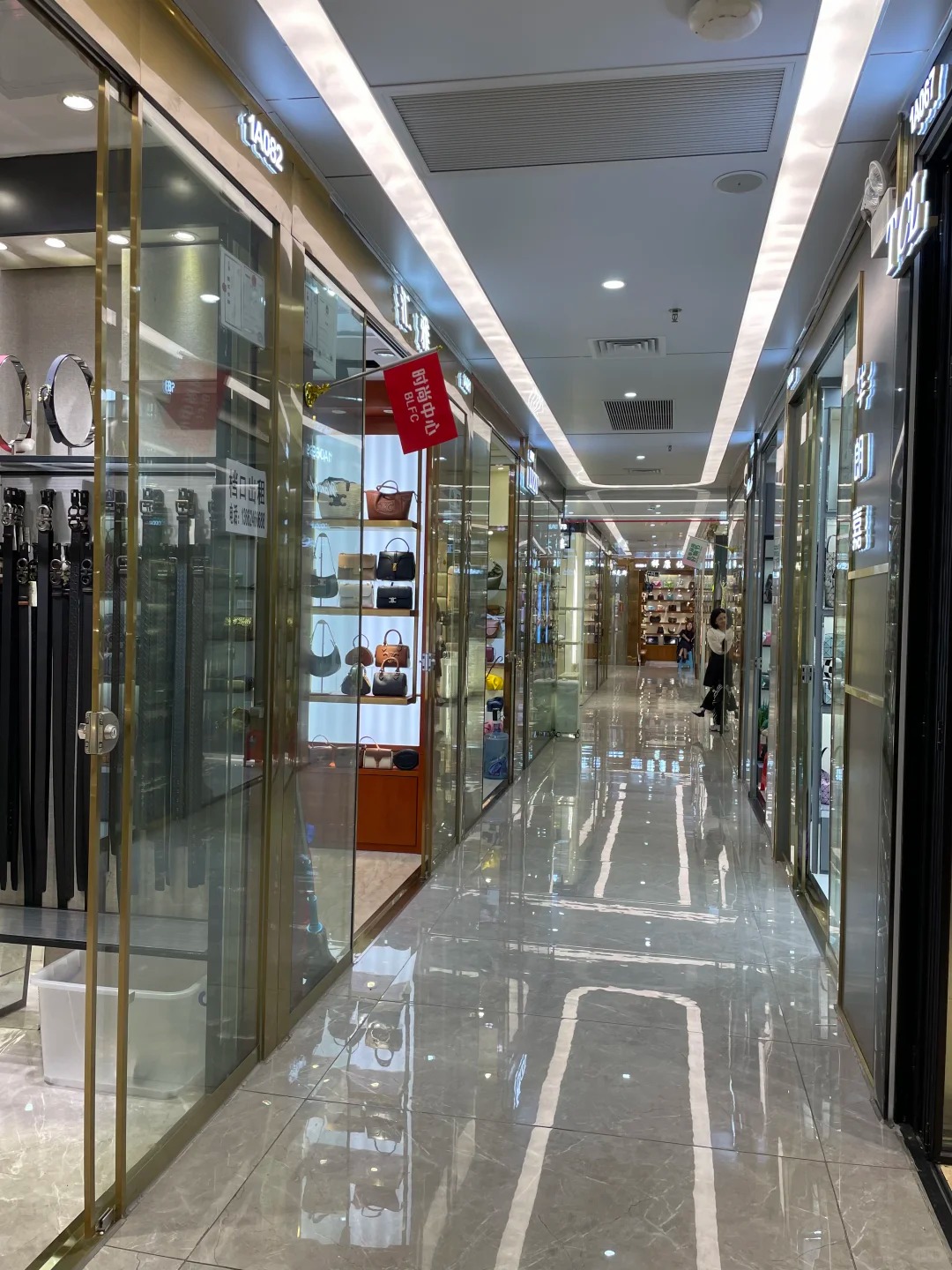
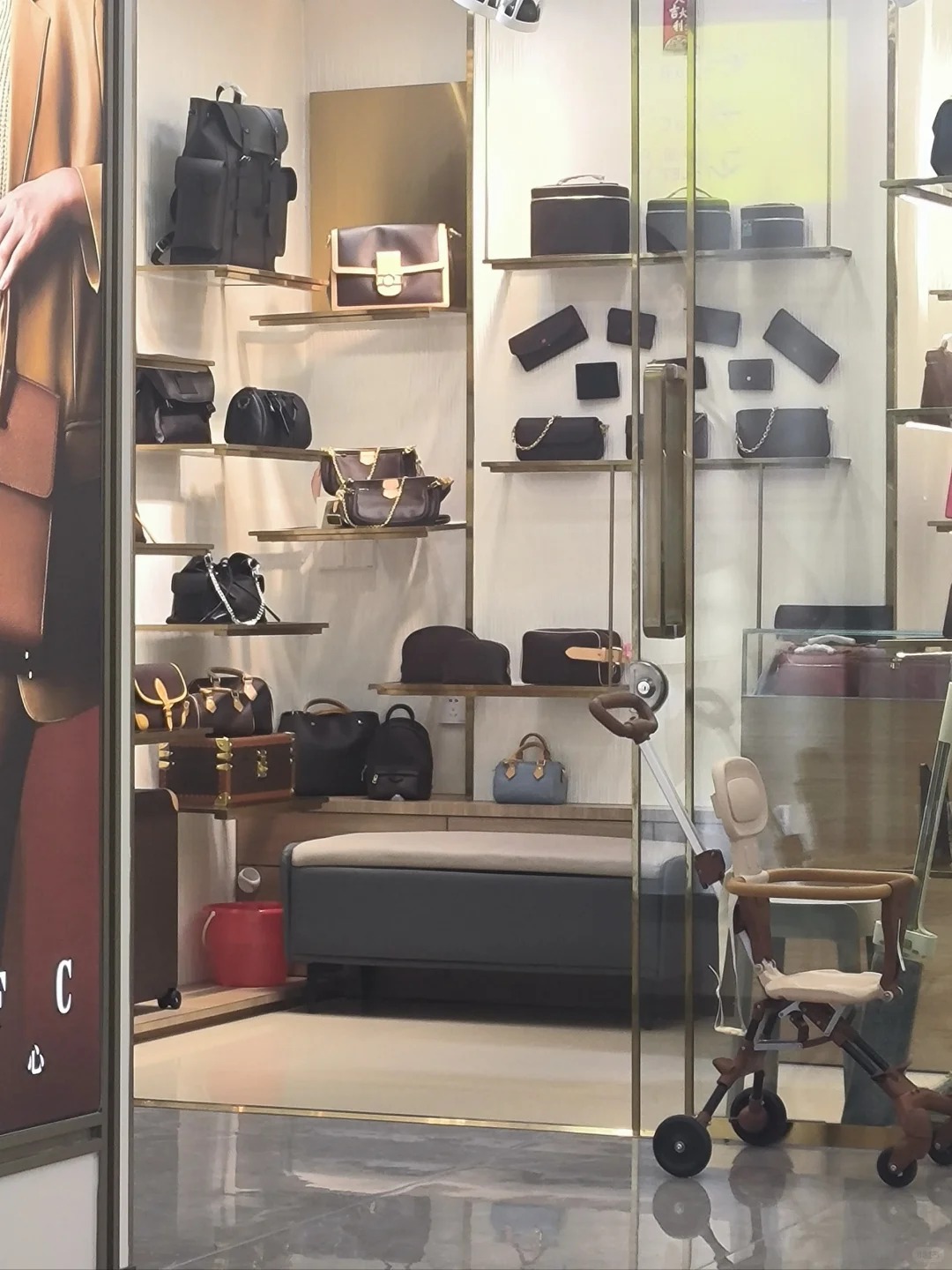
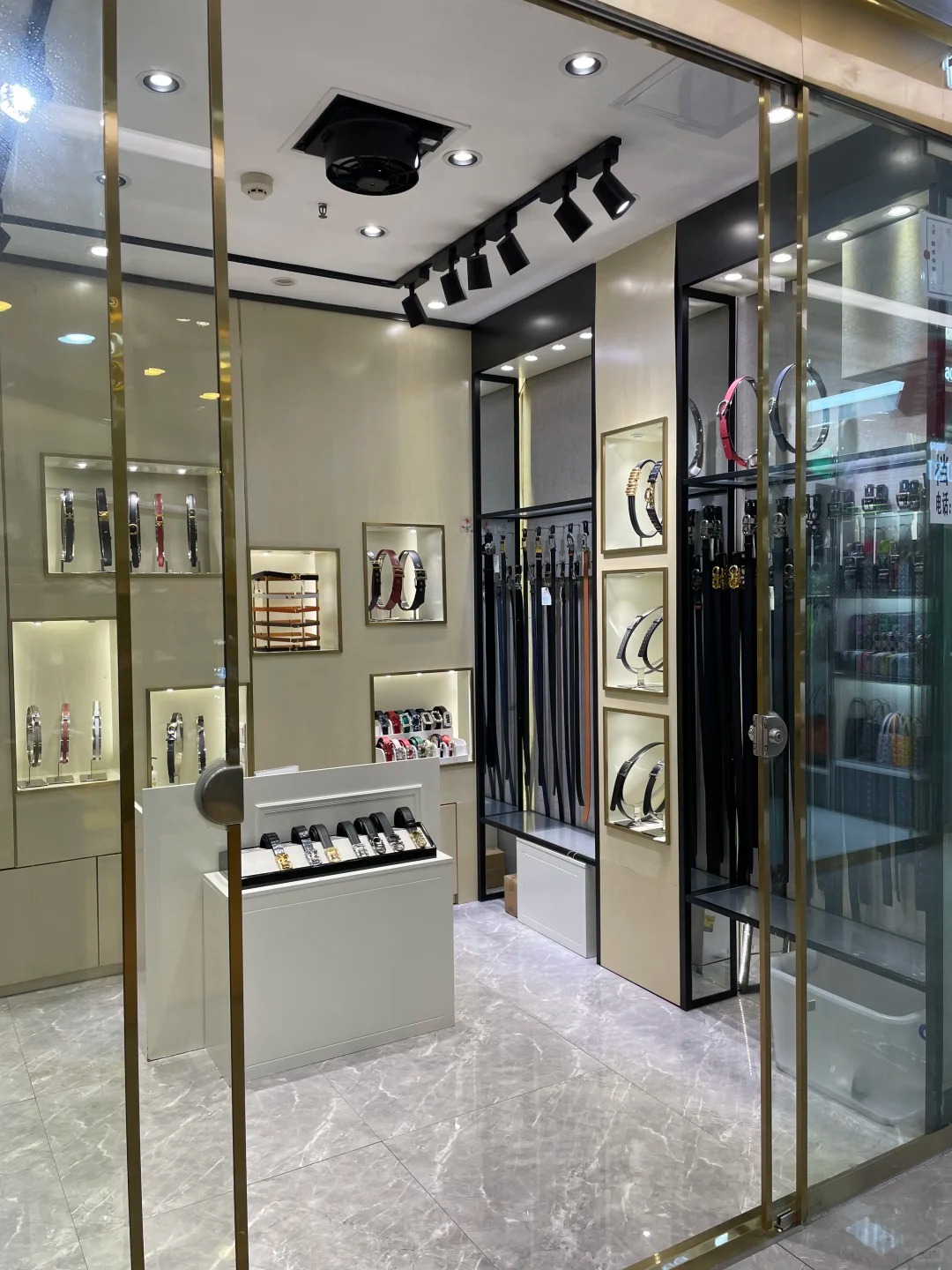
Typical wholesale markets: Guangzhou’s Zhongkai (bags), Yiwu International Trade City (small commodities), Shenzhen’s Huaqiangbei (electronics). Visit early morning (8-10 AM) when stalls are fully stocked and less crowded. Bring a local assistant if you don’t speak Mandarin.
2. Evaluate Fabric & Stitching
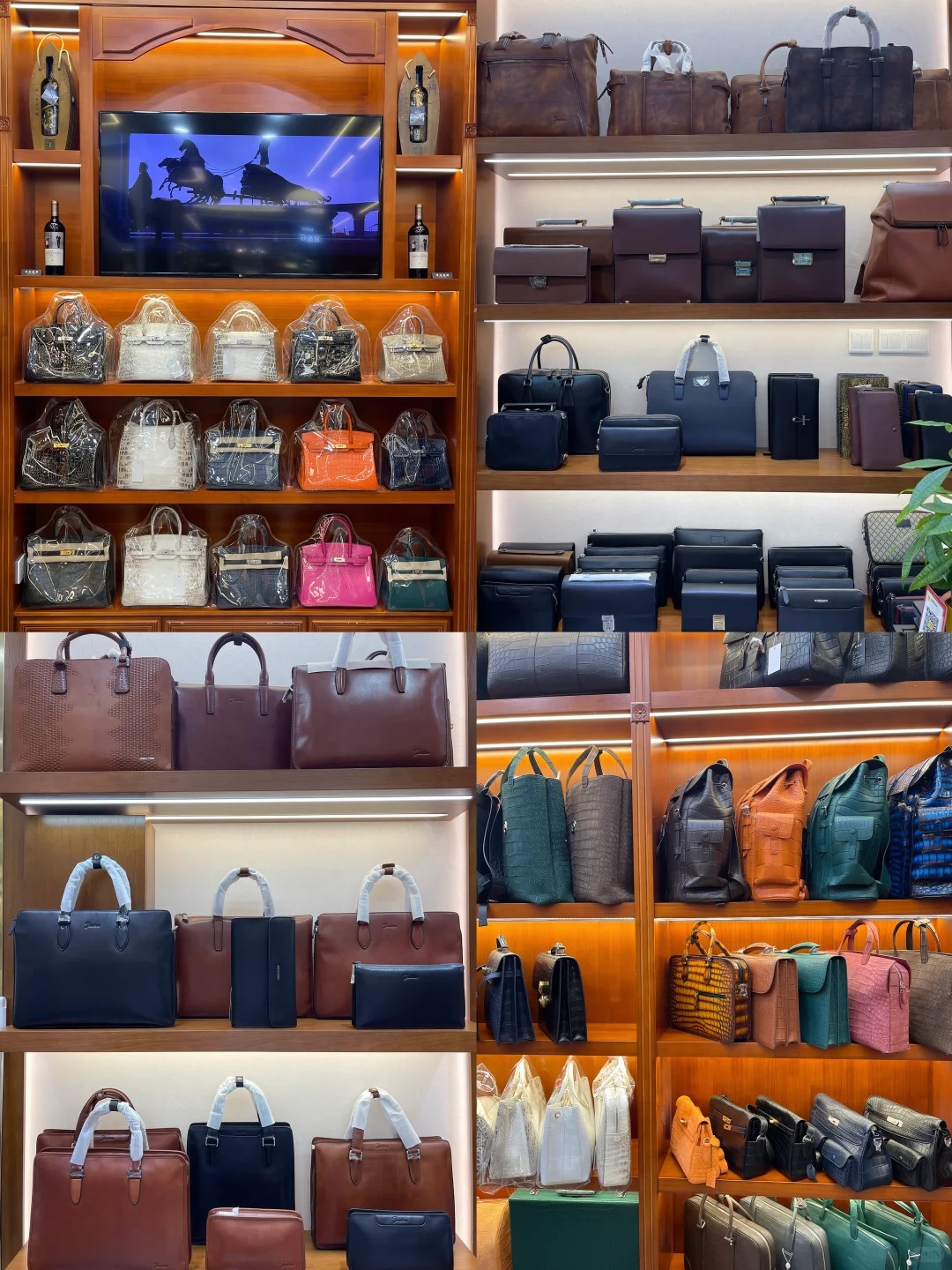
Touch the material—scrunch it, feel the weight. For clothing, check the seams: tight, even stitching with no loose threads. For hard goods, test hinges, zippers, and moving parts. Ask for a sample or a ‘piece’ (一件) to inspect before bulk ordering. Soudangkou connects you with verified stalls that prioritize quality control.
3. Negotiate for Spot Goods
Stalls often prefer cash-and-carry. Ask for 现货价格 (spot price)—this is typically lower than pre-order prices because they want to clear inventory. Negotiate per piece, not per order. Use hand gestures: a handshake or writing numbers on a calculator.
4. Verify the Supplier
Check business licenses displayed at the stall. Cross-reference with online reviews or forums like Soudangkou where buyers share experiences. Avoid stalls that refuse to show inventory or only accept full payment upfront.
5. Shipping & Logistics
Use freight forwarders near the market. Many stalls offer consolidated shipping to your country. Ask for Incoterms (FOB, CIF) and avoid courier for heavy goods. Spot goods can be shipped within 3-7 days.
FAQ: Common Questions About Buying from China
| Question | Answer |
|———-|——–|
| What is the minimum order quantity (MOQ) for spot goods? | Usually 1-10 pieces, but can be flexible. Some stalls even sell single pieces for sampling. |
| How do I avoid counterfeit products? | Inspect goods in person, ask for official certification, and buy from stalls in reputable markets. Avoid stalls that offer branded items at suspiciously low prices. |
| Can I return defective spot goods? | Most stalls accept returns only if inspected at time of purchase. Always test products before leaving the stall. |
| Do I need a business license to buy from wholesale markets? | No, but having a business card or company letterhead helps with negotiation and trust. |
| What payment methods are accepted? | Cash is king for spot goods. Some stalls accept WeChat Pay or Alipay, but international buyers should carry local currency. |
| How to handle language barriers? | Hire a translator or use a translation app. Many stall owners are used to foreign buyers and may have basic English. |
| Are there taxes or duties on spot goods? | Yes, import duties depend on your country. Check with local customs before purchasing. |
Final Tips
Start small—buy a few samples first. Build relationships with stall owners; they can offer better prices over time. Remember: quality is in the details. Spend time inspecting stitching, seams, and materials. A good product from a Chinese wholesale market can be a game-changer for your business.
广州服装档口相关入口
继续查看相关市场和品类入口,方便对比档口微信、货源范围、拿货方向和试单前需要核实的信息。