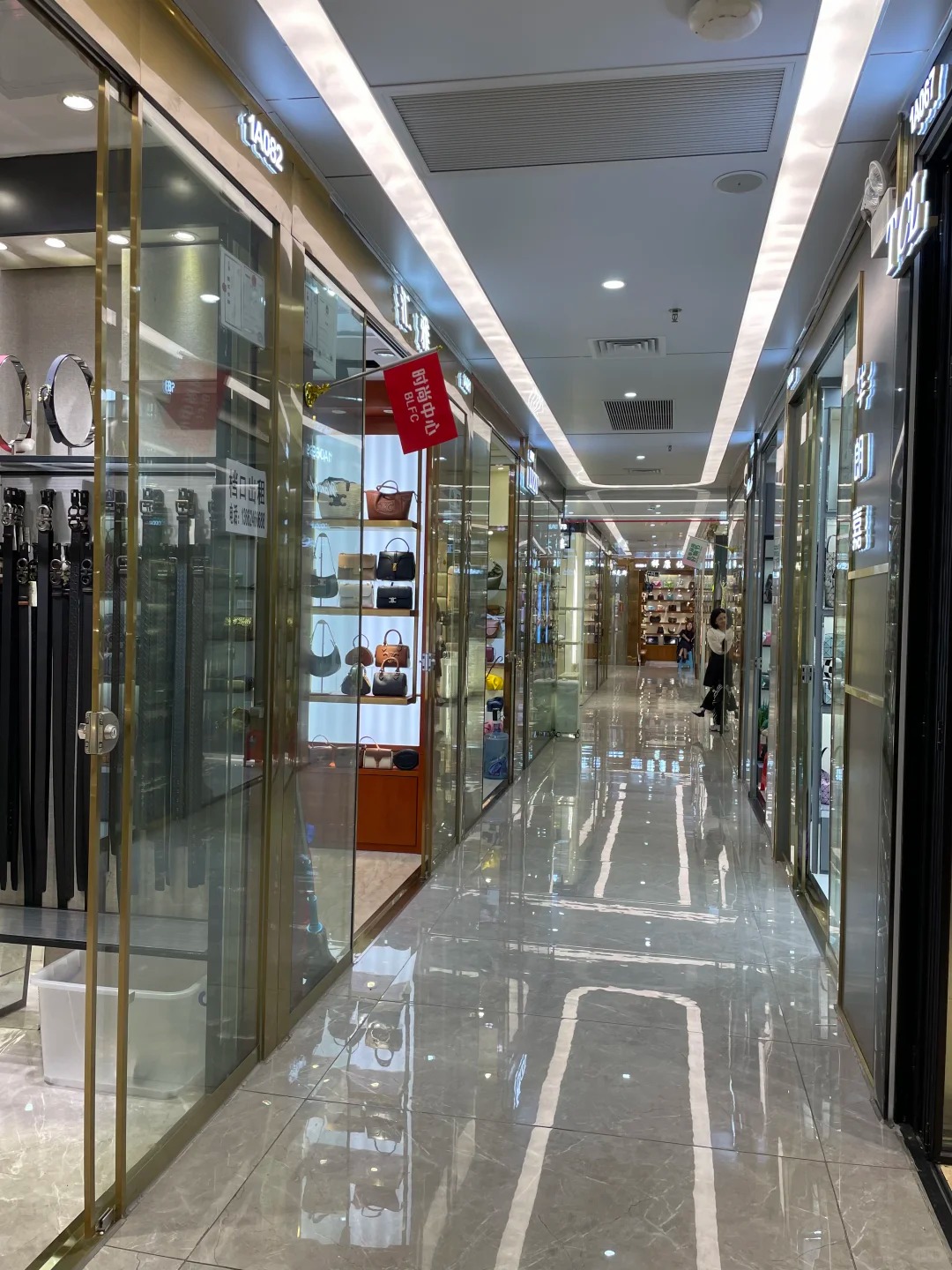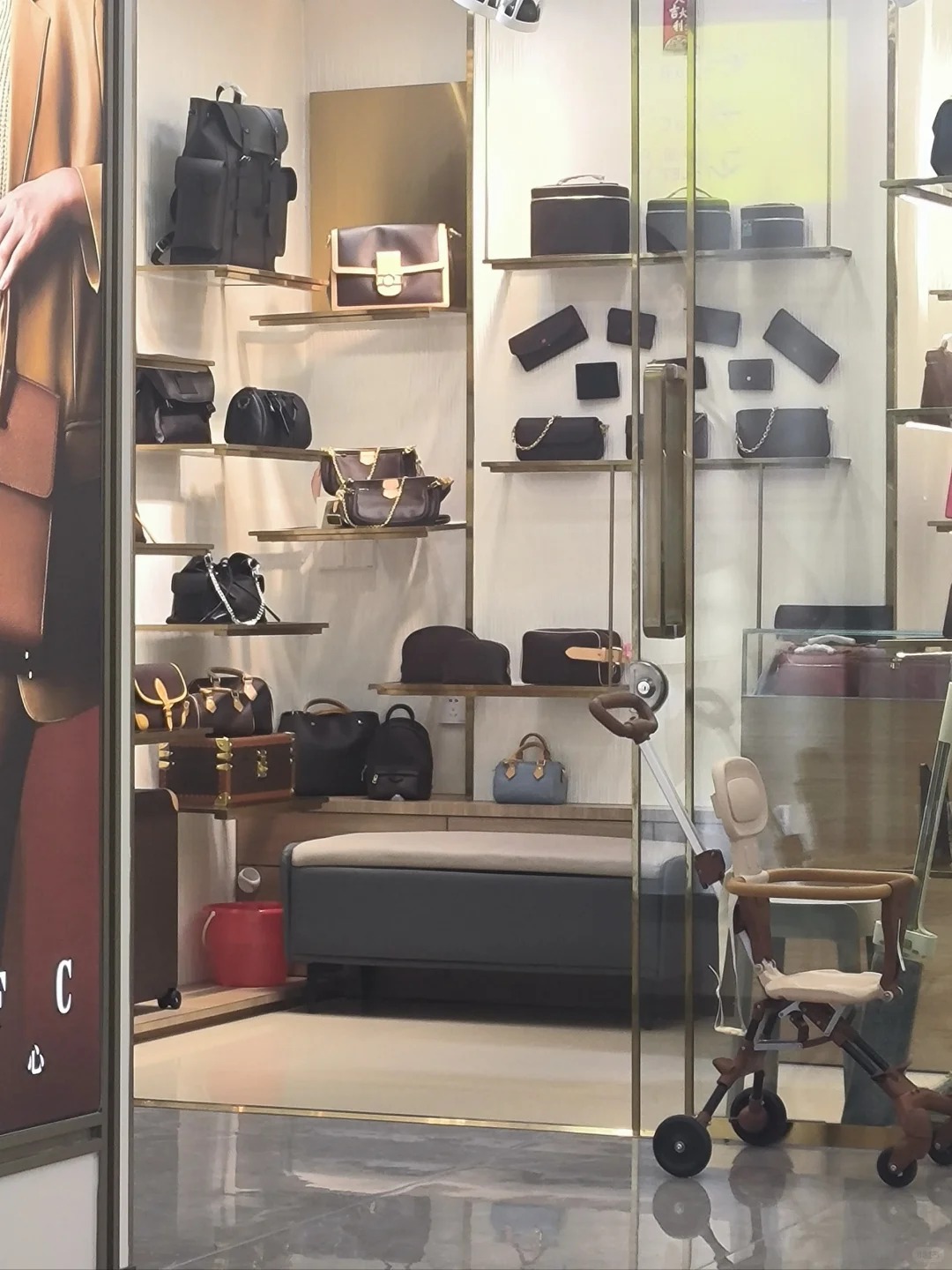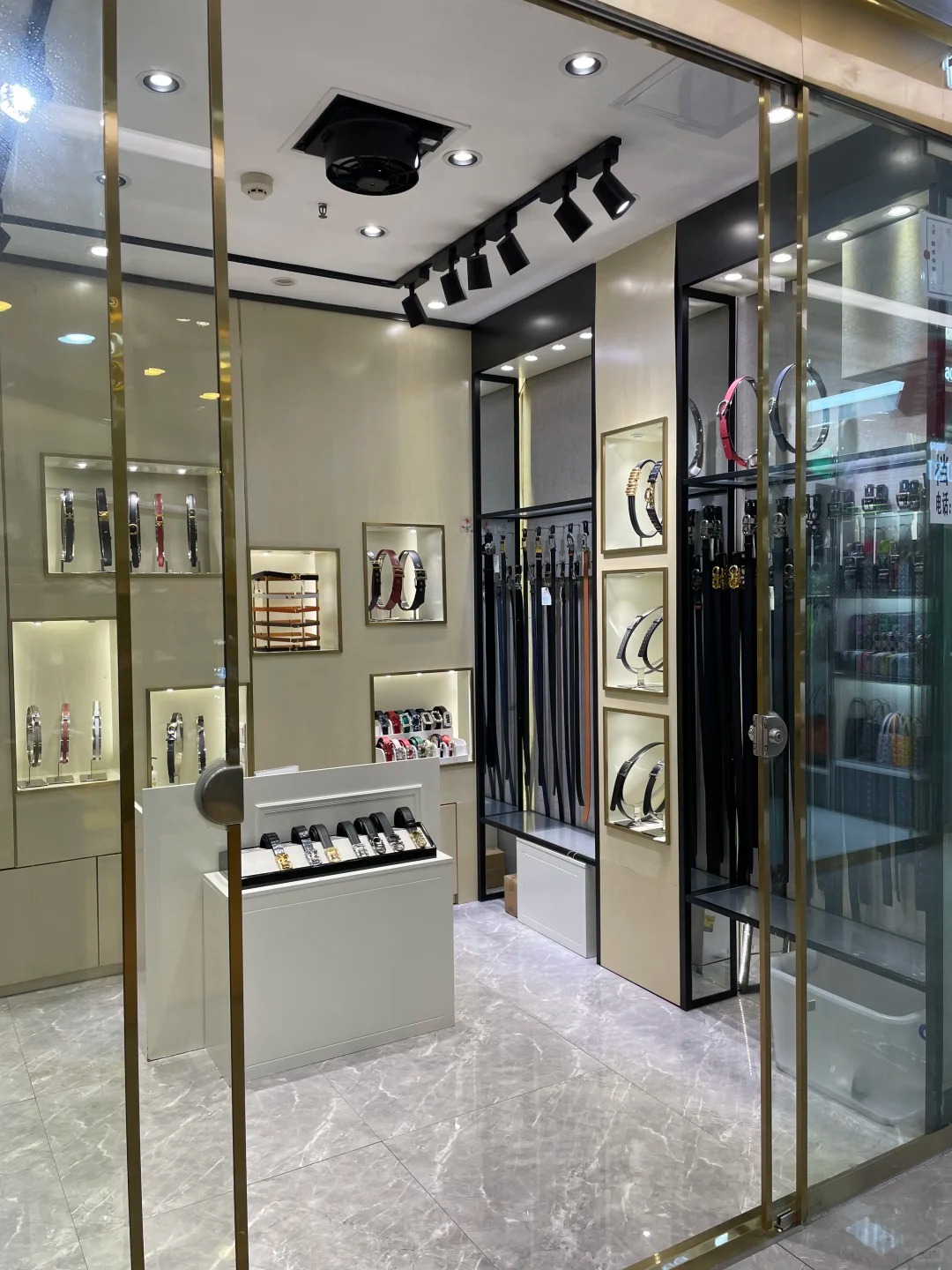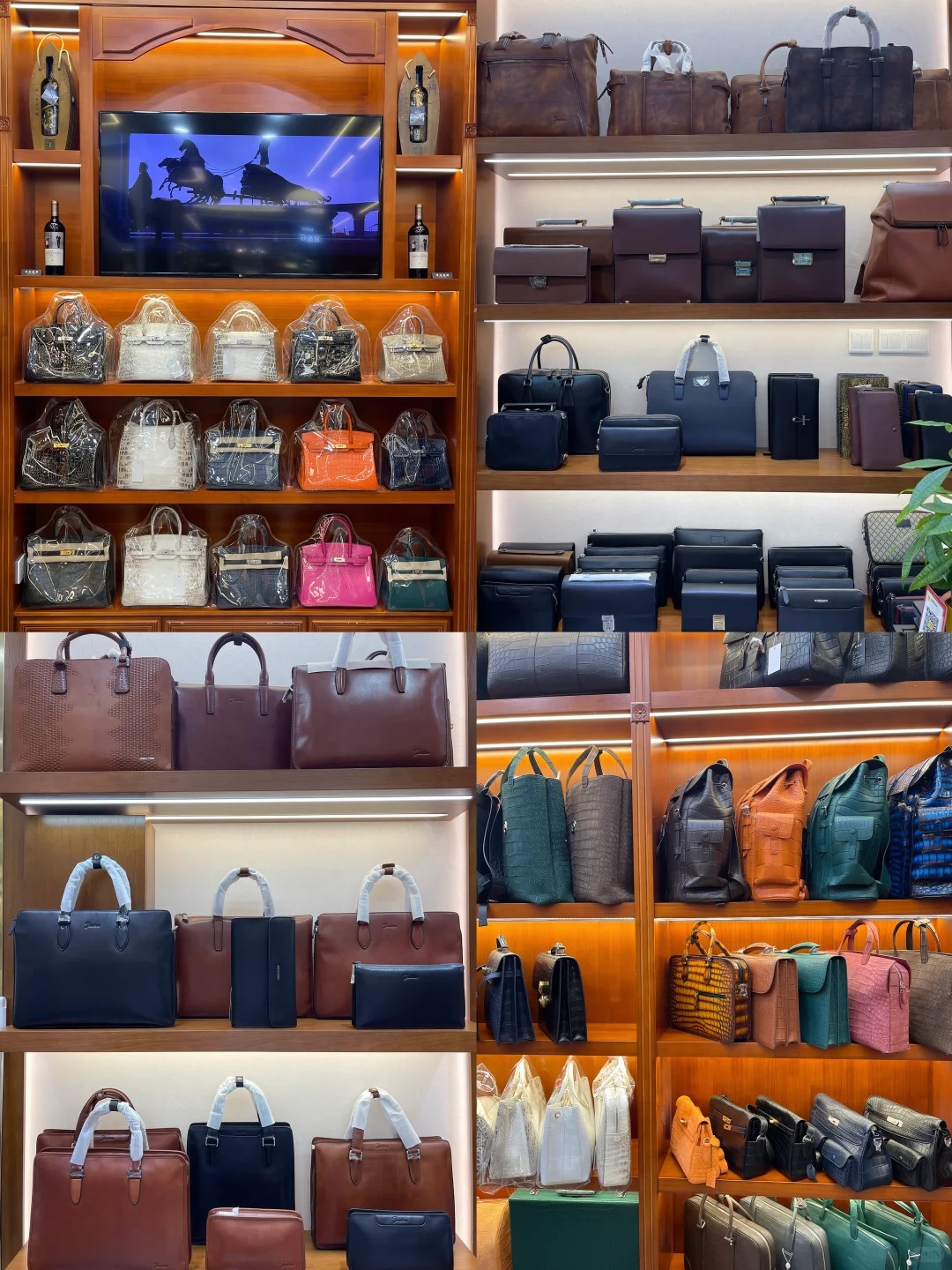

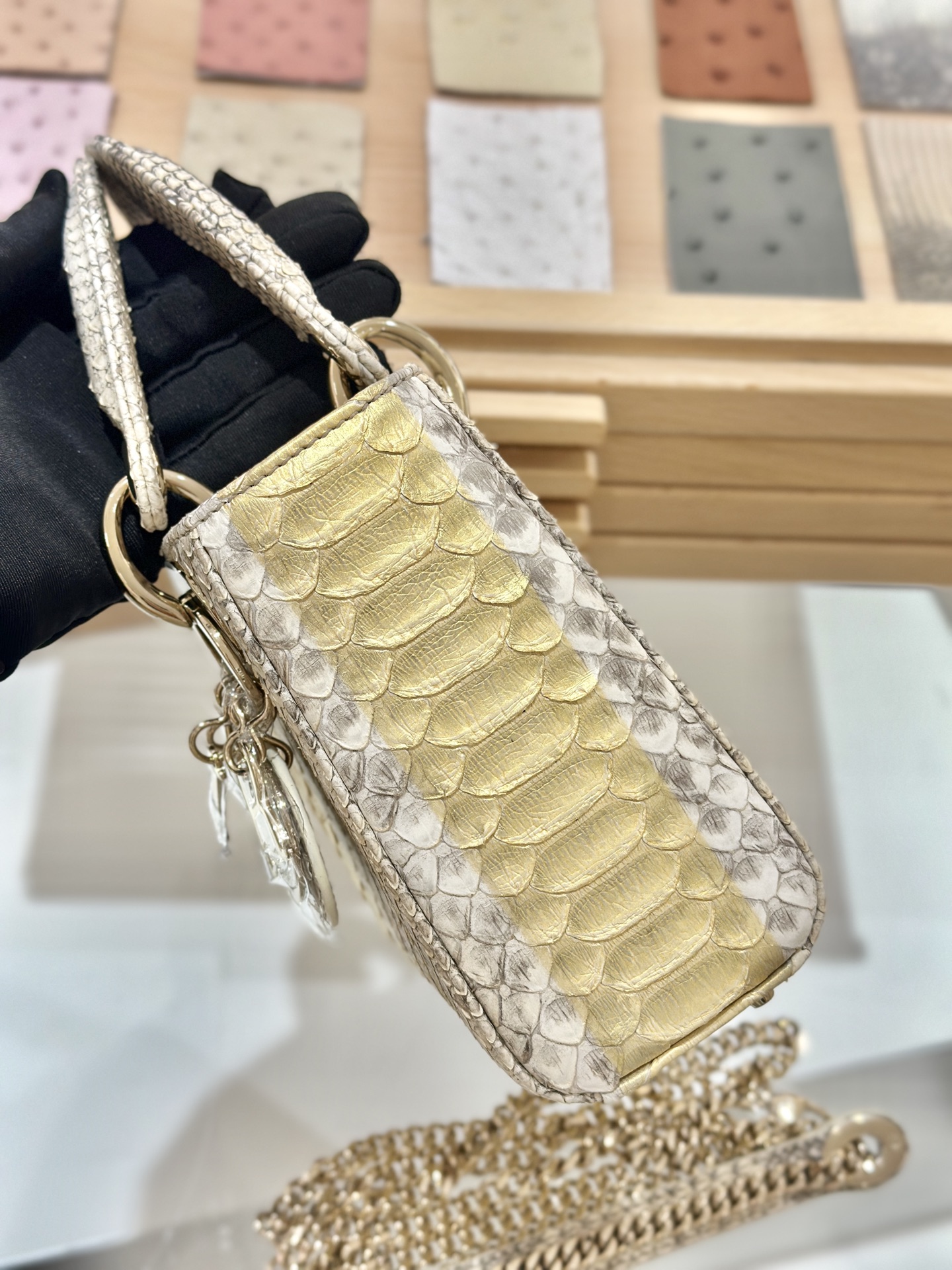
Buying from a China factory directly saves you up to 60% off retail prices—if you know where to look and how to spot quality. Skip the middlemen and go straight to wholesale market stalls in cities like Guangzhou, Yiwu, and Shenzhen. Here’s your no-fluff guide to scoring spot goods, checking fabric texture, and examining stitching like a pro.
Step 1: Choose the Right Market for Spot Goods
China’s wholesale markets are massive. For spot goods (ready-to-ship inventory), head to:
– Guangzhou (Shaxi, Nanyang): Shoes, luggage, electronics.
– Yiwu International Trade City: Small commodities, gifts, toys, accessories.
– Shenzhen (Huaqiangbei): Electronics, components, and tech gadgets.
– Hangzhou (Sijiqing): Apparel and textiles.
At these markets, you can touch, feel, and compare hundreds of items in one afternoon.
Step 2: Master the Art of Checking Quality
Fabric Texture
Rub the fabric between your fingers. Cotton should feel soft but crisp; polyester blends should be smooth and not shiny unless intentional. Hold it up to light—uniform weave means quality. Avoid fabrics that pill easily or have uneven dye.
Stitching & Seams
Look at the stitching density: 10–12 stitches per inch is standard for good quality. Check for loose threads, skipped stitches, or puckered seams. A well-made product has neat, reinforced corners. Inside seams should be finished (e.g., serged or bound) to prevent fraying.
Step 3: Negotiate Like a Local
At market stalls, prices are often marked up 20–50% for bargaining. Start at 50% of the asking price and settle around 60–70%. Use a calculator app to avoid misunderstandings. Show confidence; stall owners respect buyers who know their stuff. If buying large volumes (e.g., 100+ pieces), ask for a “batch price” (批发价) and mention you’ll come back for repeat orders.
Step 4: Payment, Shipping & Customs
Stall owners prefer cash (USD/CNY) or WeChat/Alipay. For larger orders, ask for a formal invoice and use a letter of credit or T/T. Never pay 100% upfront—30-50% deposit is normal. For shipping, use a consolidated freight forwarder from the market itself. Keep all receipts and samples for customs: you’ll need to prove unit value and fiber content.
FAQ: Common Questions About Buying from China Factory
| Question | Answer |
|---|---|
| Do I need a sourcing agent? | Not for spot goods at markets—you can handle it yourself. For complex products, a local agent helps. |
| What’s the minimum order quantity (MOQ)? | Spot goods have no MOQ—buy 1 piece if you want. Custom orders usually start at 300–1000 units. |
| Are there counterfeit goods in wholesale markets? | Yes, but official markets like Soudangkou’s partner stalls vet for original designs. Stick to reputable sections. |
| How do I check if a factory is real? | Ask for a business license and visit the factory if possible. Many Guangzhou stalls have production lines nearby. |
| What’s the best way to pay? | Use trade assurance on platforms or escrow services for large sums. Cash is risky above $5,000. |
| Can I return defective goods? | Returns are rare—inspect on the spot. Some stalls accept exchange within 7 days if sealed. |
Final Pro Tip: Use Platforms to Pre-Screen
Before you fly to China, browse online wholesale directories to shortlist stalls. One platform to check is Soudangkou, which lists verified factory-direct suppliers with spot goods. You can view fabric texture descriptions and close-up stitching photos to narrow down your picks. Then, visit the physical stall to confirm quality. This two-step process saves time and reduces buyer’s remorse.
广州服装档口相关入口
继续查看相关市场和品类入口,方便对比档口微信、货源范围、拿货方向和试单前需要核实的信息。