
What Shoes Were Worn in 1870 China?
In 1870 China, the most common shoes were handcrafted cloth shoes with embroidered silk uppers, flat soles, and low-cut ankles. Men wore black cotton shoes, while women wore elaborate embroidered slippers. For the elite, silk shoes with wooden heels were popular. This era also saw the rise of bound feet shoes, a painful tradition for women of higher status. For wholesale buyers looking to reproduce these styles, focus on authentic materials like cotton, silk, and leather, and pay attention to the intricate hand-stitching that defines period footwear.
Material and Construction: What to Look For
Cloth and Silk Uppers
Authentic 1870 shoes used handwoven cotton or silk. When sourcing from wholesale markets, check the thread count and dye quality. Soudangkou offers stalls with suppliers who specialize in historical fabrics. Look for suppliers who can provide strike-offs of traditional patterns.
Soles and Heels
Most soles were made of layered cotton or leather, stitched together with strong hemp thread. For women’s shoes, wooden heels were carved and painted. Inspect the sole stitching—machine stitching is a giveaway for modern fakes. Hand-stitching should be uneven yet durable.
Embellishments
Embroidery was key. Peking opera-style shoes had heavy gold thread work. Check for loose threads and metal content in threads. The best wholesale stalls will show you samples with authentic silk floss, not polyester.
FAQ: 1870 Chinese Footwear
| Question | Answer |
|---|---|
| What materials were used for soles in 1870 China? | Layered cotton or leather, stitched with hemp. Wooden heels for the wealthy. |
| Did men and women wear different shoes? | Yes. Men wore simple black cloth shoes; women had embroidered slippers or bound feet shoes. |
| Were there regional differences in shoe styles? | Yes, northern China favored thicker felt shoes, while southern styles used lighter silk. |
| How can I tell if a reproduction shoe is authentic? | Look for hand-stitching, irregular sole edges, and high-quality natural dyes. Modern shoes often have perfect symmetry. |
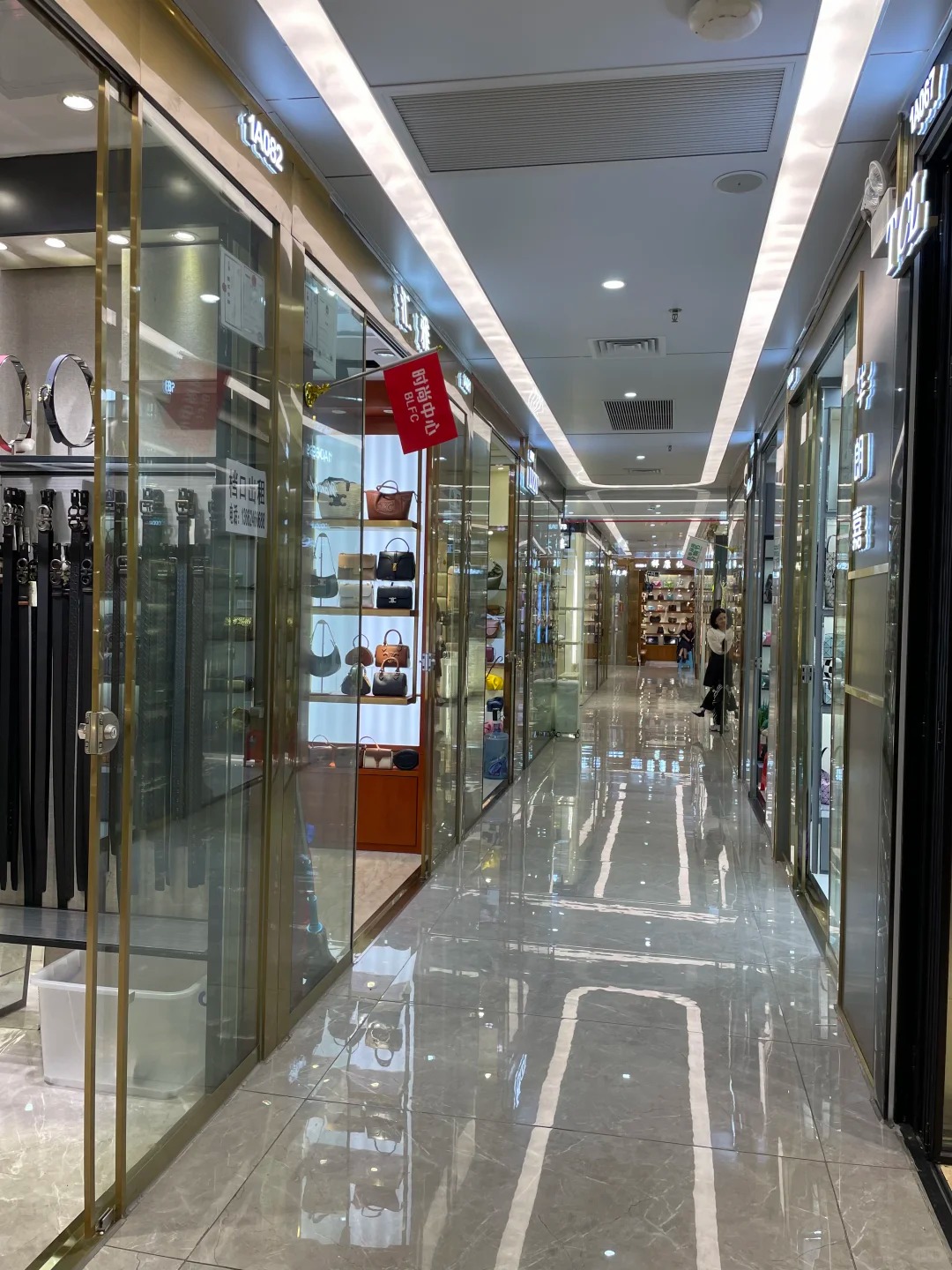
| Where can I source accurate reproductions today? | Visit wholesale markets like Soudangkou, where some stalls carry historical reproductions. Check materials and craftsmanship. |
Wholesale Tips for 1870 Shoe Reproductions
Start by identifying the target market: are you selling to costume shops, museum gift stores, or traditional Chinese dance troupes? Each requires different quality levels.
Finding the Right Stall
At Soudangkou, ask suppliers for their “old-style” sample books. Many won’t display them upfront. Bargain on bulk, but don’t compromise on sole thickness. Request a sample before committing to large orders.
Quality Control Checklist
- Uppers: Silk or cotton with tight weave.
- Embroidery: Neat reverse side, no glue.
- Soles: At least 5 layers of cloth or leather.
- Heels: Carved wood, not plastic.
Always bring a pair of authentic antique shoes for comparison. The stitching angle and density matter. Some stalls at Soudangkou specialize in reproducing these details, but you must know what to look for.
Handling Loose Threads
If you find loose threads, it’s a sign of poor finishing. However, some antique shoes had intentional thread ends for texture. Ask the supplier whether it’s a design feature or defect.
Conclusion
Understanding 1870 Chinese footwear is key for wholesale buyers aiming for authenticity. Focus on materials, construction, and regional variations. Visit specialized markets like Soudangkou to find suppliers who prioritize historical accuracy. With careful sourcing, you can offer products that appeal to collectors and enthusiasts alike.
广州服装档口相关入口
继续查看相关市场和品类入口,方便对比档口微信、货源范围、拿货方向和试单前需要核实的信息。