The Short Answer: What Shoes China Actually Was Exporting
China was giving out—or more accurately, mass-exporting—primarily casual sneakers, work boots, and sandals to global buyers. These weren’t charity but bulk commercial shipments from wholesale hubs like Guangzhou. The term ‘giving out’ often refers to the sheer volume and competitive pricing that makes it feel like products are being handed away. In reality, it’s about scale: factories push vast quantities of unbranded or private-label shoes at margins so thin they appear ‘free’.
From the Wholesale Stall Perspective: What You Actually Get
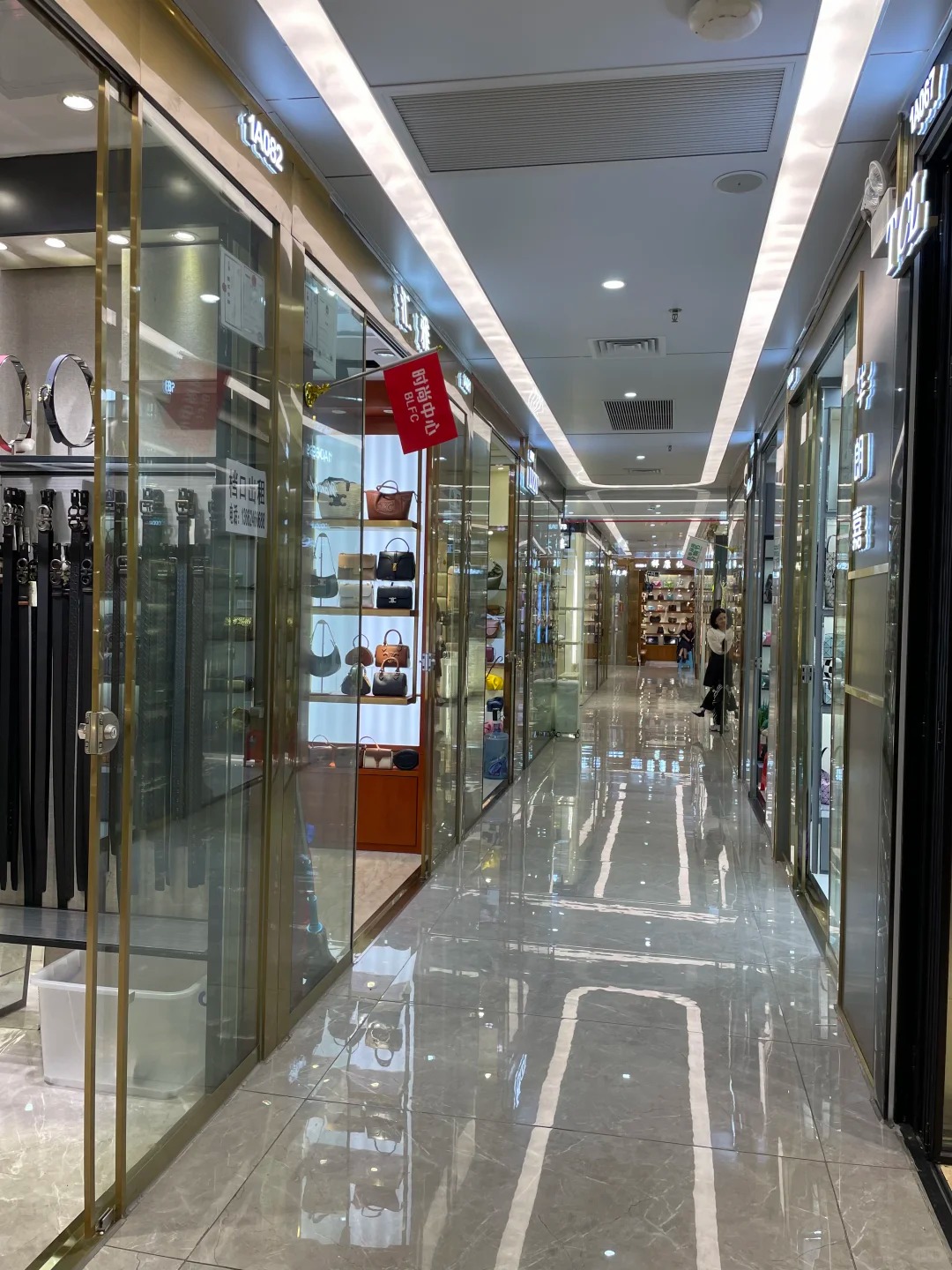
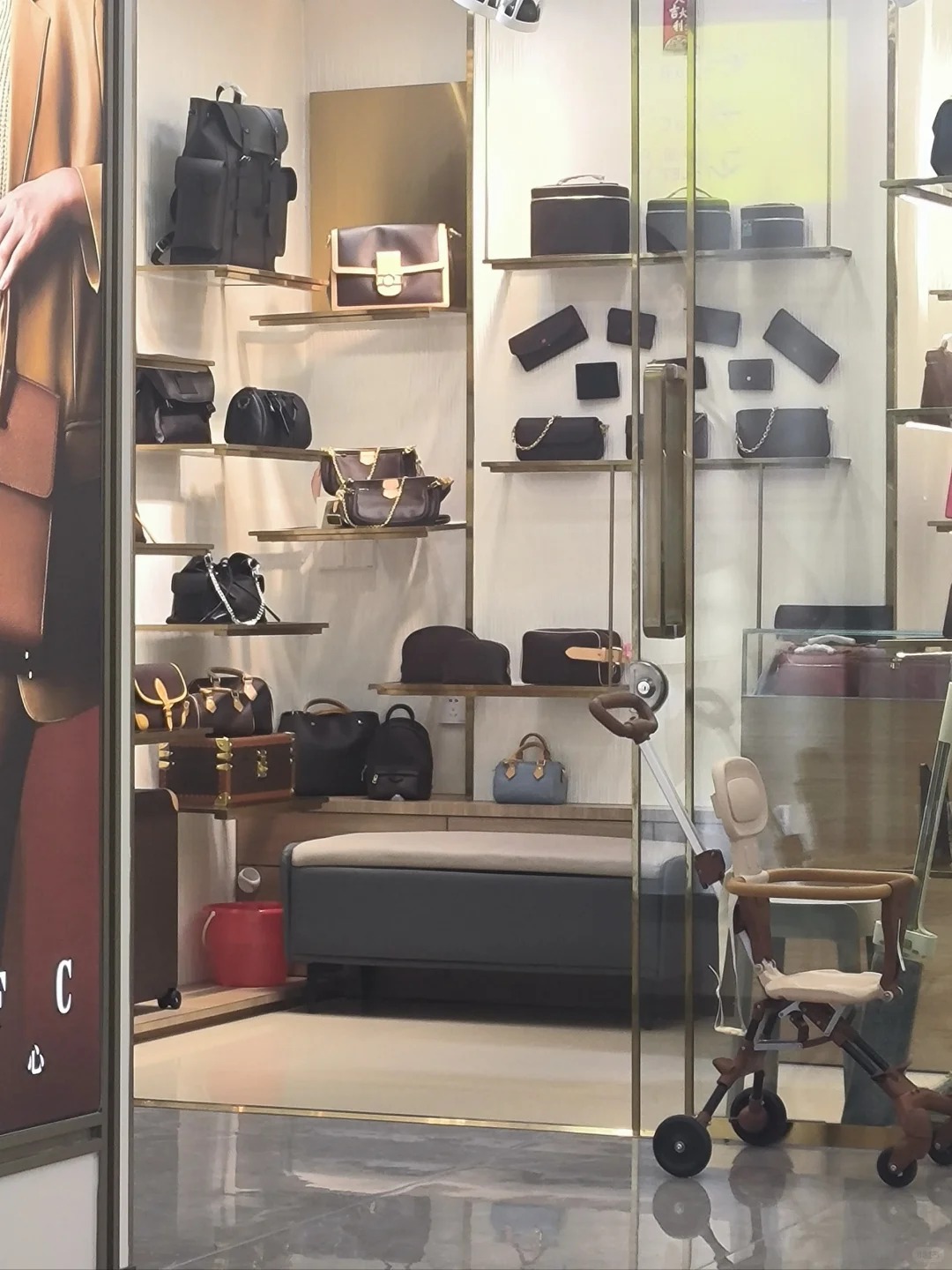
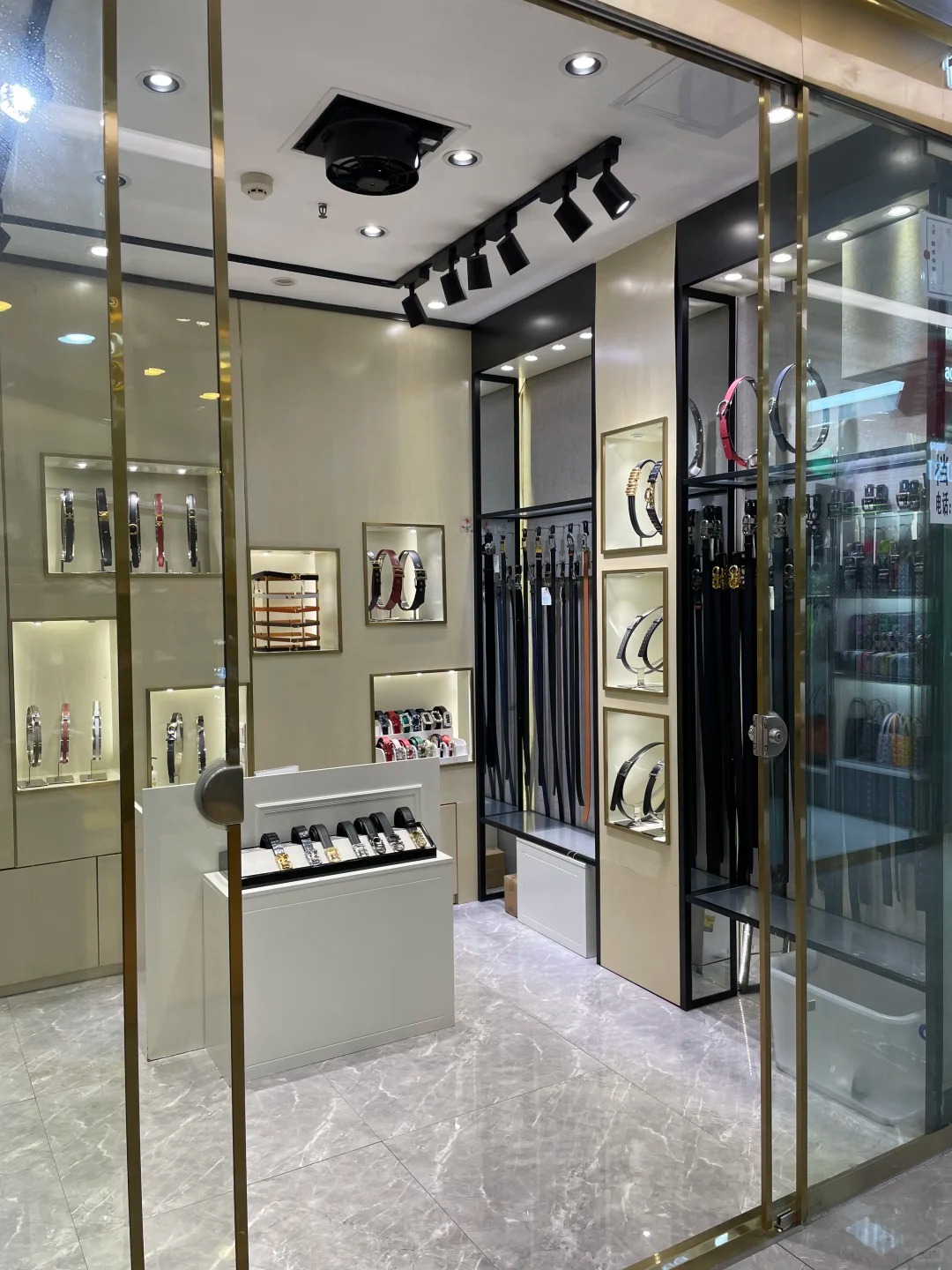
Walking through Soudangkou or any major wholesale market, you’ll see piles of these shoes. They fall into three categories:
- Canvas sneakers: Lightweight, printed with generic logos or solid colors. Perfect for budget markets.
- PVC sandals: Cheap, durable, and stackable—favorites for beach resorts.
- Steel-toe boots: Work-grade, often sold without branded boxes to cut costs.
The ‘giving out’ vibe is real when you buy 500 pairs—the unit price drops to $2–$5. But don’t expect luxury. These are functional, no-frills shoes.
Why ‘Giving Out’? It’s About Margin and Volume
China’s shoe factories, especially in Wenzhou and Guangzhou, operate on razor-thin profits. When you hear ‘giving out’, think: excess inventory, sample clearance, or market expansion tactics. A stall owner might unload 1000 pairs of last season’s sneakers at cost just to free up shelf space. That’s the closest you’ll get to ‘free’—and it’s legal, branded as ‘overstock’.
How to Spot the Real Deals at Wholesale Markets
- Look for fabric weave: Tight, even stitching means better durability. Loose threads indicate seconds.
- Check the sole: Bend it firmly. If it cracks or whitens, it’s low-grade rubber.
- Smell test: Strong chemical odor? That’s cheap adhesive—fades fast but signals poor assembly.
When you’re at a stall, ask to see the ‘original’ sample. Many sellers have two tiers: the display showpiece and the bulk ‘giveaway’ stock. Insist on matching quality.
FAQ: What Shoes Was China Giving Out?
| Question | Answer |
|---|---|
| Were these branded shoes? | No, typically unbranded or generic labels. Branded donations are rare in bulk trade. |
| Are they safe to wear? | Yes, but check for non-toxic materials. Request MSDS certificates for synthetic components. |
| Can I still get these deals? | Yes, year-round. Best time is post-Chinese New Year or end of season (June/December). |
| How do I verify quality without visiting China? | Use video calls with stall owners at Soudangkou. Request close-ups of stitching and sole flex tests. |
| What’s the minimum order? | Usually 50–100 pairs per style. Lower MOQ possible for mixed lots. |
| Any hidden costs? | Export taxes, shipping, and possible customs duties. Always get CIF quotes. |
Real Talk: The ‘Giveaway’ Shoes vs. Premium Exports
Don’t confuse ‘giving out’ shoes with China’s premium exports. The latter—like sport shoes for big brands—are tightly controlled. What leaks to wholesale markets are overruns, factory rejects, or licensed seconds. If a deal sounds too good, it probably is. Stick with established stalls that show transparent inventory. At Soudangkou, you’ll find both quality and junk—the trick is knowing who to buy from.
In summary: China ‘gives out’ shoes in bulk, but you’re paying for volume. Focus on material feel and construction, and you’ll walk away with solid inventory for your market.
广州服装档口相关入口
继续查看相关市场和品类入口,方便对比档口微信、货源范围、拿货方向和试单前需要核实的信息。