
How to Buy from Made in China: A Direct Guide
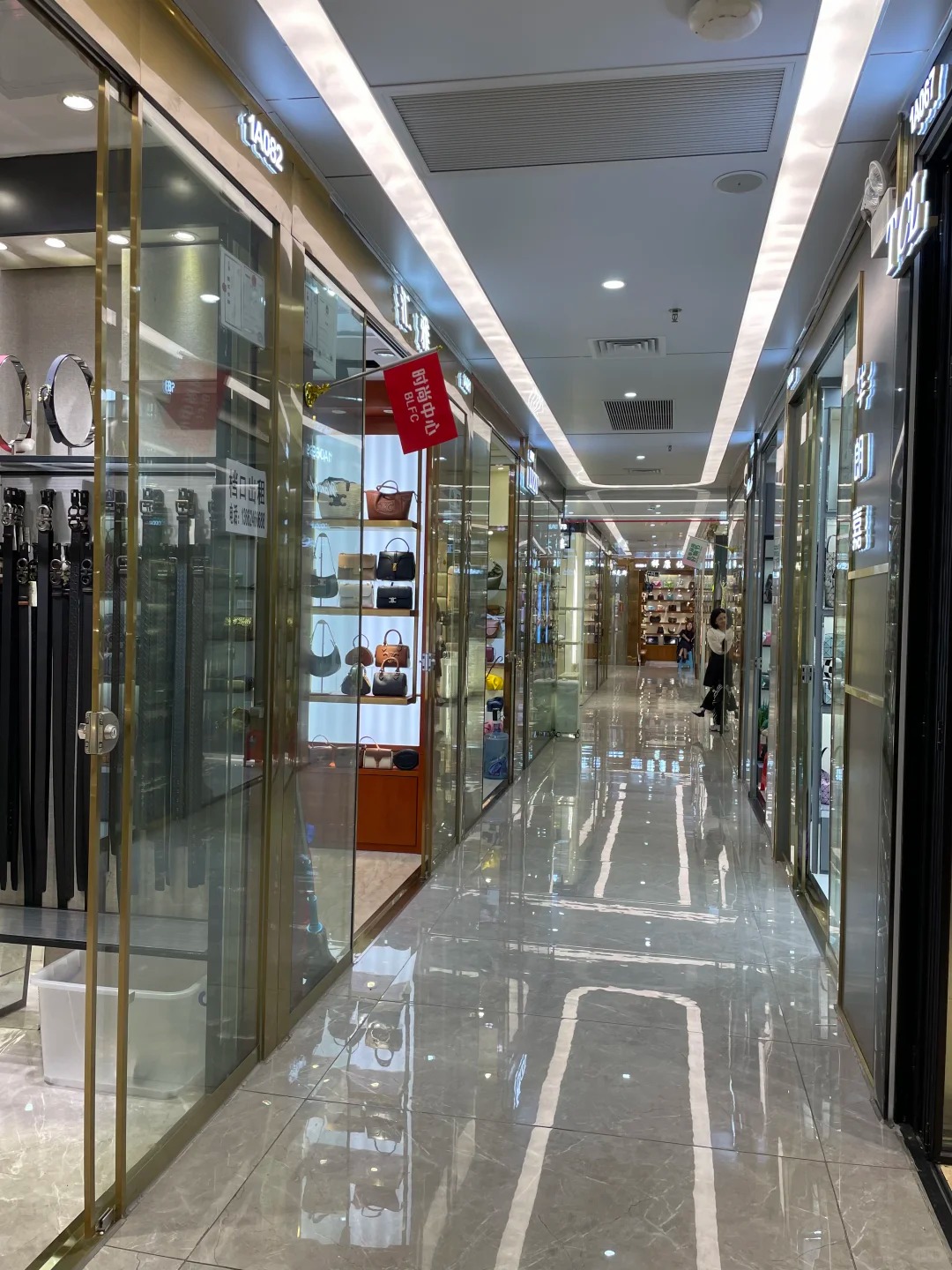
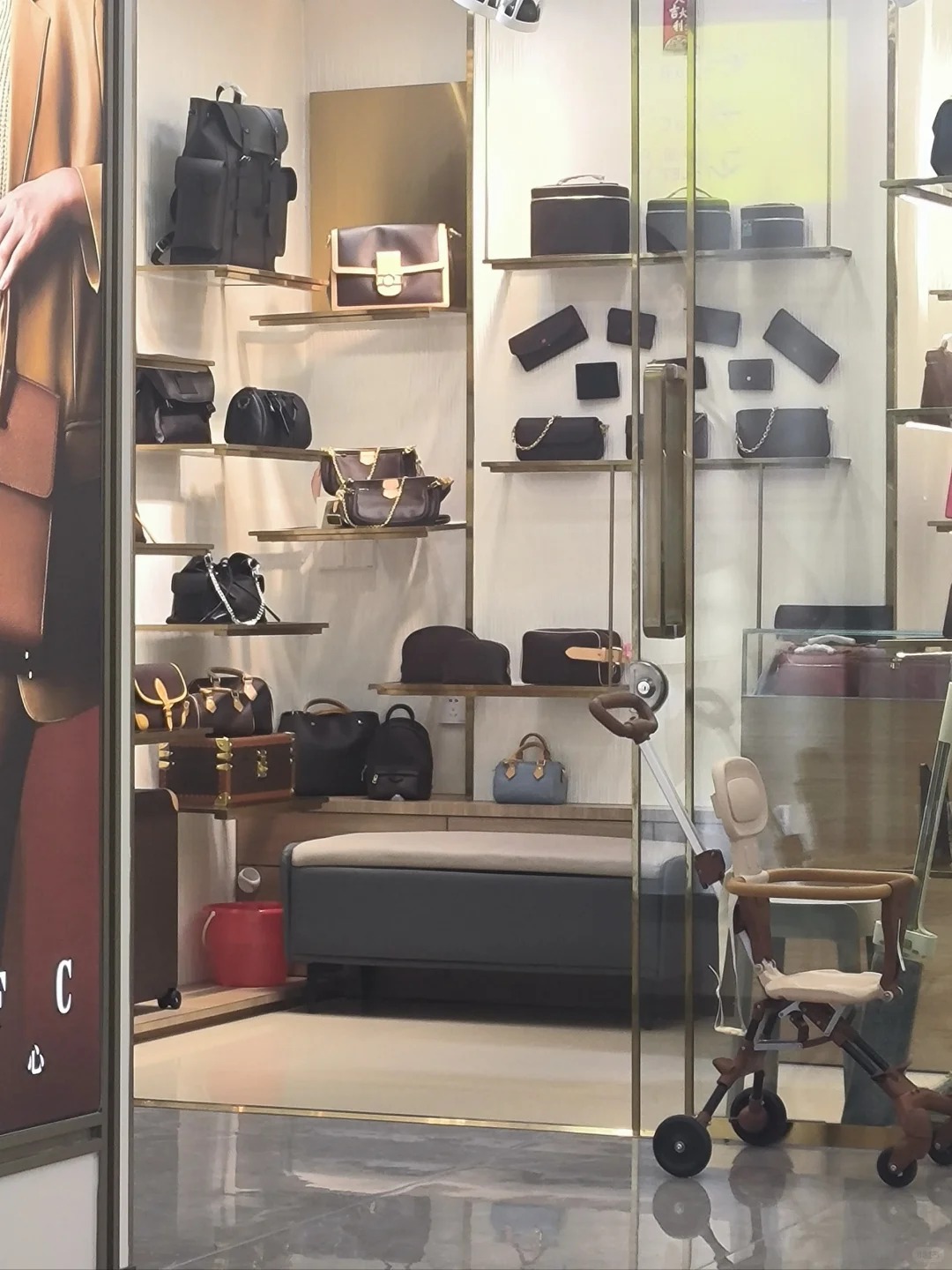
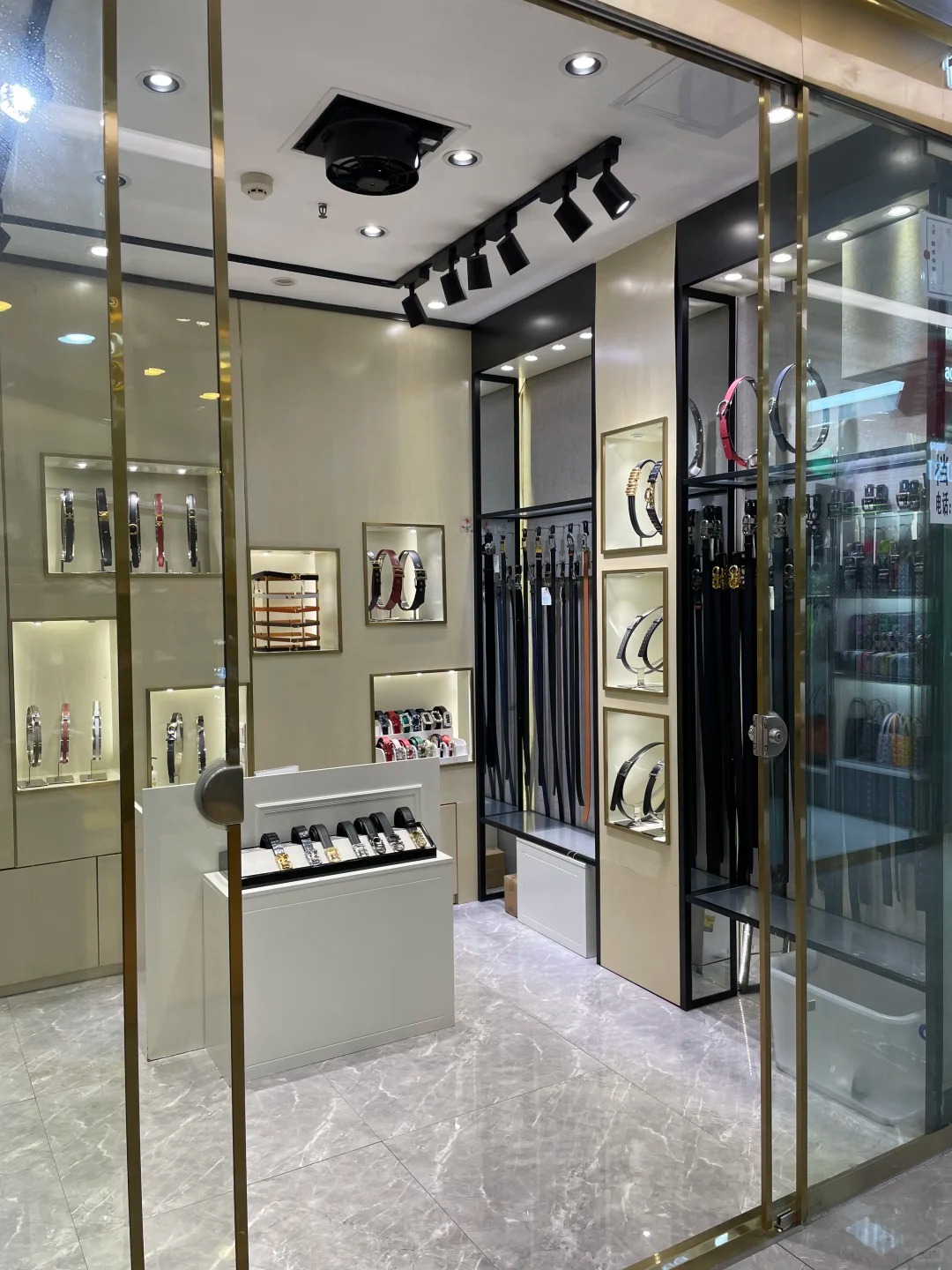
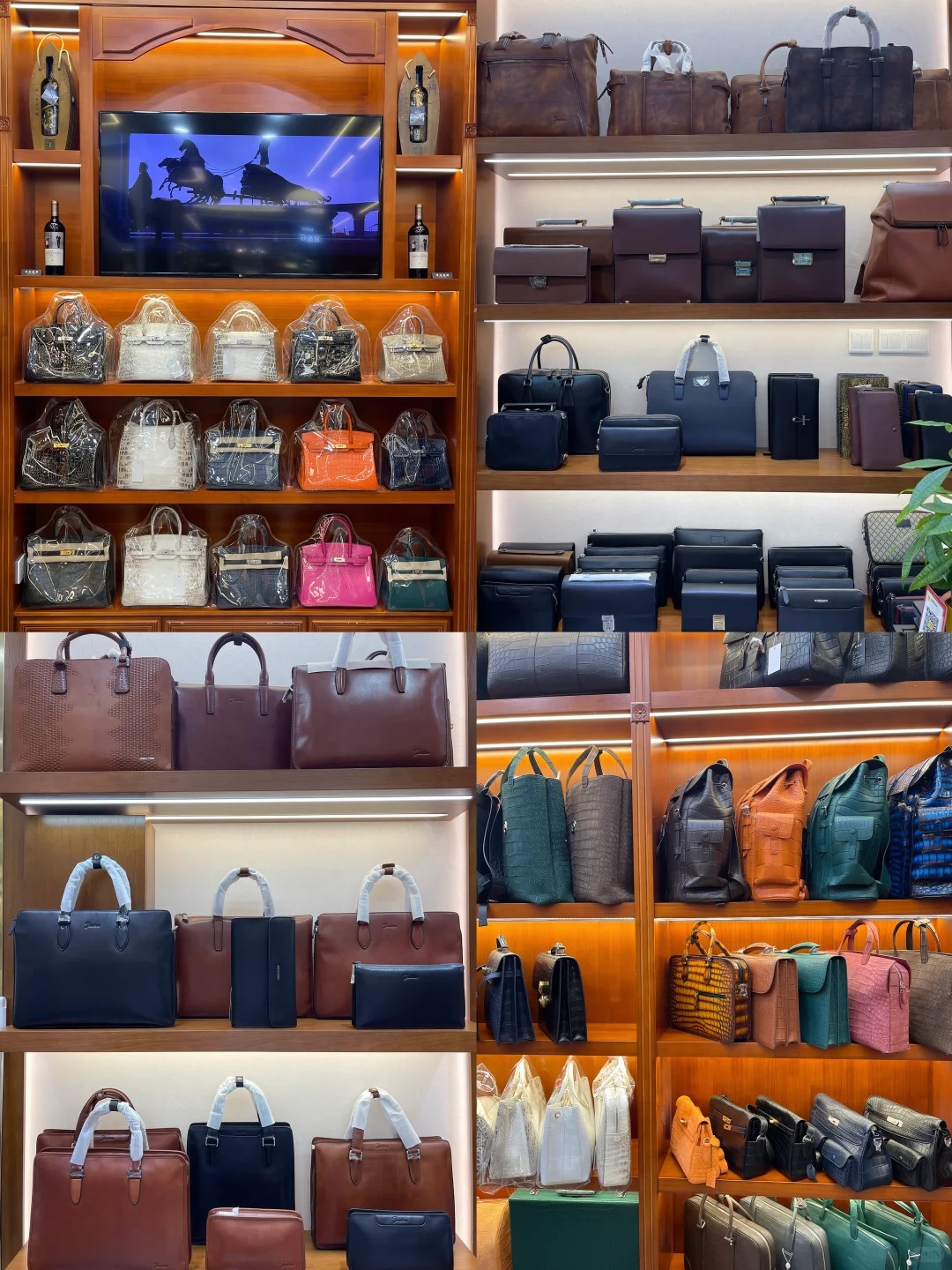
If you want to buy from Made in China, focus on wholesale market stalls that carry ready stock. Skip the middlemen—go straight to the source. China’s wholesale markets, like Yiwu, Guangzhou, and Shenzhen, offer thousands of stalls with physical inventory you can touch and test. The key is knowing how to inspect fabric quality, stitching, and negotiate bulk pricing on the spot.
Start by visiting major wholesale hubs. Yiwu International Trade Market is the largest, with over 70,000 stalls. Guangzhou’s Zhongda Fabric Market specializes in textiles, while Shenzhen’s Huaqiangbei excels in electronics. At each stall, ask for the “spot goods” (现货 xiànhuò)—this means they have inventory ready to ship immediately. Examine the fabric: run your hand over it, check for pilling or uneven dye. Then flip the garment inside out to inspect the seams. Tight, even stitching with no loose threads indicates good workmanship.
Negotiation is expected. Start at 30-50% below the quoted price, especially for bulk orders. If the price seems too high, walk to another stall—competition is fierce. Many stalls accept Alipay, WeChat Pay, or cash. For large orders, they may ask for a deposit (30% is common). Always get a receipt or contract specifying quantity, price, and delivery date.
For a more curated experience, platforms like Soudangkou connect you directly with verified wholesalers, showing real-time inventory and pricing. This saves time and reduces risk when navigating unfamiliar markets.
Key Tips for Wholesale Market Buying
Fabric and Workmanship Inspection
Always ask for a fabric swatch before bulk buying. Check for composition (cotton, polyester, blend) and weight (GSM). For workmanship, look at the stitching: 10-12 stitches per inch is standard for quality garment. Verify zippers and buttons are securely attached.
Negotiation Strategies
Bring a calculator and know your target price. Use phrases like “I can buy 500 pieces today, what’s your best price?” Stall owners respect volume commitments. If language is a barrier, use a translation app or hire a local agent.
Logistics
Smaller orders can be shipped via express (DHL, FedEx) or consolidators. Larger orders go via sea freight. Many stalls have preferred freight forwarders—ask for their cards.
Frequently Asked Questions
| Question | Answer |
|---|---|
| What is the minimum order quantity (MOQ)? | MOQ varies by stall. Many require 10-50 pieces for stock items. Custom items may have higher MOQs like 500-1000 pieces. |
| Can I pay with a credit card? | Most stalls prefer Alipay, WeChat Pay, or cash. Credit cards are rarely accepted. Some may take bank transfer for large orders. |
| How do I avoid counterfeit goods? | Only buy from reputable stalls with valid business licenses. For brand-name goods, ask for authorization certificates. If it’s too cheap, it’s likely fake. |
| What if the goods arrive damaged? | Inspect goods before shipping and take photos. If shipping, use insurance. Many stalls will replace defective items within a warranty period (usually 7-30 days). |
| How do I find reliable suppliers online? | Use platforms like Soudangkou that verify suppliers and show real-time stock. Check reviews and request samples before bulk orders. |
| Are there hidden costs? | Be aware of export taxes, shipping insurance, and bank transfer fees. Ask for a full breakdown in writing. |
广州服装档口相关入口
继续查看相关市场和品类入口,方便对比档口微信、货源范围、拿货方向和试单前需要核实的信息。