
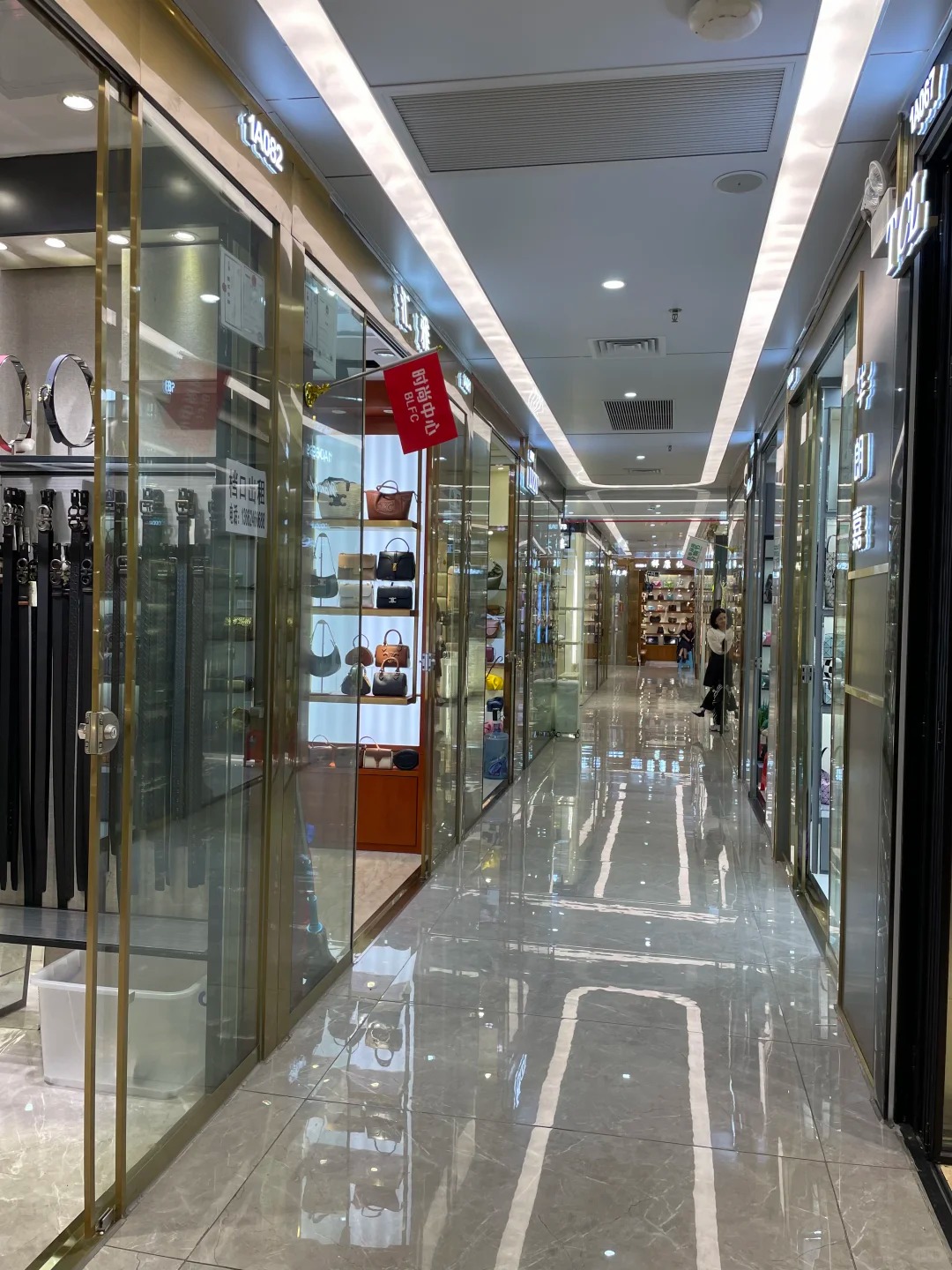
The cheapest way to buy furniture for resale from China is to visit wholesale markets like Shunde (Foshan) or Houjie (Dongguan), where factory-direct stalls offer unbeatable prices on cash-and-carry stock. Skip middlemen by negotiating directly with stall owners who deal in 现货 (spot goods) – items they have in stock ready to ship. Focus on checking fabric feel (面料质感) and stitching alignment (走线做工) to ensure quality without brand markups.
Why Spot Goods Beat Custom Orders
Most furniture stalls in Chinese wholesale markets operate with a mix of made-to-order and ready-to-ship inventory. For first-time buyers, 现货 is your safest bet because you can physically inspect the piece before paying. Stall owners prefer cash flow and often discount 10–20% on spot goods if you buy multiple units. Custom orders require deposits and longer lead times, risking design mismatches.
How to Evaluate Fabric and Stitching on Site
Fabric feel matters for resale – a rough or thin fabric will not satisfy customers. Run your hand over the surface; smooth textures with a slight sheen indicate higher density. Check cushion seams – straight, tight stitching with no loose threads signals good workmanship. For leather, press the surface – genuine leather wrinkles microscopically, while PU feels uniformly smooth. Ask the stall owner about the 面料 definition (e.g., 仿皮 vs. 超纤皮) – honest sellers will clarify.
Negotiating Tactics for Resellers
Stall owners see you as a potential repeat buyer. Start by asking “If I take 10 pieces, what’s the 最低价 (bottom price)?” Don’t accept the listed price – margins are built in. Point out slight flaws (e.g., a scratch on the leg) to negotiate a discount without being aggressive. Build rapport; many stall owners give better pricing after a small test order. Platforms like Soudangkou help you connect with vetted stall owners who focus on export-ready quality.
Common Pitfalls and How to Avoid Them
One risk is “fabric swapping” – what you see on the sample may differ from bulk units. Always ask to see the actual unit you will buy, especially for upholstered items. Another mistake is ignoring stitching on the back of sofas; poor finishing there suggests hidden quality issues. Bring a small flashlight to inspect dark corners.
| Question | Answer |
|---|---|
| What is the minimum order quantity (MOQ) for spot goods? | Usually 1–5 pieces for cash-and-carry; some stalls require 10+ for wholesale price. |
| How can I verify fabric quality? | Ask for a sample swatch and perform a simple rub test; high-quality fabric does not pill immediately. |
| Should I ship via LCL or FCL? | For small orders, LCL (less container load) is cheaper; for 20+ pieces, FCL is cost-effective. |
| How do I find reliable stall owners? | Visit major markets and look for stalls with English signage and trade license displayed. |
| Can I get a warranty on spot goods? | Most stall owners offer limited warranty (1–3 months) against structural defects; negotiate before purchase. |
| What payment methods do stall owners accept? | Cash, Alipay, bank transfer; some accept international wire for foreign buyers. |
| Is it safe to pay a deposit? | Only pay deposit (max 30%) after seeing a signed order form; avoid full payment upfront. |
Final Checklist for First-Time Buyers
Before buying, confirm: (1) Spot goods availability and physical condition; (2) Fabric type and stitching quality; (3) Packing method (kartons or stretch wrap); (4) Delivery timeline from market to warehouse. Stick to these basics, and you will find unbeatable deals on furniture for resale from China.
广州服装档口相关入口
继续查看相关市场和品类入口,方便对比档口微信、货源范围、拿货方向和试单前需要核实的信息。