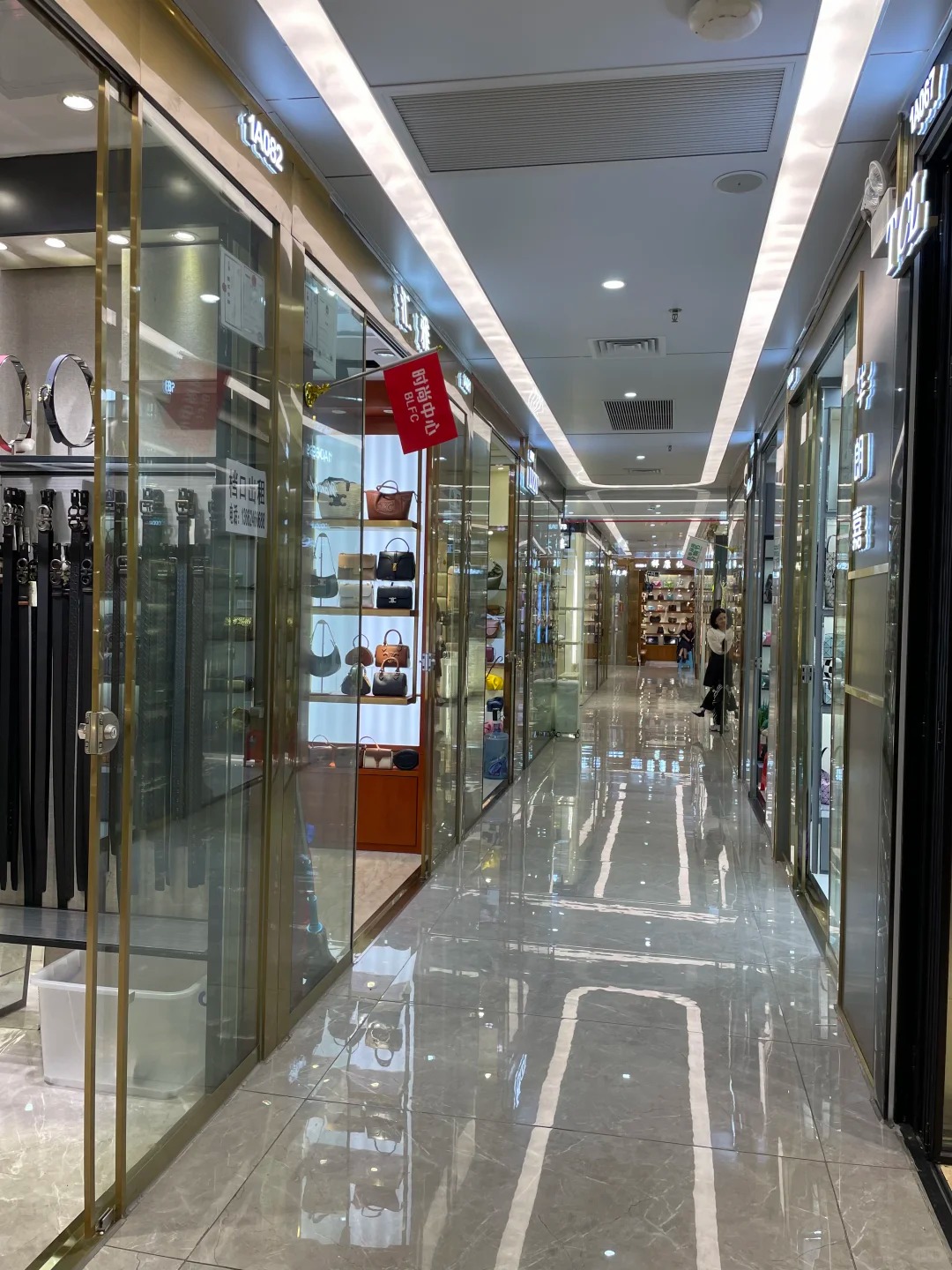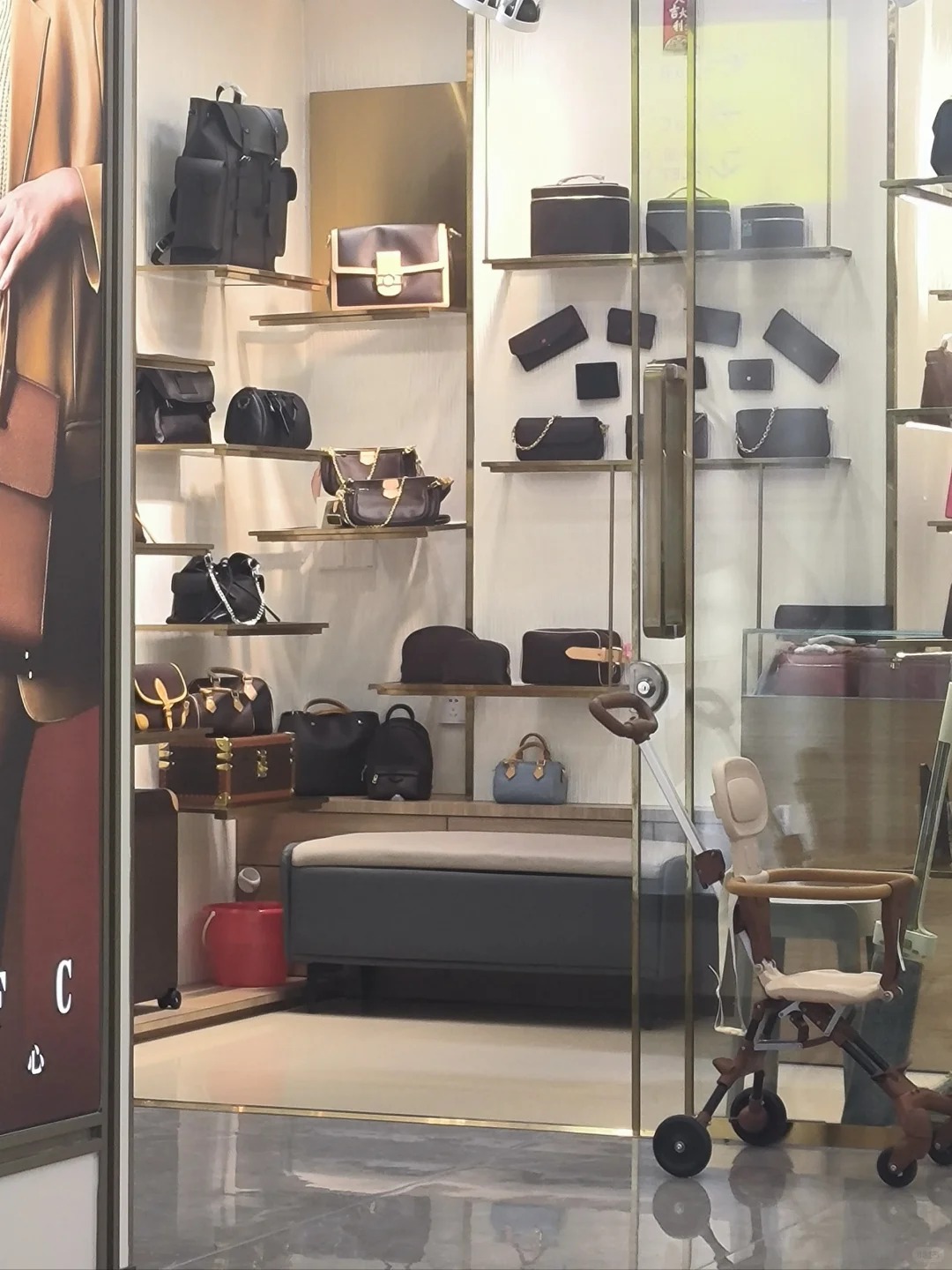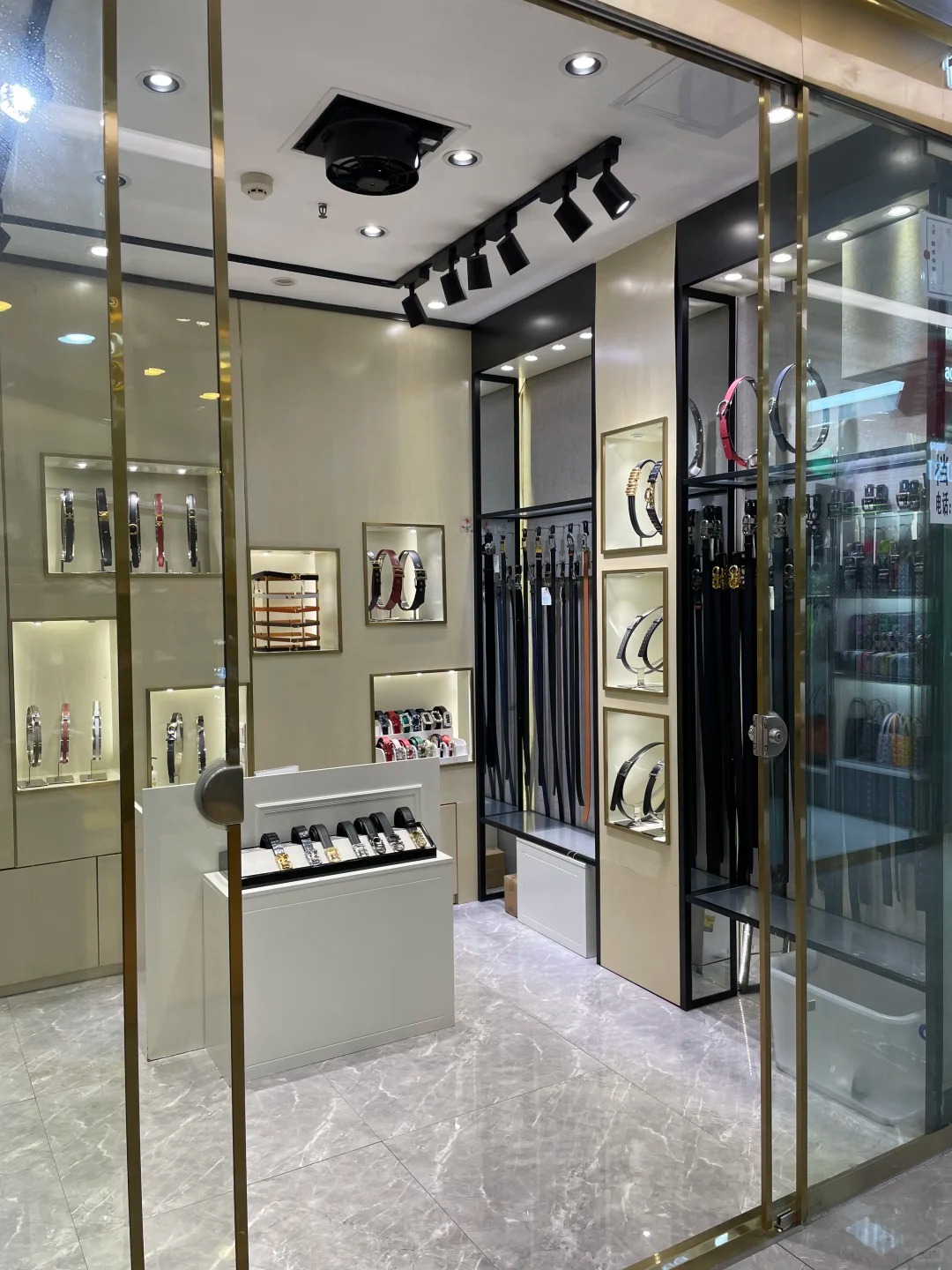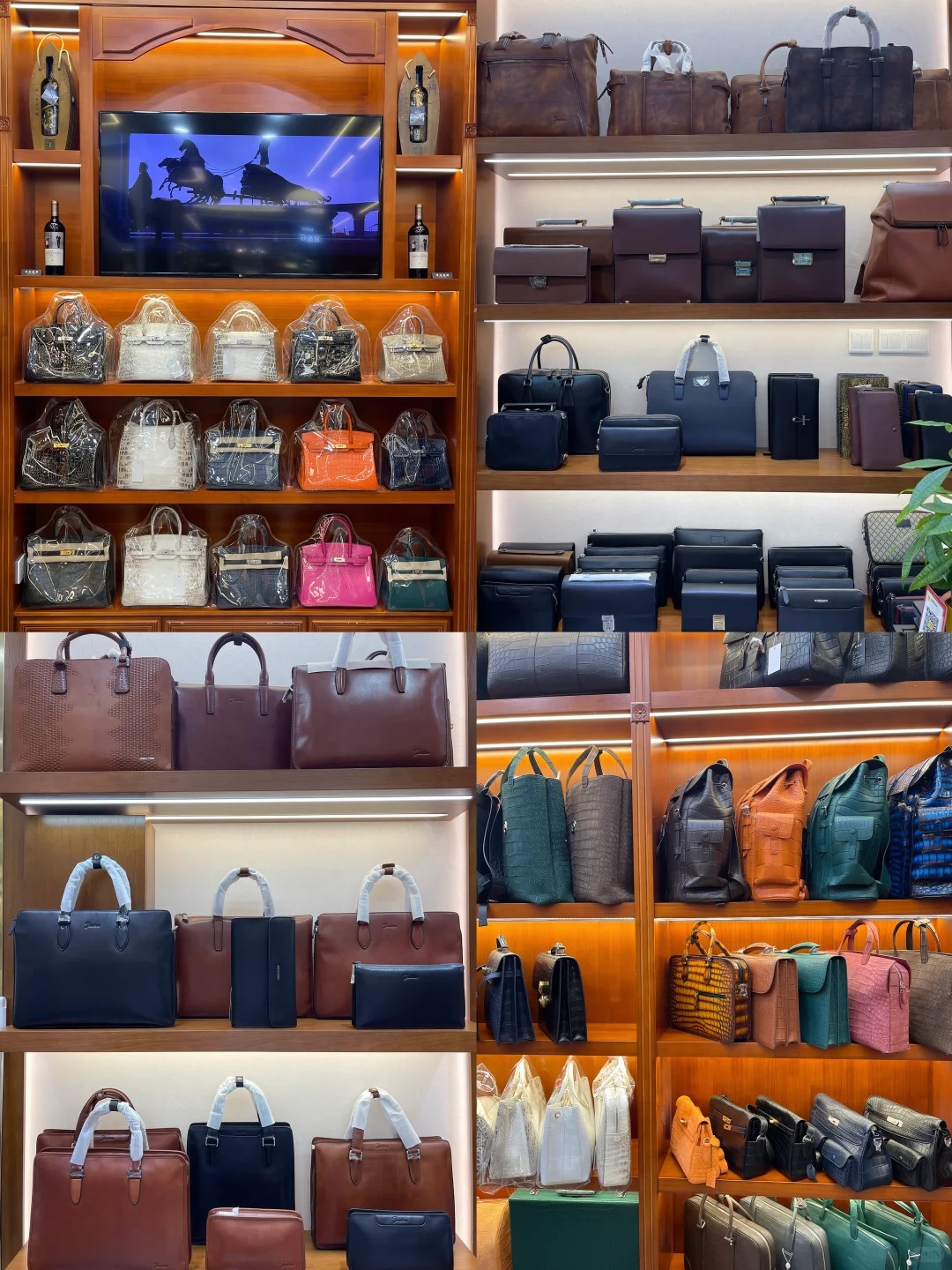

To buy wholesale items from China, you need to go beyond Alibaba. The real deals—and the best margins—are found in physical wholesale markets like Yiwu, Guangzhou, and Shenzhen, where stall owners offer one-stop sourcing for everything from apparel to electronics. These markets let you inspect fabric quality, stitching, and real samples before paying. But you can’t just show up and expect wholesale prices. Success requires knowing which market to hit, how to speak the language of stall owners, and how to arrange shipping legally. This guide cuts through the noise.
1. The Best Physical Markets for Wholesale Items
China’s wholesale scene is massive, but for tangible goods, three cities dominate:
- Guangzhou (Zhongda Fabric Market) – Best for textiles, garments, and accessories. Stalls display rolls of fabric, and many offer CMT (cut-make-trim) services.
- Yiwu International Trade City – Heaven for small commodities: toys, hardware, holiday decorations, and stationery. Over 75,000 booths.
- Shenzhen (Huaqiangbei) – Electronics, from components to finished gadgets.
Each market has a floor plan categorized by product type. Download the market map or app beforehand. Pro tip: arrive early (8-9 AM) when stall owners are fresh and more willing to negotiate.
2. How to Inspect Quality at the Stall
Stall owners expect you to touch and test. Here’s what to check for common categories:
Apparel & Textiles
- Fabric composition: Rub the material—does it pill? Check the label. If it says “100% polyester” but feels like cotton, walk away.
- Stitching: Turn the item inside out. Look for loose threads, uneven seams, or skipped stitches. A good stall uses reinforced stitching at stress points.
- Colorfastness: Ask to wet a small area and blot. If color bleeds, the dye is low quality.
Electronics
- Ask for a live demo. Test buttons, screen responsiveness, and sound output.
- Check the certifications (CE, FCC, RoHS). Many stalls can provide certificates; if not, consider it a red flag.
Hard Goods (Toys, Kitchenware)
- Weight: Heavier often means better material. Compare a sample from a high-end vendor vs. a cheap one—the difference is obvious.
- Assembly: For items with moving parts, disassemble partially (if possible) to check for rough edges or weak joints.
Don’t be shy. Stall owners respect buyers who know what they’re looking at.
3. Negotiating Tactics That Work
Prices at markets are always open to negotiation—but they’re not as aggressive as online myths suggest. Follow these rules:
- Start at 50% of the quoted price for non-branded items. For branded goods (like genuine Adidas), expect limited discount.
- Buy multiple colors/sizes to get a bulk discount. Stall owners are more flexible if you buy in depth, not just one style.
- Cash is king. Paying in RMB or USD cash often gets you 5-10% off compared to card or WeChat pay.
- Finalize the deal with a deposit receipt that clearly states product description, quantity, unit price, and delivery date. This prevents disputes later.
One key trick: mention you’re a repeat buyer from another stall. The owner may lower the price to earn your loyalty.
4. Shipping from Market to Your Door
Most stall owners can arrange shipping, but they’ll often mark it up. Better to use a freight forwarder. Here’s the workflow:
- Collect all purchases under one roof or at a consolidation warehouse near the market (e.g., in Guangzhou).
- Choose your shipping method: Air for small, high-value items (5-10 days); sea for large volume (20-30 days). Rail is a middle ground for Europe.
- Get a pro forma invoice from the stall owner for customs clearance. Make sure it reflects the actual value to avoid tariffs.
- Insurance: Always get insurance, especially for fragile items. It’s typically 1-2% of the cargo value.
- Most stalls now accept WeChat Pay, Alipay, or bank transfer. but cash is still preferred for small amounts.
- Never pay 100% upfront. Standard is 30% deposit, 70% before shipping (or after inspection).
- For high-value orders, use a letter of credit from your bank – it protects both sides.
For especially large orders (e.g., $10k+), consider hiring a sourcing agent who can check quality and arrange export logistics. They charge 5-10% but save you headaches.
5. Payment Methods & Trust
Frequently Asked Questions
| Question | Answer |
|---|---|
| Do I need to speak Chinese? | No, but it helps. Most stall owners speak basic English. Download Google Translate or Pleco for tricky conversations. |
| Can I buy single samples at wholesale markets? | Yes, but expect to pay 1.5x-2x the wholesale unit price. Stall owners understand sampling. |
| What is the minimum order quantity (MOQ)? | It varies wildly. For apparel, 60-100 pieces per color per style. For novelty items, 500-1000 pieces. But at physical markets, you can often negotiate lower MOQs if you pay cash. |
| How do I avoid counterfeit goods? | Only buy from licensed stalls that display official trademarks. For luxury brands, skip the market and go directly to the factory (requires contacts). |
| Is it safe to buy from market stalls? | Yes, if you follow standard precautions: inspect goods, get receipts, and use a freight forwarder. Markets like Yiwu are government-regulated. |
| What’s the best time of year to buy? | Late January to February (Chinese New Year) is slow. Avoid. September-November is peak for new season goods. January clearance sales can yield 30% off. |
Final Verdict: Physical Markets Are Your Gateway
Buying wholesale directly from China’s market stalls gives you unmatched control over quality, negotiation, and real-time feedback. Platforms like Soudangkou can help you locate certified stalls and compare prices before you fly. But nothing beats physically touching the goods. Take a sample kit: a small scale, magnifying glass, and a list of your target margins. With this guide, you’re ready to source like a pro. Good luck.
广州服装档口相关入口
继续查看相关市场和品类入口,方便对比档口微信、货源范围、拿货方向和试单前需要核实的信息。