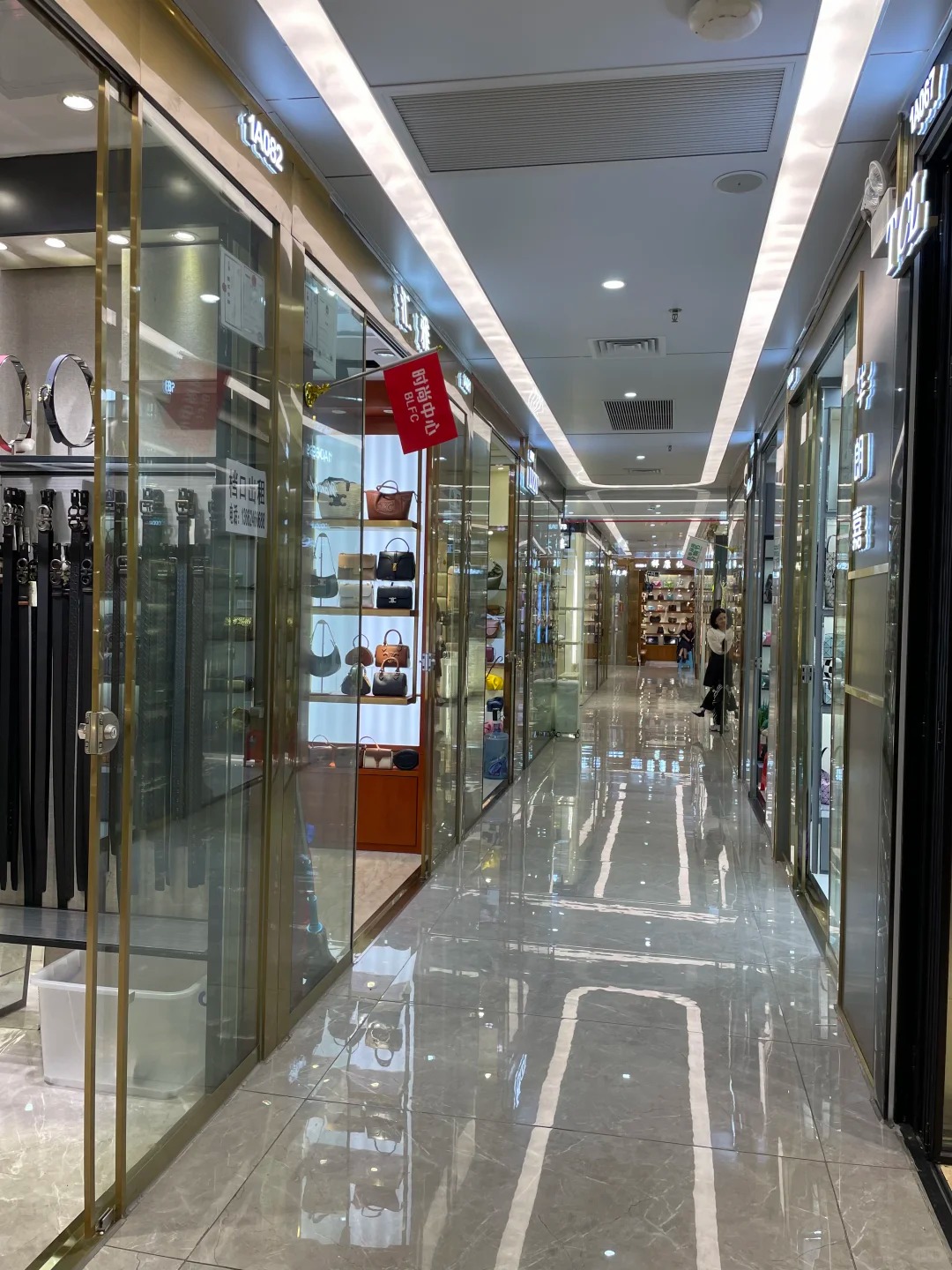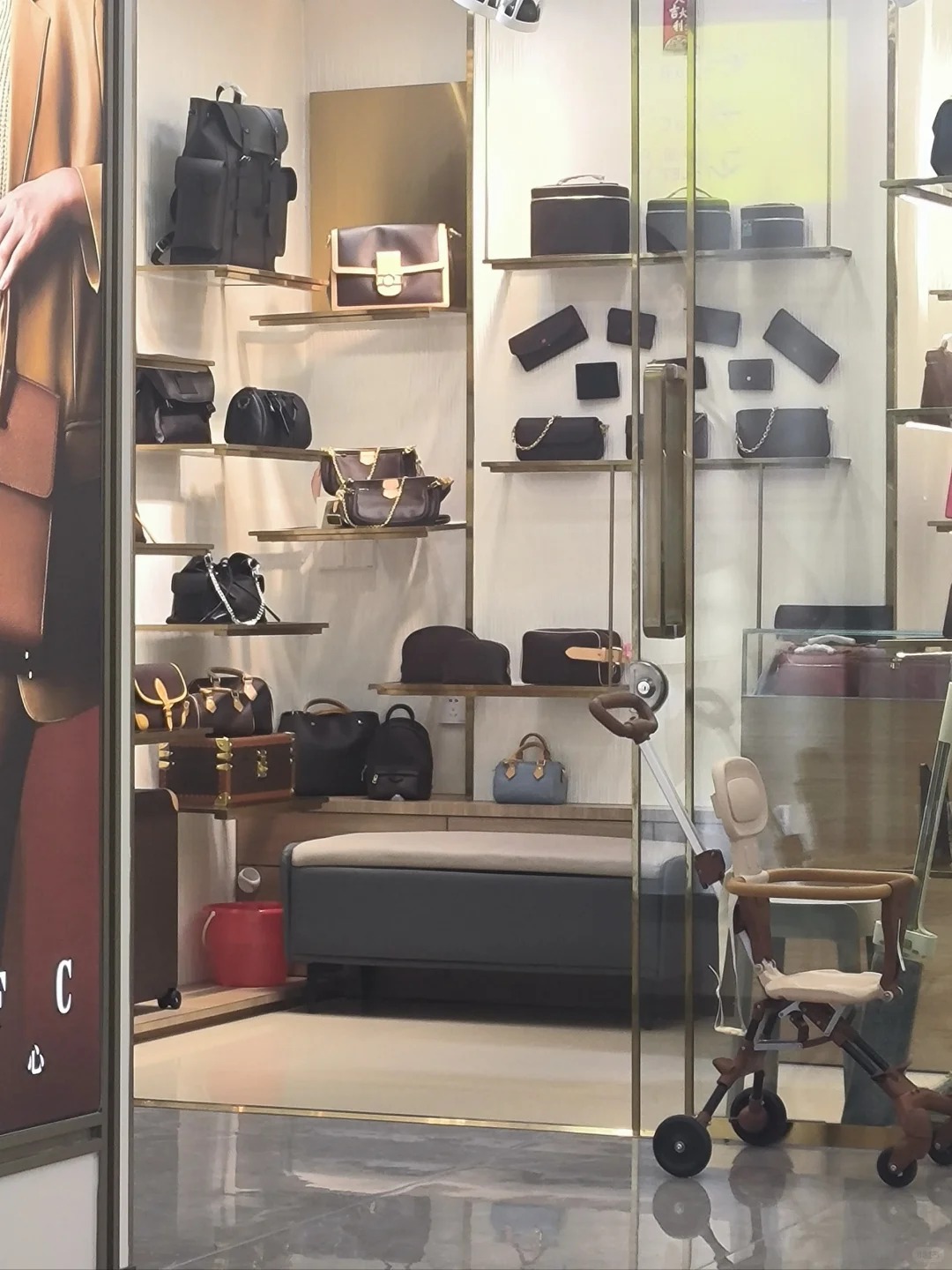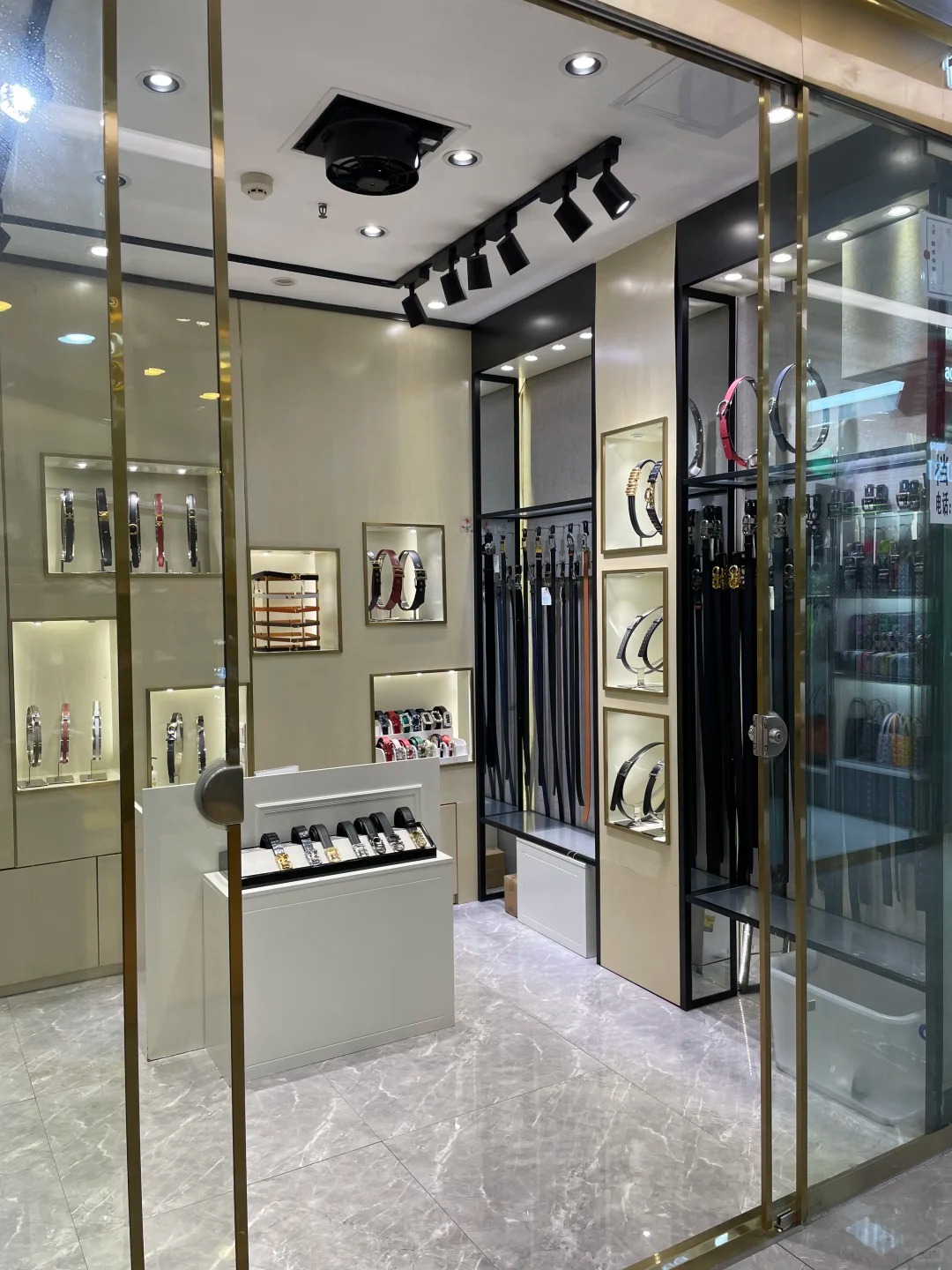

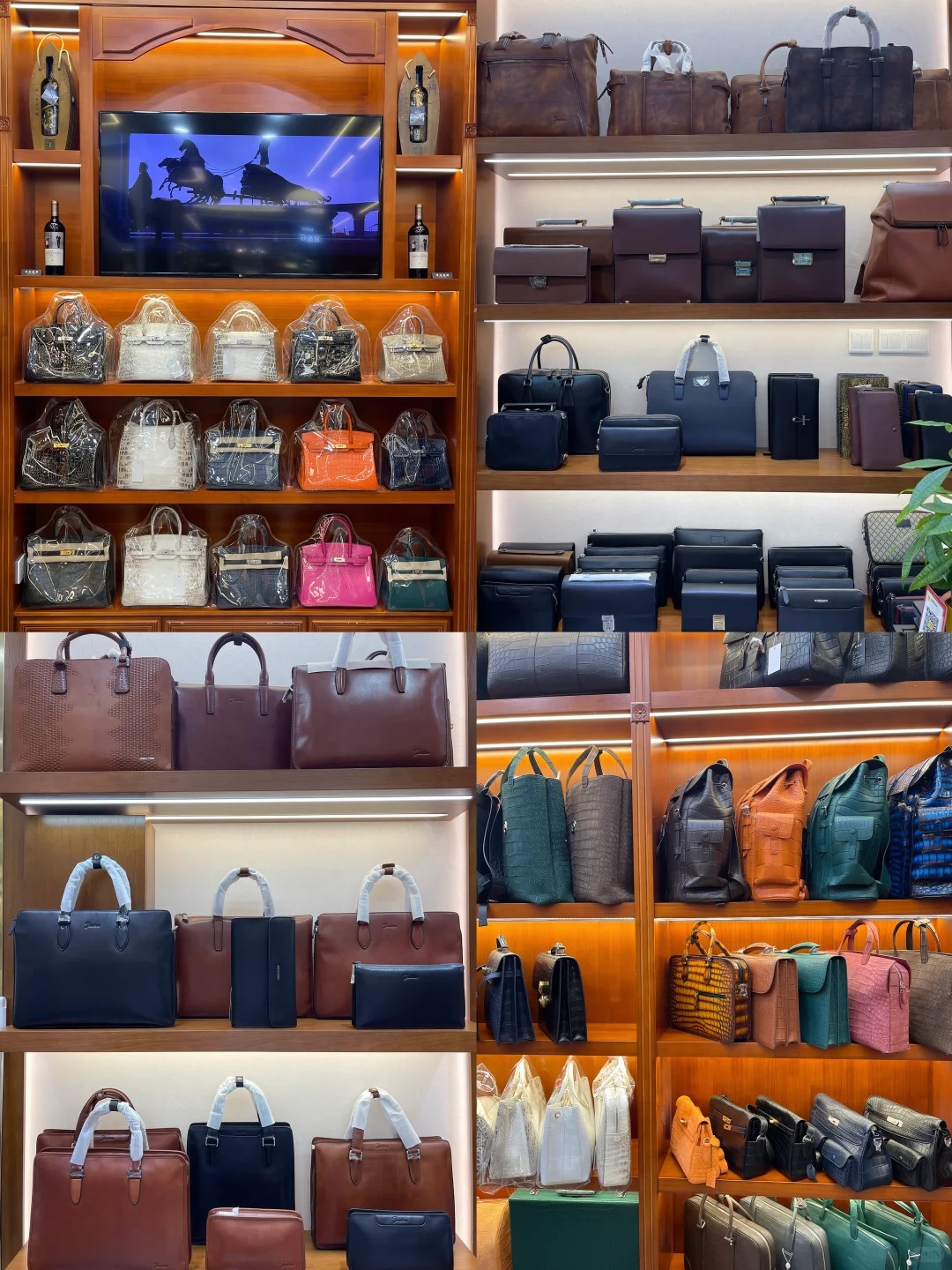
The easiest way to buy a part directly from China is to visit wholesale market stalls in major cities like Guangzhou, Yiwu, or Shenzhen. These markets offer one-stop sourcing for everything from electronic components to auto parts, often at prices 30-70% lower than retail. Start with a clear part specification, including photos and dimensions, to get accurate quotes.
Why Wholesale Market Stalls Are Your Best Bet
Wholesale markets aggregate hundreds of suppliers under one roof. You can physically inspect parts, compare prices, and negotiate on the spot. Unlike online platforms, you see the actual product quality—assess material finish, thread precision, and packaging. Most stalls focus on fast-moving commodities, so they stock popular parts in bulk. If they don’t have your exact part, ask for a referral to a neighboring stall that does.
How to Find the Right Stall for Your Part
For specific parts like automotive sensors or industrial machine spares, head to specialized market zones. For example, in Guangzhou, the Baiyun World Leather & Shoes Trade Center handles leather parts, while the Yiwu International Trade City covers hardware and electronics. Use this pro tip: arrive early (8 AM) when new stock arrives, and look for stalls with high turnover—indicated by busy workers and fresh inventory. Establish a rapport; many stall owners prefer repeat buyers and may offer better prices.
Negotiating and Ensuring Quality
Negotiation is expected. Start by asking for the wholesale price (pīfā jià) and then counter at 60-70% of that. For quality, check three things: material feel (e.g., softness for rubber parts), edge finish (no burrs), and alignment (mating surfaces flat). Most stalls allow you to test fit a sample. If you need a large quantity, ask for a price break at 50, 100, or 500 pieces. Payment is typically 30% deposit, balance on delivery, but stalls may take cash for small orders.
FAQs: Buying Parts from China Wholesale Markets
| Question | Answer |
|---|---|
| Can I buy just one part? | Yes, but expect a higher price. Stalls prefer bulk, but will sell singles if they have stock. Ask for a sample price. |
| How do I verify authenticity? | Look for packaging with holograms, batch numbers, and supplier seals. Ask for a certificate of authenticity if required. |
| What if I don’t speak Chinese? | Bring a translator app or hire an agent. Many markets have English-speaking staff, but not all. |
| Are there minimum order quantities? | Common for specialized parts. For common parts, you can buy as few as 5-10 pieces. |
| Can I return defective parts? | It depends. Test samples before bulk buying. Some stalls offer returns within 7 days. |
| How do I handle shipping? | Use logistics companies within the market. They consolidate orders and ship globally. Get quotes from 2-3 vendors. |
| What are typical payment methods? | Cash, Alipay, or bank transfer. Credit cards are rare. Western Union is an option but riskier. |
| Is it safe to buy counterfeit parts? | Stick to unbranded or generic parts. Avoid stalls offering famous brands at huge discounts—likely fake. Focus on quality and fit. |
Final Tips for First-Time Buyers
When you visit a wholesale market like those in Guangzhou, you’ll see stall after stall of parts. Take your time. Bring a notebook and camera (with permission). Get business cards from each stall. For a seamless experience, consider platforms like Soudangkou that list verified suppliers and stall locations. But nothing beats in-person inspection. Remember: the best quality parts come from stalls that take pride in their work—clean displays, organized stock, and knowledgeable staff. Start small, build trust, and soon you’ll be sourcing parts like a pro.
广州服装档口相关入口
继续查看相关市场和品类入口,方便对比档口微信、货源范围、拿货方向和试单前需要核实的信息。