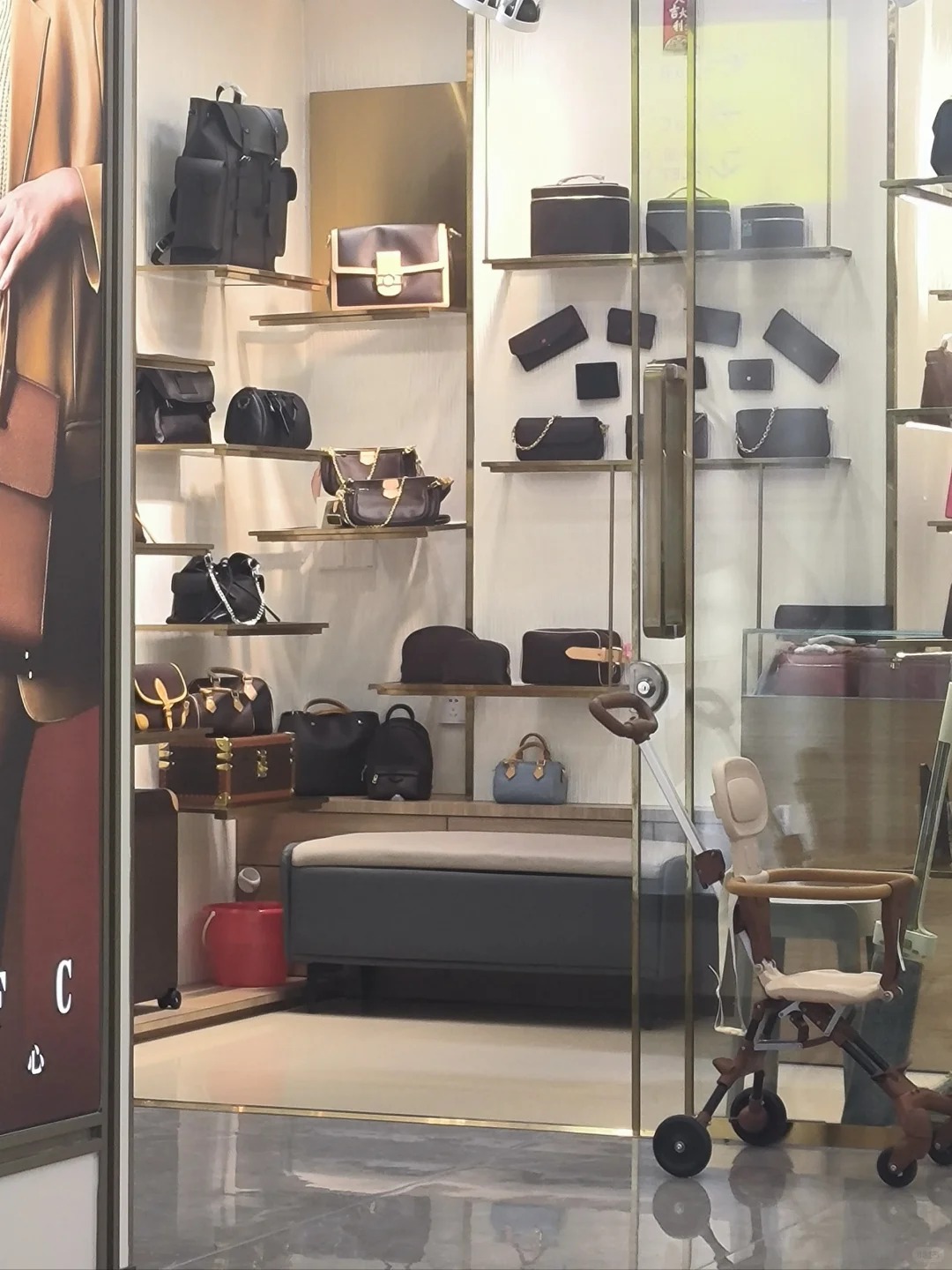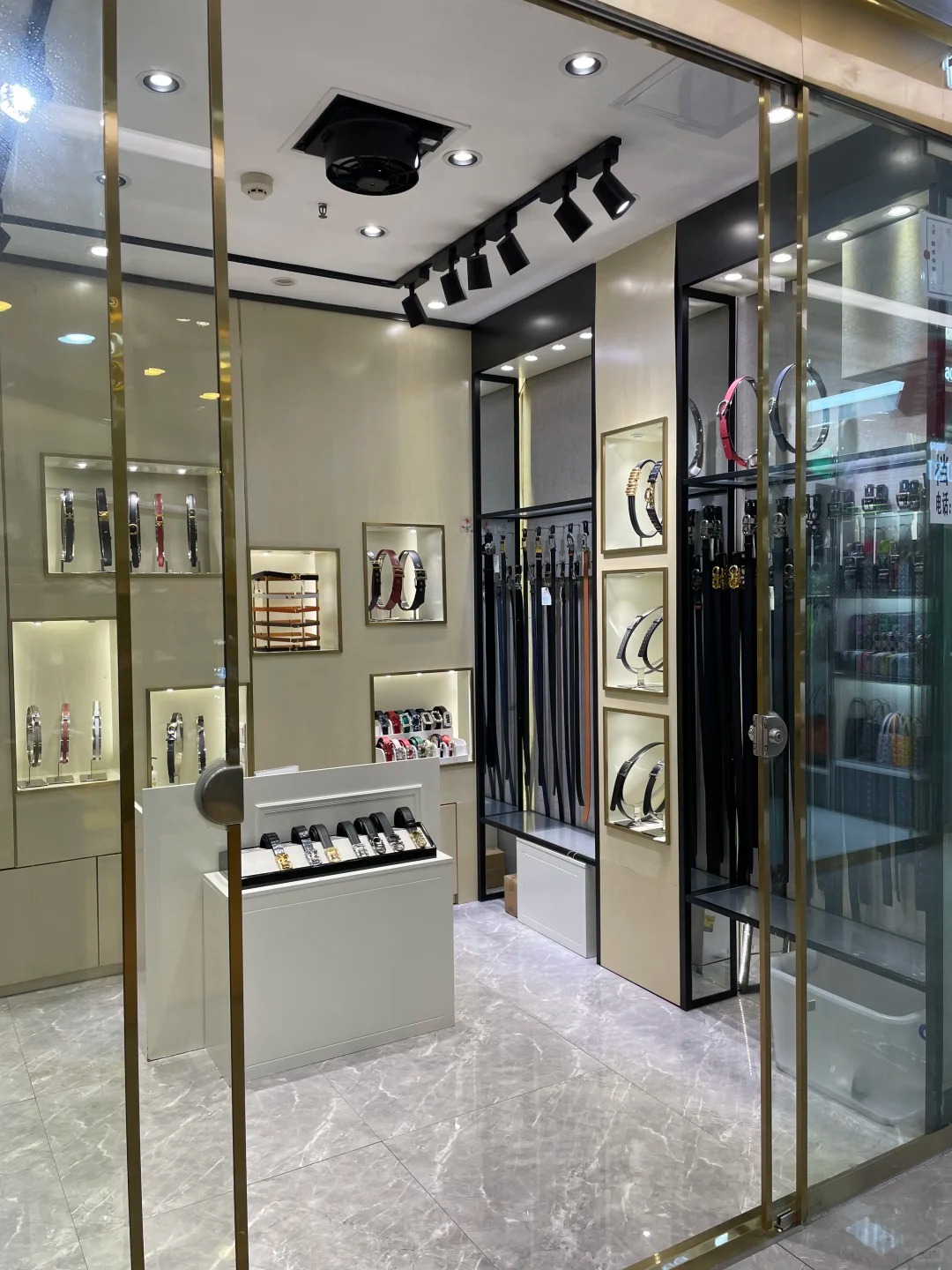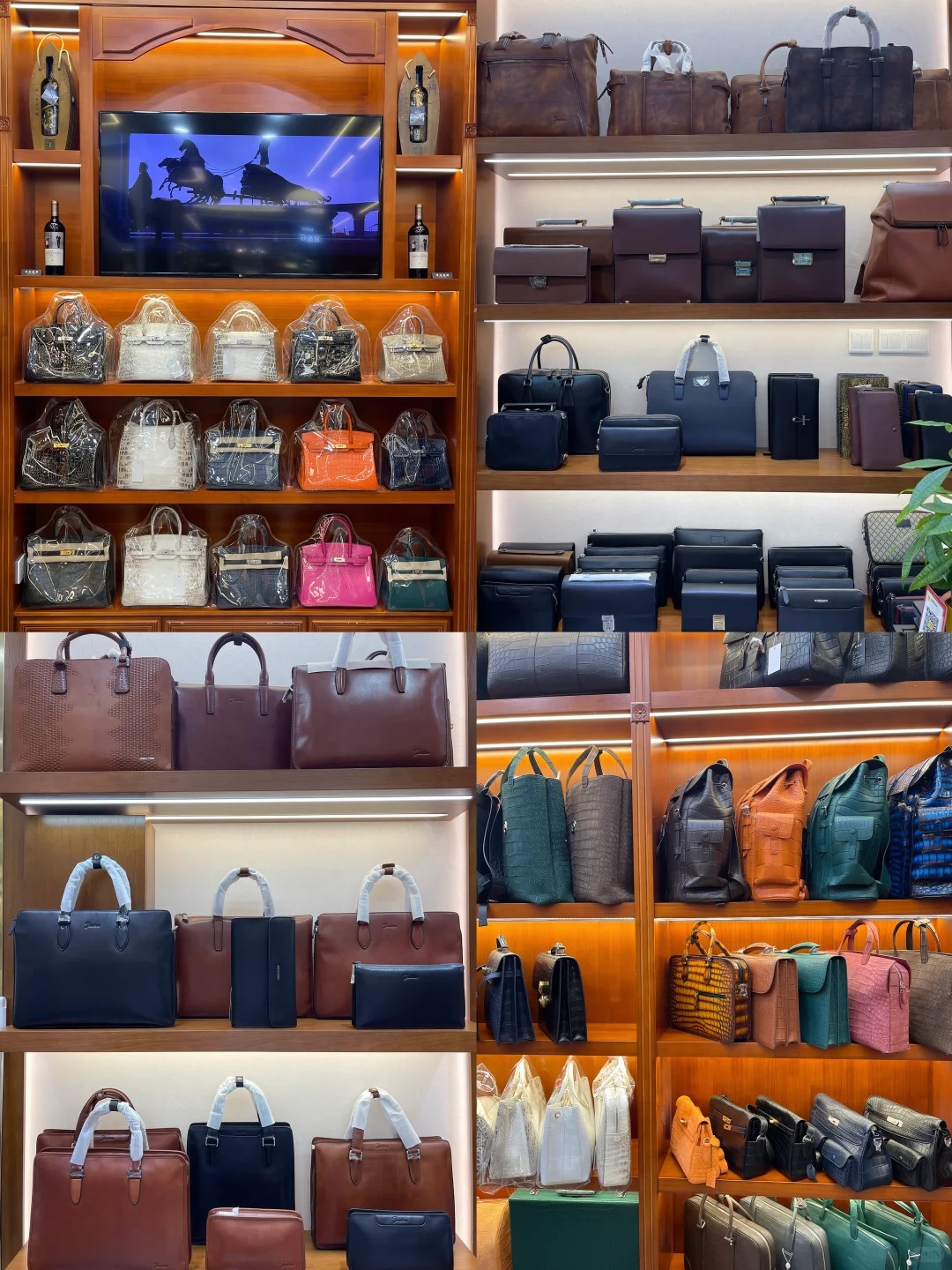
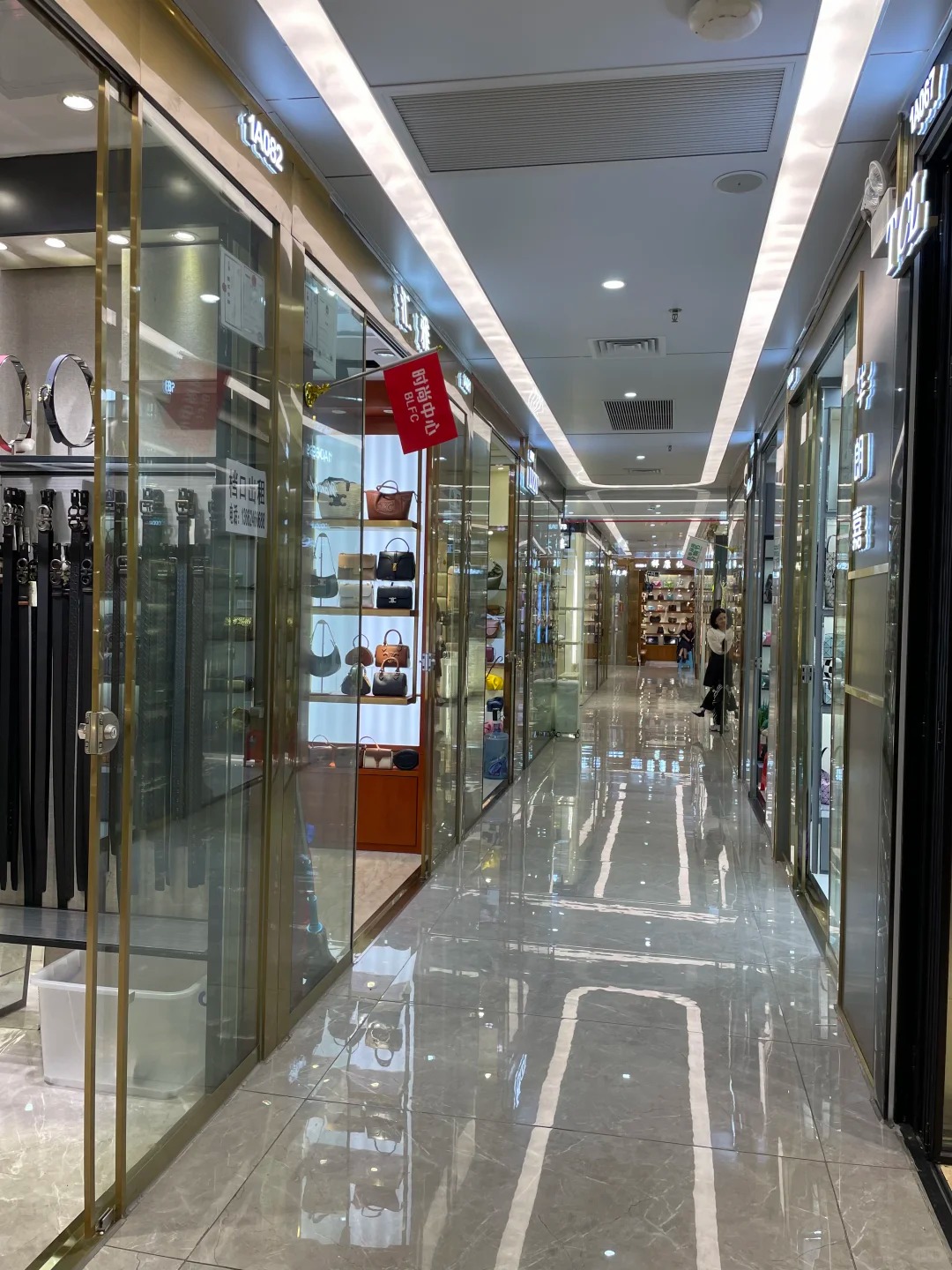
To import shoes from China successfully, you must start directly at the wholesale market stalls—like those in Guangzhou’s Jiefangbei or Chengdu’s Hehuachi. These stalls offer first-hand stock, no middlemen, and the best prices. If you want to check fabric texture and stitching work in person, this is the only way. Skip online listings that promise everything; real sourcing happens on the ground. The fastest route to reliable, high-margin imports is working face-to-face with stall owners who know their material quality inside out.
Why Wholesale Market Stalls Beat Online Sourcing
Most importers fall into the trap of using Alibaba or TradeIndia. But those platforms are flooded with middlemen who mark up prices 200-300%. At a proper wholesale market stall, you negotiate directly with the factory or their direct agent. You can touch the leather, examine the stitching, and even smell the glue—factors that determine whether a shoe will sell or sit in your warehouse.
Think about it: when you stand at a stall in Guangzhou, you can immediately spot poor quality—like loose threads or uneven soles. Online, you’d get photoshopped images. Market stalls allow you to build relationships, ask for samples instantly, and often get better payment terms (like 50% deposit, 50% on shipment).
Step-by-Step: How to Import Shoes from China via Market Stalls
1. Research the Right Markets
Guangzhou’s Jiefangbei Shoe City is the largest wholesale shoe market in Asia. Chengdu’s Hehuachi is famous for affordable fashion shoes. For athletic shoes, head to Jinjiang in Fujian. Each market specializes: always align your target segment (luxury, sports, casual) with the right market.
2. Stall Selection Criteria
Never buy from the first stall you see. Walk the entire market, compare at least 5 stalls per style. Look for:
- **Fabric texture**: genuine leather vs. synthetic should be clearly stated. Rub the material—cheap faux leather peels easily.
- **Stitching**: double-stitched seams, no loose threads, consistent stitch length (usually 4-5 stitches per cm for quality).
- **Sole construction**: bent the shoe. If the sole separates easily, it’s low-grade.
- **Odor**: strong chemical smell means cheap glues; good shoes have minimal or no odor.
3. Negotiate Like a Pro
Stall owners expect haggling. Start at 40-50% below their first quote. Use phrases like “I need MOQ of 100 pairs per style, what’s your best price?” They’ll often drop fast if you’re serious. Also, ask for sample pairs—most will sell at cost or even free for a large order.
4. Payment and Logistics
Never pay 100% upfront. Standard is 30% deposit, 70% after inspection before shipment. Use a verified agent or visit a third-party inspection company like SGS. When shipping, consider LCL (less than container load) for smaller orders; it’s cheaper. Always get the bill of lading directly from the freight forwarder.
Frequently Asked Questions
| Question | Answer |
|---|---|
| Can I import shoes without visiting China? | It’s risky. You can use agents like Soudangkou.com to source directly from markets, but nothing replaces in-person inspection. |
| How much do samples cost? | Usually $20-$50 per pair including shipping. Many stall owners refund sample cost upon bulk order. |
| What is the minimum order quantity (MOQ)? | For market stalls, MOQ is typically 100-300 pairs per style. Less than that, you’ll pay higher per unit. |
| How do I avoid counterfeits? | Go to legitimate wholesale markets; avoid back-alley stalls. Check for trademark licenses if required. Soudangkou.com lists verified vendors. |
| What are typical lead times? | Production takes 15-30 days, plus 10-15 days for shipping. Order before peak seasons (Chinese New Year, summer). |
| Which payment methods are safe? | T/T (wire transfer) is standard. Use letter of credit (L/C) for large orders. Never use Western Union. |
| How to handle quality issues? | Include a clause in the contract: “If defect rate >5%, the seller must replace or refund.” Get a pre-shipment inspection report. |
Common Mistakes Importers Make
The biggest mistake is chasing the cheapest price. Cheap shoes often have poor glue, flimsy soles, or toxic materials that fail customs inspection. Instead, focus on value: a $10 pair that falls apart is worse than a $15 pair that lasts. Another mistake is not verifying the stall’s background. Ask for business licenses or visit their factory if possible.
Also, don’t ignore the stitching. Good stitching is consistent, tight, and double-stitched on stress points. Run your finger along the seams—if you feel rough edges or see thread ends, the quality is low.
Leverage Digital Tools to Augment Your Visit
While you should visit markets physically, use platforms like Soudangkou.com to compare vendors beforehand. They list real stall photos and contact info, so you can pre-screen and save time. But always verify the actual product texture and stitching when you arrive.
Final Checklist for Importing Shoes from China
- Visit wholesale market stalls in person
- Check fabric, stitching, and sole quality
- Negotiate price and payment terms
- Order samples first
- Use a third-party inspection service
- Arrange shipping with a reliable forwarder
By following these steps, you can import shoes from China profitably and avoid common pitfalls. Focus on quality, build relationships with stall owners, and always inspect before you pay.
广州服装档口相关入口
继续查看相关市场和品类入口,方便对比档口微信、货源范围、拿货方向和试单前需要核实的信息。