
If you want to sell shoes in China, your quickest path is to partner with wholesale market stalls that offer first-hand stock, not factory-direct. Focus on evaluating fabric feel and stitching tightness to ensure your supply beats local competition. This guide walks you through real tactics used by successful foreign traders.
Why Wholesale Market Stalls Work Best
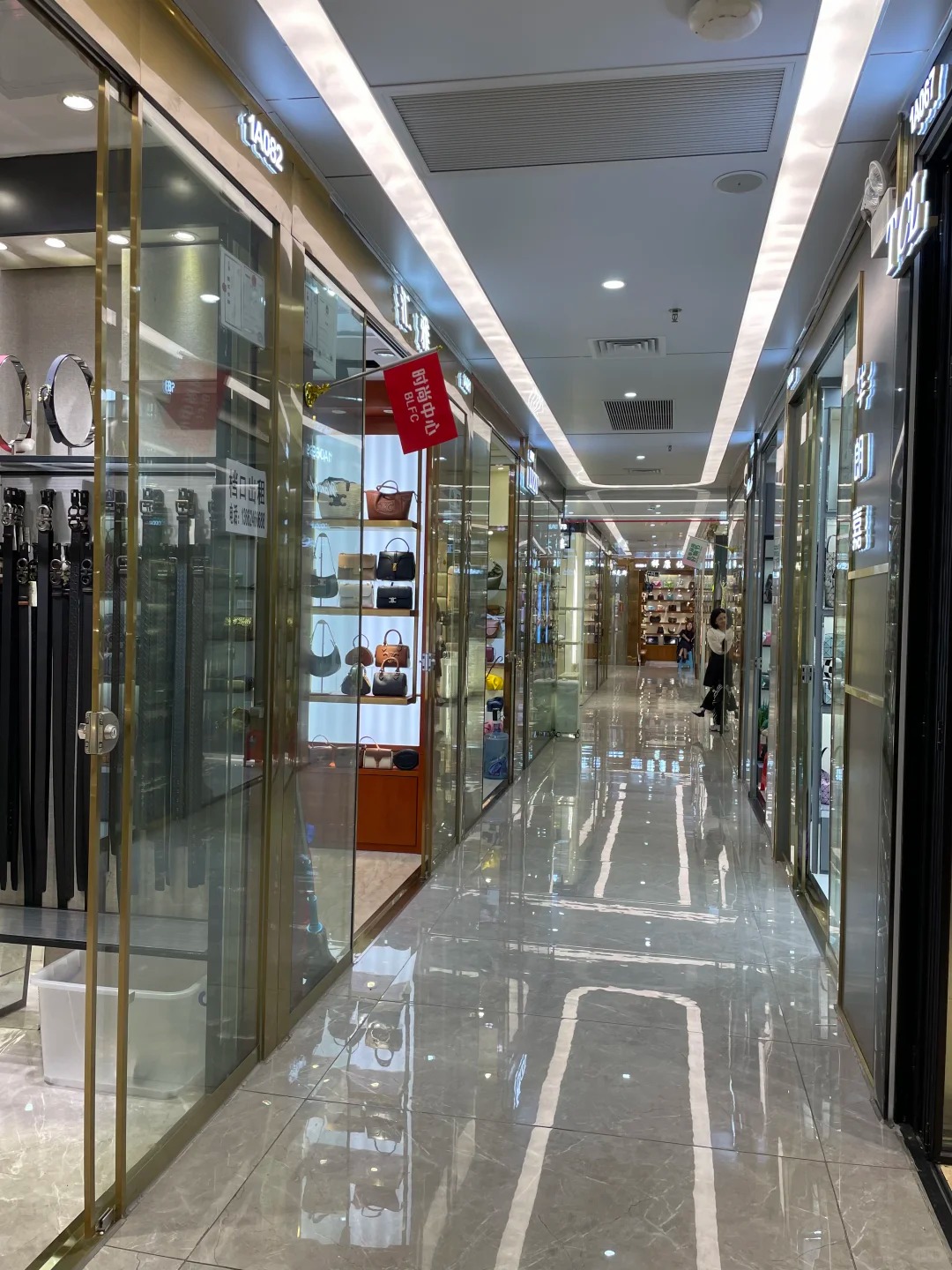
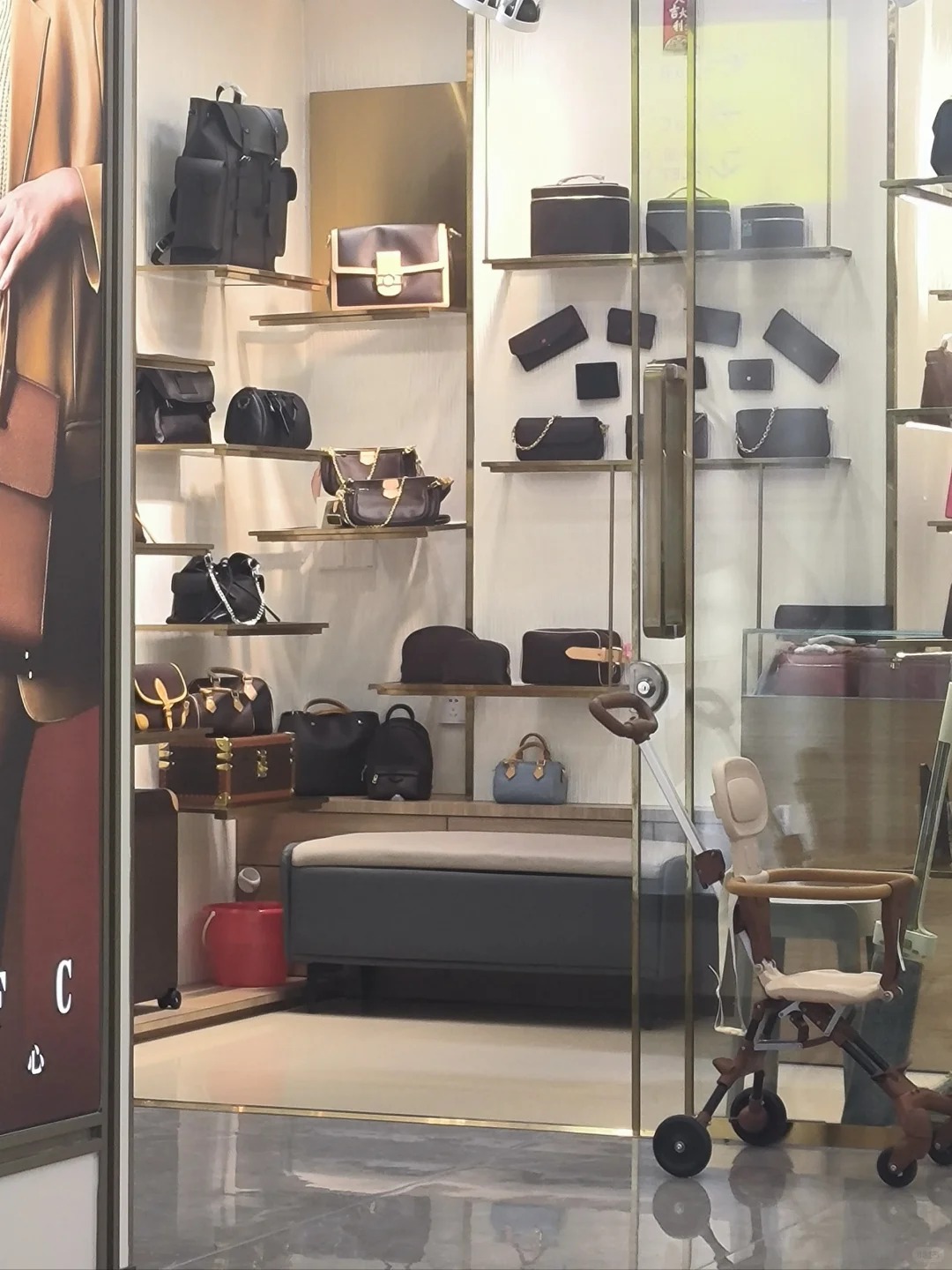
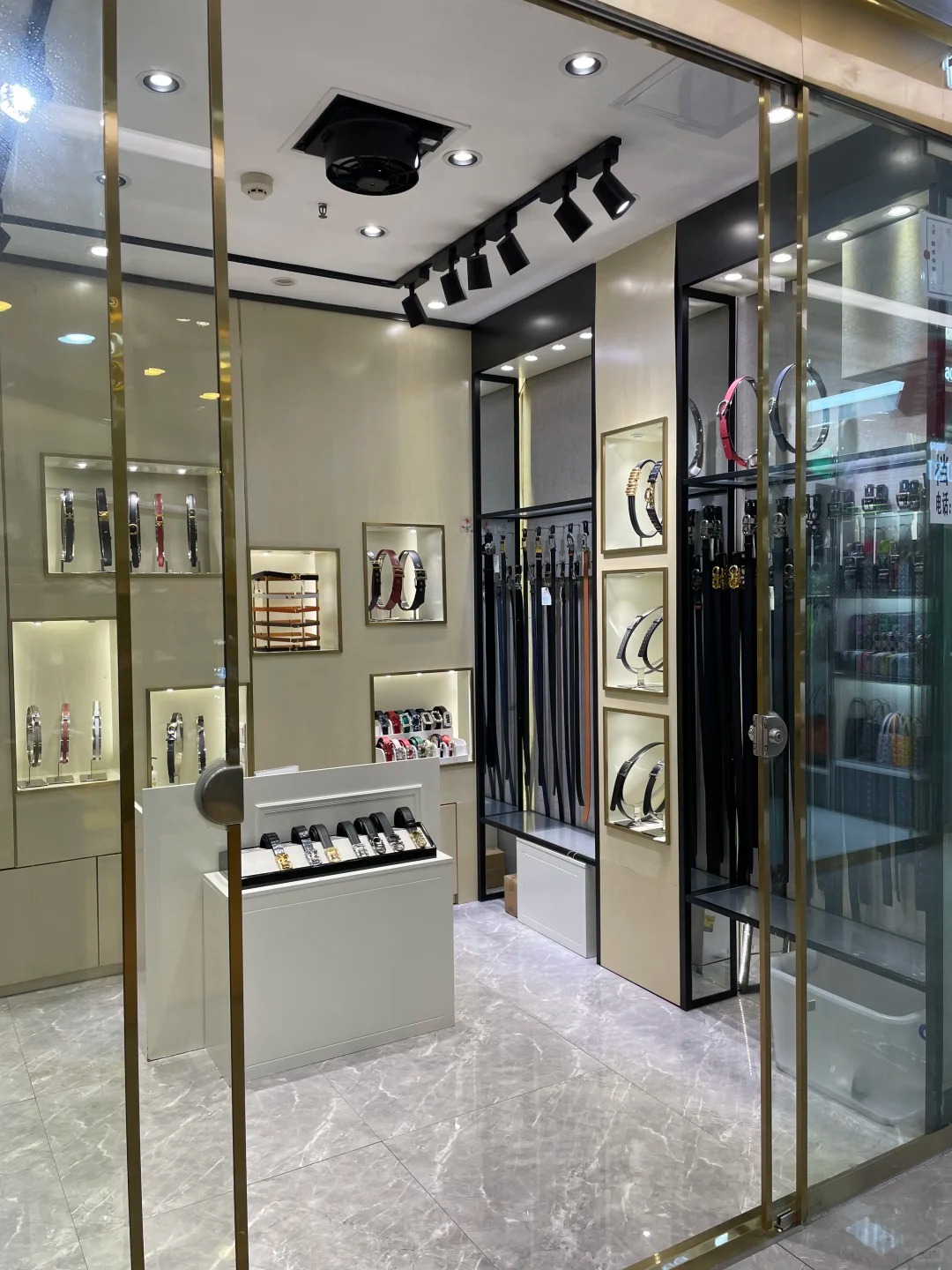
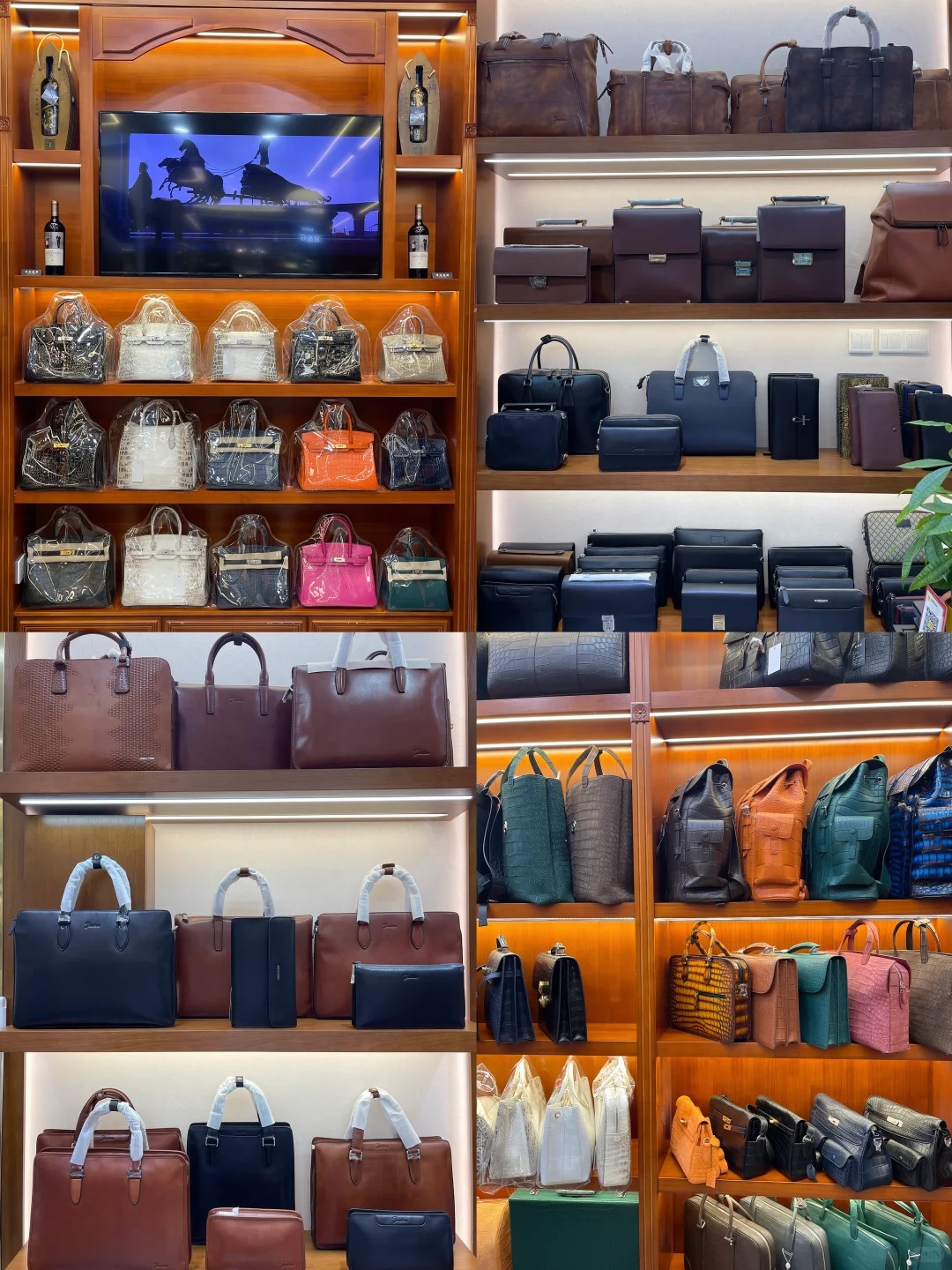
Forget complicated factory visits. China’s wholesale markets—like those in Guangzhou and Chengdu—are packed with stalls that specialize in ready-to-ship shoes. These stalls buy in bulk from factories and sell to you in smaller lots, often with no minimum order quantity (MOQ). You can touch the materials, check the stitching, and ask about stock levels on the spot.
Key Advantages of Stall Sourcing
- Immediate stock: No waiting for production runs. Most stalls carry hundreds of pairs in standard sizes.
- Quality inspection: Run your fingers over the fabric—look for even threads and soft but sturdy linings. Stalls that let you cut a sample are trustworthy.
- Negotiation power: Stall owners expect haggling. Aim for 10-20% off the listed price if you buy 50+ pairs.
How to Judge Shoe Quality at a Stall
Stall owners will hand you the best samples. Don’t fall for that. Pick a random pair from the back of the shelf. Check three things: 1) the seam where the upper meets the sole—if it’s glued, press hard; it shouldn’t separate. 2) The insole—remove it; the stitching underneath should be tight and straight. 3) The fabric—synthetic leather should feel supple, not plasticky. For athletic shoes, insist on rubber outsoles with visible traction patterns.
Selling Channels You Must Know
Once you have your stock, focus on two platforms: WeChat for private sales (great for testing styles) and Pinduoduo for low-price volume. Avoid Listing on Tmall unless you have a registered brand—it’s too strict. Many foreign sellers actually use Soudangkou to find reliable stall suppliers who speak basic English and can ship samples fast.
FAQ: Quick Answers for New Sellers
| Question | Answer |
|---|---|
| Can I sell shoes without a business license in China? | For online sales on smaller platforms, yes. But for wholesale, you’ll need a Chinese partner or a WFOE if sales exceed ¥500k/year. |
| What shoe styles sell best in China? | Trendy sneakers (white low-tops), women’s comfort flats, and children’s LED sneakers are hot year-round. |
| How do I handle returns? | Stalls rarely accept returns on bulk orders. Instead, ask for a 5% discount to cover defective pairs. |
| What’s the typical markup from stall to retail? | You can easily double the wholesale price. Example: a ¥40 pair from a stall sells for ¥80-100 on WeChat. |
| Should I focus on one shoe category? | Yes. Specializing in women’s casual shoes builds trust faster than mixing boots, sandals, and heels. |
Pricing Strategy: From Stall to Consumer
Your cost from a stall might be ¥30-60 per pair. Include a 30% margin for shipping (usually ¥5-10 per pair domestically), platform fees (0-5% on Pinduoduo), and a 10% risk buffer for unsold stock. A safe retail price is 2.2x your landing cost. So a ¥35 shoe could sell for ¥77, which is competitive.
Final Advice: Build Relationships
Shoe selling in China is about trust. Visit one market three times before you buy big. Ask the same stall for their best price on 100 pairs. If they remember your face and offer a loyalty discount, you’ve found a goldmine. Markets like Soudangkou list verified stalls, but nothing beats smelling the leather yourself. Start small, inspect each batch, and watch your network grow.
广州服装档口相关入口
继续查看相关市场和品类入口,方便对比档口微信、货源范围、拿货方向和试单前需要核实的信息。