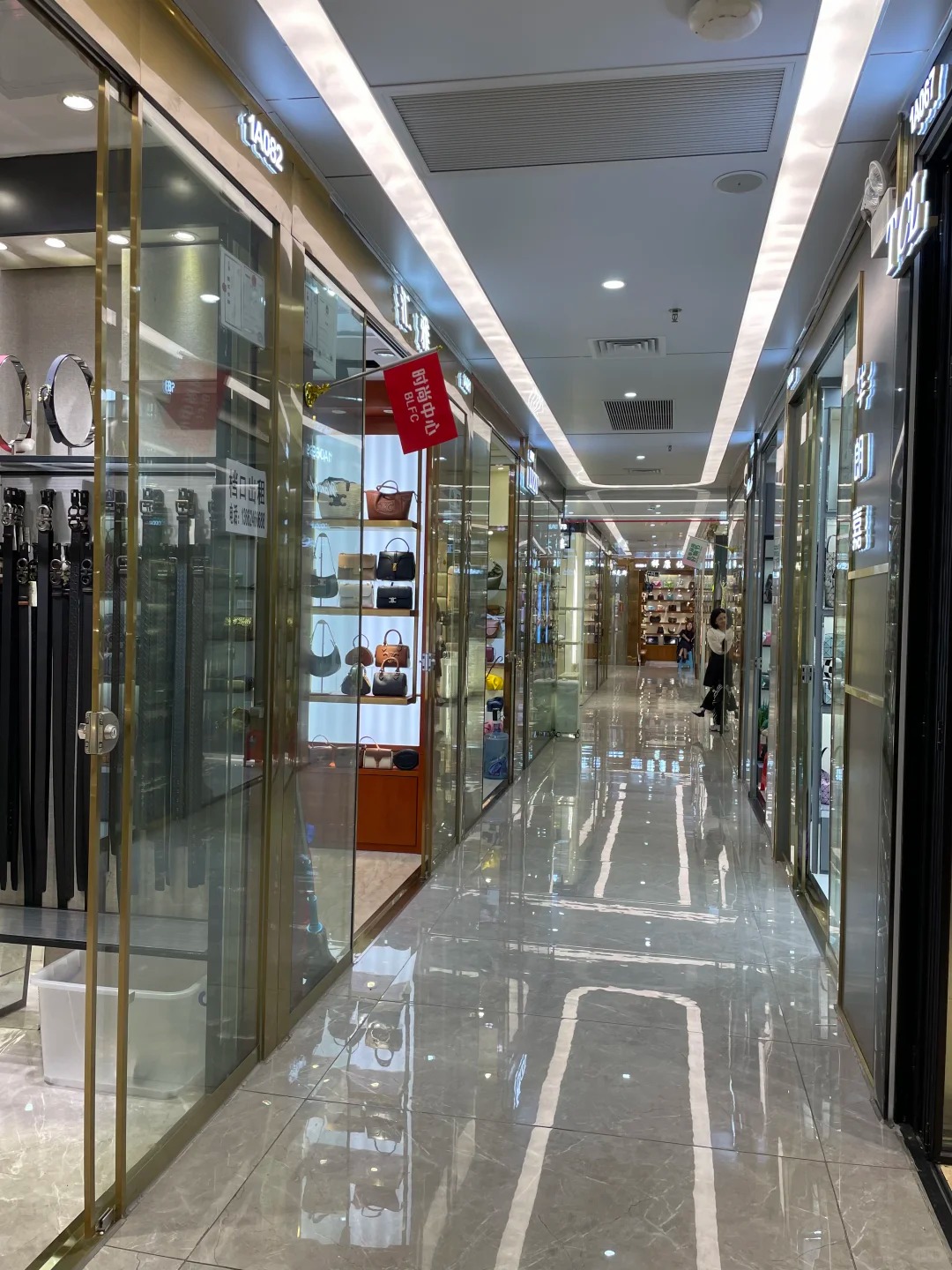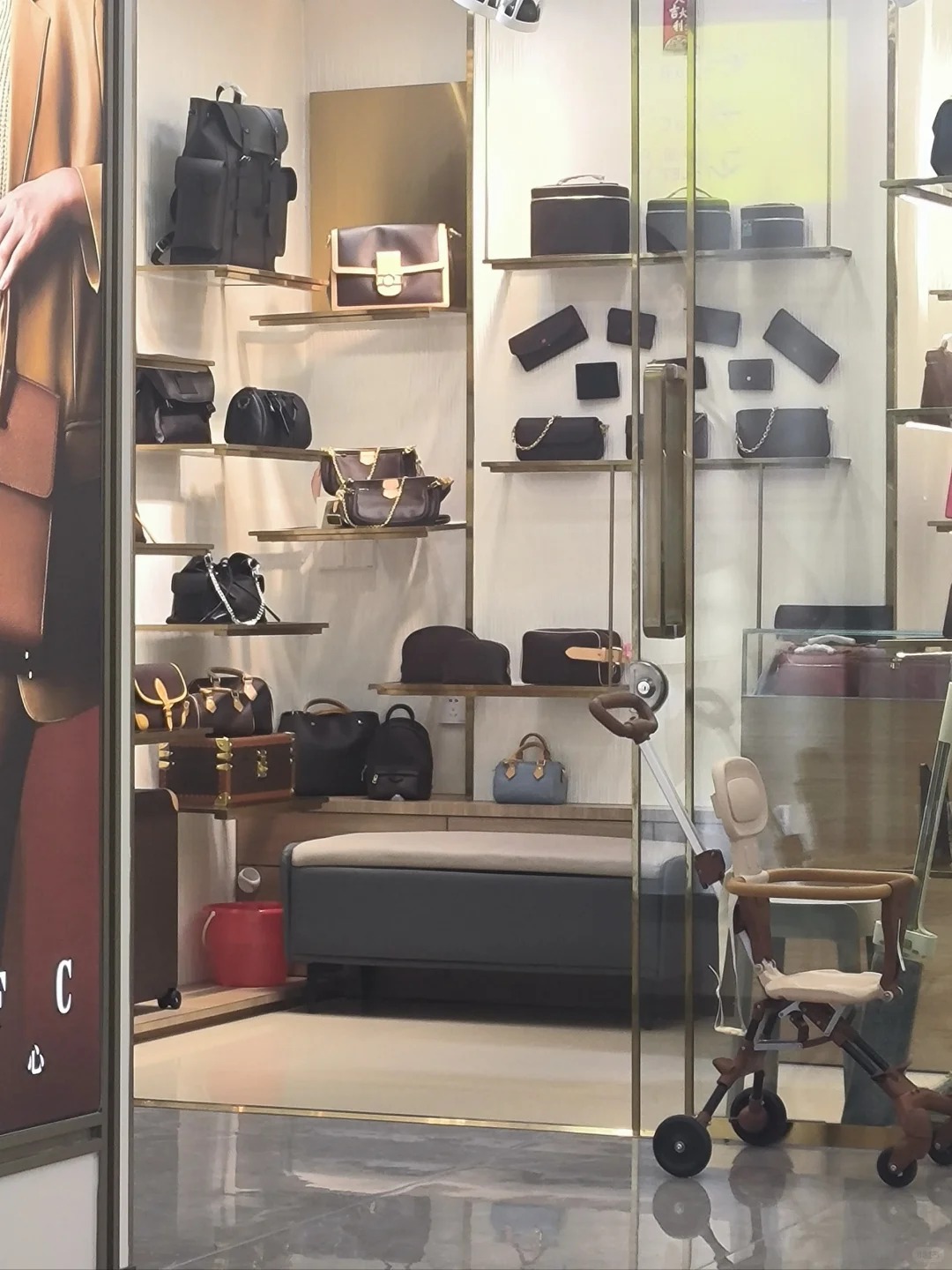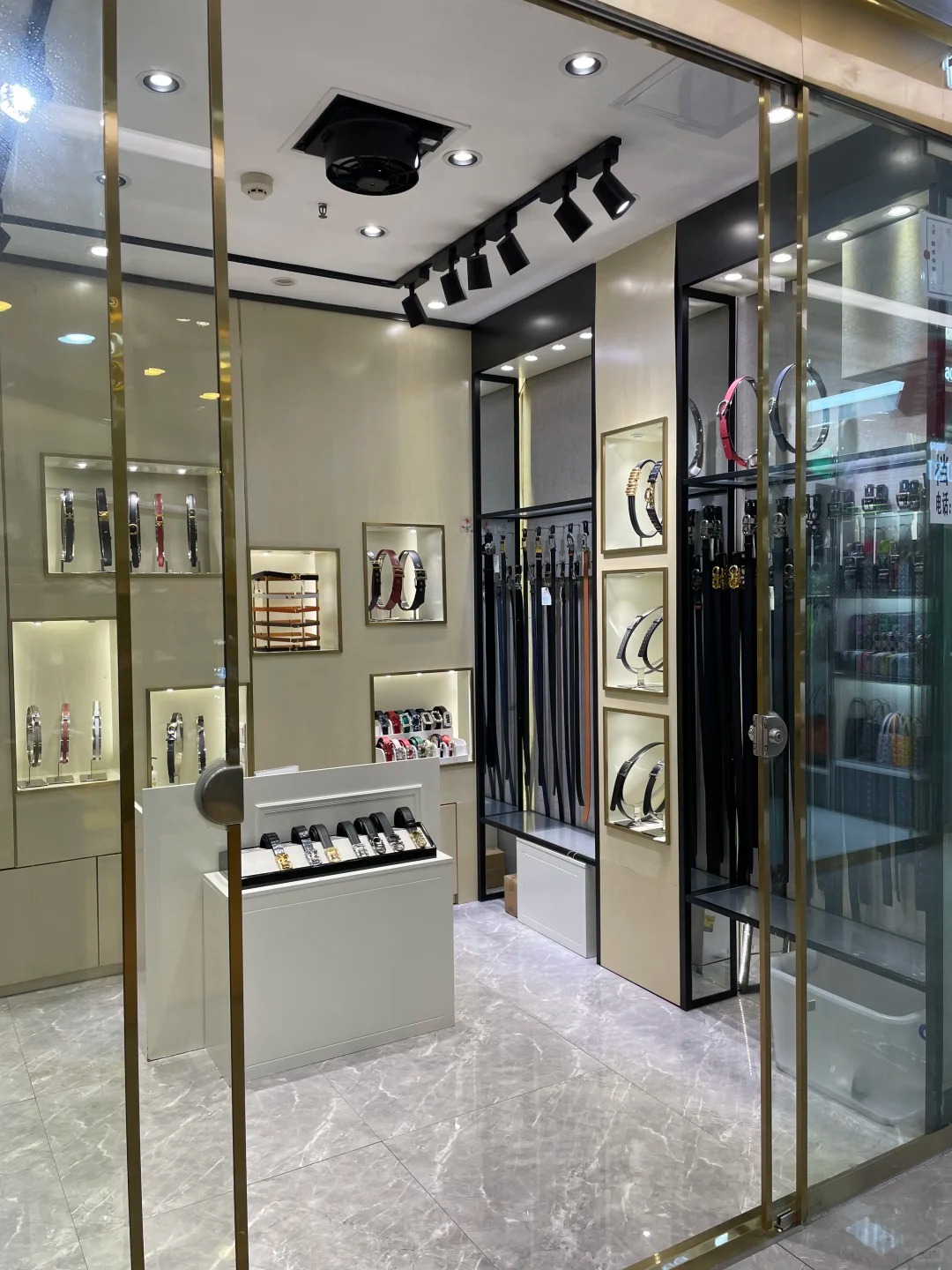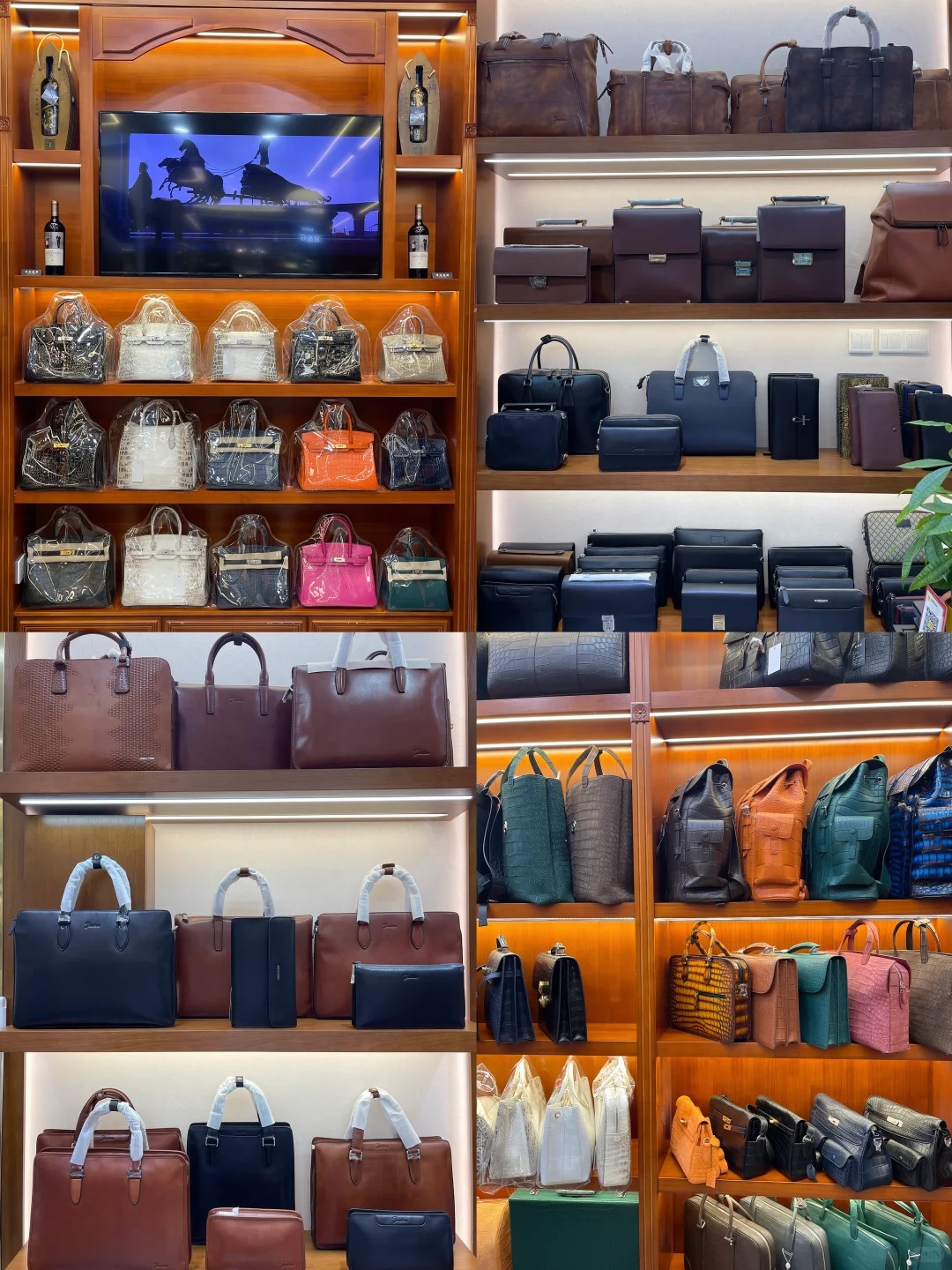

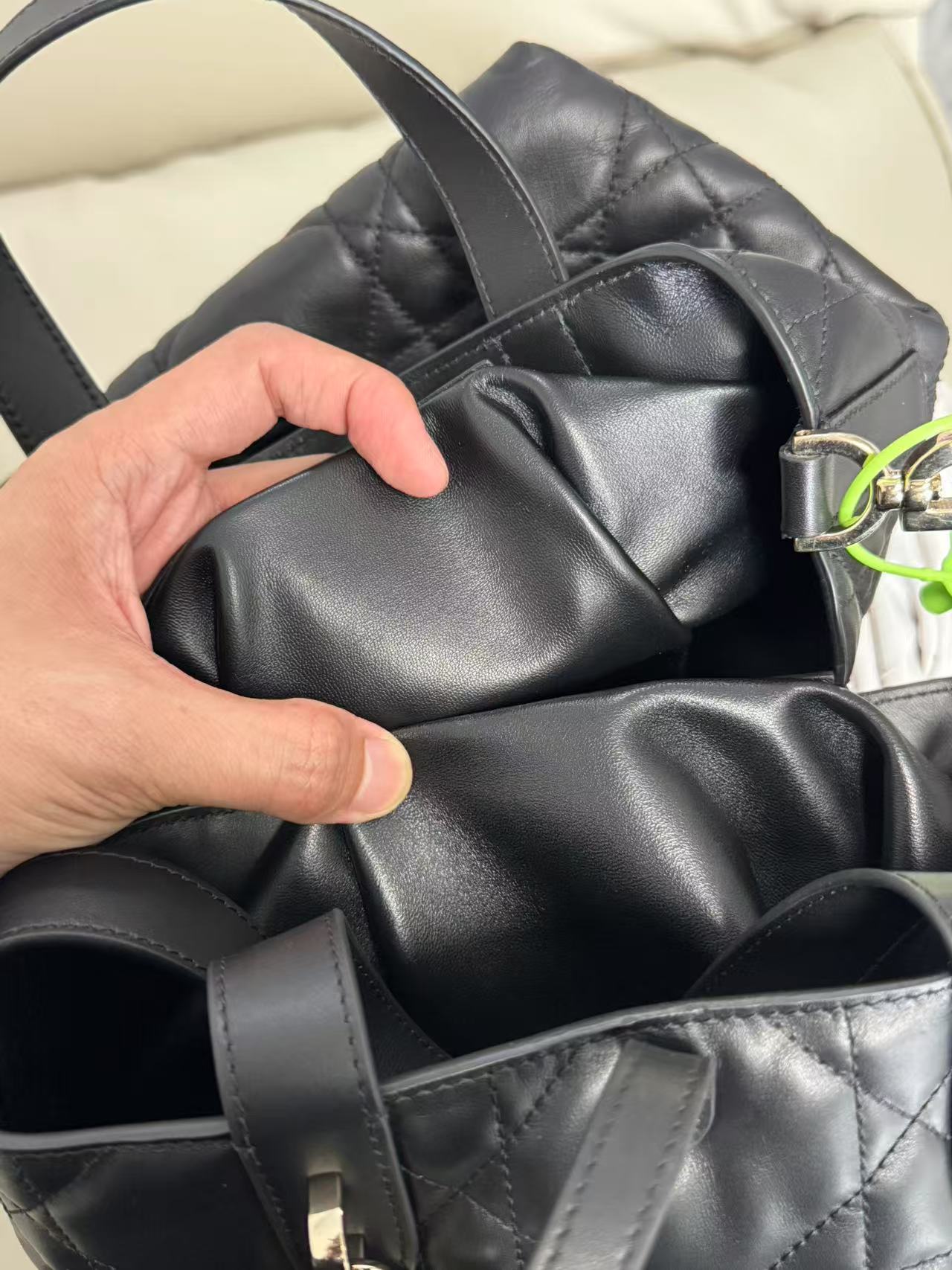
Selling shoes overseas from China starts with tapping into wholesale markets like Chengdu Hehuachi or Guangzhou’s footwear hubs. As a market stall operator, you need to know which stalls offer the best quality at competitive prices. The key is to source from stalls that specialize in in-stock goods—ready-to-ship inventory—rather than custom orders. This approach minimizes lead times and lets you test products quickly.
Why Soudangkou Market Stalls Are Ideal for Exporters
Markets like Soudangkou (soudangkou.com) are packed with hundreds of shoe stalls, each with unique strengths. You can find everything from casual sneakers to formal leather shoes. The advantage? You can physically inspect the quality—check the leather grain, examine stitching, and test sole flexibility—before committing to bulk orders. Many stalls offer private labeling, allowing you to brand the shoes as your own.
Key Questions to Ask Suppliers
When you approach a stall, ask these questions to vet the supplier:
- What’s the MOQ? (Minimum order quantity) – Look for low MOQs, even as low as 10 pairs, to test the market.
- Are they in stock? – Insist on immediate availability to avoid long waits.
- Can they provide samples? – Sample quality should match bulk orders.
- What materials are used? – Full-grain leather, PU, or canvas? Each affects durability and price.
- Inspection process? – Do they check for defects before packing?
Quality Checks You Must Do at the Stall
Never rely solely on photos. Use your hands:
- Leather feel: Full-grain feels slightly rough, while corrected grain is smooth.
- Stitching: Look for tight, even stitches without loose threads. A good rule: 6-8 stitches per inch.
- Insole comfort: Press the insole—should have some cushioning, not rock-hard.
- Outsole grip: Check tread depth and material (rubber vs. EVA).
FAQ: Common Questions About Selling Shoes Overseas from China
| Question | Answer |
|---|---|
| What’s the best way to find reliable shoe suppliers in China? | Visit wholesale markets like Soudangkou or Guangzhou’s Xinhua Market. Build relationships with stall owners who have a track record of exporting. |
| How can I ensure I’m getting quality shoes? | Inspect materials and workmanship in person. Request samples and check stitching, leather quality, and sole flexibility. Use a third-party inspection service for bulk orders. |
| What payment terms do Chinese shoe suppliers expect? | Common terms are 30% deposit and 70% before shipment. However, small stalls may accept cash or T/T. Negotiate for net payment after inspection if you have a good relationship. |
| Can I customize shoes with my own brand? | Yes, many stalls offer OEM services. They can add your logo, change colors, or modify designs. Minimum order for customization is usually higher, around 50 pairs. |
| What shipping options are available? | Most suppliers can arrange sea, air, or express shipping. For small orders, use consolidated shipping via a freight forwarder. Costs depend on volume and destination. |
| How do I handle import duties and customs? | Work with a customs broker or freight forwarder who can handle paperwork. Research your country’s tariff codes for footwear. Some products may have anti-dumping duties. |
| What shoe styles sell best overseas? | Trendy casual sneakers, formal men’s shoes, and women’s fashion boots are popular. Attend trade shows or check global fashion weeks for predictions. |
Finally, don’t forget to leverage online directories and platforms like Alibaba, but nothing beats the on-the-ground experience in China’s wholesale markets. There, you can touch, feel, and negotiate face-to-face.
广州服装档口相关入口
继续查看相关市场和品类入口,方便对比档口微信、货源范围、拿货方向和试单前需要核实的信息。