How to Start Your Shoe Brand with China OEM: The Wholesale Market Way
The fastest way to launch your shoe brand is to skip complex custom development and buy ready stock from China’s wholesale market stalls. These stalls carry thousands of proven shoe styles that are already selling globally. Work directly with OEM suppliers who have existing production lines—this lets you test the market with minimal risk. Here’s the exact blueprint, from a seasoned market insider.
1. Find the Right Wholesale Market
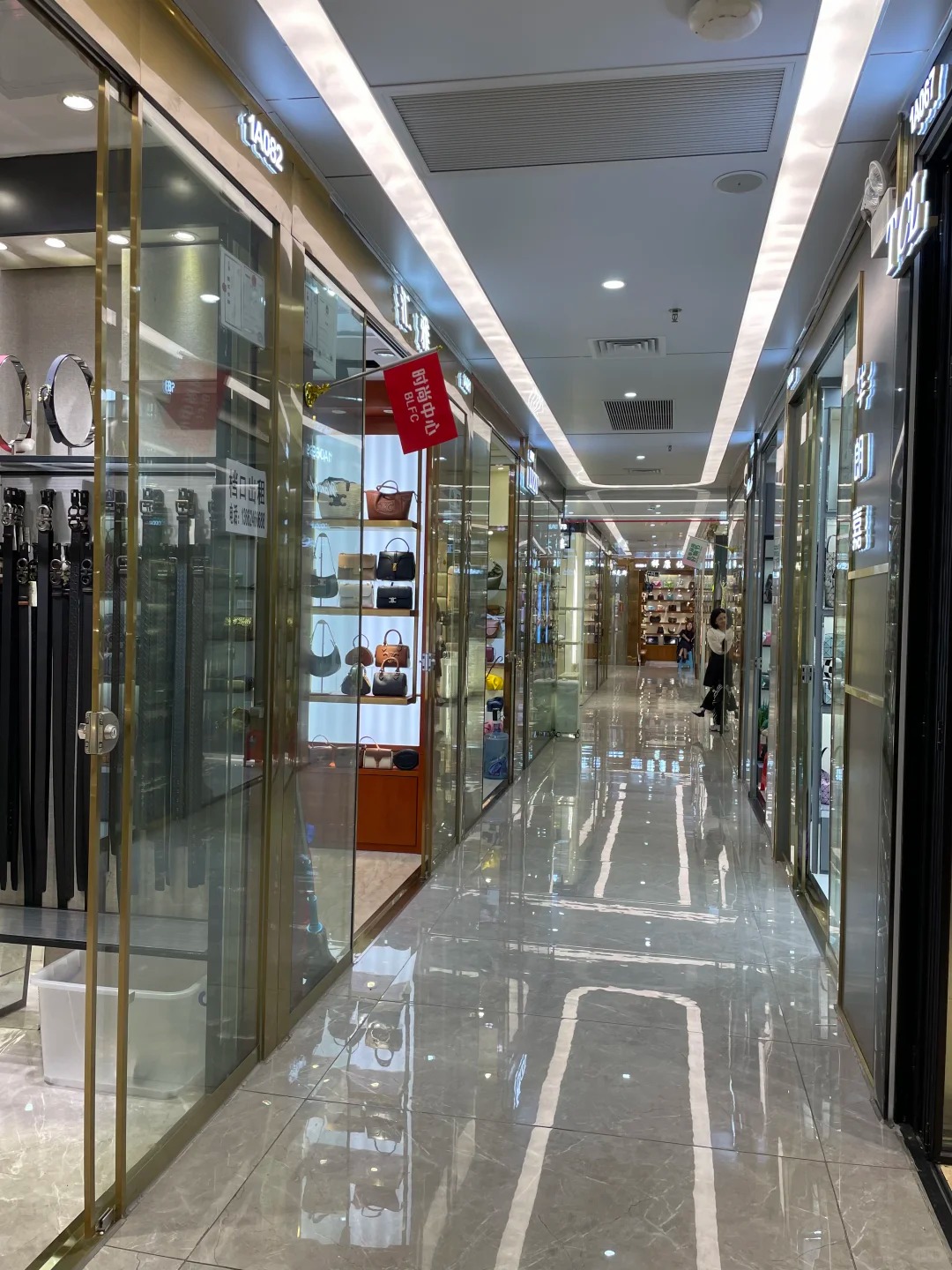
China’s shoe manufacturing hubs have dedicated wholesale districts. For sneakers and casual shoes, head to Guangzhou’s Zhanxi Road or the Baima Market. For leather shoes, Chengdu or Wenzhou are better. These markets are packed with OEM stalls that sell to both domestic and international brands.
2. Master the “Stock Spot” Game
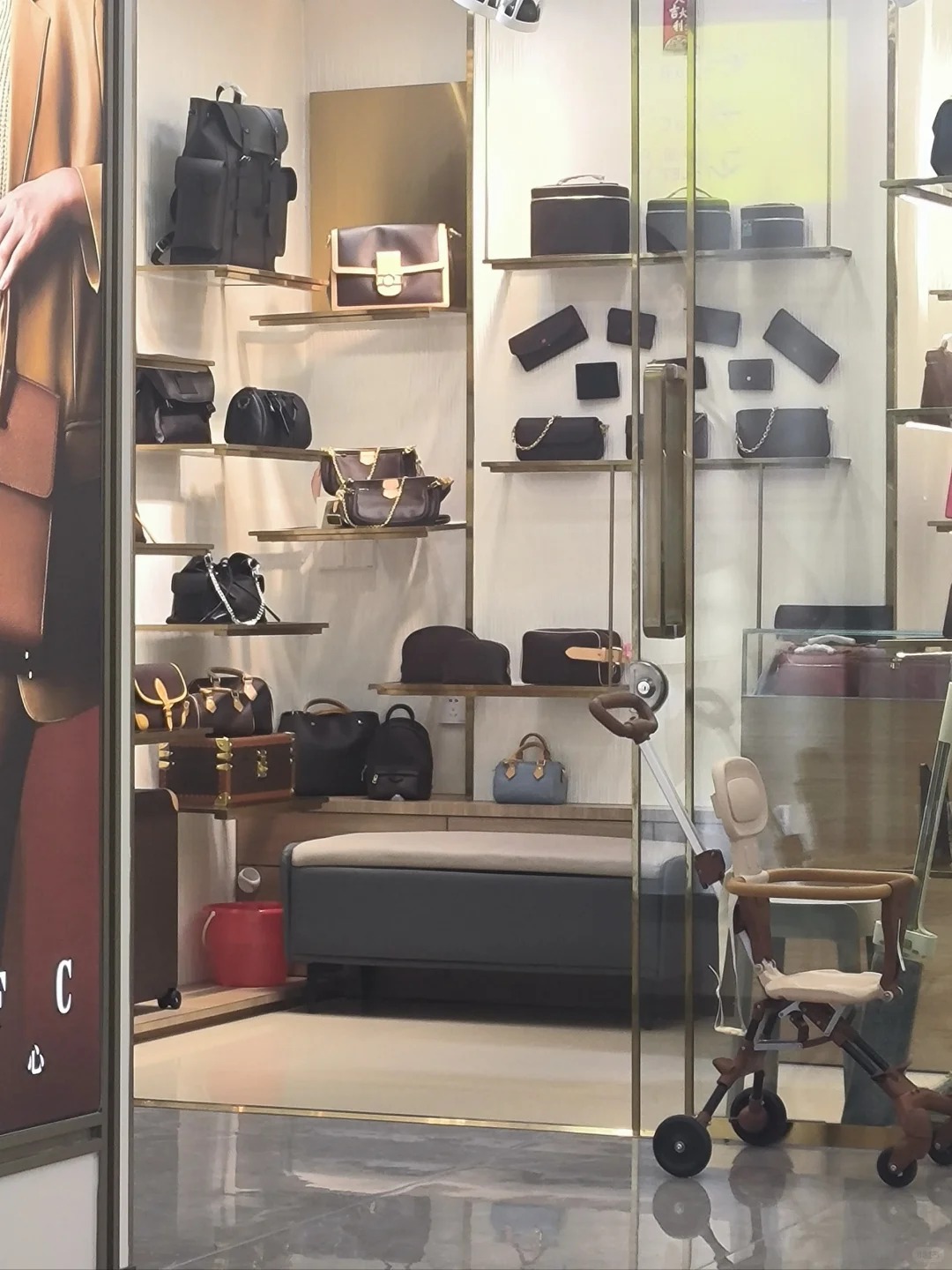
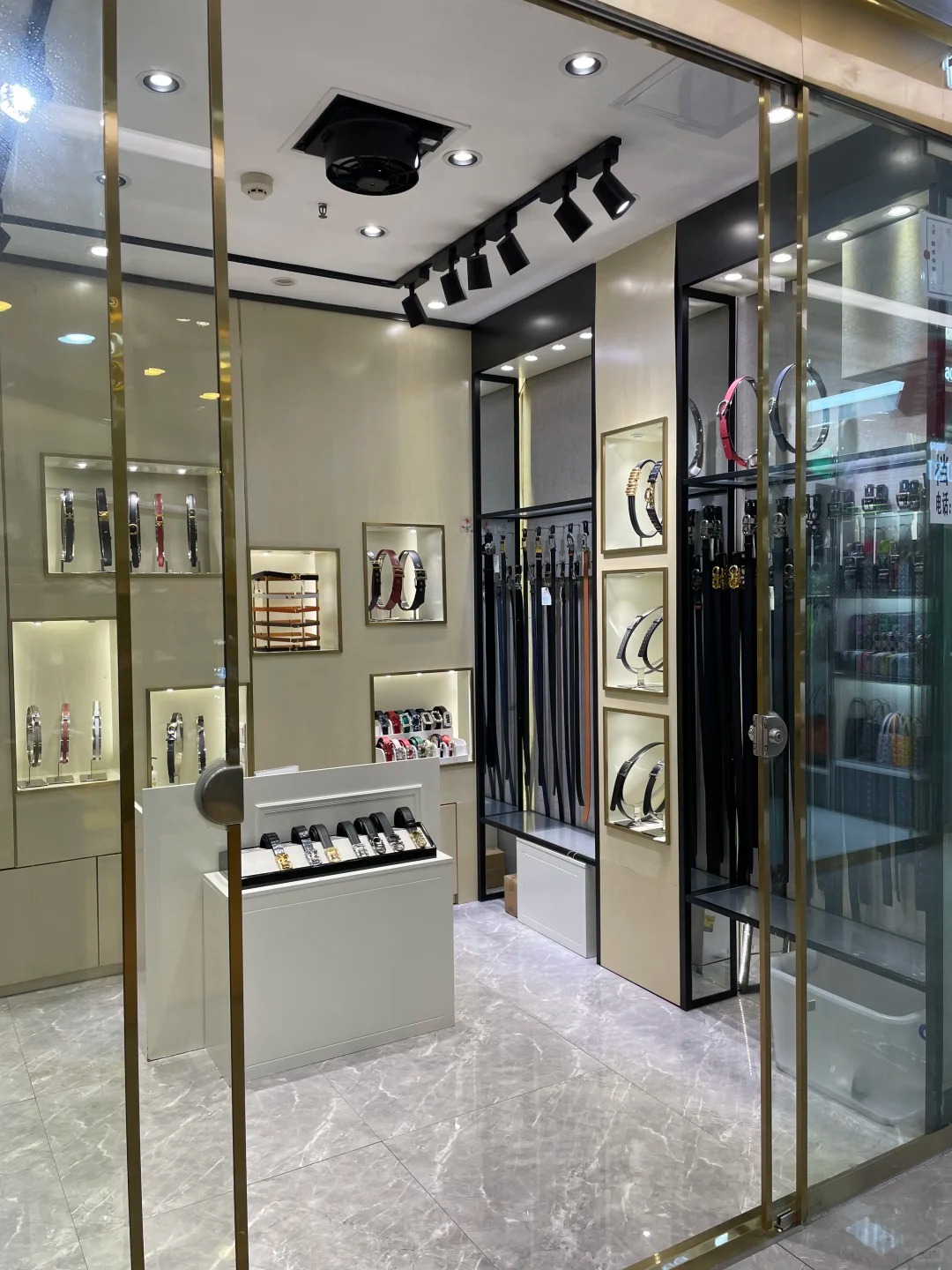
Instead of placing large custom orders, ask suppliers about their ready stock (现货). Many factories produce extra batches on spec—you can buy 50 to 500 pairs with zero minimum order quantity. Tip: inspect the shoes physically. Focus on lining material, glue lines, and outsole flex. These indicate real quality. Negotiate a price that includes your own branded insole or hang tag—easy customization that transforms generic stock into your brand.
3. Evaluate Material Quality Like a Pro
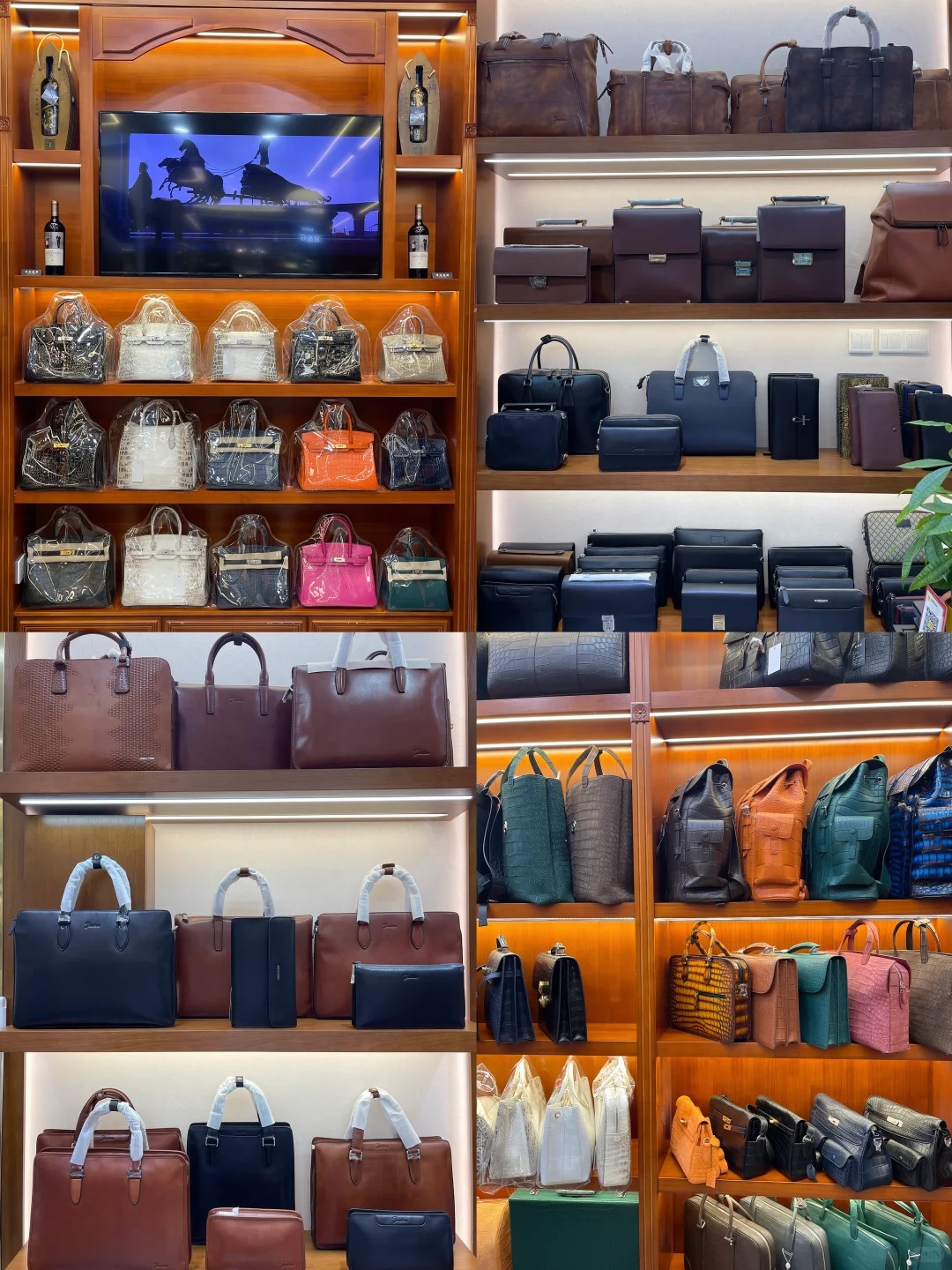
At the stall, run your fingers over the upper. Is it real leather or synthetic? Check the stitching density—12 stitches per inch is a good benchmark. Look for rolled edges on the shaft, which last longer. Soudangkou, a platform connecting market stalls to global buyers, lists detailed material specs you can cross-check. Always ask for the shoe’s “fabric count” (面料支数) if available.
4. Negotiate with OEM Suppliers
Start by asking, “What’s your best price for 100 pairs of this stock?” Be prepared to bargain—20% off the initial quote is standard. For long-term work, request a sample of the current stock. If you want minor modifications (like a color change), many stalls will accommodate for $0.50-1.00 extra per pair. Avoid asking for radical sole changes—that requires new molds and kills speed.
Step-by-Step Action Plan
Week 1-2: Market Scouting
Visit 3-5 wholesale markets or their online versions. Use platforms like Soudangkou to filter by “stock” and “OEM.” Save contact info for at least 10 stalls that match your price point. Request a video tour of the stock—shops are happy to show off their wares.
Week 3: Sample Testing
Order 3-5 pairs of the styles you like. Wear-test them yourself: walk 10 km, check for sole delamination and inner seam comfort. Compare the weight and smell of the shoes—cheap materials often have a chemical odor. Document your findings in a spreadsheet.
Week 4: Bulk Purchase & Branding
Once you’ve selected a supplier, negotiate a bulk price for 100-500 pairs. Arrange for your own branded hang tags and custom dust bags—adds perceived value without affecting production time. Ship via air freight for first orders to test demand quickly.
FAQ: Common Questions
| Question | Answer |
|---|---|
| Can I start with less than $5,000? | Yes. With stock shoes from market stalls, you can get 200-500 pairs for $3-5 each. Another $1,000 for basic branding and shipping. |
| How do I know if the supplier is reliable? | Ask for a factory video, check their on-site stock volume, and read reviews. Use Soudangkou to verify stall credentials. |
| How long until I receive the shoes? | Stock orders ship within 2-7 days after payment. Branded packaging adds 3-5 days. |
| What if I want custom designs later? | Start with stock and later upgrade to OEM custom. Many stalls require 1000+ pairs per design. |
| Is the quality same as branded shoes? | Good OEM stalls use the same factories as mid-tier brands. Focus on materials—suede vs. faux suede, rubber vs. EVA soles. The quality is often comparable. |
Bottom Line for New Entrepreneurs
Don’t overcomplicate shoe manufacturing. The smartest entry point is to buy stock shoes from China’s wholesale markets, add your branding, and test the market. You’ll learn real customer feedback without months of development. As your sales grow, you can gradually shift to custom OEM. This approach de-risks your startup and keeps your cash flow positive.
广州服装档口相关入口
继续查看相关市场和品类入口,方便对比档口微信、货源范围、拿货方向和试单前需要核实的信息。