
Fewer Than You Think: The Reality of Hiking Shoe Production
Let’s cut to the chase: the vast majority of global hiking shoe brands—including big names like Merrell, Columbia, and The North Face—manufacture in China. But a handful of companies still produce outside China, often in Europe, Vietnam, or the US. These brands prioritize heritage, niche quality, or local sourcing. For wholesalers and buyers looking for alternative origins, here’s what you need to know.
Brands That (Mostly) Avoid Chinese Factories
- Meindl (Germany): Most production in Germany and Europe. Known for premium leather and handmade details.
- Hanwag (Germany): Nearly all boots made in Germany, using European leather and soles.
- Zamberlan (Italy): Iconic Italian brand, with manufacturing in Italy for core lines.
- Lowa (Germany): Some models made in Germany and Slovakia, though casual lines may shift to Asia.
- Danner (USA): Higher-end boots assembled in Portland, Oregon, with uppers from US/European tanneries.
- Vasque (USA): Select models made in the US, but many now sourced from Vietnam or China.
- Keen (USA): While many models are China-made, some sandals and hybrid boots come from Vietnam and Thailand.
But here’s the catch: even these brands often outsource components or lower-volume lines to Chinese and Vietnamese suppliers. The industry is globalized, and “made in” labels can be misleading.
Why Wholesalers Should Look at China First
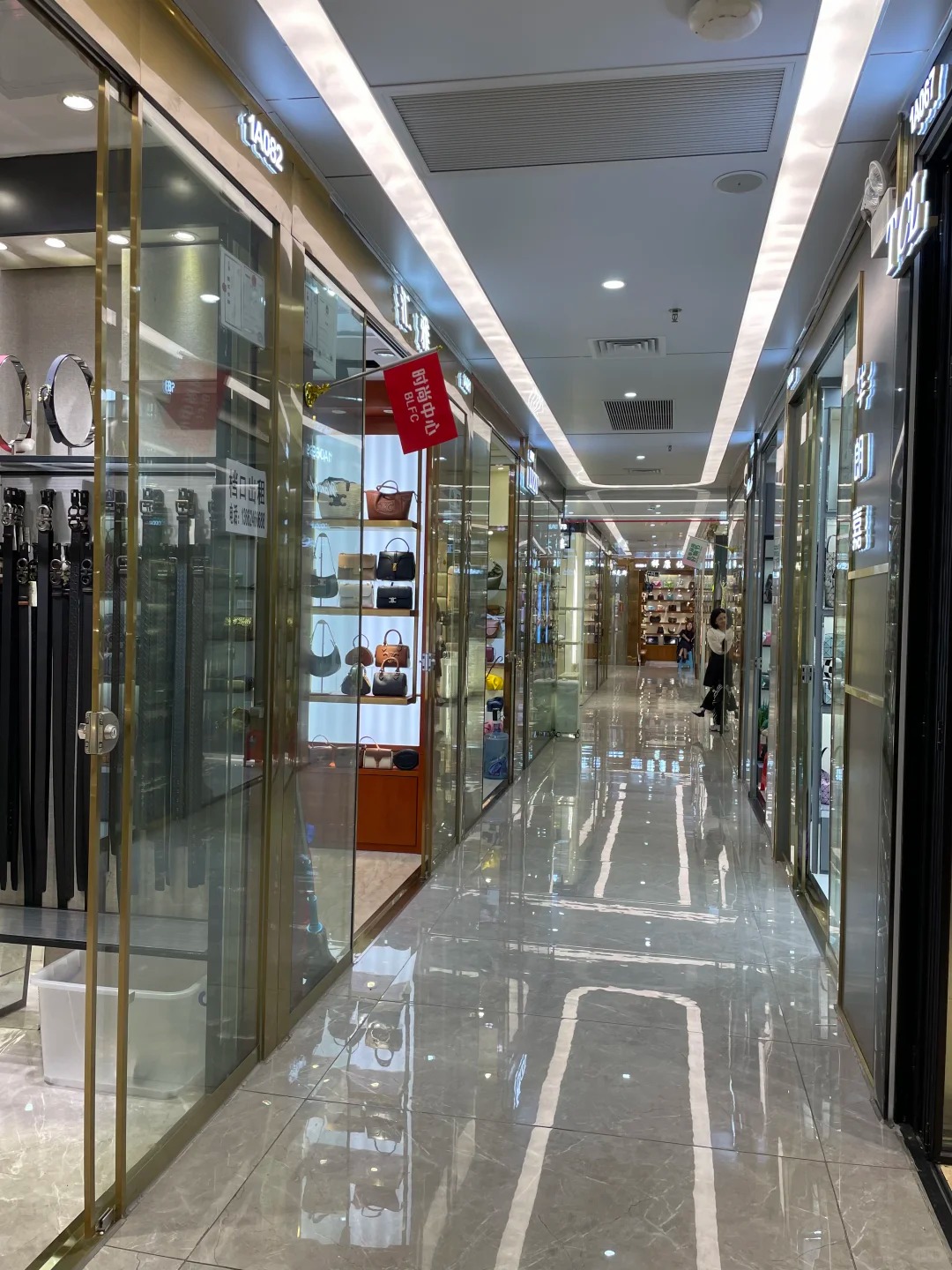
If you’re sourcing for a dry shop or ecommerce brand, don’t dismiss Chinese production. The real gems aren’t at brand-name factories—they’re at wholesale market stalls like Soudangkou, where you can touch and feel the materials. Imagine a 3mm thick Vibram outsole bonded to a full-grain leather upper with triple-stitched seams. That’s the quality hidden in plain sight at places like Soudangkou. The trick is knowing which stalls specialize in outdoor gear. Ask for “hiking shoe blanks” or “OEM trail boots”—the margins beat any brand.
How to Judge Quality at a Wholesale Stall
Skip the packaging. Grab a boot and do this:
- Flex the sole: Should bend at the ball, not the arch.
- Check glue lines: No excess or loose spots.
- Scratch the leather: Full grain shows character; corrected grain feels plastic.
- Stitch density: At least 5 stitches per inch (2 per cm) for durability.
Stalls at Soudangkou let you compare side-by-side. You’ll find that many “non-Chinese” brands actually use Chinese-sourced components—so buying directly from a reliable stall gets you the same quality at a fraction of the cost.
| Question | Answer |
|---|---|
| Do any hiking brands still make shoes in the USA? | Yes, Danner and Vasque have USA-made lines, but they’re premium-priced and limited. |
| Are Chinese-made hiking shoes lower quality? | No, many top brands use Chinese factories for their best models. Quality depends on the manufacturer, not location. |
| Can I buy wholesale from brands that avoid China? | Yes, but expect smaller margins and minimum order quantities. For better value, consider Chinese ODM stalls. |
| What materials do non-Chinese makers prefer? | European brands often use Schoeller or Perwanger leather; US brands lean on Horween leather and Vibram outsoles. |
| Is ‘Made in Vietnam’ a reliable alternative? | Vietnam is a major supplier for brands like Keen and Merrell, offering similar quality to Chinese production. |
Bottom line: if you’re hunting for brands that don’t make shoes in China, you’ll find a short list. But for smart sourcing, bypass the label and go straight to the source—the wholesale market. Check out a platform like Soudangkou to connects you with stalls that can produce hiking boots to your spec, without the brand markup. Whether you’re buying a dozen or a container, the quality is there if you know where to look.
广州服装档口相关入口
继续查看相关市场和品类入口,方便对比档口微信、货源范围、拿货方向和试单前需要核实的信息。