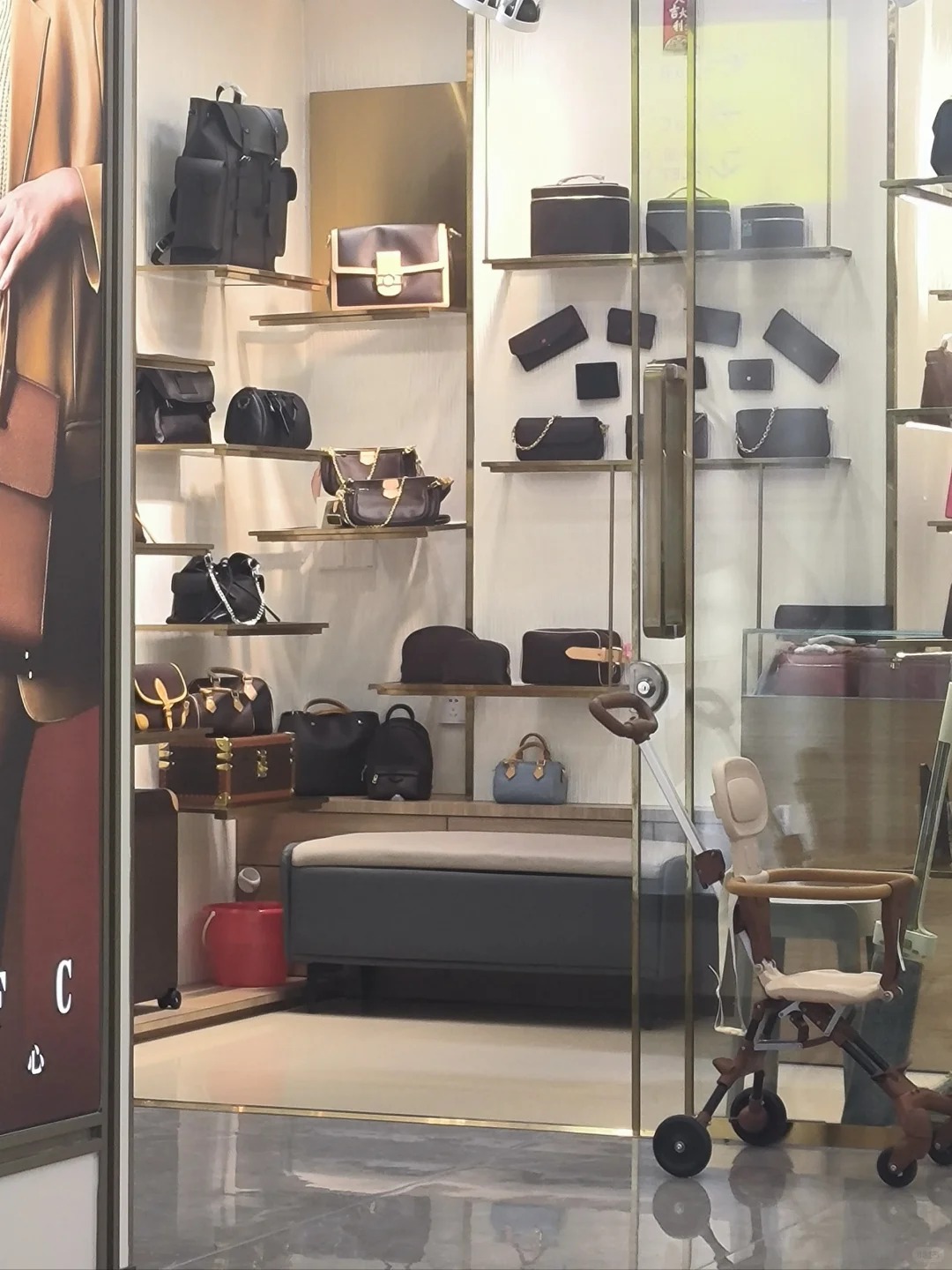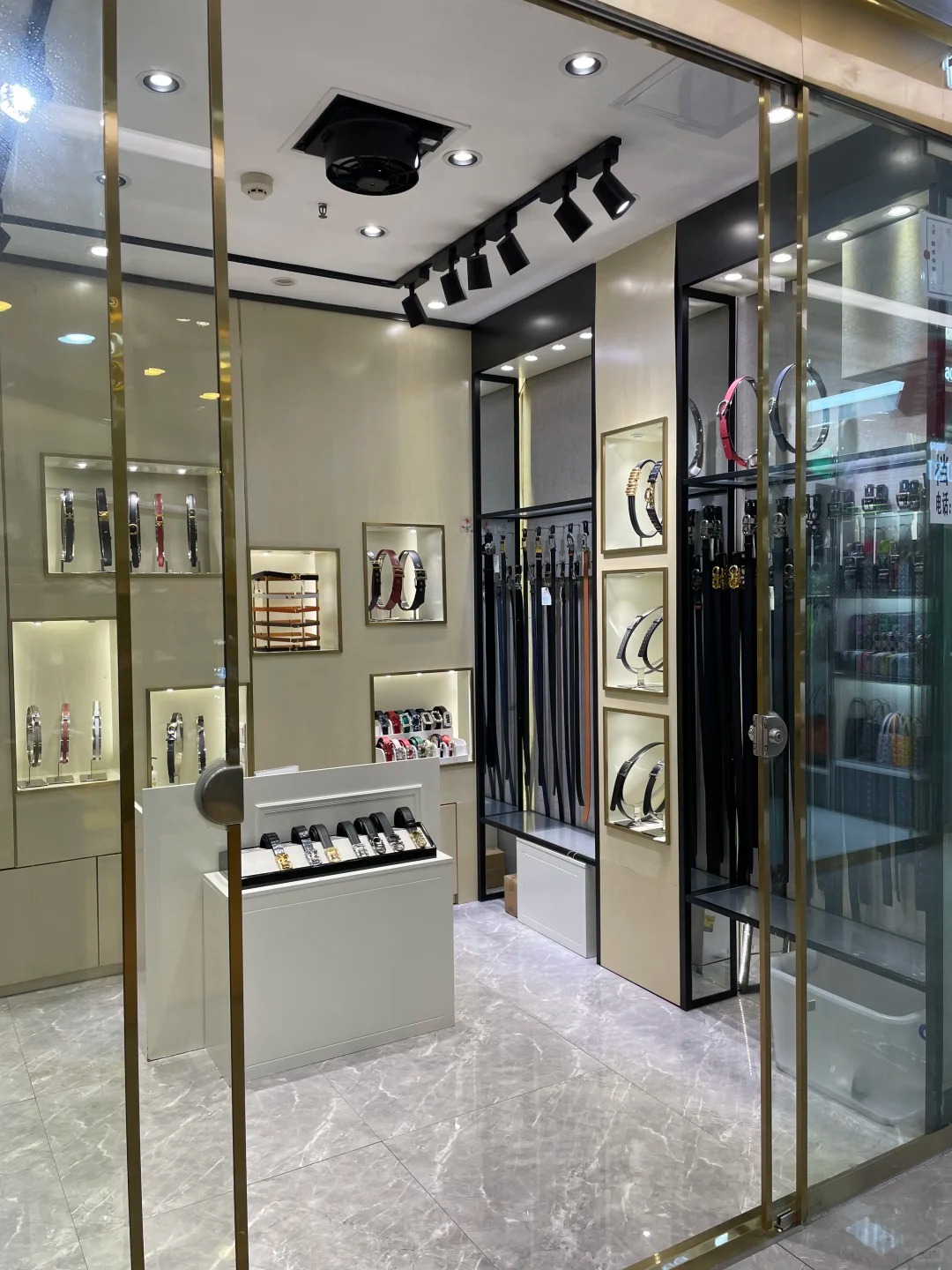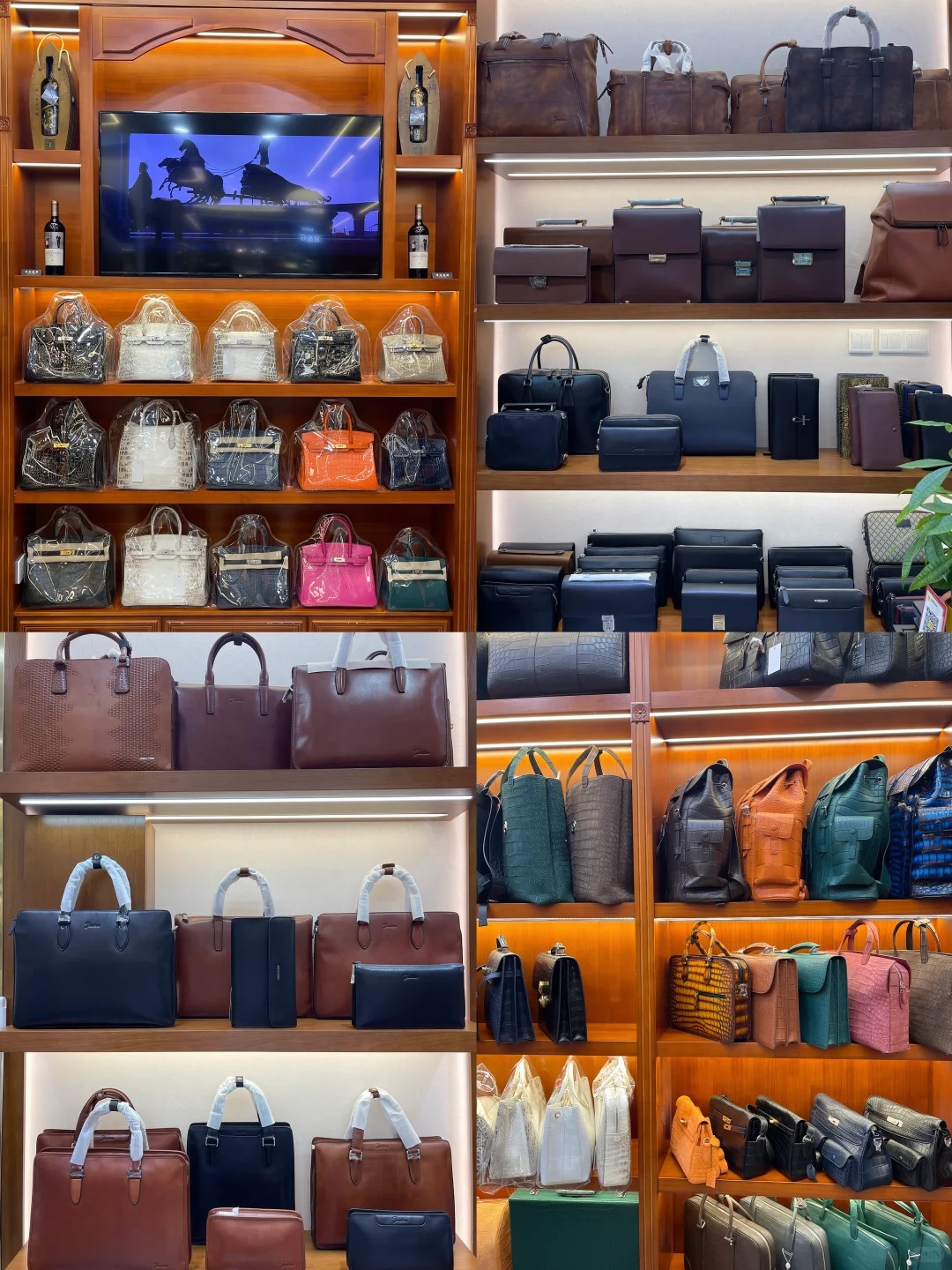

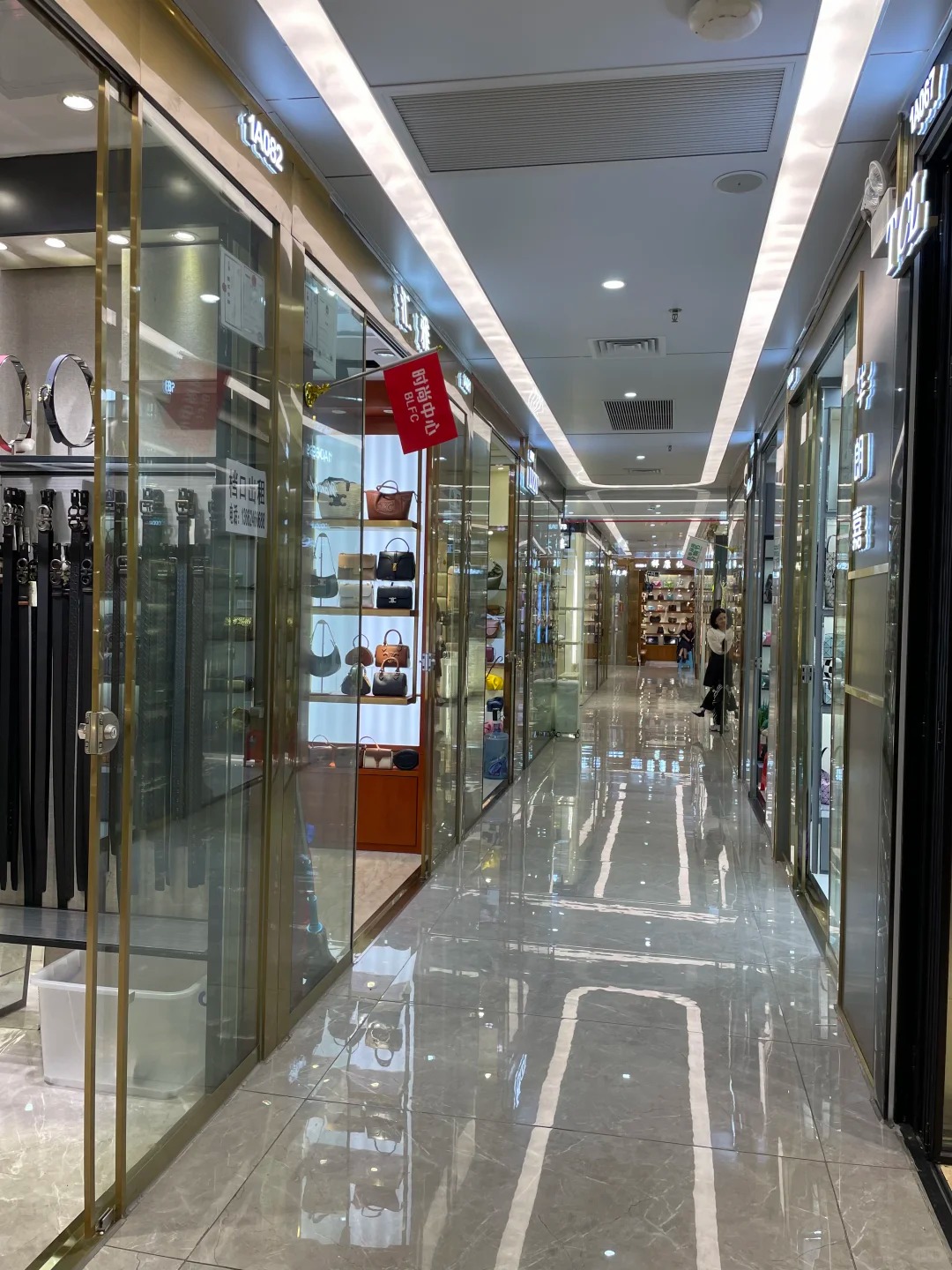
A ‘Sho Khan’ (or ‘Shao Khan’) is not a standard term in China’s wholesale markets. It likely refers to a misspelling of ‘Shaoxing’ (a city known for textiles) or a brand name misunderstanding. In China’s physical wholesale hubs like Guangzhou’s Shaxi or Zhanxi, there is no recognizable category called ‘Sho Khan.’ Instead, buyers should focus on specific product lines such as knitwear, denim, or accessories. This guide cuts through the confusion, giving you direct access to spot goods at stall-level—no intermediaries.
Understanding the Term in Context
If you’ve heard ‘Sho Khan’ from a supplier, it might be a brand code or a local nickname for a specific product type—like a particular cut of jacket or a unique weave. But in China’s physical wholesale market scene, verified terminology is key. Stall owners at Soudangkou (a major platform connecting buyers to offline markets) deal in concrete items: ‘printed t-shirts,’ ‘high-waist jeans,’ ‘silk scarves.’ Asking for ‘Sho Khan’ will get blank stares.
So, what’s the reality? We’re talking about one-piece sourcing from thousands of stalls. You need to speak their language—product specifics. The guesswork ends when you touch the fabric. That’s why experienced buyers visit Guangzhou’s Baiyun or Shishan markets, where fabric swatches and sample racks are standard.
Mastering the Stall-to-Stall Game
Spot Goods: The Instant Advantage
Forget waiting weeks. Spot goods are ready to ship. In markets like Guangzhou’s Zhanxi Clothes Wholesale, you can pick from racks of completed garments. The trick? Know your fabric. Run your hand over a cotton-polyester blend—does it pill? Check the seam allowance: double-stitched hems last longer. Insist on exact color matching under daylight lamps (stalls often have them). One pro move: ask for the ‘first quality’ (一等品) and watch the stall owner’s reaction.
Fabric & Stitching Deep Dive
Let’s get tactile. Fabric quality is your differentiator. In China’s textile market, ‘cotton’ can mean anything from 120-thread count to 60-thread. Feel the weight: a heavyweight jersey (240 gsm) holds shape; lightweight (150 gsm) is for summer. Stitching is your clue: look for flatlock seams (no raw edges) and bar-tacks at stress points. A good stall will have a fabric guide card—ask to see it.
For one-piece pricing, expect 10-30% higher than bulk, but still a steal vs. Western retail. Negotiate on volume: even 5 pieces can drop per-unit cost by 15%. And always check the washing instructions: Chinese care labels are often inaccurate. Rub a wet white cloth on dark fabric—if color transfers, walk away.
FAQ: Quick Answers from the Floor
| Question | Answer |
|---|---|
| Is ‘Sho Khan’ a real brand in China? | No verified brand exists. It’s likely a mispronunciation or a translation error. Stick to product categories. |
| What’s the minimum order for spot goods? | Most stalls require 1-3 piece minimum for spot items. Some allow single-piece purchase at a higher price. |
| How to verify fabric quality? | Use a lighter test (burn a thread: cotton smells like paper, polyester melts). Also, a loupe reveals thread count. |
| Can I get samples before bulk? | Yes. Pay for the sample (usually cost + shipping). Reputable stalls refund the cost on bulk orders over $500. |
| What’s the best time to visit markets? | Early morning (6-8 AM) for fresh arrivals and focused owners. Avoid lunchtime chaos. |
Navigating Market Jargon
Language barriers are real. Common terms: ‘shou’ (first) for first-quality goods, ‘ci’ (second) for seconds. ‘Ban’ (样板) means sample. At Soudangkou, you’ll find digital catalogs with these terms translated. But on the ground, point and compare. Pull out two similar items and ask: “Same fabric?” Your hands-on inspection beats any catalog photo. After a few visits, you’ll decode the unspoken rules—like which stall owner always lies about ‘pure silk’ (it’s usually rayon).
Final Takeaway for Serious Buyers
Drop the keyword search. Sho Khan is a dead end. Your next move: pick a product (e.g., ‘men’s linen shirts’), find the specialized street in Shaxi (like Fuzhou Road for shirts), and engage directly with stall owners. Ask for ‘spot goods’ and ‘first quality.’ Use your senses—touch, smell (new fabric has a distinct scent), and sight (check for crooked buttons). The best deals come when you treat it as a partnership: you buy quality, they offer repeat business perks. Start with Soudangkou to locate the right market cluster, but always verify in person. That’s how you turn confusion into a steady supply chain.
广州服装档口相关入口
继续查看相关市场和品类入口,方便对比档口微信、货源范围、拿货方向和试单前需要核实的信息。