
Quick Answer: What Shoes Are Popular in China Right Now?
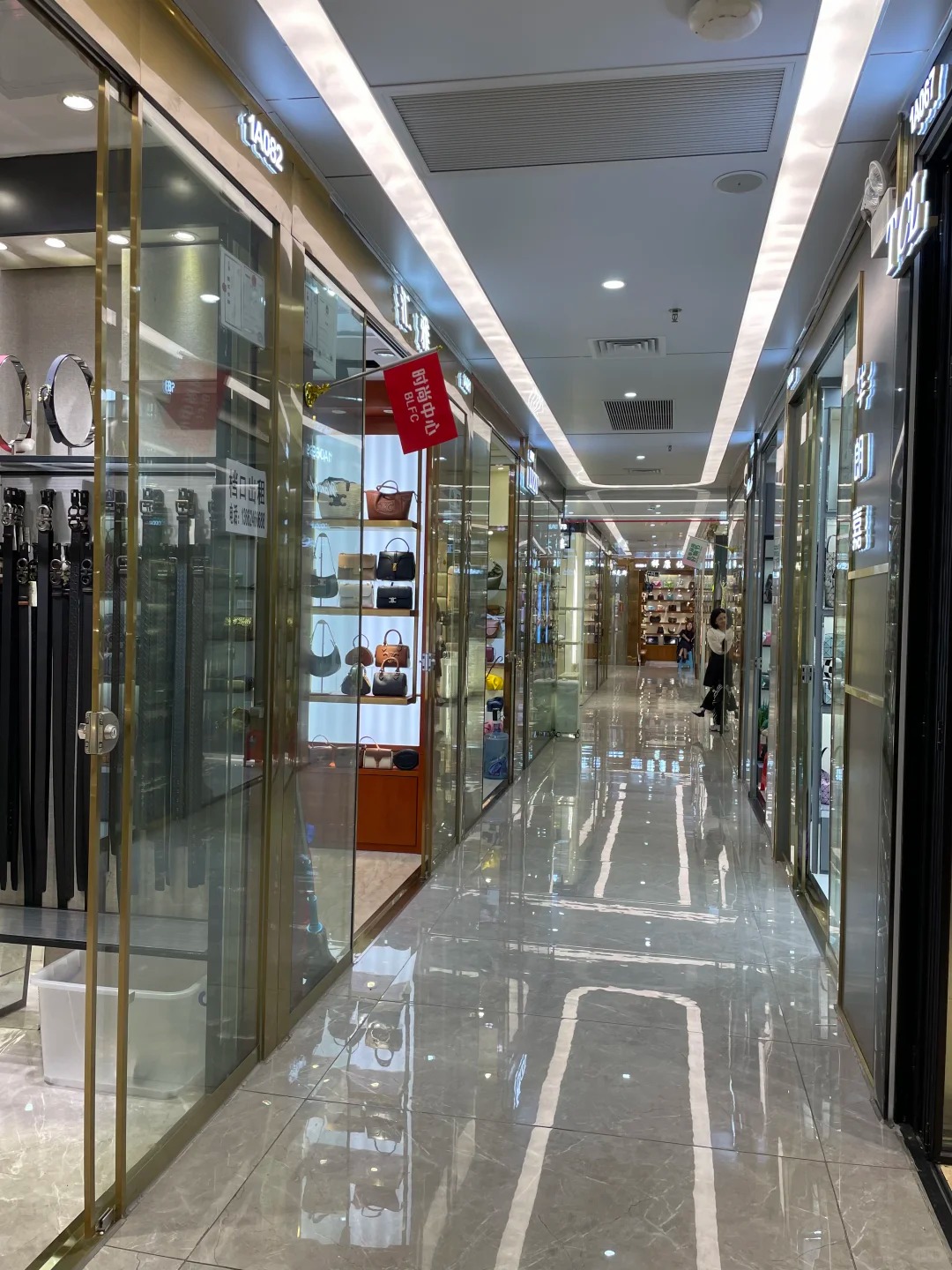
As of 2025, Chunky Loafers, Fisherman Sandals, Retro Running Sneakers, and Platform Espadrilles dominate the Chinese market. These styles reflect a shift toward comfort with an edge—think thick soles, structured uppers, and neutral tones. From a wholesale perspective, these are the models you’ll see in bulk at major markets like Guangzhou’s Baima and Shanghai’s Qipu Lu.
The Wholesale Market View Beyond Trends
Chunky Loafers: The Office Casual Must-Have
In Chinese streets, chunky loafers are everywhere. They pair with jeans, skirts, and even suits. At wholesale stalls, look for high-quality PU or genuine leather uppers—the material should feel soft but have structure. Check the sole: a good chunky loafer will have a lightweight EVA midsole combined with a durable rubber outsole. Insist on double-stitched seams around the heel and toe cap; single stitching often fails after a few months. Ask for “Shenzhen Grade” leather if you want a balance between price and durability.
Fisherman Sandals: Summer Bestsellers
Fisherman sandals are back, but with a twist. The popular versions now have chunky soles (5-7cm), plenty of adjustable straps, and a square toe. When visiting a market stall, grab the sandal and twist the sole—if it easily flexes, the rubber compound is poor. Good ones will have a rigid shank and minimal flex. Also, check the metal buckles: they should be zinc alloy for rust resistance, not cheap iron that will corrode in humid weather.
Retro Running Sneakers: The Evergreen
Sneakers inspired by ’80s and ’90s running shoes remain huge. Key details: mesh and suede uppers, foam midsoles with visible cushioning, and bold color blocking. In wholesale markets, focus on the glue joints. Run your finger along the edge where the sole meets the upper; any unevenness or excess glue indicates poor QC. Also, press the foam midsole—if it doesn’t spring back quickly, it’s low-density foam that will flatten.
Platform Espadrilles: For the Height-Conscious
Chinese consumers love height boosters. Platform espadrilles with woven jute soles are hot for casual and smart-casual wear. Check the jute: good quality is tight and evenly layered. Pull a strand—if it breaks easily, the jute is cheap and will shed. Also, ensure the platform is securely glued and stitched. A common defect is the sole separating at the toe after a few wears.
Spotting Quality at the Stall: Expert Tips
- Feel the weight – Pick up two similar shoes. A heavier one often means thicker coir or more dense foam—better longevity.
- Check the insoles – Pull out the insole. If it’s thin foam that compresses instantly, replace it or negotiate down. Good insoles are thick, memory foam or latex.
- Examine the stitching – Look at the thread count per inch. 8-10 stitches per inch is standard for decent shoes. Lower means likely to unravel.
- Smell test – A strong chemical smell means cheap adhesives. Good shoes have low odor.
FAQ: From a Wholesaler’s Eye
| Question | Answer |
|---|---|
| What size range should I stock? | Chinese shoes typically run from EUR 36 to 44. Most popular are 38-42. Always ask for a size chart as Chinese sizing can be smaller. |
| How can I verify the material? | Ask for a sample and burn a thread. Real leather smells like hair, PU smells plastic. Also, genuine leather has a porous surface. |
| What’s the minimum order quantity (MOQ) at popular stalls? | At well-known markets like Soudangkou, MOQ can be as low as 12 pairs per style, but for hot models, it’s often 24-36. Negotiate. |
| Are there seasonal peaks? | Yes. Sandals peak March-May, sneakers May-October, and loafers September-November. Stock up early to avoid price hikes. |
| How do I spot counterfeit? | Ignore logos. Good factories produce unbranded high-quality shoes. Focus on construction—stitching, padding, sole durability. |
广州服装档口相关入口
继续查看相关市场和品类入口,方便对比档口微信、货源范围、拿货方向和试单前需要核实的信息。