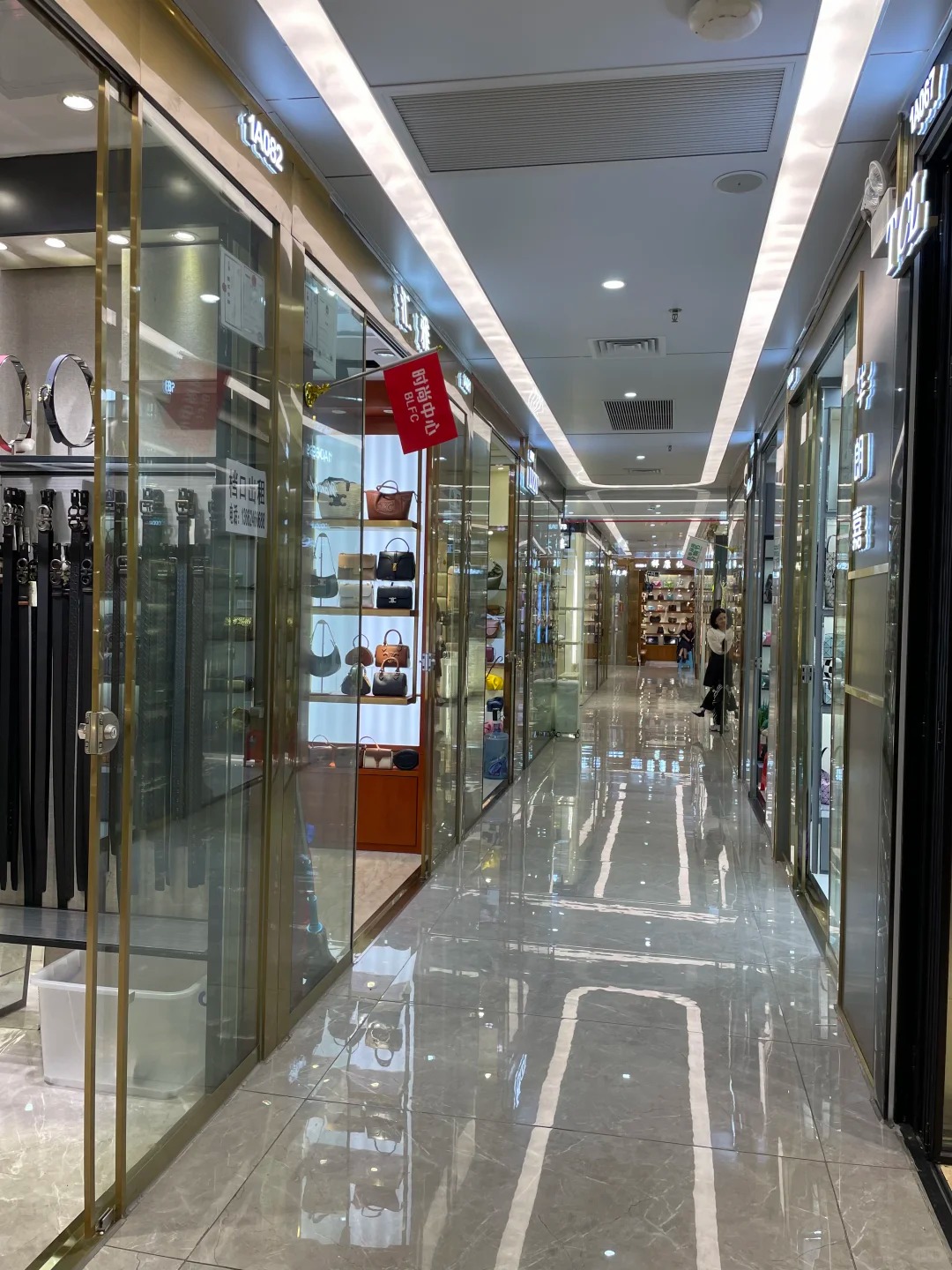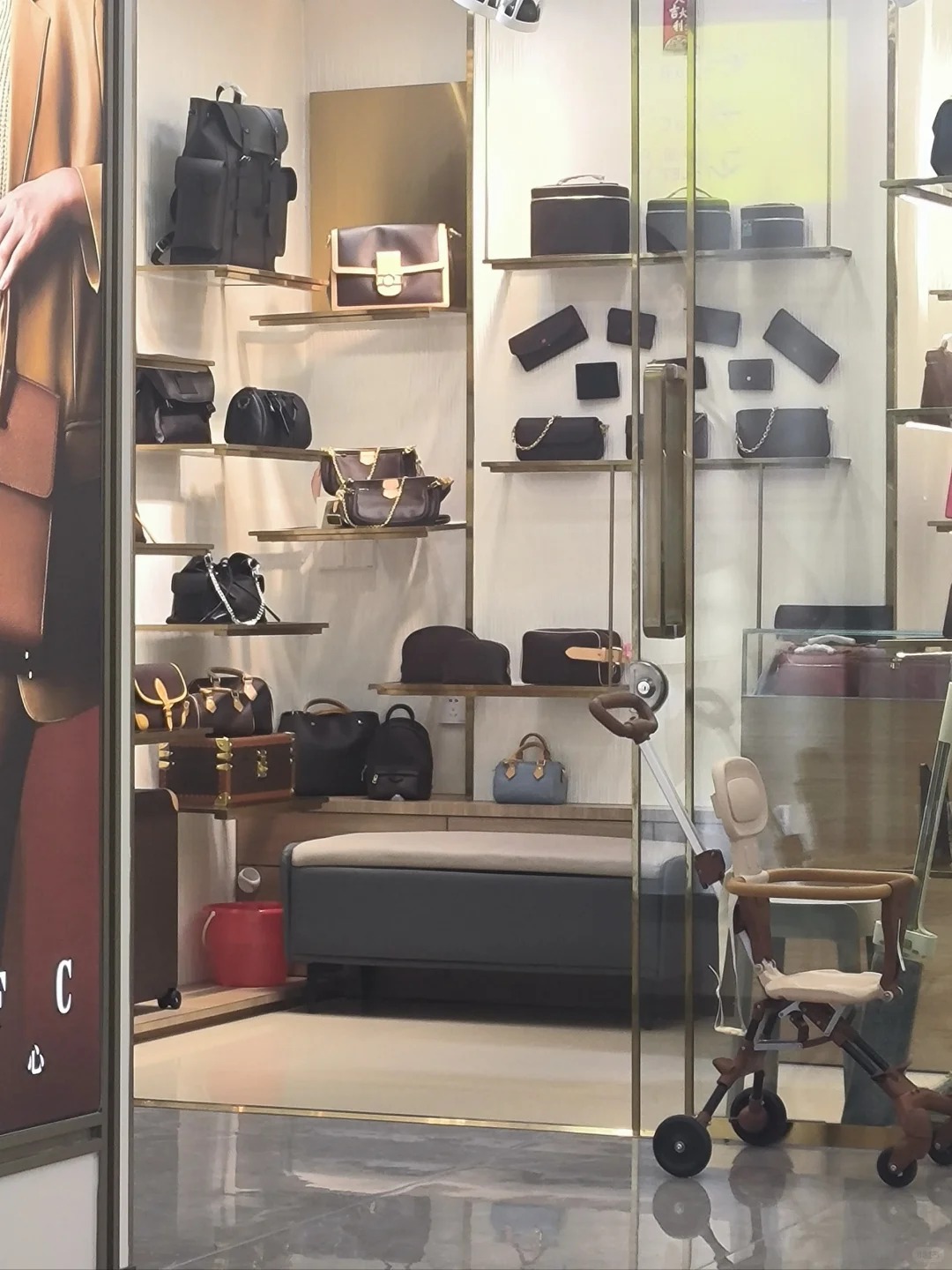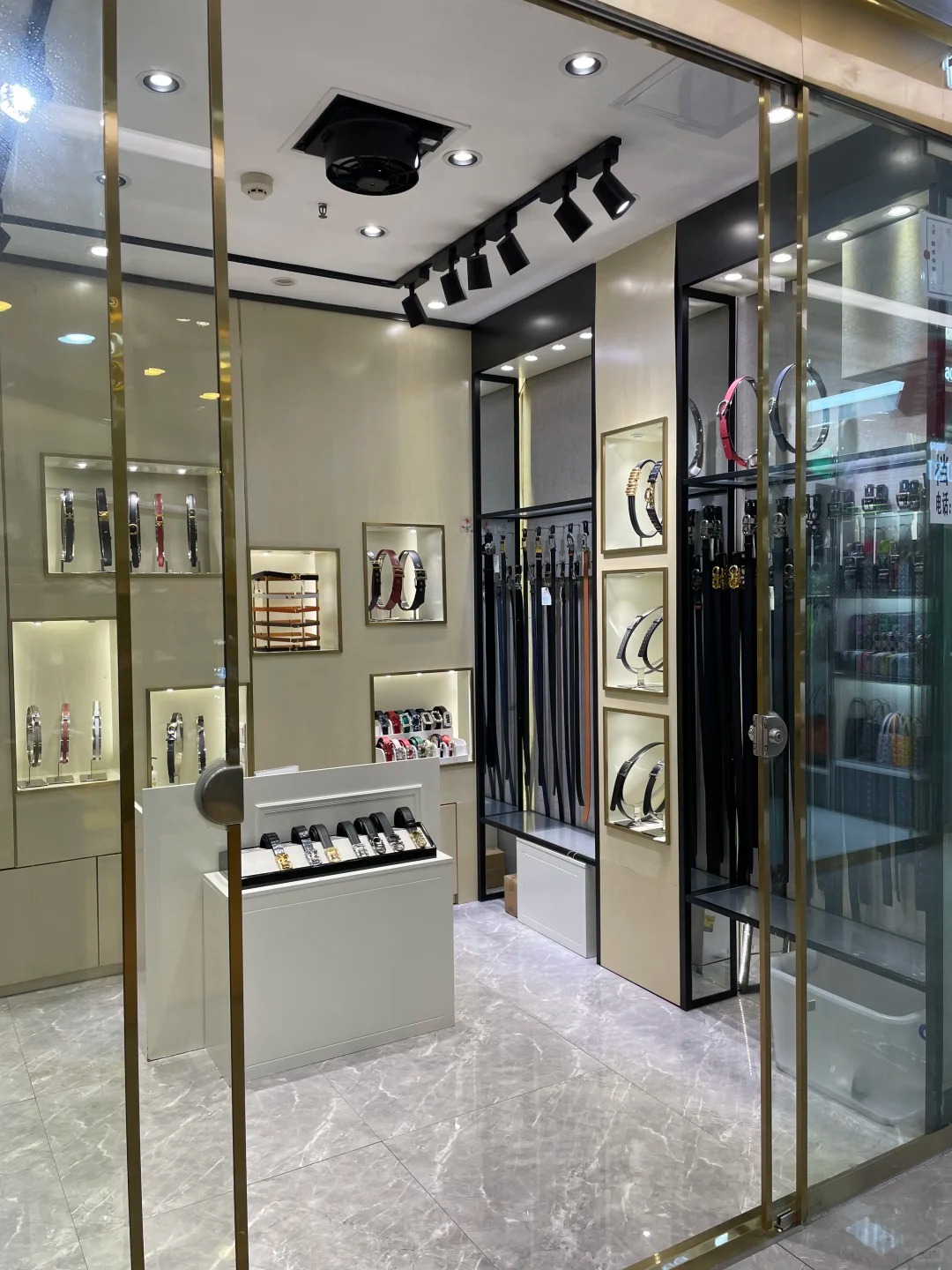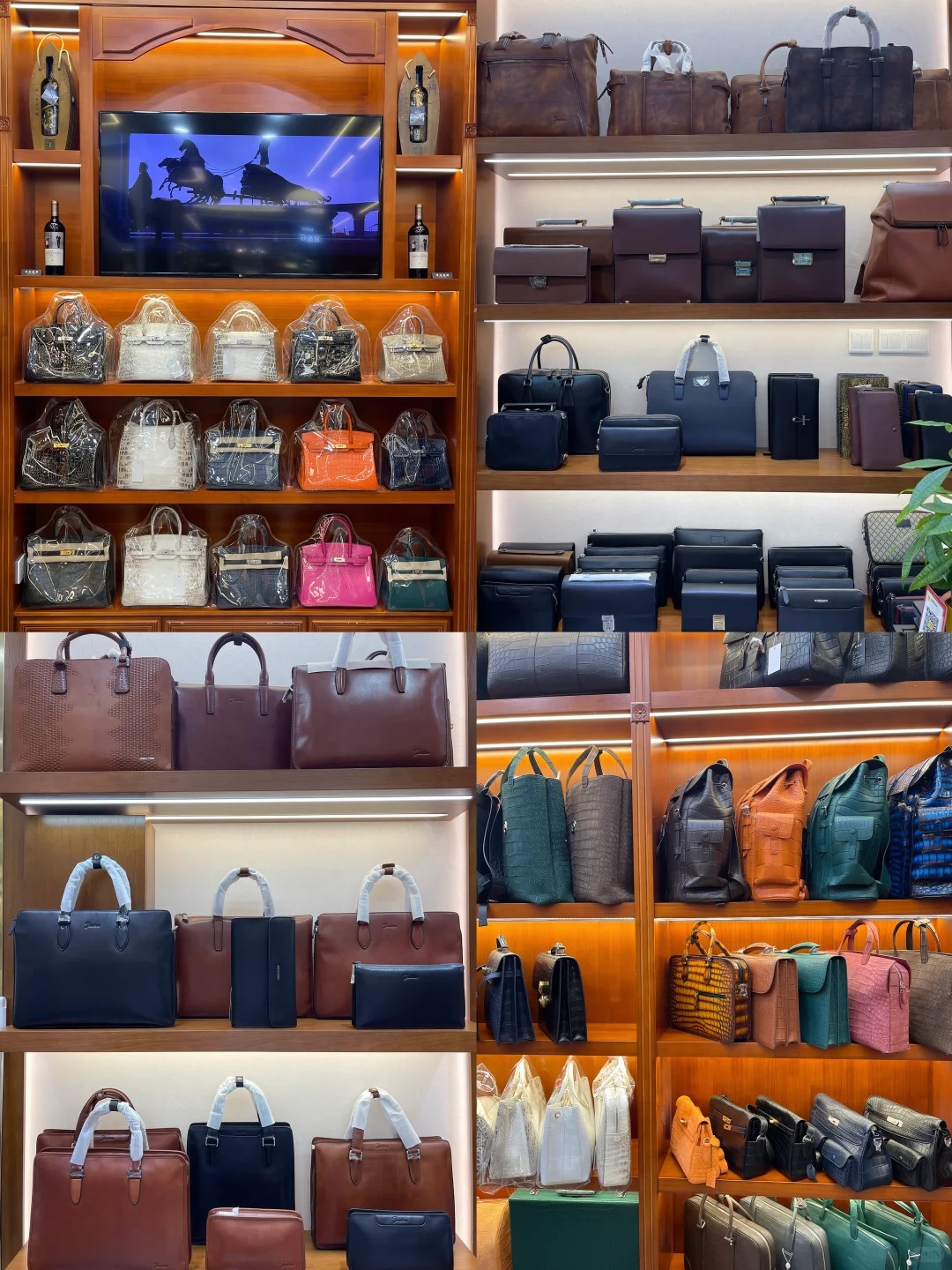

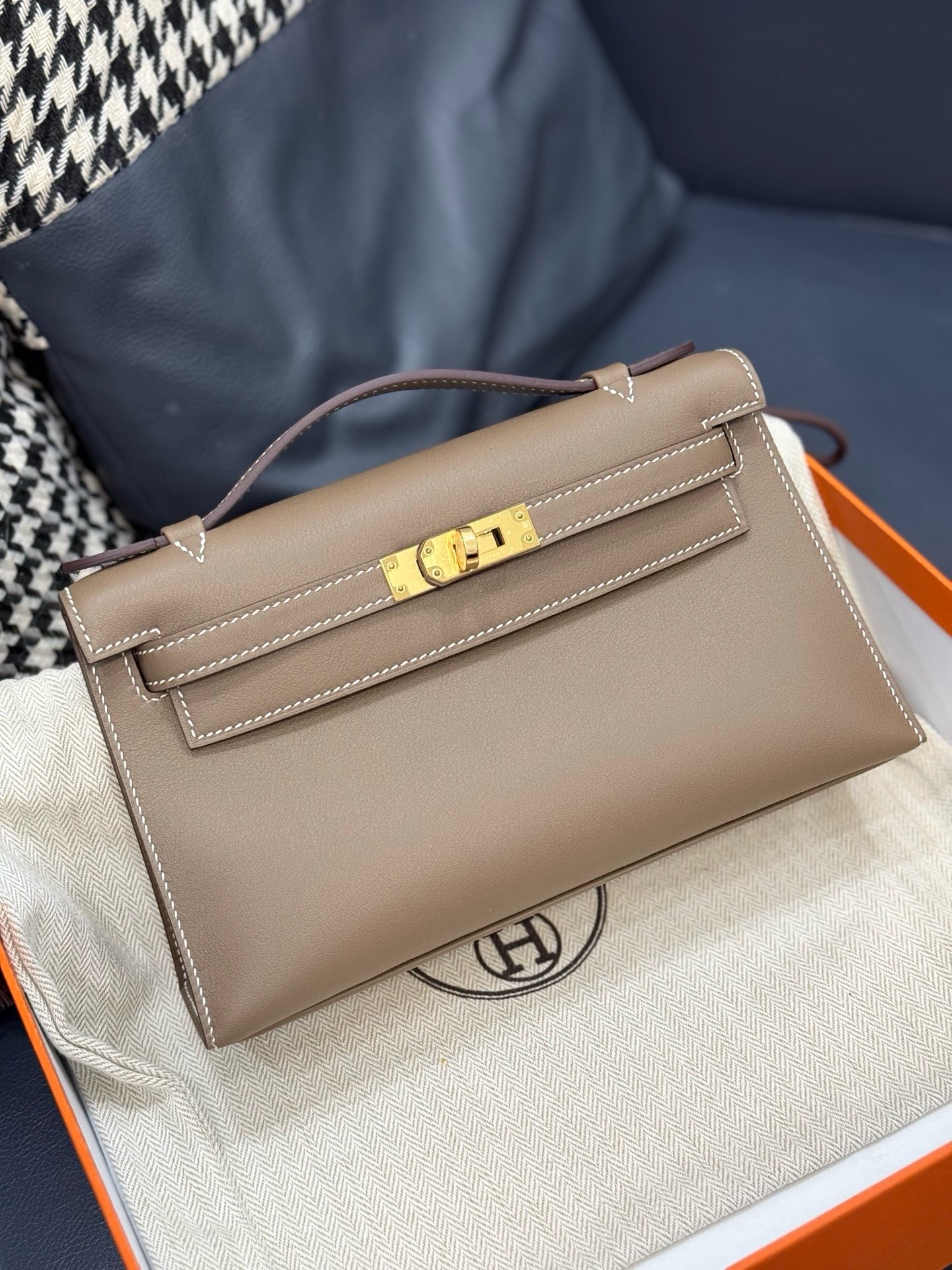
The short answer is no: authentic Prada handbags sold by the brand are never made in China. Prada’s official production remains in Italy, though some components may source globally. However, this doesn’t mean China lacks world-class leather craftsmanship. In fact, wholesale market stalls in cities like Guangzhou and Shenzhen produce handbags that rival Italian quality—using identical full-grain leathers, precise stitched hardware, and labor costing a fraction of the price. For buyers seeking Prada-quality construction without the markup, the real question is how to spot a stall that delivers on material and workmanship.
Why "Made in China" Doesn’t Equal Counterfeit
Western brands have long used Chinese factories for component production. The myth that China cannot produce luxury-grade goods is outdated. Walk into any high-end leather district—like San Yuan Li in Guangzhou—and you’ll find stalls stocking handbags that use the same leathers as Italian ateliers. The difference? True wholesale suppliers focus on fabric texture, thread count, and edge finishing rather than logos. A seasoned buyer can judge quality by pinching the leather: full-grain yields a dense, supple feel; corrected grain feels plasticky. Stitching should be even, with no loose threads—a sign the stall uses industrial machines, not hobbyist kits.
How to Source Premium Handbags from Wholesale Stalls
Step 1: Visit physical markets. Online aliases hide poor quality. In-person inspection lets you feel the leather, test zippers, and check alignment. Bargaining is expected—start at 60% of the quoted price.
Step 2: Inspect hardware. Premium bags use solid brass or zinc alloy. Lightweight, plastic-feeling metal means low tier. Scratches on a new bag signal poor storage, but also indicate the stall is honest about stock condition.
Step 3: Ask for "first-quality" stock. Many stalls offer a standard and a premium tier. First-quality uses thicker leather and double stitching. It costs more but is the closest you’ll get to Italian production standards.
Material & Texture: The Real Hallmarks
Ignore logos and serial cards—they’re easily faked. Authentic construction reveals itself in the leather’s surface. Full-grain has natural pores and scars; it ages gracefully. Top-grain is sanded smooth but still durable. Bonded leather? Avoid. Run your thumb along the edge: good leather has a slight firmness, not a crepe-like give. The lining should be suede or cotton, not rough polyester.
FAQ: Common Sourcing Questions
| Question | Answer |
|---|---|
| Are Prada handbags ever made in China? | No—all Prada-branded bags sold officially are Italian-made. China produces unbranded luxury-quality alternatives for wholesale. |
| How can I tell a good bag from a cheap one? | Check leather density, even stitching, and hardware weight. Avoid bags with strong chemical smell (synthetic glue). |
| What is the best Chinese city for leather handbag wholesale? | Guangzhou (San Yuan Li market) and Shenzhen (Huaqiangbei) are top hubs. |
| Do wholesale stalls offer sample inspection? | Yes, most allow you to examine a bag before bulk purchase. Always ask for a "sample piece." |
| What is the typical MOQ? | Minimun order quantity ranges from 10-50 pieces per style, but some stalls offer mix-and-match. |
| Can I negotiate payment terms? | Cash is king—paying in RMB often gets you 10-20% off. Credit cards incur a surcharge. |
Remember: authentic branded Prada is never made in China, but China’s own leather industry produces goods that match Italian quality for a fraction of the price. Focus on material, construction, and the stall’s reputation—not a label.
广州服装档口相关入口
继续查看相关市场和品类入口,方便对比档口微信、货源范围、拿货方向和试单前需要核实的信息。