
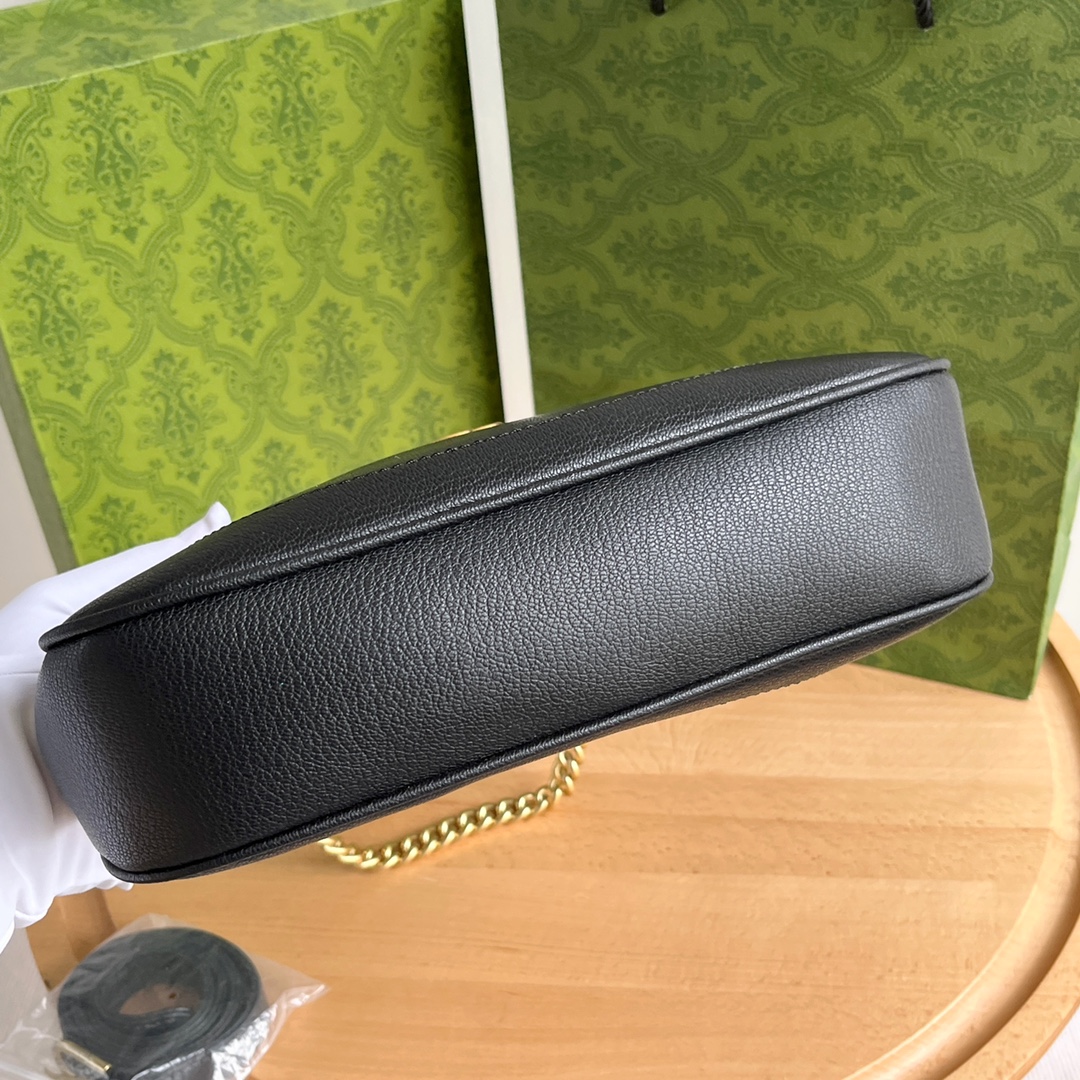
Are Gucci Clothes Made in China? The Short Answer
No, authentic Gucci clothing is manufactured in Italy, not China. This is a common misconception fueled by the sheer volume of Chinese-made textiles globally. However, China’s wholesale markets are not about copying luxury brands—they are about producing original high-quality garments that rival Italian craftsmanship at a fraction of the cost. For buyers seeking premium fabrics, impeccable stitching, and ready stock, Chinese suppliers are the real deal.
Why China? Not a Copy, But a Craft Powerhouse
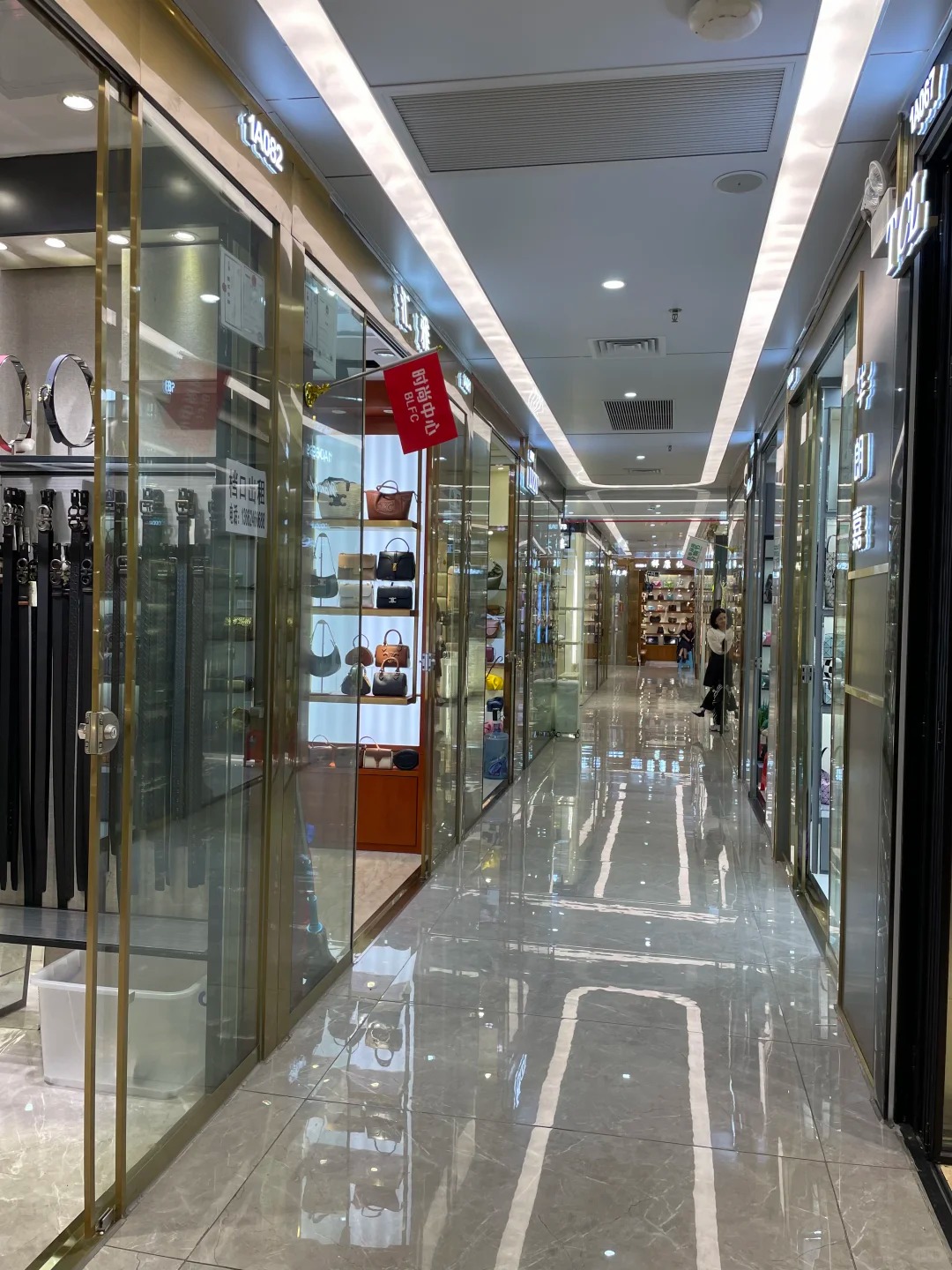
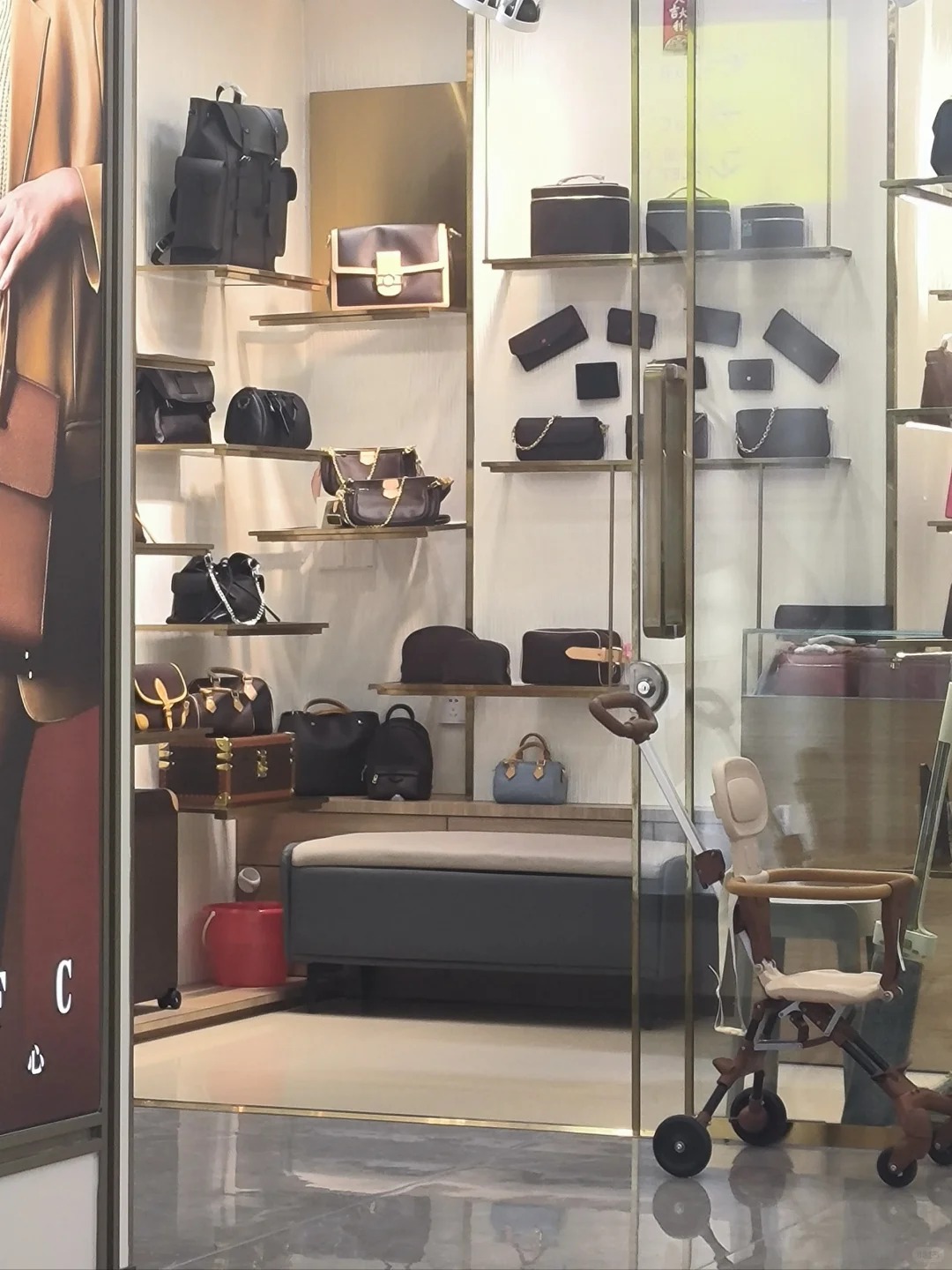
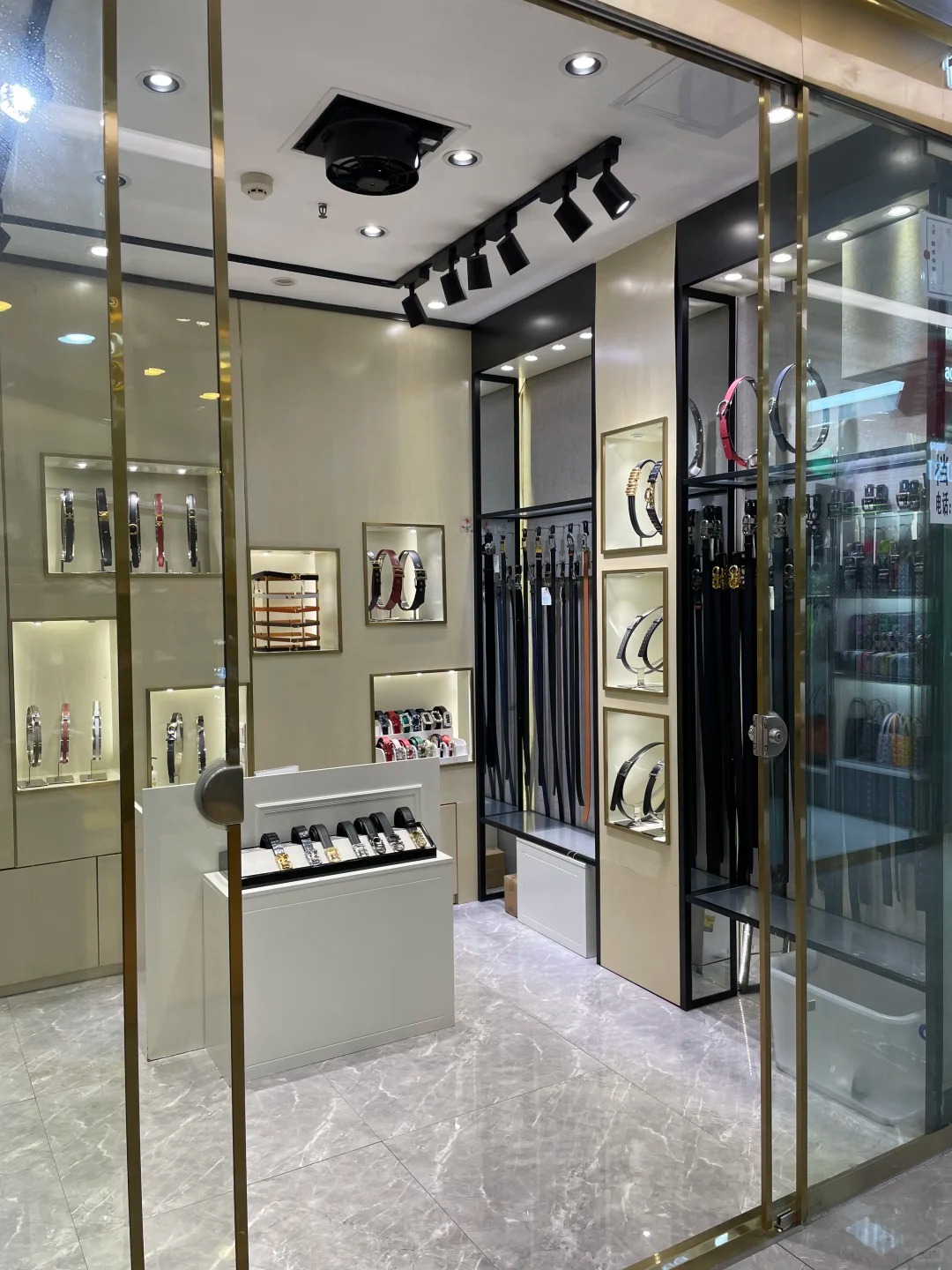
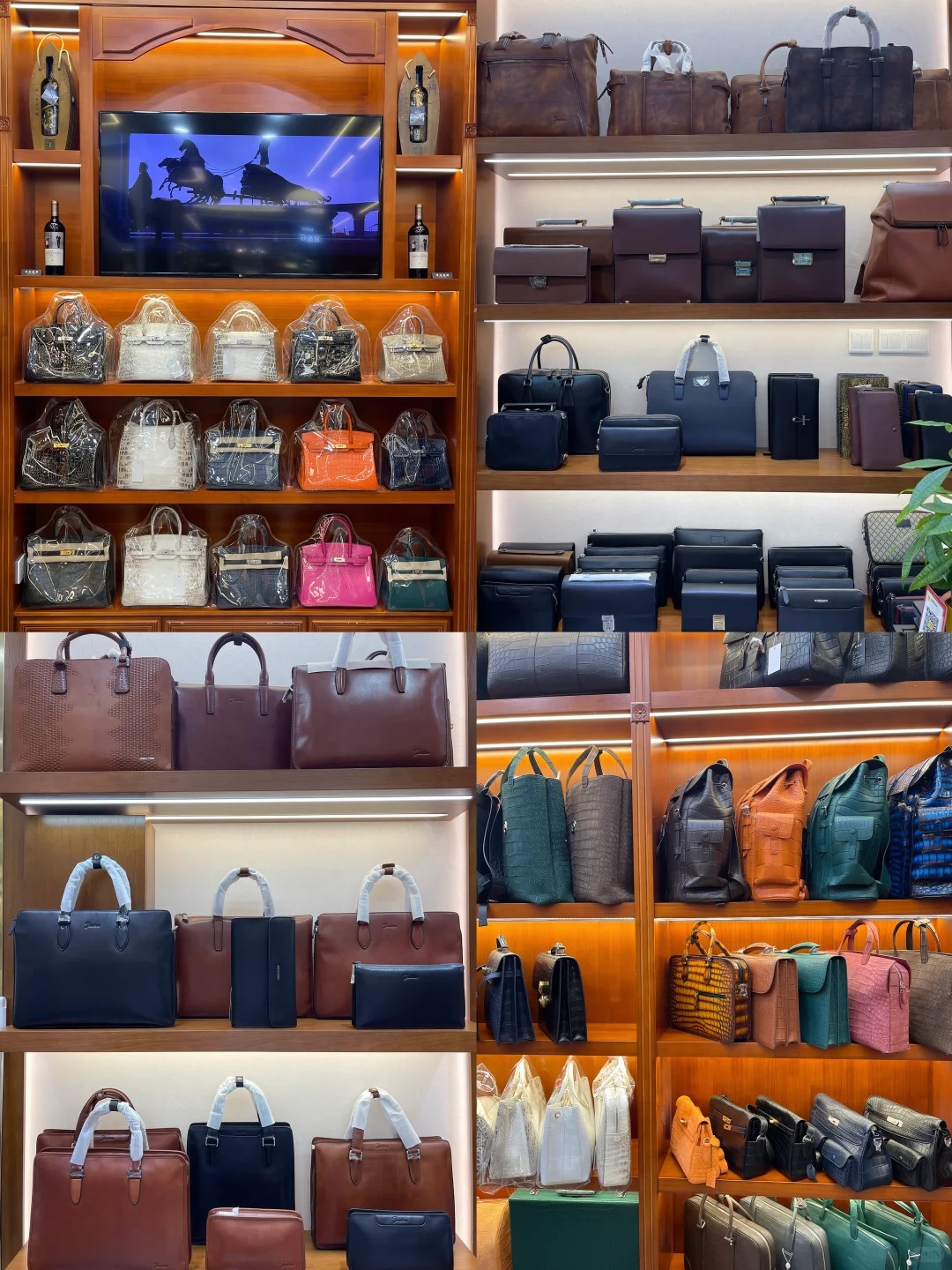
Let’s clear the air: China’s competitive advantage is not imitation—it’s mastery of textile production and supply chain efficiency. From Zhejiang’s silk mills to Guangdong’s knitwear clusters, the country supplies raw materials to luxury houses globally. At wholesale market stalls like those featured on Soudangkou, you’ll find manufacturers who produce for international brands under strict quality control. These aren’t “fakes”—they are goods made with the same machinery and often superior handling techniques.
Fabric and Stitching: The Real Tell
When you step into a wholesale market, ignore the labels. Focus on the fabric and stitching. High-end Chinese mills produce cashmere blends (like Loro Piana-grade wool), silk charmeuse, and cotton poplin that feel identical to Italian fabrics. Run your hand over the cloth—it should be dense, smooth, and weighty. Turn the garment inside out: look for French seams, double-stitched hem, and stress points reinforced with bar tacks. A proper garment from a reputable Chinese supplier will have no loose threads, and the thread count per inch will be uniform. This is how you separate a $50 wholesale piece from a $500 counterfeit.
Spot Supply Chain: Why Wholesale Markets Win
Wholesale market stalls in Guangzhou or Yiwu operate on a “spot supply” model—they carry inventory, not just samples. Visit a stall and you can order 100 pieces of the same style immediately, often with 48-hour delivery. No 30-day lead times. For small to mid-level buyers, this means lower risk and faster turnover. Use platforms like Soudangkou to filter for “现货” (spot goods) and check seller ratings. Negotiate per piece pricing but ask for packaging options: branded poly bags or hanger packaging adds perceived value.
FAQ: Clearing Up Common Misconceptions
| Question | Answer |
|—|—|
| Are Gucci clothes made in China? | No, Gucci’s manufacturing is in Italy. But China produces similar quality goods for wholesale. |
| Is Chinese-made clothing lower quality? | No. Many Chinese factories produce premium goods. Quality depends on the mill, not the country. |
| Can I buy Gucci-quality fabric from Chinese suppliers? | Yes. Many mills source raw material from the same regions Gucci uses. |
| How do I spot a high-quality Chinese garment? | Check fabric density, seam finishing, and double stitching. Avoid loose threads or uneven hems. |
| Are there legal issues buying from wholesale markets? | As long as you avoid counterfeit logos, it’s perfectly legal to buy unbranded or private label goods. |
Final Verdict: Should You Source from China?
If you’re looking for affordable luxury without the brand markup, China’s wholesale markets are your playground. Forget the “Made in China” stigma—assess each supplier on its own merits: fabric sourcing, stitching precision, and delivery speed. For a risk-free start, use Soudangkou to find verified stalls with real-time stock. The beauty of China’s ecosystem is that you can hold the product before committing. That tactile assurance—feeling the weight of silk, checking the buttonhole stitching—beats any catalog order from Italy.
广州服装档口相关入口
继续查看相关市场和品类入口,方便对比档口微信、货源范围、拿货方向和试单前需要核实的信息。